9 Essential Chinese Pantry Staples to Boost Your Menu Profits [Insider Tips]
Last Updated on 2026-01-07 by Suryo
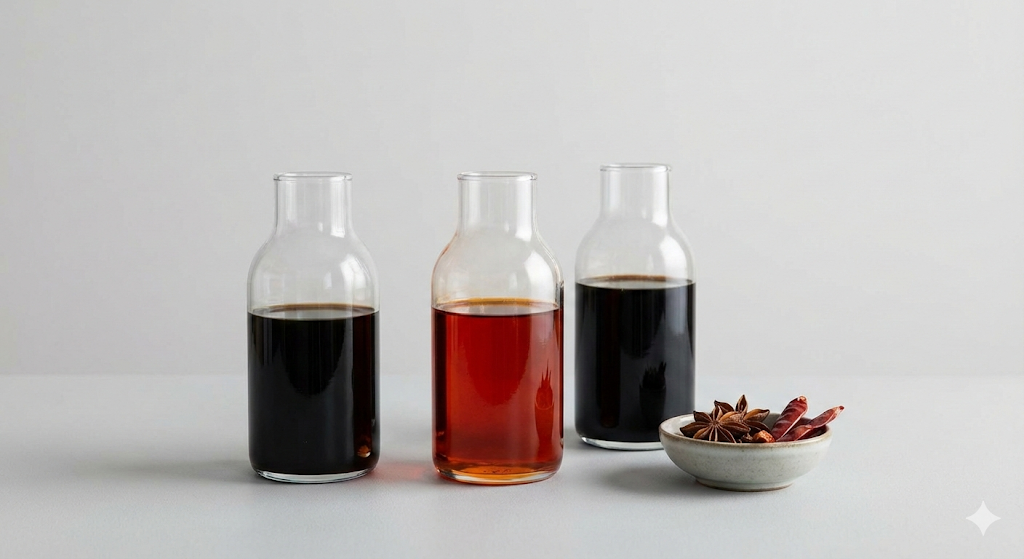
Essential Chinese Pantry Staples are the fundamental building blocks of authentic flavor architecture, distinct from general Western seasonings. Mastering this specific inventory—ranging from double-fermented soy sauces to aged vinegars—allows food businesses to create complex, layered dishes without relying on expensive pre-made sauces, effectively lowering food costs while elevating menu quality.
Beyond Soy Sauce The Science-Backed Guide to Essential Chinese Pantry Staples
Let’s be honest for a second. Have you ever stood in the “International” aisle of a wholesale supplier, staring at fifty different bottles of brown liquid, wondering if it really matters which one you pick for your shop? I see this happen constantly. You might think, “Soy sauce is soy sauce, right?” and grab the cheapest bulk option to save a few cents on the margin. But then, a customer complains that the stir-fry tastes “flat,” or your signature braised pork looks pale and unappetizing. The reality is that Chinese cooking isn’t about magic; it’s about chemistry. The specific acidity in a black vinegar or the caramelized viscosity of a dark soy sauce does heavy lifting that salt and pepper simply cannot replicate. If you want your business to serve food that brings customers back, you have to respect the ingredients.
In this guide, I’m not just going to give you a shopping list. I’m going to break down the essential Chinese pantry staples from a flavor architect’s perspective, so you know exactly what deserves shelf space in your kitchen.
Link to: FDA Food Safety Guidelines
The Flavor Architecture of Chinese Cuisine
When I consult for new restaurant owners who want to introduce Asian fusion dishes, I often have to deprogram their “stir-fry mindset.” They tend to think in terms of one “master sauce” that coats everything. However, real Chinese flavor is built in layers, much like a perfume has top, middle, and base notes.
In my fifteen years of cooking and writing about food, I’ve learned that a well-stocked pantry is a working system. You don’t need a hundred bottles to make great food; you need the right five or six bottles that interact with each other. We call this the “Flavor Architecture.” The salinity provides the foundation, the acid cuts through the fat, the fermentation adds the “funk” or depth, and the aromatics provide the finish. When you understand this system, you stop buying single-use bottles that sit on the shelf for three years collecting dust. You start building a lean, high-turnover inventory that makes money for your business.
The Foundation Salinity & Umami
The biggest misconception I see in Western kitchens is treating soy sauce purely as “liquid salt.” It is so much more than that. It is a fermented bean elixir that provides umami—that savory deliciousness that makes a dish satisfying. But here is where it gets tricky for beginners: you cannot just buy one bottle of “Soy Sauce” and hope for the best.
Light vs Dark Soy Sauce It’s Not About Sodium, It’s About Color
If there is one thing you take away from this article, let it be this: Light soy sauce and dark soy sauce are not interchangeable.
Light Soy Sauce (Sheng Chou) is your workhorse. It is thinner, saltier, and lighter in color. It is used for seasoning—for actually making the food taste salty and savory. If a recipe just says “soy sauce,” this is what it means.
Dark Soy Sauce (Lao Chou) is thicker, slightly sweeter, and less salty. It is aged longer, often with molasses or caramel added. Its primary job is color.
Real World Context: I once walked into a client’s kitchen—a small startup deli trying to make “authentic” Braised Pork Belly bowls. The pork tasted fine, but it looked grey and sad, like boiled meat. I asked the head cook what soy sauce he was using. He proudly showed me a premium bottle of Light Soy Sauce. I immediately sent him to the store to get a bottle of Pearl River Bridge Mushroom Dark Soy. We added just one tablespoon to the next batch. The result? A deep, glistening, mahogany-red glaze that looked like it came from a Michelin-star kitchen. The flavor barely changed, but the perceived value of that dish went through the roof.
Recommendation: For your business, you need a 5:1 ratio. Buy five gallons of Light Soy Sauce for every one gallon of Dark Soy Sauce. You will use the light stuff in everything, but you need the dark stuff for that professional visual finish.
The Role of First Extract and Premium Brands
In the last two years, I’ve noticed a massive shift in consumer knowledge. People are reading labels. They are looking for “First Extract” or “Non-GMO” on the bottle. Just like “Extra Virgin” olive oil is the first press of the olives, “First Extract” soy sauce is the premium stuff drawn from the first fermentation.
Should you stock it? If you are running a high-volume takeout joint, maybe not. The cost is significantly higher. But if you are positioning your shop as a “gourmet” or “artisanal” spot, using a premium brand like Lee Kumkee Double Deluxe or Pearl River Bridge conveys quality. It tells your customers that you care about the details.
The Acid Why White Vinegar Won’t Cut It
Acid is the unsung hero of Chinese cooking. It brightens up heavy, oily dishes and acts as a palate cleanser. But please, put down the distilled white vinegar. Using white vinegar in Chinese cooking is like using ketchup to make pasta sauce—it’s just too harsh and one-dimensional.
Chinkiang Vinegar The Balsamic of the East
When we talk about essential Chinese pantry staples, Chinkiang vinegar (Zhenjiang vinegar) is non-negotiable. It is a black vinegar made from glutinous rice and wheat bran.
Think of it as the “Balsamic of the East,” but without the extreme sweetness. It has a malty, woody, slightly smoky flavor profile that creates incredible depth.
⚠️ Important! Do not confuse “Black Vinegar” with “Mature Vinegar” (Shanxi Vinegar) if you are a beginner. Shanxi vinegar is much more acidic and pungent, almost like a strong sourdough starter. Chinkiang is more balanced and user-friendly for a general menu. If you accidentally use Shanxi vinegar in a delicate dumpling dipping sauce, you might blow your customer’s taste buds out!
In my experience, substituting balsamic vinegar for Chinkiang is a common “hack” I see online, but it rarely works in a commercial setting. Balsamic is too fruity and sweet. If you are making Kung Pao Chicken or a cucumber salad, you need that dry, earthy acidity that only Chinkiang provides. It cuts through the chili oil and sesame paste perfectly.
If salinity builds the foundation, fermentation builds the house. This is the “secret” layer that makes customers ask, “What is in this?” without being able to pinpoint a specific ingredient. When curating your essential Chinese pantry staples, you simply cannot skip the fermented goods. They provide a complexity that fresh ingredients alone cannot achieve.
Shaoxing Wine The Ingredient You’re Probably Missing
Many Western cooks overlook Shaoxing wine (cooking wine), thinking it is optional. It is not. In a professional Chinese kitchen, this amber liquid is used as extensively as olive oil in Italy. It serves a very specific chemical function: it denatures strong odors.
Real World Context: I once helped a client troubleshoot his “Beef and Broccoli” dish. He was buying expensive cuts of beef, but customers complained it tasted “gamy” or “barnyard-y.” He wasn’t using cooking wine. We introduced a splash of Shaoxing wine during the marinade process and another splash when the hot wok met the beef. The alcohol evaporated immediately, taking the funky meat odors with it and leaving behind a nutty, aromatic sweetness. His complaints dropped to zero overnight.
Unlike sipping wines, Shaoxing is salted (to avoid tax laws in some regions) and spiced. Therefore, do not drink it, and adjust your salt levels accordingly when adding it to your stir-fry. It is one of those essential Chinese pantry staples that acts more like a cleaning agent for the palate than a beverage.
Doubanjiang The Soul of Sichuan Cooking
If you are planning to put Mapo Tofu or any “Sichuan Style” dish on your menu, you need Doubanjiang (fermented broad bean paste with chilies). This is the jagged, chunky, spicy red paste that gives Sichuan food its signature “Mala” (numbing and spicy) backbone.
However, not all pastes are created equal. You want to look for “Pixian” Doubanjiang. This is a protected geographical indication, much like Champagne in France.
In the field, it often happens that beginners buy the smooth, pureed “Chili Bean Sauce” found in regular supermarkets (often the Lee Kumkee jar that looks like ketchup). That is fine for a quick home dinner, but for a business? It lacks texture and depth. Authentic Pixian paste is dark, almost black-red, and contains whole beans. You must fry it in oil first to release the aromatics; if you just dump it into broth, you get a raw, metallic taste.
The Finishers Aromatics & Oils
We are in the home stretch of building your flavor architecture. These ingredients are usually added at the very end of the cooking process to preserve their volatile compounds.
Sesame Oil is a Seasoning Not a Cooking Oil
I need to be very clear about this because it is an expensive mistake: Toasted Sesame Oil is not for frying. It has a very low smoke point and will turn bitter and burnt if you try to sauté vegetables in it.
Think of Toasted Sesame Oil as a perfume. It is one of the most potent essential Chinese pantry staples in terms of aroma. You only need a few drops. I recommend buying 100% pure sesame oil. Many cheaper brands sell “blended” oil, which is 10% sesame and 90% cheap soybean oil. You end up using five times as much to get the flavor, which actually hurts your cash flow in the long run.
Storage & Longevity How to Keep Your Pantry Potent
As a business owner, your inventory is your cash sitting on a shelf. Nothing hurts profits more than throwing away spoiled ingredients. While fermented items are generally hardy, they are not immortal.
Which Items Need Refrigeration vs Cool Dark Cupboards
There is a lot of confusion here. Based on my experience managing restaurant inventories, here is the hard rule:
- Cupboard (Room Temp): Soy sauces (high salt content preserves them), Shaoxing wine, Black vinegar, Sesame oil (keep away from heat!).
- Refrigerator (Must Chill): Oyster Sauce, Hoisin Sauce, Plum Sauce, Chili Bean Paste (Doubanjiang).
Why? Oyster sauce and Hoisin contain protein and sugars that will grow mold if left out at room temperature for too long, especially in a hot commercial kitchen. I have seen entire cases of Oyster sauce ruined because they were left next to the wok station. Treat your essential Chinese pantry staples with respect, and they will last for months.
How to Audit Your Asian Pantry Inventory
If you are ready to upgrade your shop’s menu, you need to audit what you currently have. Do not just buy new things on top of old things. Follow these steps to streamline your kitchen:
- The “Smell Test” for Oil: Check your sesame oil and chili oil. Pour a drop on your finger and smell it. If it smells like crayons or old paint, it is rancid. Throw it away immediately. Rancid oil is the silent killer of good food.
- Check the Sodium Levels: Look at your soy sauce labels. If you have three different brands of “Light Soy Sauce,” taste them side-by-side. Keep the one that balances salt with soybean flavor, and get rid of the ones that taste like chemical salt water. Consolidating to one reliable brand helps you maintain consistency in your recipes.
- Inspect Fermented Pastes: Open your Doubanjiang or fermented black beans. Is there a layer of white fuzz? Or has it dried out into a hard brick? If it’s dried out, you might be able to revive it with some oil, but for a business, it is safer to replace it to ensure fresh flavor.
Start Building Your Flavor Arsenal Today
Building a respectable pantry doesn’t mean you need to import rare ingredients from a remote village in Yunnan. It means understanding the function of the essential Chinese pantry staples you choose to stock. When you understand that Light Soy is for salt, Dark Soy is for color, and Vinegar is for balance, you stop cooking blindly and start designing flavors.
Take a look at your shelves today. Are you missing the Chinkiang vinegar? Is your sesame oil a cheap blend? Make the small investment to upgrade these core items. Your customers might not know you switched brands, but they will notice that the food suddenly tastes “real”—and that is what builds loyalty.
FAQ (Frequently Asked Questions)
1. Is MSG really necessary for authentic Chinese flavor? In my professional opinion, yes. The stigma around MSG is outdated and scientifically unfounded. It is naturally occurring in tomatoes and parmesan cheese. A small pinch of MSG enhances the savory notes of the essential Chinese pantry staples like soy sauce and oyster sauce. If you are strictly anti-MSG, you can use mushroom powder as a natural substitute, but the result will be slightly different.
2. How long do these sauces last once opened? If stored correctly (fridge for oyster/hoisin, shelf for soy/vinegar), most fermented staples last 6-12 months. However, for a business, I recommend aiming for a turnover of 3 months. The flavor of soy sauce and vinegar oxidizes and flattens over time. If a bottle has been open for two years, it won’t make your customers sick, but it won’t taste good either.
3. What is the best vegetarian substitute for Oyster Sauce? This is a common request. Do not just leave it out, or you lose the texture and “umami” depth. Look for “Mushroom Stir-Fry Sauce” (often labeled as Vegetarian Oyster Sauce). It is made from shiitake mushrooms and mimics the thick, savory profile of oyster sauce almost perfectly. It is an excellent addition to your list of essential Chinese pantry staples to cater to plant-based customers.
![7 Secrets to Velveting Chicken for Melt-in-Your-Mouth Stir Fry [Chef Tested]](https://lezata.com/wp-content/uploads/2025/10/image-52-768x419.png "7 Secrets to Velveting Chicken for Melt-in-Your-Mouth Stir Fry [Chef Tested] 3")