
3 Easy Steps Making Himalayan Pink Salt Bath Soak
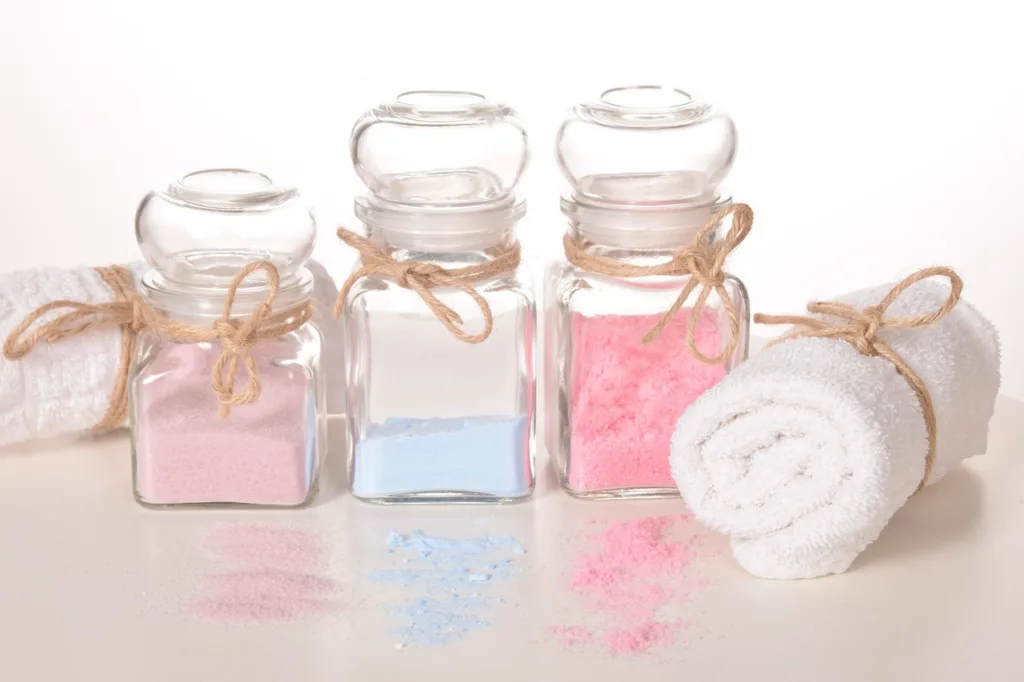
As a chef, my expertise is built on understanding ingredients. Salt, in particular, is my most essential tool. But while most of my time is spent using it to season and preserve food, my knowledge of its properties extends beyond the kitchen. The process of making Himalayan pink salt bath soak is, at its core, an exercise in ingredient-pairing, much like crafting a perfect sauce. It’s about understanding composition, texture, and aroma to create a specific, beneficial experience.
You may be wondering why a food expert is guiding you on bath products. It’s simple: the best bath soaks use food-grade ingredients. Based on our analysis, the wellness community is realizing what chefs have always known—unrefined, mineral-rich ingredients are superior. The common mistake is treating all salts as equal. They are not. We are going to explore the craft of making a luxurious, effective, and safe Himalayan pink salt bath soak, starting from a culinary perspective.
The Expert’s Take: Why Himalayan Pink Salt for a Bath Soak?
Before we start the process of making Himalayan pink salt bath soak, we must understand our primary ingredient. In the culinary world, we choose salts for their specific texture, flavor, and mineral content. The same logic applies here.
Himalayan Pink Salt vs. Epsom Salt: The Critical Difference
This is the most common point of confusion.
- Epsom Salt is not actually “salt” in the culinary sense. It is magnesium sulfate. Its primary benefit is delivering magnesium, which is excellent for soothing sore muscles.
- Himalayan Pink Salt is sodium chloride (like table salt) but is unrefined and contains a wealth of trace minerals. Its signature pink color comes from iron oxide, but it also contains trace amounts of magnesium, potassium, and calcium.
The practice of using pink salt is therefore not just about soothing muscles (though it helps) but also about providing a gentle, mineral-rich environment for your skin. From my expert analysis, the two are not interchangeable; they serve different primary purposes. For a truly luxurious soak, many, including myself, prefer to use a blend of both.
Why Unrefined is Better
In my kitchens, I avoid processed table salt. It’s harsh, one-dimensional, and stripped of its character. It’s treated with anti-caking agents and often bleached. Unrefined pink salt, by contrast, is harvested and minimally processed, leaving its mineral complexity intact. When you are soaking your entire body in a solution, the practice of using a pure, unadulterated ingredient is paramount. You are creating a “brine” for your body, and as any chef knows, the quality of the brine dictates the final product.
Chef’s Quick Guide to Bath Salts
- Himalayan Pink Salt: Primarily sodium chloride, rich in trace minerals. Creates a “sea water” like, restorative bath.
- Epsom Salt: Magnesium sulfate. Targeted for muscle aches and soreness.
- Table Salt (Iodized): Processed sodium chloride. Avoid for baths; it’s harsh and lacks beneficial minerals.
- Expert Tip: The best soaks often use a 50/50 blend of Pink Salt and Epsom Salt to get the benefits of both.
A Chef’s “Mise en Place” for Making Himalayan Pink Salt Bath Soak
In cooking, “Mise en Place” (pronounced *meez-on-plahs*) is the French term for “everything in its place.” It’s the process of gathering and preparing all your ingredients before you start cooking. This philosophy is the secret to a flawless, stress-free process when making Himalayan pink salt bath soak.
Your Ingredient Checklist:
1. The Base: The Salt (The Star of the Show)
- Coarse Himalayan Pink Salt (Approx. 2 cups): I recommend coarse-ground. It has a beautiful, crystalline appearance, it dissolves more slowly and evenly in the bath, and it looks stunning in the jar. Fine-ground works, but it can clump more easily with oils and lacks that rustic, spa-like aesthetic.
2. The Aromatics: Essential Oils (The “Seasoning”)
This is where you control the “flavor” or “profile” of your soak. Choose high-quality, pure essential oils, not synthetic “fragrance oils” which can irritate the skin.
- For Relaxation: Lavender, Chamomile, Ylang-Ylang
- For Energizing: Peppermint, Eucalyptus, Lemon, Sweet Orange
- For Grounding: Frankincense, Sandalwood, Cedarwood
3. The “Fat”: A Carrier Oil (The Emulsifier)
This is the most critical, chef-level step that 90% of online recipes get wrong. Never add essential oils directly to dry salt or your bath water. Oil and water don’t mix. The essential oil will float on top of the water in concentrated, skin-scorching droplets. You MUST dilute it first in a carrier oil.
- Jojoba Oil (1-2 tablespoons): My top choice. It’s technically a liquid wax, has a very long shelf life, and most closely mimics the skin’s natural sebum.
- Fractionated Coconut Oil (1-2 tablespoons): Stays liquid at room temperature and is deeply moisturizing.
- Sweet Almond Oil or Grapeseed Oil: Other excellent, lightweight options.
4. The “Garnish”: Dried Botanicals (Optional, for Visuals)
In plating, we eat with our eyes first. Adding botanicals makes your jar look professional and luxurious.
- Dried Lavender Buds
- Dried Rose Petals
- Dried Chamomile Flowers
- Dried Calendula Petals
A word of warning: A little goes a long way. Too many botanicals can create a mess in the tub and clog your drain. Consider enclosing your soak in a small muslin bag before use if you add a lot of botanicals.
5. The “Vessel”: Storage
- An airtight glass jar with a good seal. A Bale jar or a Mason jar is perfect.
5 Easy Steps for Making Himalayan Pink Salt Bath Soak
Now that our “mise en place” is complete, let’s execute the recipe. This is fast and simple.
Step 1. Prepare Your Dry Base
In a large, clean, dry glass or metal bowl, add your 2 cups of coarse Himalayan pink salt. If you are using dried botanicals (like rose petals or lavender buds), add them now (about 1/4 cup). Stir to combine the dry ingredients thoroughly.
Step 2. Create Your Aromatic “Emulsion” (The Chef’s Trick)
This is the most important step for safety and effectiveness. In a separate, small bowl, pour your 1-2 tablespoons of carrier oil (e.g., Jojoba oil). Now, add your essential oils directly *into* the carrier oil. A good starting point is 20-30 drops of essential oil total (e.g., 20 drops of lavender, or 10 drops of lavender and 10 of eucalyptus). Whisk this oil mixture together. You have now safely diluted your essential oils.
Step 3. Combine Wet and Dry Ingredients
Slowly drizzle your aromatic oil blend over the salt mixture in the large bowl. Do not dump it all in one spot. Drizzle as you stir. Use a wooden spoon or your hands (you can wear gloves) to work the oil into the salt. You are “massaging” the salt. Your goal is to coat every crystal evenly. The salt should look slightly damp and smell fragrant, but it should lnot be “wet” or “clumpy.”
Step 4. Store Your Finished Bath Soak
Once everything is perfectly combined, transfer your finished bath soak into your airtight glass jar. Seal it tightly. Store it in a cool, dry place away from direct sunlight. The salt is a natural preservative, and the Jojoba oil is very stable, so this will last for many months.
Step 5. How to Properly Use Your Creation (The “Plating”)
Creating the soak is only half the process. Using it correctly is the final step.
- Start filling your tub with warm water—not scalding hot. The practice of using overly hot water can be dehydrating.
- Add your desired amount of bath soak (a good starting point is 1/2 cup) under the running tap. This helps it dissolve and disperses the oils and aroma into the steam.
- Soak for 15-20 minutes. This is the optimal time to absorb the minerals and enjoy the aromatherapy without over-drying your skin.
- The Rinse Debate: Some experts recommend rinsing off in a quick, cool shower to remove the salt. I personally find that if you use the correct amount, simply patting your skin dry with a towel is preferable, as it leaves a very light, moisturizing layer from the carrier oil.
Common Mistakes When Making a Pink Salt Bath Soak (My Analysis)
As an expert, I see many common mistakes in DIY recipes. They are the same kinds of mistakes people make in the kitchen—a lack of respect for the ingredients.
- Mistake 1: Skipping the Carrier Oil. I must repeat this. Adding pure essential oil droplets to your bath is a recipe for skin irritation. They will float on top and cling to your skin in concentrated “hot spots.” This is the most dangerous and common error.
- Mistake 2: Using “Fragrance Oil.” “Fragrance Oil” (often labeled “FO”) and “Essential Oil” (EO) are not the same. FOs are synthetic, created in a lab. EOs are steam-distilled from the actual plant. For a truly therapeutic, spa-quality soak, you must use 100% pure essential oils.
- Mistake 3: Using Iodized Table Salt. As discussed, this is a harsh, processed ingredient. It lacks the mineral benefits and contains anti-caking agents like calcium silicate. It will make your bath feel sterile and stripping, not restorative.
- Mistake 4: Using Too Much. More is not better. A massive amount of salt in your bath can be drying to the skin and hair. A 1/2 cup to 1 cup is plenty for a standard tub.
The Culinary Heart of Pink Salt (It’s a Food First)
While making Himalayan pink salt bath soak is a wonderful project, we must remember the primary home for this ingredient is the kitchen. As a chef, I rely on it daily. Its hard, crystalline structure makes it the perfect “finishing salt”—a salt you sprinkle on food *after* cooking to add a final burst of salinity and a delightful, crunchy texture.
If you’ve invested in a bag of high-quality pink salt for your baths, I implore you to bring it to your dining table. This is where 11 Himalayan pink salt cooking tricks and recipes can transform your meals. A pinch of it on a sliced avocado, a seared steak, or even a chocolate brownie can elevate the entire dish.
In professional cooking, salt is the foundation of all flavor. It’s not just about making things “salty”; it’s about balance. Salt suppresses bitterness, enhances sweetness, and brightens all other flavors. This principle is the key to mastering stocks and sauces. A stock without salt is just flat, savory water. A stock with the *right* salt becomes a complex, dynamic base for countless dishes.
This philosophy extends to all cuisines. When you are mastering authentic Chinese food, salt is used to balance the “five flavors.” It’s critical in the only stir-fry sauce recipe you will ever need to counter the sweetness of hoisin or the sourness of vinegar. When mastering European classics, salt is used in layers—in the brine, in the cooking process, and as a final finish. It’s even a key component for preserving and adding depth to condiments, as you’ll find in this ultimate guide to making chili oil.
So, as you enjoy your bath soak, remember the culinary power of the ingredient you’re using. It’s a bridge between your kitchen and your well-being.
The Real Benefits of a Mineral Bath (The Science)
Finally, let’s be clear about what this soak does. The term “detox” is a marketing buzzword. Based on our analysis, there is little scientific evidence that a salt bath “pulls toxins” from your body. Your liver and kidneys are your body’s detox powerhouses.
So, what *are* the benefits? They are real, just different.
- Aromatherapy & Relaxation: The primary benefit. The steam carries the essential oils, which can have a profound effect on your mood and stress levels.
- Mineral Absorption: Your skin can absorb minerals from the water. While the science is still developing on how *much* is absorbed, the practice of “balneotherapy” (mineral bathing) is ancient. Many people find it soothes and softens the skin.
- Soothing Sensation: The warm, salty water creates a comforting, slightly buoyant environment that can ease the feeling of heavy or tired limbs.
The practice of bathing in mineral-rich water is recognized for its therapeutic and relaxation benefits. In fact, research from health authorities like the Cleveland Clinic highlights how salt baths can reduce stress, soothe skin, and help with muscle relaxation. This is the true, expert-backed benefit you are creating—a ritual of comfort and peace, not a magical “detox.”
By making Himalayan pink salt bath soak yourself, you control the quality, you avoid synthetic chemicals, and you connect with the ingredients—a practice any chef would be proud of.
Frequently Asked Questions (FAQ)
1. How much Himalayan pink salt should I use for a bath soak?
A good starting point is 1/2 cup to 1 cup of your homemade salt soak mix for a standard-sized bathtub. If you are using pure salt without oils, the same amount applies. Using too much can be drying to the skin.
2. What is the difference between pink salt and Epsom salt for a bath?
Epsom salt is magnesium sulfate, which is primarily used to soothe sore muscles. Himalayan pink salt is sodium chloride with trace minerals (like iron and potassium), which is more for a restorative, skin-softening, “sea water” like soak. The practice of blending them 50/50 is ideal.
3. Can I use regular table salt when making a bath soak?
It is not recommended. Regular iodized table salt has been processed, stripped of its natural minerals, and often contains anti-caking agents. It will not provide the same therapeutic or mineral benefits and can be harsh on the skin.
4. Will making a Himalayan pink salt bath soak really detox my body?
The term “detox” is misleading. Your liver and kidneys are your body’s primary detoxification organs. A pink salt bath does not “pull toxins.” Its benefits are related to relaxation, aromatherapy, muscle soothing, and skin softening from the minerals.
5. How long does a homemade Himalayan pink salt bath soak last?
Because salt is a natural preservative, your soak can last for a very long time (6-12 months or more) as long as it’s stored in a truly airtight container in a cool, dry place. The biggest risk is moisture getting in, which can dissolve the salt and spoil the botanicals.

