5 Reasons Your Chili Oil Isn’t Red or Fragrant: A Chef’s Fix
Introduction: The Art of Chili Oil
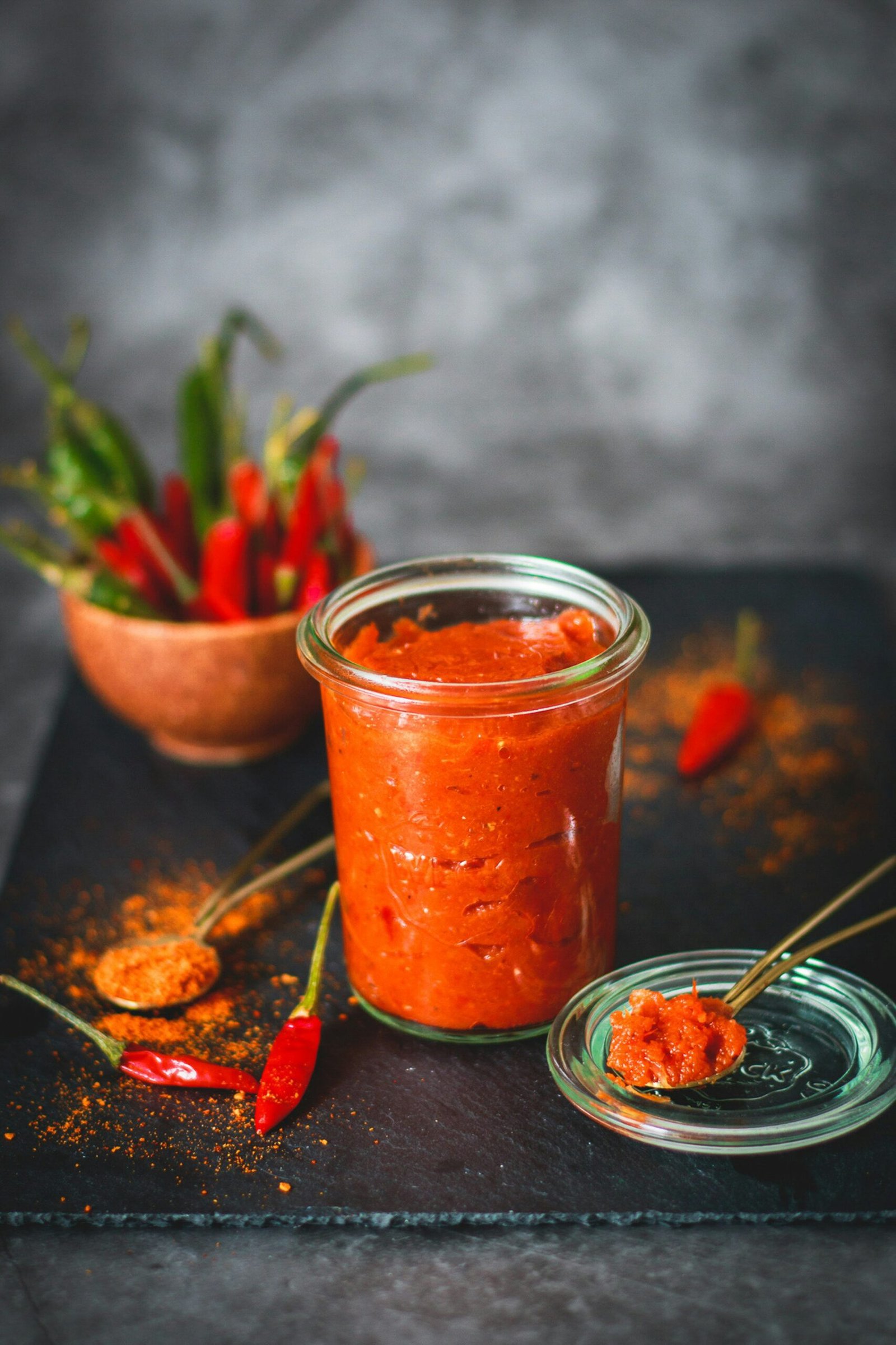
Chili oil occupies a prominent place in culinary practices across various cultures, serving as both a flavor enhancer and a vital component of many dishes. Its vibrant red color and rich, aromatic scent are not only appealing but also contribute to the overall sensory experience of a meal. Traditionally, chili oil is made by infusing oil with various types of dried chili peppers, resulting in a product that adds depth and complexity to a wide array of recipes. From Asian stir-fries to Italian pasta dishes, the application of chili oil as a condiment is cherished by chefs and home cooks alike.
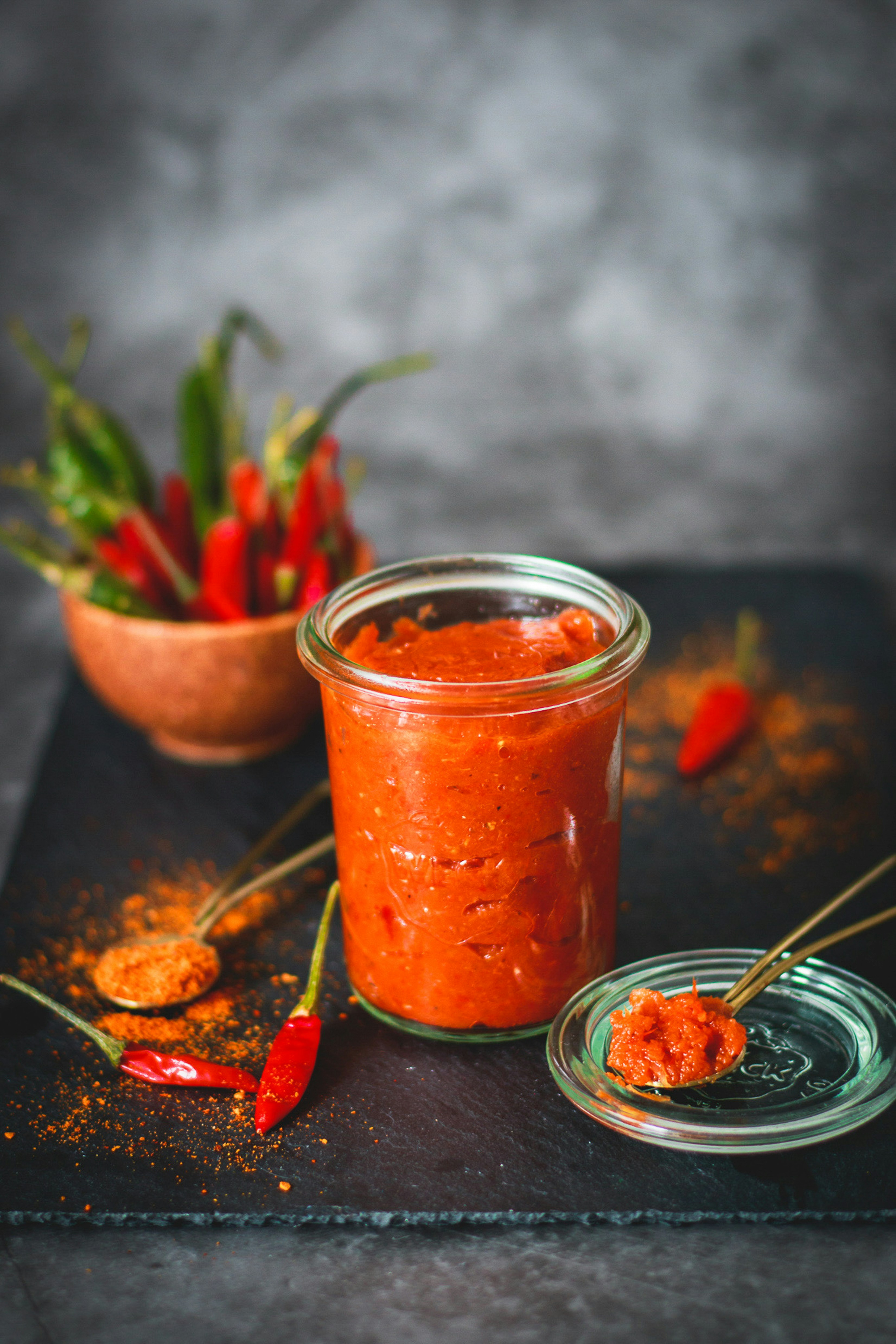
The vibrant hue and fragrant profile of chili oil are crucial indicators of its quality and potency. A well-prepared chili oil features a brilliant red coloration, indicative of the quality of the chili peppers used, and an aroma that tantalizes the taste buds. Various factors, including the choice of oil, the type of chili, and the infusion process, play a significant role in achieving that perfect balance of color and fragrance. Understanding these elements is essential for anyone looking to replicate or enhance their chili oil experience.
However, despite the popularity of chili oil, many individuals encounter hurdles in producing their ideal batch. Whether it be a dull, lackluster color or a disappointing lack of aroma, these challenges can stem from ingredient quality, preparation methods, or ratios. By dissecting these common issues and providing useful insights, this blog post aims to equip readers with the knowledge needed to perfect their homemade chili oil, ensuring their dishes are not only flavorful but also visually enticing.
Mistake 1: Your Oil Was Too Hot
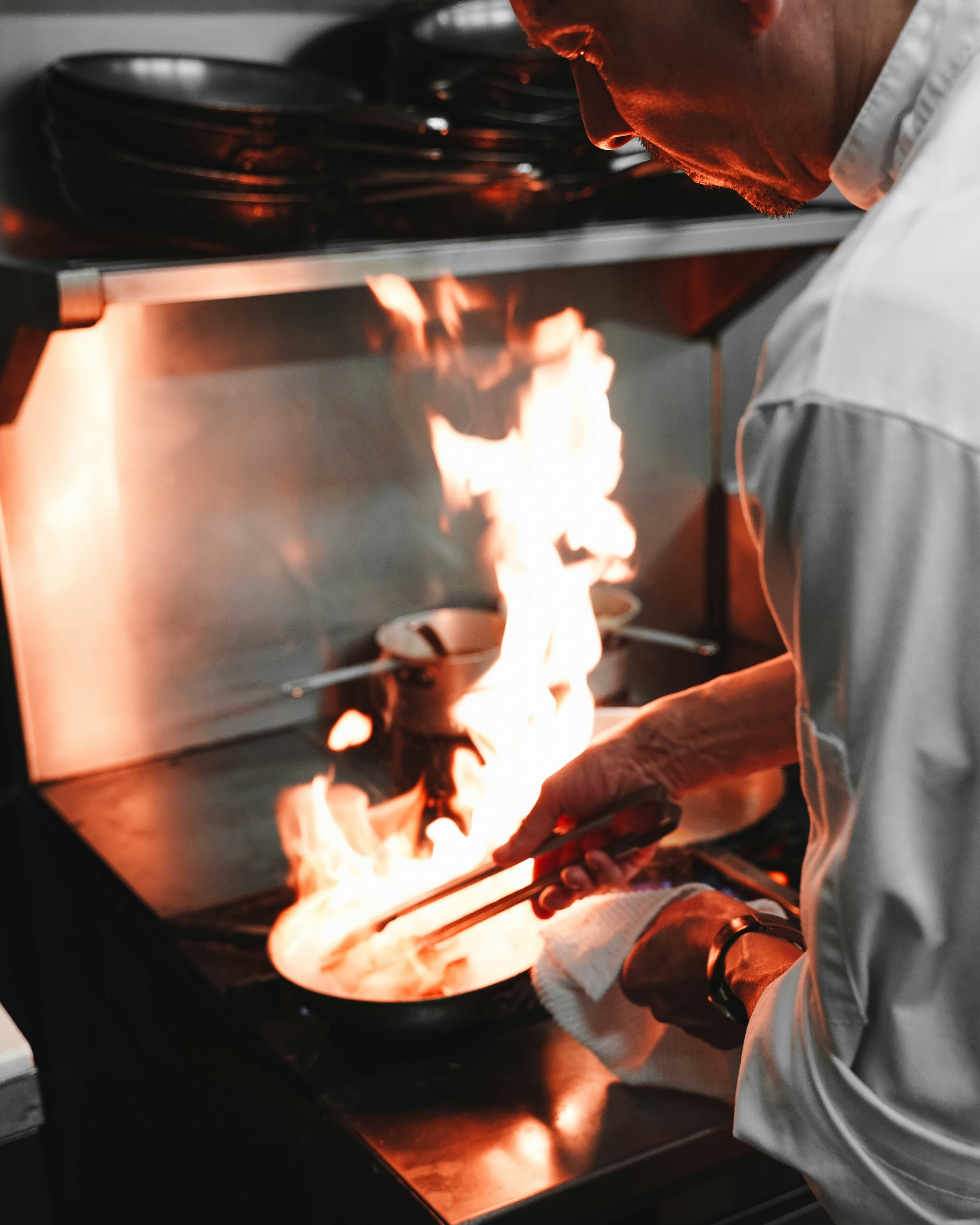
One of the most common reasons for disappointing chili oil is overheating the oil during the infusion process. When oil is heated beyond the optimal temperature range, it can impart a burnt taste to the infused oil, overshadowing the natural flavors of the chilis. Additionally, excessive heat can prevent the chilis from effectively releasing their vibrant colors and aromatic compounds, resulting in a dull, lackluster product.
The ideal temperature for infusing chili oil typically ranges between 250°F to 300°F (about 120°C to 150°C). Maintaining this temperature allows the flavors of the chilis to meld harmoniously with the oil while avoiding any adverse effects associated with overheating. To ensure you are within the appropriate range, it is advisable to use a reliable thermometer specifically designed for cooking. This can provide an accurate reading, allowing you to control the infusion process meticulously.
If you find that your oil has already been overheated, there may still be ways to salvage the batch. One method is to cool the oil down quickly by removing it from the heat source and letting it sit for a while. Subsequently, you can introduce fresh chilis, preferably at room temperature, to the cooled oil, allowing them to infuse some of their flavor and color into the mixture. However, be mindful that this may not fully restore the desired characteristics of your chili oil, particularly if the oil has developed a burnt taste.
By paying attention to the temperature during the infusion process, you can create a chili oil that is both vibrant and aromatic, enhancing your culinary creations rather than detracting from them.
Mistake 2: You Used the Wrong Chilies
When it comes to creating a vibrant and aromatic chili oil, one of the most critical factors is the selection of chilies. Not all chilies possess the same characteristics; their heat levels, flavors, and colors can vary dramatically, influencing the final product significantly. A chef’s choice of chilies not only affects the oil’s redness but also its fragrance. Typically, the vibrant red hues associated with chili oils come from varieties that have higher amounts of carotenoids, such as Kashmiri or Red Serrano chilies. These particular chilies are known for their bright color and relatively mild heat, making them an ideal choice for yielding appealing visual results without overwhelming the palate.
Conversely, using chilies that are smoky or excessively piquant, like Chipotle or Habanero, can yield an oil that might be darker and less fragrant. While these chilies bring their unique charm to recipes, they may lack the vibrant color one might expect from chili oil. Moreover, the flavors presented by these chilies can overshadow the subtleties one often seeks in a well-balanced oil. For those aiming for rich and fragrant chili oil, a blend of different types is a strategy worth considering. This method enables the creator to balance the heat and flavors, ensuring a more complex profile that showcases each chili’s unique attributes. Mixing varieties such as dried Thai chilies for heat with sweeter counterparts can yield a pleasantly layered flavor, enhancing both the aroma and color of the oil.
In summary, understanding the characteristics of various chilies and selecting the right types for chili oil is crucial for achieving the desired results. By carefully considering the heat, flavor, and color of your chosen chilies, you can create a chili oil that is both visually appealing and richly fragrant.
Mistake 3: Insufficient Infusion Time
Infusion time is a critical element in the art of making chili oil, as it directly affects both flavor and color. When chilies are not allowed to steep in the oil for an adequate duration, the result can be a dull and uninspiring product. The key to achieving a vibrant red hue as well as a robust aromatic profile lies in giving the chilies the time they need to impart their essence into the oil.
In general, the optimal infusion time varies based on the technique employed—cold or hot infusion. For cold infusion, wherein dried chilies are combined with oil at lower temperatures, it is advisable to allow the mixture to steep for at least one to two weeks. This extended period facilitates a gradual extraction of flavors and colors from the chilies. During this time, it is essential to store the bottle in a cool, dark place, occasionally giving it a gentle shake to promote even infusion.
On the other hand, hot infusion provides a quicker method for flavor development, yet it requires keen attention to temperature and timing. For this method, gently heating the oil with the chilies can accelerate the infusion process. Typically, infusing for about 30 minutes to an hour is sufficient to achieve noticeable results. However, care must be taken not to overheat, as extreme temperatures can lead to the burning of the chilies, which would compromise the flavor.
To ascertain whether the oil has reached its peak flavor profile, observe its color and aroma. A deep red color, accompanied by a rich, fragrant smell, indicates that the infusion has succeeded. Avoid rushing this essential step, as proper infusion time is fundamental in creating a high-quality chili oil that complements your culinary endeavors.
Mistake 4: Not Using Enough Chilies
One of the crucial elements in crafting a vibrant and aromatic chili oil is the sufficient use of chilies. Using an inadequate quantity of chilies not only diminishes the flavor but also results in a less alluring color. A typical recommended ratio for chili oil is often around 1 part dried chilies to 2 parts oil, though this may vary depending on the desired intensity of flavor and heat. This balance is essential in ensuring that the oil absorbs the chili’s natural colors and aromas, ultimately enriching the final product.
When preparing chili oil, it is imperative to understand that the amount of chilies used directly correlates with both the color and fragrance of the oil. With insufficient chilies, the oil may appear pale or lack the characteristic reddish hue associated with high-quality chili oil. Similarly, a reduced quantity of chili can lead to a bland oil, which fails to deliver the expected punch of flavor. This can be particularly disappointing for those who anticipate a robust culinary experience.
If you have already made chili oil without using enough chilies, there are methods to rectify this. Adding more dried chilies or even incorporating fresh chilies during the infusion process can enhance both the aroma and color. Another tip to consider is to blend the chilies to release more fragrant oils before infusing them into the oil. This technique can result in a more intense flavor concentration. Furthermore, ensuring that the chilies are of good quality will significantly impact the final outcome; higher-grade chilies often provide richer flavors and vibrant colors.
By adjusting the quantity of chilies in your recipe and exploring different types, you can create a chili oil that embodies the zest and vibrancy essential to this popular condiment.
Mistake 5: Poor Quality Oil
When preparing chili oil, the quality of the oil used plays a critical role in determining the final color and aroma of the product. High-quality oils are essential in infusing and enhancing the flavors of the spices and chilies. Unfortunately, many home cooks often overlook this aspect, opting for low-quality or refined oils that can significantly diminish the desired outcome. Such oils tend to lack the richness and depth of flavor necessary for an exceptional chili oil, resulting in a lackluster final product.
To achieve a vibrant red hue and a fragrant aroma, it is recommended to choose oils that are cold-pressed and unrefined. These types of oils retain more of the natural flavors and nutrients that are crucial for effective chili oil infusions. For instance, high-quality olive oil, sesame oil, or even grapeseed oil can serve as excellent bases due to their ability to complement the boldness of chili peppers. Each of these oils provides its unique flavor profile and aroma, enhancing the overall sensory experience of your chili oil.
Conversely, low-quality refined oils often have a neutral taste and carry with them a lack of aroma, hindering the infusion process. These oils may also contain additives or preservatives that could compromise the purity of the infusion. To test the quality of your chosen oil, consider its origin; higher-quality oils often provide information about their production methods and sources. Additionally, sensory evaluation—such as smelling the oil before use—can also indicate its freshness and quality. Ultimately, investing time and resources into selecting premium oil will yield significantly better results when crafting fragrant and visually appealing chili oil.
Frequently Asked Questions (FAQ)
Chili oil has become a popular condiment in many kitchens around the world, but often, questions arise regarding its preparation, storage, and enhancement. Here, we address some common inquiries that can help you achieve the perfect chili oil and troubleshoot any issues you may face.
What is the shelf life of homemade chili oil?
Homemade chili oil can last for several months when stored properly. It is advisable to keep it in a cool, dark place, away from direct sunlight. An airtight container, such as a glass jar or a bottle with a tight-sealing cap, will help to maintain its freshness. However, be vigilant for any signs of spoilage, such as an off smell or changes in appearance.
How should I store chili oil?
To maximize the shelf life of your chili oil, store it in a pantry or cabinet at room temperature. If you live in a particularly hot climate, refrigerating the oil may be more suitable to help prolong its lifespan. Additionally, avoid introducing moisture or contaminants into the oil, as this can lead to faster degradation.
Can I adjust the spice level of my chili oil after making it?
Yes, you can easily modify the spice level of your chili oil even after it is made. If you desire a spicier oil, consider infusing it with additional dried chili flakes or whole chilies. Allow the oil to sit for a while to meld the flavors before using it again. Conversely, if the oil is too spicy, you can dilute it with some neutral oil to temper the heat.
How can I enhance the flavor of my chili oil?
To give your chili oil an extra layer of flavor, think about incorporating additional ingredients during the infusion process. Garlic, shallots, and herbs like thyme or oregano can enhance flavor profiles. Additionally, toasted sesame seeds or star anise can also add interesting nuances to the oil.
This FAQ section aims to clarify common questions and provide the guidance needed for successful chili oil preparation. By understanding these elements, you’ll be able to customize and enjoy your chili oil to its fullest potential.