7 Pro Himalayan Salt Block Cleaning Tricks You Need
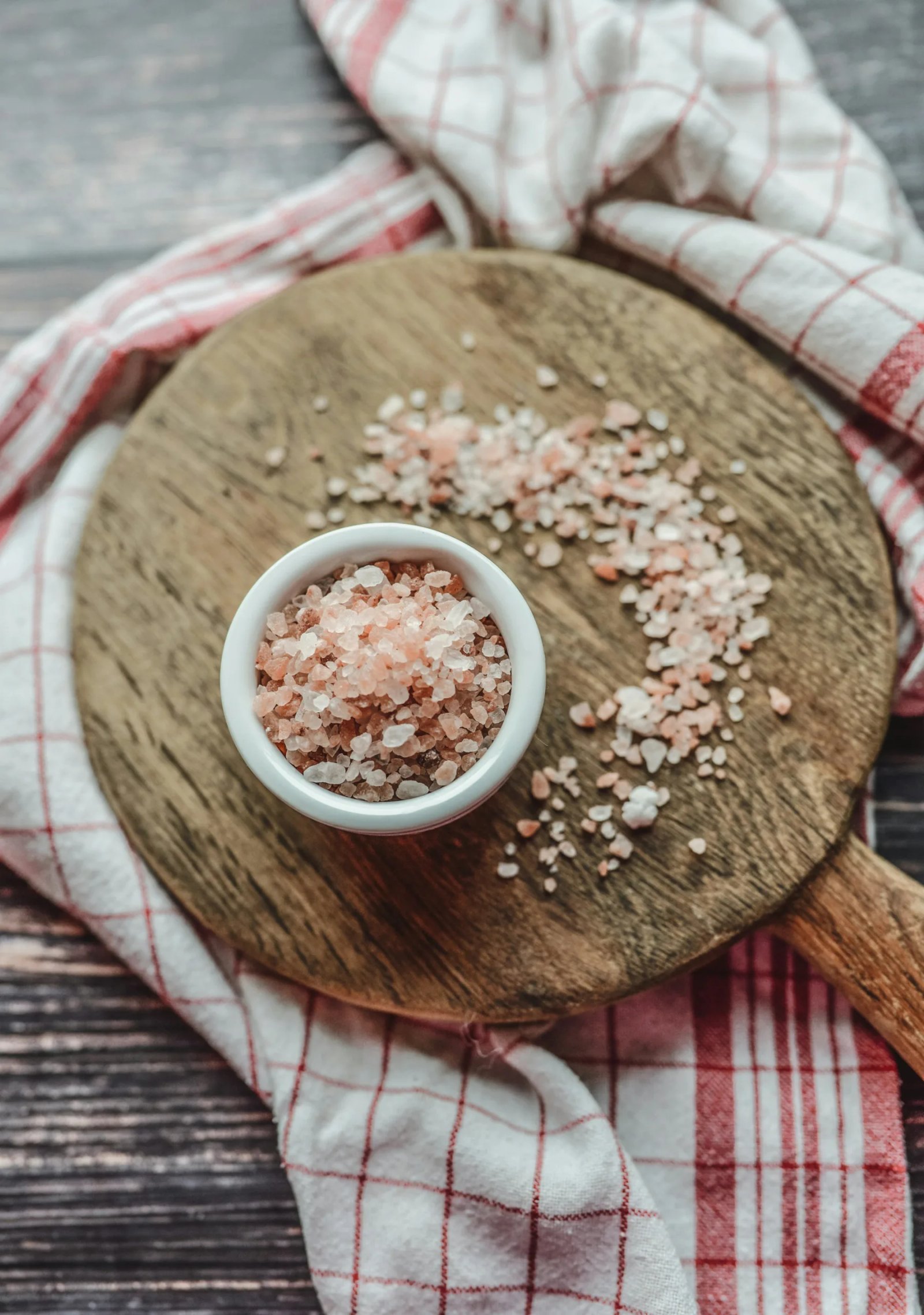
A Himalayan salt block is a prized possession in any serious kitchen. It imparts a delicate, complex salinity to food that simple table salt cannot replicate. However, many new owners are terrified of cleaning it, and rightfully so. Using the wrong method can dissolve, pit, or even crack your expensive block. Therefore, mastering the right Himalayan salt block cleaning tricks is not just about hygiene; it’s about protecting your investment. Based on our extensive culinary experience, the entire process is counter-intuitive: you must use water sparingly and never, ever use soap.
This guide will walk you through the expert techniques, common mistakes, and the science behind proper salt block maintenance. Forget what you *think* you know about cleaning. This is the professional way.
Why Cleaning a Himalayan Salt Block is Fundamentally Different
Before we touch a single tool, we must understand the material. A Himalayan salt block is, quite simply, a massive crystal of salt. Salt is hygroscopic, which means it draws in moisture from its surroundings. This is the first clue. Secondly, salt is, by its very nature, water-soluble. These two properties dictate every cleaning rule.
A common mistake we often see is treating the block like a cast-iron skillet or a cutting board. It is neither. You cannot “season” it, and you absolutely cannot soak it. The core principle of cleaning a salt block is to remove food debris while introducing the absolute minimum amount of moisture possible, and then ensuring it is bone-dry before storing. The block’s high salinity and low porosity make it naturally antimicrobial, so vigorous sanitizing is not the primary goal. Preservation is.
The Only 3 Tools You Need for Proper Salt Block Cleaning
You do not need special, expensive cleaners. In fact, they are detrimental. Based on our analysis of countless cleaning methods, your arsenal should be simple and effective:
- A Rigid Scraper: A metal spatula or a dedicated plastic block scraper is non-negotiable. This will do 90% of the work.
- A Scouring Pad or Sponge: Use a sponge with a gentle abrasive side. Avoid steel wool, as it can flake off and rust, leaving metallic traces.
- Lint-Free Cloths: You will need one cloth for a quick, damp wipe-down and a second, perfectly dry cloth for immediate drying.
7 Expert Himalayan Salt Block Cleaning Tricks
Here are the proven, professional tricks for cleaning a salt block, from daily maintenance to deep recovery. The right technique depends on what you just cooked.
Trick 1: The “Hot Scrape and Wipe” (For Routine Use)
This is your primary method. The best practice is to clean the block while it is still warm, but not sizzling hot. Let it cool for about 15-20 minutes after cooking.
First, use your rigid scraper to forcefully scrape off any food bits and glazed-on juices. Angle the scraper at 45 degrees and use firm pressure. Because the block is warm, most debris will lift off easily. Afterward, take a barely damp cloth (wring it out completely) and wipe the surface quickly to remove fine residue. Immediately follow this with your bone-dry cloth to absorb all surface moisture. This entire process should take less than a minute.
Trick 2: The Targeted “Warm Water Spot Clean” (For Stuck-On Messes)
What if you cooked something with a sticky glaze, like a fantastic stir-fry sauce? This residue can essentially caramelize and weld itself to the block. For this, scraping alone won’t work.
Take your abrasive sponge, get it wet with warm water, and then wring it out until it’s just damp. Do not apply water directly to the block. Scrub the affected spot in a tight, circular motion. The moisture, combined with the abrasive pad, will dissolve the stuck-on food. Once the spot is clear, immediately dry the entire block with your dry cloth. The less time water is on the surface, the better.
Trick 3: The “Lemon Juice Neutralizer” (For Fish and Strong Odors)
Cooked fish or pungent garlic on your block? Sometimes, a faint aroma can linger. A simple acidic trick solves this. After scraping and wiping (Trick 1), wipe the block with a cloth dampened with fresh lemon juice. Let it sit for 30 seconds, then wipe it clean with a different damp cloth (water only) to remove the lemon. Finally, dry it completely. The acid neutralizes the alkaline compounds responsible for many strong food odors, leaving your block fresh for its next use.
Trick 4: The “Dry Salt Scrub” (For Stubborn Residue)
This technique feels redundant, but it’s incredibly effective. If you have a patch of grime that won’t budge with a damp sponge, pour a small amount of coarse kosher salt (or even regular table salt) onto the spot. Then, use your damp scouring pad to scrub the spot using the added salt as an abrasive. This trick for cleaning a Himalayan salt block uses salt’s own crystalline structure to shear off debris without introducing excess water.
Trick 5: The “Full Block Resurfacing” (The Deep Clean)
Over time, perhaps after dozens of uses, your block may develop small pits, high spots, or a generally uneven texture. You can restore its original smooth finish. This is an advanced trick for total salt block maintenance.
Ensure the block is 100% dry. Take a medium-grit (around 120) piece of sandpaper or a very fine sanding block. Gently sand the cooking surface in long, even strokes. You will see a fine pink salt dust form. This process removes the top micro-layer, revealing a fresh, pristine surface underneath. Wipe away all dust with a dry cloth. Do not use water after this.
Trick 6: The “Oil Residue Hack” (For Fatty Foods)
Fat and oil are tricky. They don’t dissolve in water, and they can leave a slick residue. This is common after cooking fatty steaks or using marinades. The key here is temperature. Let the block cool completely. Oil is easier to remove when it’s cool and more viscous. Use your scraper to remove any solid bits. Then, use a damp, warm sponge with a *tiny* bit of lemon juice (as in Trick 3) to cut through the grease. The quick application of a warm, acidic solution will emulsify the fat just enough to be wiped away. Dry immediately and thoroughly.
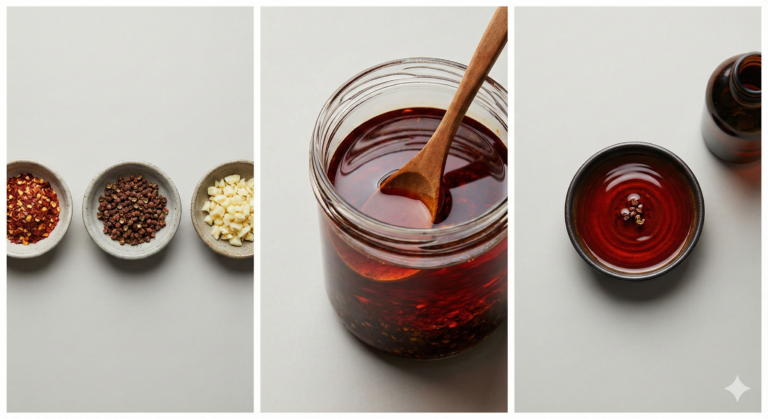
This principle of managing oils in the kitchen is fundamental. For instance, creating a perfectly balanced homemade chili oil is all about temperature control and infusion, just as cleaning oil off salt is about temperature and emulsification.
Trick 7: The “Sunlight Sanitize” (Optional Pre-Storage Step)
While the block is naturally antimicrobial, if you live in a humid environment, you might worry about long-term storage. After cleaning and thoroughly air-drying for at least 24 hours, place the block in direct sunlight for a few hours. The dry heat and UV light are excellent, natural sanitizers that will drive out any deep, residual moisture before you store it.
Key Takeaways: The 3 “Nevers” of Salt Block Cleaning
- NEVER use soap or detergent. It will absorb into the block and ruin the flavor of your food.
- NEVER soak the block or run it under a faucet. It will dissolve and disappear.
- NEVER put it in a dishwasher. This is a fatal error and will destroy it in one cycle.
The 5 Deadly Sins: Common Mistakes That Will Destroy Your Salt Block
As a chef, I’ve seen beautiful, expensive salt blocks ruined by well-intentioned but completely wrong cleaning methods. Avoid these fatal mistakes.
Mistake 1: Soaking the Block “Just for a Minute”
There is no “just for a minute.” A Himalayan salt block is solid salt. When submerged in water, it begins to dissolve immediately. You are literally washing your investment down the drain. This is the single most common mistake. As the experts at Food & Wine magazine note, even a quick rinse under a running faucet is highly discouraged as it removes far too much of the salt.
Mistake 2: Using Any Kind of Soap
The block is porous, like a very hard sponge. If you apply soap, it will soak into those microscopic fissures. You will never get it all out. The next time you heat the block, that soap will leach out into your food, imparting a horrible chemical taste. This mistake is irreversible.
Mistake 3: Cleaning a Sizzling-Hot Block with Cold Water
This is a law of physics. It’s called thermal shock. When you’re done searing scallops or mastering European classics on a 500°F block, adding cold or even cool water will cause it to crack instantly. The rapid, uneven contraction of the salt crystal is catastrophic. You must let it cool to a “warm” (touchable for a few seconds) state before *any* moisture is applied.
Mistake 4: Storing It While Even Slightly Damp
This is a slow killer. Salt draws moisture from the air. If you store it damp, it will never fully dry. It will just continue to pull in more humidity, and the block will slowly “sweat” itself into a puddle over weeks or months, or become pitted and weak. You must air-dry it in an open, dry area for at least 24 hours before storing it in a cabinet.
Mistake 5: Using Steel Wool
While a salt block is tough, it’s not metal. Steel wool is too abrasive and, more importantly, it sheds microscopic metal fibers. These fibers can get lodged in the block, rust, and contaminate your food. Stick to a standard kitchen scouring pad.
How a Clean Block Elevates Your Cooking
Properly cleaning your salt block is not just about longevity. It is about flavor integrity. A block that has caked-on, carbonized residue from a previous meal will impart a burnt, acrid taste to your new ingredients. You’ll muddle the pure, delicate flavor profiles you’re trying to build.
Think about it: you wouldn’t build a complex, beautiful broth by just mastering stocks and sauces in a dirty pot. You wouldn’t try mastering authentic Chinese food in a wok that has last night’s burnt garlic in it. The same principle applies here. A clean block provides a pure, consistent mineral-forward salinity. A dirty block provides a random, often unpleasant, smoky flavor. By keeping your block pristine, you honor the ingredients you cook on it.
Expert Answers to Your Salt Block Cleaning Questions
How often should I do a “deep clean” or resurface my salt block?
Based on our analysis, this is only necessary when the surface becomes visibly uneven, pitted, or has stubborn, built-up stains that don’t come off with a standard scrub. For most home cooks, this is rare—perhaps once or twice a year at most. Routine “scrape and wipe” cleaning is all you need 99% of the time.
Can I use steel wool if I’m very careful?
We strongly advise against it. The risk of microscopic metal fibers breaking off, embedding in the salt, and rusting is too high. This will contaminate your block and your food. A standard abrasive sponge or a plastic scouring pad is more than sufficient and much safer for salt block maintenance.
Help! My salt block looks cloudy or has white patches. Is it ruined?
No, this is very common. Cloudiness or white patches are usually just areas where a small amount of salt dissolved and then re-crystallized as it dried. This often happens after a “spot clean.” It is purely cosmetic and does not affect the block’s performance or safety. It will likely even out at the next heating.
Why did my salt block crack? I didn’t drop it!
The most common cause of cracking is thermal shock. This happens in two ways: 1) Heating the block too quickly (you must ramp up the temperature slowly over 30-45 minutes), or 2) Applying cool water to a hot block (as discussed in our “mistakes” section). Slow heating and slow cooling are essential.
What is the absolute best way to store a Himalayan salt block?
The best practice is to ensure it is 100% bone-dry. Air-dry it on a rack for at least 24 hours after any damp cleaning. Then, wrap it in a clean, dry towel and place it in a cupboard away from any sources of humidity (like a dishwasher or sink). Do not store it on a metal surface, as it can cause the metal to rust.
Ultimately, treating your Himalayan salt block with respect is the key. These cleaning tricks are designed to preserve its unique properties, ensuring it lasts for years and continues to be a conversation-starting, flavor-enhancing tool in your culinary arsenal. Protect it from its natural enemies—water and thermal shock—and it will reward you.