5 Secrets to a Classic Lemon Chicken Recipe (Crispy & Tangy!)
Last Updated on 2025-11-29 by Suryo
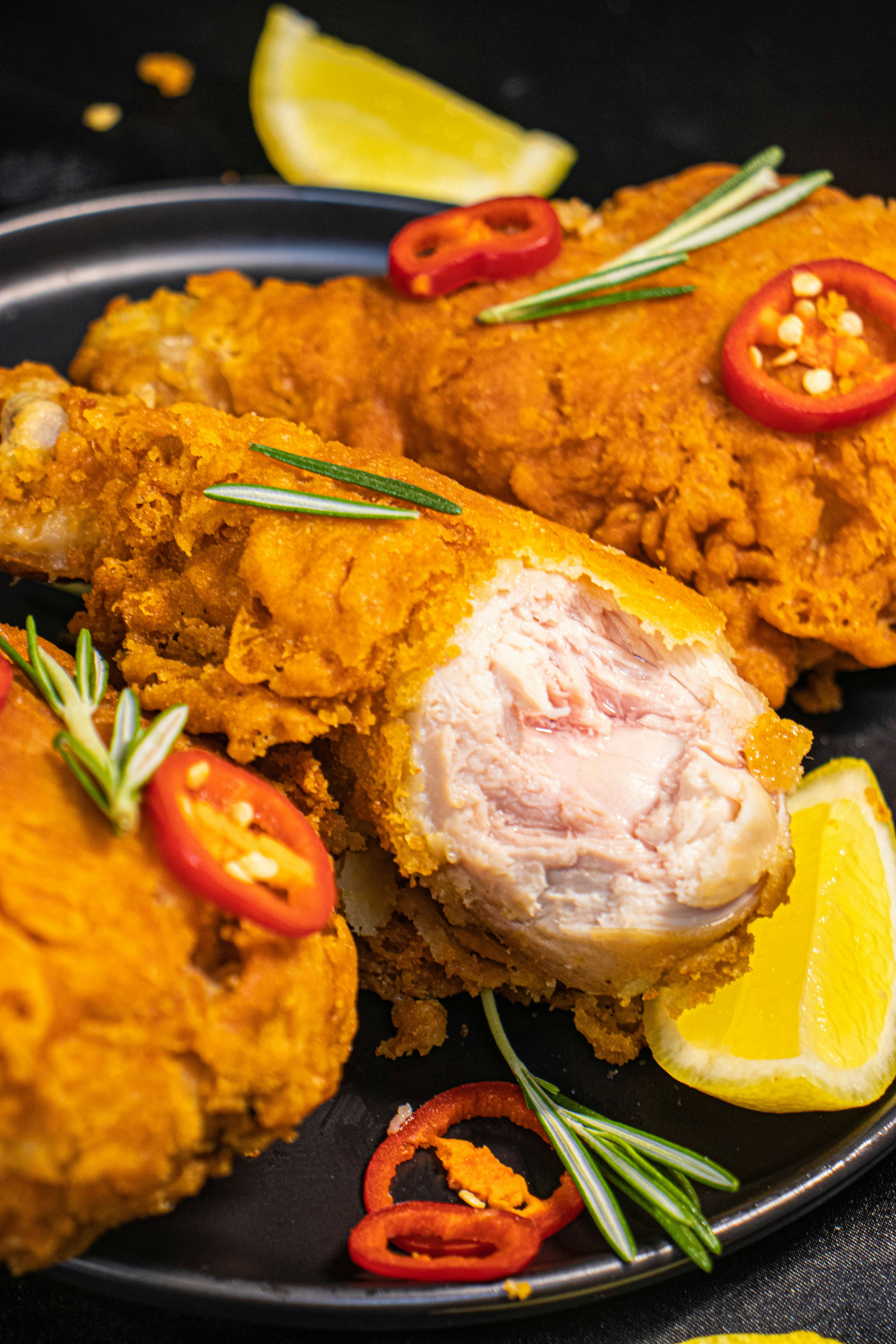
The Secret: The key to a superior Classic Lemon Chicken recipe is not just the citrus, but the “Dry-Wet-Dry” dredging method. Dip the chicken in seasoned cornstarch, then egg, and finally back into cornstarch. This creates a barrier that fries up shatteringly crisp and holds its crunch for minutes even after being doused in the sticky, sweet-tart glaze. Furthermore, using fresh lemon slices in the final reduction adds a bitter oil complexity that bottled juice simply cannot replicate.
There is a nostalgia attached to Lemon Chicken that few other dishes can claim. It brings to mind memories of family dinners at the local Chinese restaurant, spinning the Lazy Susan to get to that platter of golden-fried cutlets glistening under a bright yellow sauce. However, attempting this at home often leads to disappointment: a sauce that tastes like floor cleaner or a breading that turns into mush the second it touches the plate. The difference between a cloying, soggy mess and a vibrant, crunchy delight lies entirely in the technique.
A true Classic Lemon Chicken recipe is a study in contrasts. You want the sharp, acidic punch of fresh lemons to cut through the richness of the fried batter. It shouldn’t just be sweet; it should make your mouth water. If you have been struggling with lackluster versions, our guide to the most searched chicken lemon recipe offers some quick fixes, but today we are going to break down the mechanics of the perfect fry and the perfect sauce balance.
The Cut: Butterflying the Breast
Unlike Orange Chicken which uses chunks, classic Lemon Chicken is often served as sliced cutlets. The mistake most home cooks make is frying a whole, thick chicken breast. This results in the outside burning before the center is cooked, or the meat drying out completely.
You must butterfly the chicken breast or pound it to an even thickness of about half an inch. This ensures rapid, even cooking. By flattening the meat, you also increase the surface area for the breading, maximizing the crunch-to-meat ratio. This is essential for a Classic Lemon Chicken recipe that feels restaurant-quality.
The Batter: Cornstarch is King
If you are using heavy flour batter, stop immediately. The hallmark of Chinese-style fried chicken is a light, airy, and incredibly crispy coating that comes from cornstarch or potato starch. Flour creates a bread-like crust that absorbs sauce and gets soggy instantly.
The best method involves a light marinade (soy sauce and Shaoxing wine) followed by a dusting of pure cornstarch. This creates a micro-thin shell that shatters when you bite into it. It is lighter on the stomach and provides a cleaner texture that doesn’t feel greasy. For more on frying techniques, check out our insights in Crispy Chicken Recipe with a Perfect Crackling Skin.
The Sauce: Fresh vs. Artificial
The neon yellow sauce at cheap buffets is often made with food coloring and lemon extract. To elevate your Classic Lemon Chicken recipe, you must use real fruit. You need the juice for acidity and the zest for aroma.
The perfect sauce is a reduction of chicken stock, fresh lemon juice, sugar, and a hint of ginger. The ginger provides a warm, spicy background note that prevents the lemon from tasting one-dimensional. You want to thicken it with a cornstarch slurry just until it coats the back of a spoon—it should be a glaze, not a gelatinous blob.
The Pouring Strategy
This is where 90% of home cooks fail. You should never toss the chicken in the sauce inside the wok. This isn’t General Tso’s chicken. The delicate crust of a whole cutlet will disintegrate if tumbled around.
Instead, slice the crispy chicken first and arrange it on the serving platter. Then, pour the hot lemon glaze over the strips right at the table or immediately before serving. This keeps the bottom of the chicken crisp while the top gets the flavor. It is a small detail that dramatically affects the texture of your Classic Lemon Chicken recipe.
Garnishing for Texture
A yellow plate can look boring. Professional chefs garnish not just for color, but for texture and aroma. Thinly sliced green onions or toasted sesame seeds add a savory crunch that contrasts with the sweet sauce.
Some versions also include a bed of shredded lettuce underneath the chicken. The hot chicken wilts the lettuce slightly, and the leftover dressing acts as a vinaigrette for the greens. It turns a heavy fried dish into something that feels like a warm salad.
Conclusion: A Timeless Classic
Lemon Chicken doesn’t have to be a guilty pleasure. When made with fresh ingredients and proper frying technique, it is a bright, exciting dish that hits every taste bud. Master this Classic Lemon Chicken recipe, and you will have a dinner rotation staple that pleases both kids and adults.
Common Lemon Chicken Questions (FAQ)
- Why is my sauce bitter?
You might have left the lemon pith (the white part) in the sauce for too long, or you burned the lemon zest. Zest the lemon carefully, avoiding the white pith, to keep it fragrant but not bitter. - Can I use lime instead of lemon?
Yes, but it will taste different—more like Thai cuisine. Lemon has a sweeter, floral profile that is traditional for this Chinese dish. Lime is sharper and more aggressive. - How do I keep the chicken warm while making the sauce?
Place the fried chicken on a wire rack in a warm oven (200°F). Do not cover it with foil, or the steam will make the crust soggy. - Is food coloring necessary?
Absolutely not. A pinch of turmeric can add a natural yellow hue if you really want that “takeout look,” but the natural color of the lemon and caramelized sugar is beautiful on its own. - What implies that the oil is ready for frying?
Stick a wooden chopstick into the oil. If tiny bubbles form around the wood immediately, the oil is hot enough (approx 350°F). If it bubbles violently, it’s too hot.
![3 Sichuan Peppercorns Recipe Secrets to Master the Ma La Tingle [Pro Guide]](https://lezata.com/wp-content/uploads/2025/10/image-56-768x419.png "3 Sichuan Peppercorns Recipe Secrets to Master the Ma La Tingle [Pro Guide] 6")