5 Secrets Making Best Peanut Sauces Recipe Fast
Last Updated on 2025-11-07 by Suryo
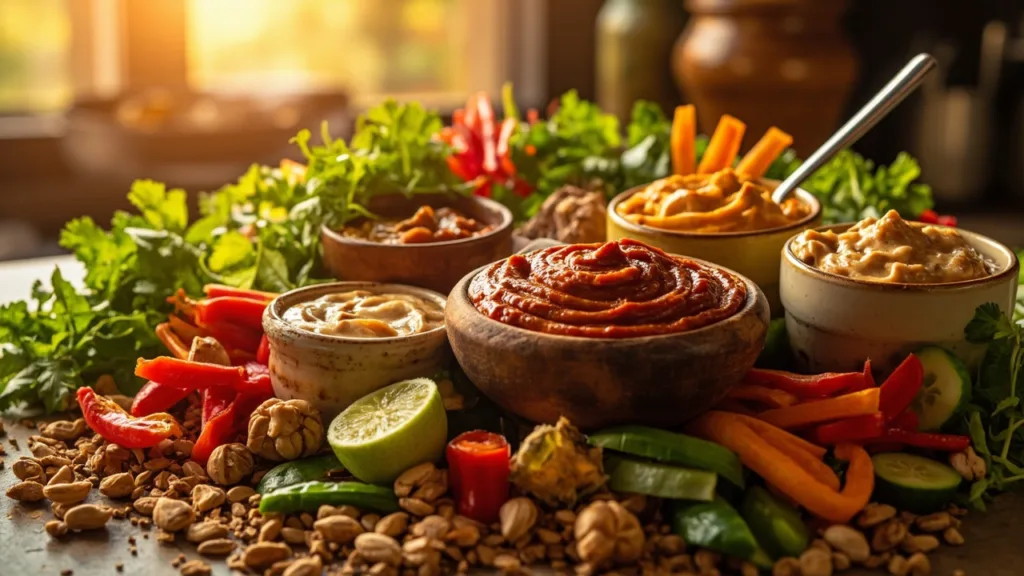
Okay, let’s talk about peanut sauce. We’ve all been there. You’re excited for spring rolls, you whip up a “peanut sauce” that’s basically just peanut butter and soy sauce, and you end up with a sad, sticky, one-note brown paste that could double as construction adhesive. It’s… not great. As a food expert who has eaten (and made) a lot of bad peanut sauce, I’m here to tell you it’s not your fault. You’ve been lied to. Making best peanut sauces recipe at home is incredibly easy, but it’s not just a two-ingredient affair.
This is your intervention. Put down that jar of gloopy store-bought stuff. This is the definitive guide to making the best peanut sauce of your life. It’s all about balance, aromatics, and one key secret to getting that perfect, creamy, drizzle-able consistency every single time. This is the only guide you’ll ever need. Let’s go.
The Great Peanut Sauce Conspiracy: Why is Yours… Meh?
The problem with 99% of peanut sauce recipes online is that they lie. They say “5-minute peanut sauce!” and just have you whisk peanut butter, soy, and water. The result? It tastes like… well, watery, salty peanut butter. It’s missing the soul of a good sauce. A homemade creamy peanut sauce shouldn’t be a chore, but it also shouldn’t be a sad shortcut.
Based on our analysis, the “meh” factor comes from a total lack of balance. Authentic peanut sauces, from Thai to Vietnamese to Indonesian bumbu kacang, are never just “peanutty.” They are a complex symphony of flavors. If your sauce is just one-note, it’s because you’re missing the other instruments. The best practice is to think of it as a four-part harmony.
Secret 1: Stop Thinking “Peanut.” Start Thinking “Balance.”
This is the most important secret. The peanut is just the bassline. It’s the creamy, fatty, nutty foundation. But it needs the rest of the band. Your sauce MUST have these four components to be good. This is the true foundation for making best peanut sauces recipe.
The “Holy Quad” of Flavor
- SALTY (Umami): This is your flavor base. Soy sauce is the classic. For a how to make Thai peanut sauce experience, a splash of fish sauce is a non-negotiable umami bomb. Trust me.
- SWEET: This balances the salt. Honey or maple syrup are great. For a more authentic flavor, palm sugar or brown sugar adds a deep, caramel note.
- SOUR: This cuts the richness. This is what makes the sauce bright and addictive instead of heavy and cloying. Fresh lime juice is the champion. Rice vinegar is a great backup.
- SPICY: This adds life. Sriracha or Sambal Oelek (chili-garlic paste) are the easiest. A few drops of your own ultimate homemade chili oil is a pro-move.
A sauce with only one or two of these is just a sad dip. A sauce with all four is a masterpiece.
Secret 2: Your Peanut Butter is Sabotaging You
This is a homemade peanut sauce recipe, so let’s talk peanuts. That jar of Jif or Skippy in your pantry? It’s not your friend here.
Why Your Skippy Won’t Work (The Sugar Problem)
A common mistake is using standard commercial peanut butter. Go read the label. It’s loaded with sugar (often corn syrup) and hydrogenated oils. You’re trying to build a perfectly balanced sauce, but you’re starting with an ingredient that’s already sweet and oily. You’ll be fighting an uphill battle.
The Fix: You must use natural peanut butter. The ingredients list should say one thing: “Peanuts.” (And maybe “salt.”) That’s it. This gives you a blank canvas. You control the salt, you control the sweet, you control the fat. This is the key to a creamy peanut sauce that tastes clean, not processed.
The Pro-Move: Making Peanut Sauce from Real Peanuts
Want to know how to make a great peanut sauce that tastes *really* authentic? Ditch the butter. The most amazing sauces, like the one for a traditional Indonesian karedok, are made from freshly roasted peanuts.
Toss a cup of raw, unsalted peanuts on a baking sheet. Roast at 350°F (175°C) for 10-15 minutes until golden and fragrant. Let them cool, then blitz them in a food processor until they’re a fine, crumbly meal. This texture is incredible. It’s a bit more work, but the flavor is 1000% better. You can even use peanut powder (like PBfit) in a pinch!
Secret 3: The “Aromatics” Are Not Optional, People!
This is what separates the basic from the best recipe for peanut sauce. You *must* add fresh aromatics. They add a layer of sharp, bright flavor that peanut butter just doesn’t have.
- Fresh Garlic: A raw, finely-minced or grated clove of garlic adds that sharp, spicy bite. Don’t use garlic powder. Please.
- Fresh Ginger: A teaspoon of finely-grated fresh ginger adds a zesty, warm, perfume-like quality. It’s that “what is that?” ingredient that makes people’s eyes widen.
- Shallots (Optional): For a softer, less aggressive onion flavor, a bit of minced shallot is a fantastic touch.
Without these, your sauce is just a dip. With them, it becomes a true sauce, worthy of a genuine Asian feast.
Secret 4: The “Ugly” Phase (How to Get Perfect Creamy Consistency)
This is where 90% of people give up. This is the most crucial part of making best peanut sauces recipe. You add your liquids (soy sauce, lime juice, water) to your peanut butter, and what happens?
It seizes. It breaks. It looks like a lumpy, disgusting, curdled mess. You think, “I’ve ruined it!”
This is normal.
This is called the “ugly phase.” Peanut butter is a fat emulsion. When you add liquids (especially acidic ones like lime juice), you are “breaking” that emulsion.
The Fix: Keep whisking. Just keep whisking. Add your liquid (hot water is a great trick to help it along) one tablespoon at a time. Whisk, whisk, whisk. It will look terrible, and then, like magic, it will “catch.” The emulsion will re-form, and you’ll suddenly have a super-smooth, creamy, perfectly-blended sauce. Trust the process. Don’t give up. A homemade creamy peanut sauce is just on the other side of the ugly phase.
Secret 5: The “Finishing Moves” for a Pro-Level Sauce
Okay, your sauce is balanced (Secret 1), you used the right peanuts (Secret 2), you added aromatics (Secret 3), and you whisked it to perfection (Secret 4). You’re 99% there. These are the two final flourishes that take it to 100.
- A Dash of Fish Sauce: I know, it sounds weird. But trust me. A tiny dash (like, 1/2 teaspoon) of fish sauce doesn’t make it taste fishy. It adds a background layer of umami (savory depth) that you can’t get from soy sauce alone. This is the *real* secret in how to make Thai peanut sauce.
- Toasted Sesame Oil (AT THE END): A common mistake is adding this with the other liquids. Sesame oil is a “finishing oil,” not a “base oil.” It has a low smoke point and a delicate flavor. Whisk in 1 teaspoon right at the very end, off the heat. It adds an incredible nutty aroma that completes the entire sauce.
A Failproof Guide: Making the Best Peanut Sauce Recipe
Alright, you’ve learned the secrets. Let’s put it all together. This is the best peanut sauces recipe you’ll ever need. It’s the perfect balance of all 5 secrets.
The Ingredients:
- 1 cup Natural Creamy Peanut Butter (just peanuts and salt!)
- 1/2 cup Hot Water (to help it mix)
- 1/3 cup Low-Sodium Soy Sauce (or tamari)
- 1/4 cup Fresh Lime Juice (about 2 limes, this is essential)
- 2-3 tablespoons Honey or Maple Syrup (to your taste)
- 2 cloves Fresh Garlic, finely grated or minced
- 1 tablespoon Fresh Ginger, finely grated
- 1-2 tablespoons Sriracha or Sambal Oelek (to your heat preference)
- 1 teaspoon Toasted Sesame Oil (the finisher)
- 1 teaspoon Fish Sauce (the secret weapon!)
The Method (Trust the Ugly Phase!):
- In a medium-sized bowl, combine the peanut butter, soy sauce, lime juice, honey/maple, garlic, ginger, and sriracha.
- It will look like a chunky, separated mess. This is the ugly phase. Do not panic.
- Add the hot water, one tablespoon at a time, while whisking constantly. At first, it will seem to get worse. Keep going.
- Suddenly, around the 3rd or 4th tablespoon, you will see it “catch.” The emulsion will form, and it will become perfectly smooth and creamy.
- Continue adding water until you reach your desired consistency. You might not need all 1/2 cup!
- Once it’s smooth, whisk in the toasted sesame oil and the fish sauce.
- Taste it. This is the most important step in how to make peanut sauce. Does it need more honey? More lime? More sriracha? Adjust it until you want to drink it.
How to Use Your God-Tier Peanut Sauce
You’ve done it. You have a homemade creamy peanut sauce. The obvious use is for spring rolls or satay, making it the best peanut sauce for spring rolls you’ve ever had. But you’re a pro now. Don’t stop there.
- Noodle Sauce: Thin it out with a little extra hot water and toss with soba or udon noodles for a 5-minute lunch.
- Salad Dressing: Thin it with water and a splash of rice vinegar. It’s incredible on a slaw or a kale salad.
- Drizzle Sauce: Drizzle it over roasted broccoli, cauliflower, or sweet potatoes.
- Stir-Fry Base: This is a perfect base for a “Pad Thai-style” stir-fry. In fact, it’s very similar to the only stir-fry sauce recipe you’ll ever need.
This sauce is a game-changer. It’s a foundational recipe. It’s not just a “dip”; it’s a core part of your culinary toolkit. Understanding this balance of fat, acid, salt, and sweet is key to mastering all kinds of classics. And the best part? You’ll never buy that sad, gloopy jarred stuff again. As culinary experts at Food & Wine often note, the difference between homemade and store-bought is “night and day,” and now you know why.
Frequently Asked Questions (FAQ) about Peanut Sauce
1. Why did my peanut sauce get super thick and seize up?
This is the “ugly phase,” and it’s totally normal! It’s a chemical reaction. When you add liquid (especially acid like lime juice) to the fat (peanut butter), the emulsion breaks. The best recipe for peanut sauce just requires you to keep whisking and add your hot water slowly, one tablespoon at a time. It will magically come back together and get super creamy. Trust the process!
2. Can I make this peanut sauce recipe without peanut butter?
Yes! You can substitute almond butter or cashew butter 1-for-1 for a different nutty flavor. For a nut-free version, the best practice is to use sunflower seed butter (sunbutter). It’s a fantastic alternative.
3. How long does this homemade peanut sauce last?
Because it contains fresh garlic and ginger, you must store it in an airtight container in the refrigerator. It will last for 7-10 days. It will get very thick when cold; just whisk in a tablespoon of hot water before serving to loosen it up.
4. Is this peanut sauce recipe spicy?
It’s up to you! This easy peanut sauce 5 minutes recipe is fully customizable. The 1-2 tablespoons of sriracha give it a gentle, warm kick. If you’re sensitive to spice, start with just 1 teaspoon. If you’re a chili-head, add more!
5. What’s the best peanut butter for this sauce?
The best choice is a natural peanut butter. The ingredients list should just be “peanuts” and “salt.” Avoid commercial brands like Jif or Skippy, as their added sugar and oils will make your sauce too sweet and throw off the balance of the entire recipe.