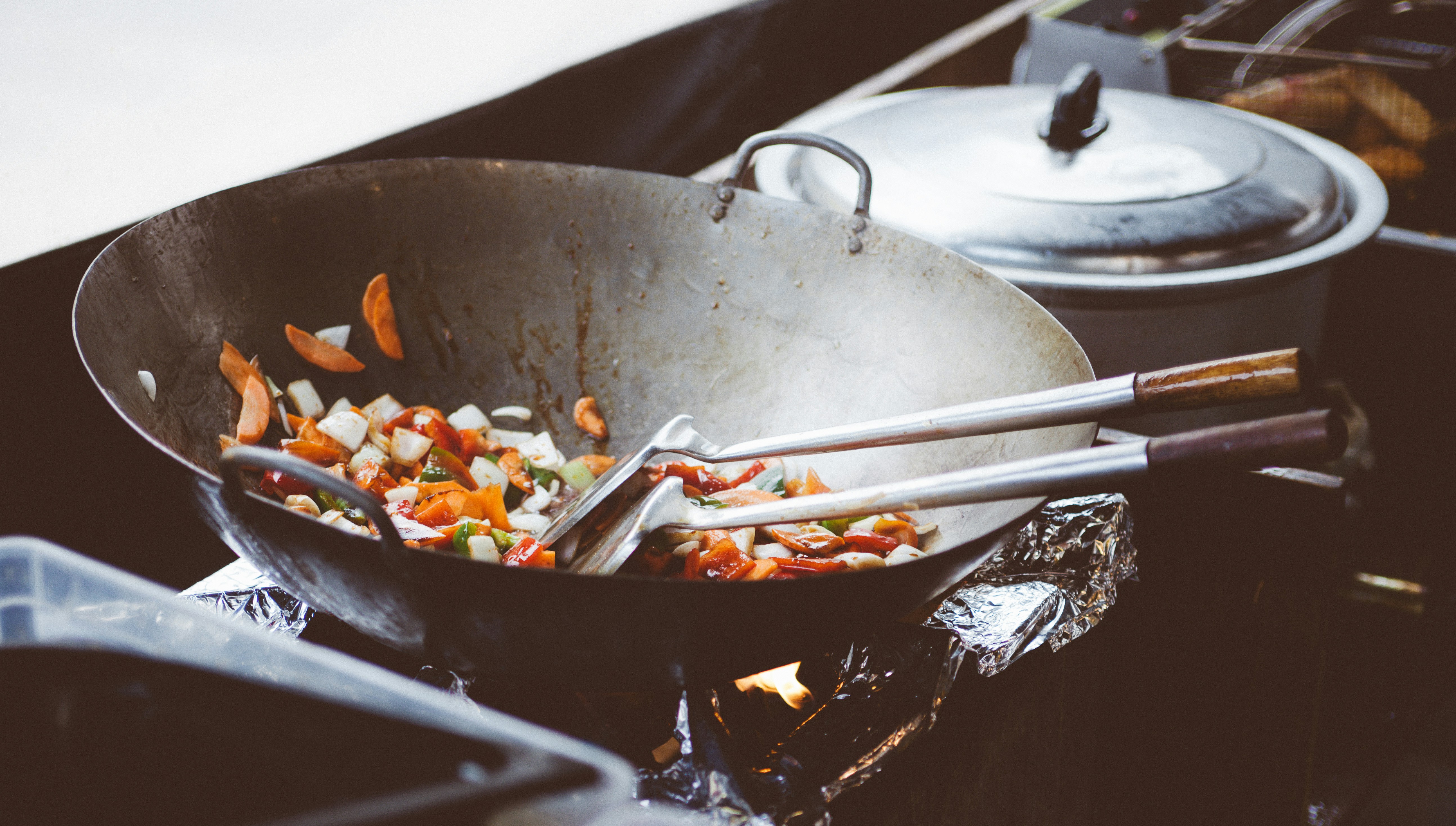
7 Secret Steps to Perfect Salt and Pepper Shrimp: Beyond the Basic!
Last Updated on 2025-12-25 by Suryo
The secret to restaurant-quality salt and pepper shrimp lies in mastering texture: a delicate, crisp shell that shatters on impact, protecting a perfectly tender, succulent interior. This requires a precise method of moisture control and a double-fry technique to achieve both objectives without sacrificing flavor.
Unlocking the True Flavor of Salt and Pepper Shrimp
Most home recipes for “salt and pepper shrimp” miss the mark by focusing solely on a single-fry process. The result is often soggy, overcooked, or lacking in the aromatic complexity that defines the dish. As a professional chef, I can tell you the true masterpiece of this dish isn’t about the salt and pepper itself, but rather the technique used to apply it and the texture created.
The challenge in cooking shrimp is its very quick cooking time. Shrimp protein denatures rapidly, becoming tough and rubbery if overcooked. The ideal Szechuan style of salt and pepper shrimp requires high heat and a crispy coating to lock in moisture and create a contrasting texture. We must find a way to achieve maximum crispness without turning the shrimp into rubber.
This article details a specific method used in professional kitchens to achieve this balance. We will focus on preparing the shrimp for frying, creating the perfect dry batter, and implementing the “double-fry” technique to ensure an unparalleled result. It’s about creating a complex flavor profile that goes beyond simple seasoning. For background on the nutritional benefits of shrimp, you can explore resources like Healthline for detailed information.
The Problem with Conventional Recipes
Many recipes simply instruct you to toss shrimp in flour and fry for a few minutes. This approach leads to three main failures:
- Soggy Batter: When shrimp is fried, the moisture within rapidly expands, causing steam to build up beneath the batter. If the heat is too low or the cooking time too long, the steam softens the crust, resulting in a soggy, oily coating instead of a crisp one.
- Overcooked Shrimp: Shrimp requires only 1-2 minutes of cooking at high heat. If a recipe asks you to fry for longer to achieve browning or crispness, you are guaranteed to end up with tough shrimp. The coating might crisp, but the protein inside will be ruined.
- Flat Flavor: Tossing everything together before frying results in a one-dimensional taste. The aromatics—garlic, chili, and peppercorns—burn during the frying process, losing their vibrant notes and creating a bitter aftertaste.
The solution is to separate the cooking of the shrimp from the crisping process, allowing us to build layers of flavor after frying.
The Foundation: Preparing Shrimp for Perfection
Before a single grain of salt or pepper is applied, we must address the shrimp itself. Moisture control is paramount. Any excess surface moisture will turn your high-heat fry into a steam bath.
Patting Dry: Always start by thoroughly patting the shrimp dry. Use paper towels to remove every bit of surface water. Even if you use fresh shrimp, wash them and ensure they are completely dry before proceeding. For frozen shrimp, ensure they are fully thawed and then dry them thoroughly.
The Shell-On Debate: For a truly authentic, crispy texture, many chefs prefer to leave the shell on. The shell acts as a protective layer, preventing the shrimp from overcooking and allowing the batter to adhere better for an ultra-crispy finish. However, if serving to guests, peeling the shrimp before cooking might be more convenient. For this recipe, we will assume a shelled preparation for ease of consumption, but know that leaving the shell on enhances crispness significantly.
The Secret Weapon: A Two-Stage Frying Method
This technique solves the problem of soggy batter and overcooked shrimp simultaneously. By separating the cooking process, we control the texture precisely.
Stage 1: The Blanching Fry (Cooking the Shrimp)
The first fry is quick, low-temperature, and focused on cooking the shrimp protein until nearly done. The goal here is to heat the shrimp through and set the initial batter layer, but not to achieve browning or crispness. This ensures the shrimp interior remains tender.
Stage 2: The High-Heat Fry (Crisping the Batter)
The second fry is shorter and at a significantly higher temperature. The purpose of this stage is purely to “shock” the coating, rapidly removing any residual moisture from the batter and creating an exceptionally crisp, airy texture. Because the shrimp is already cooked, this high-heat, short-duration fry does not overcook the protein inside.
Comparison of Frying Methods
Understanding the trade-offs between different cooking methods is essential to choosing the right technique for your desired result. The double-fry method, though requiring more effort, yields the best results for texture and flavor.
| Cooking Method | Pros | Cons | Resulting Texture |
|---|---|---|---|
| Double-Fry (Recommended) | Optimal crispness, tender interior, high flavor retention. | Higher oil usage, longer process, requires temperature control. | Ultra-crispy, light coating, succulent shrimp inside. |
| Single Deep Fry | Faster, less complex than double-fry. | Higher risk of overcooking shrimp, potential for soggy crust. | Can be crispy, but often tough and less flavorful. |
| Air Fry | Healthier, less oil needed. | Coating tends to be drier and less uniform, lacks the wok aroma. | Crispy, but often tough and dry compared to deep fry. |
| Pan Fry | Easiest method, minimal equipment. | Difficult to achieve full coating crispness, uneven cooking, high risk of overcooked shrimp. | Unevenly cooked, less crispy. |
The Aromatic Finish: Layering Flavor
The authentic Szechuan salt and pepper seasoning is more complex than just two ingredients. It often involves a specific ratio of coarse salt, white pepper, and Szechuan peppercorns. The secret, however, is not just the blend itself, but when you introduce the aromatics.
The Importance of Timing: Do not add garlic, chili, or green onions at the beginning of the process. These ingredients will burn almost instantly in high-heat frying oil. We must reserve them to be rapidly stir-fried after the shrimp are finished. This creates a fresh, vibrant flavor profile that contrasts beautifully with the crispy shrimp.
Practical Guide: The 7 Secret Steps
This process assumes you have already prepped your shrimp by thoroughly drying them.
Step 1: Prepare the Batter (The Crispness Foundation)
The key to a light and crisp coating is the right ratio of starches and a leavening agent. Do not use plain flour; it results in a heavy, doughy coating.
- Ingredients: 1 cup cornstarch, 1/4 cup rice flour, 1 teaspoon baking powder, 1/4 teaspoon white pepper, pinch of salt.
- Method: Whisk all ingredients thoroughly. The cornstarch provides the crispness, while the baking powder helps create tiny bubbles during frying, ensuring an airy and light coating that isn’t dense.
Step 2: Batter the Shrimp Precisely
Toss the shrimp in the dry batter mix. Ensure each piece is evenly coated. Do not let the shrimp sit in the batter for long, as the moisture from the shrimp will start to seep out and form a thick paste. Batter them right before frying.
Step 3: First Fry (The Low-Temperature Cook)
- Oil Temperature: Heat your neutral oil (canola or peanut oil) to 325°F (160°C).
- Frying Time: Fry the shrimp in small batches for approximately 1-2 minutes, or until the shrimp just turn pink and begin to curl. The batter should look set and pale, not golden brown.
- Remove and Drain: Remove the shrimp from the oil with a slotted spoon and place them on a wire rack to drain. This allows air to circulate underneath, preventing the bottom from becoming soggy as they cool.
Step 4: Second Fry (The High-Temperature Crisp)
- Oil Temperature: Increase the oil temperature to 375°F (190°C).
- Frying Time: Carefully return the pre-cooked shrimp to the hot oil. Fry for 30-60 seconds. The batter should puff up and rapidly turn golden brown.
- Remove Immediately: Remove the shrimp immediately and place them back on the wire rack. The entire process of the second fry is short and precise; overdoing it will ruin the texture you just achieved.
Step 5: Prepare the Aromatic Mixture
While the shrimp are resting, prepare the seasoning blend and aromatics. This step requires quick action over high heat.
- Aromatics: Finely chop 3-4 cloves of garlic, slice 1-2 small red chilies (optional), and slice green onions.
- Seasoning Blend: Combine 1 tablespoon coarse salt, 1 teaspoon white pepper, and 1/2 teaspoon Szechuan peppercorns (toasted and ground, if possible, for enhanced flavor).
Step 6: The Wok Toss (Flavor Layering)
This final step brings everything together. Heat a small amount of oil in a clean wok or large pan over high heat.
- Sauté Aromatics: Add the chopped garlic and chilies (if using). Stir-fry for 15-20 seconds until fragrant. Do not let the garlic brown; we want the fresh, pungent flavor.
- Toss Shrimp: Immediately add the crispy, double-fried shrimp to the wok. Toss vigorously for 30 seconds.
- Add Seasoning: Sprinkle the Szechuan salt and pepper blend over the shrimp and aromatics. Continue tossing for another 30 seconds to distribute the seasoning evenly over the hot, crispy surface.
Step 7: Final Plating and Service
Remove the shrimp from the wok and plate immediately. Garnish generously with fresh sliced green onions. Serve hot, as the texture rapidly degrades if left to sit.
The Finishing Touches: Serving Suggestions
To complete the meal, consider pairing the salt and pepper shrimp with light and complementary side dishes. A simple steamed jasmine rice provides a neutral base to absorb the complex flavors of the shrimp. For vegetables, a quick stir-fry of green beans or bok choy in garlic sauce would be an ideal accompaniment. The crisp, spicy, and savory profile of the shrimp contrasts nicely with the subtle sweetness of green vegetables.
The key to enjoying this dish is to appreciate the interplay of textures—the crunch of the coating against the tender, juicy shrimp. The aromatic spices create a “numbing heat” typical of Szechuan cuisine that builds with each bite.
Frequently Asked Questions
Can I use frozen shrimp for this recipe?
Yes, but ensure they are completely thawed and thoroughly patted dry before applying the batter. Any ice crystals or excess moisture will compromise the crispness of the final product.
What kind of oil should I use for frying?
Neutral oils with a high smoke point are best. Canola oil, vegetable oil, or peanut oil are excellent choices for deep frying as they impart minimal flavor and handle high heat well.
How do I make this dish less spicy?
Simply omit the fresh red chilies and reduce the amount of Szechuan peppercorns. You can still create a flavorful dish by focusing on the garlic, green onions, and white pepper blend. The technique remains the same even without the heat.
![9 Essential Chinese Pantry Staples to Boost Your Menu Profits [Insider Tips]](https://lezata.com/wp-content/uploads/2025/10/3c67ea0a-9945-437f-bbae-a6328259b7e9_019a2daa-6358-71bf-8a40-2290876b8ccf_files_essential_chinese_pantry_staples-768x432.webp "9 Essential Chinese Pantry Staples to Boost Your Menu Profits [Insider Tips] 4")