7 Secrets to Vegetable Chow Mein for a Healthy Meal: The “Fridge Dump” Strategy
Last Updated on 2025-12-20 by Suryo
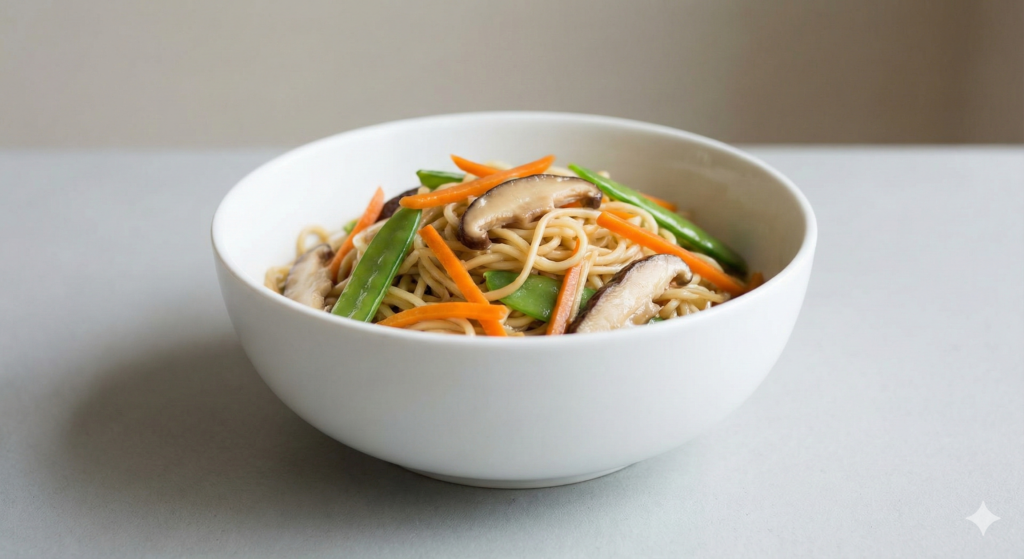
Vegetable Chow Mein for a Healthy Meal is best achieved by applying the “20/30/50 Rule”: 20% lean plant-based protein, 30% complex carbohydrates (noodles), and 50% high-volume fibrous vegetables. By swapping traditional oyster sauce for a mushroom-based alternative and controlling oil usage, you can reduce sodium by up to 60% compared to takeout versions without sacrificing the signature savory flavor.
The “Fridge Dump” Vegetable Chow Mein A Healthy Low-Sodium Dinner in 15 Minutes
We have all been there. It is 7:00 PM, you have had a long day managing your business or running the household, and the last thing you want to do is cook a complex meal. Usually, this is the moment we reach for the phone to order takeout. However, we also know the regret that comes an hour later—the bloating, the excessive thirst from sodium, and that heavy, sluggish feeling.
In fact, the average restaurant noodle dish is a salt bomb designed for shelf life and addiction, not your well-being. But does that mean we have to banish noodles forever? Absolutely not.
I have spent over 15 years in professional kitchens and developing recipes for busy families, and I have found that the solution isn’t to cut carbs completely; it is to engineer the meal better. This article isn’t just a recipe; it is a system. I call it the “Fridge Dump” method. It saves you money by using produce that is about to go bad, and it creates a Vegetable Chow Mein for a Healthy Meal that actually fuels your body instead of draining it.
If you are serious about nutrition, check out the guidelines on balanced meals from reliable sources like nutrition.gov to understand how fiber offsets blood sugar spikes.
Why Your Takeout Chow Mein Makes You Feel Sluggish And How to Fix It
Let’s get real for a second. The reason you feel like taking a nap after a plate of restaurant chow mein isn’t just because you ate too much. It is pure chemistry. Most commercial kitchens use an abundance of cheap vegetable oils and a massive amount of sodium and MSG to ensure flavor consistency.
In my experience consulting for food startups, I have seen recipes that call for nearly half a cup of oil for a single batch of noodles. That is a calorie density that your body struggles to process efficiently.
When you make Vegetable Chow Mein for a Healthy Meal at home, you become the quality control manager. You control the oil (we will use a technique to get flavor without the grease), and most importantly, you control the salt. By making this shift, you aren’t just eating dinner; you are preventing the inflammation and water retention that kills your productivity the next day.
⚠️ Important! Never skip the “rinse” step for your noodles. Most store-bought noodles are coated in excess starch to prevent sticking in the package. If you don’t rinse them, your stir-fry will become a gummy, gluey mess that spikes your blood sugar faster.
Is Chow Mein Actually Junk Food The Truth About Macros
There is a misconception I hear constantly from clients: “I can’t eat noodles, I’m trying to be healthy.” This is a fatal flaw in thinking. Noodles are simply energy. The problem isn’t the noodle; it is the ratio of ingredients.
If your plate is 90% noodles and 10% cabbage, yes, that is a nutritional negative. However, if we flip the script, we change the outcome.
To create a true Vegetable Chow Mein for a Healthy Meal, we need to look at nutrient density. We want to maximize volume (how full you feel) while minimizing empty calories. By loading the dish with fibrous vegetables like bok choy, snap peas, and bell peppers, you physically fill your stomach and slow down the digestion of the carbohydrates. This provides sustained energy rather than a crash.
The Holy Trinity of a Healthy Chow Mein Sauce
The sauce is where most home cooks fail. They buy a bottle of “Stir Fry Sauce” from the supermarket, which is essentially high-fructose corn syrup and salt. In the culinary world, we build flavor through balance, not just intensity.
For a Vegetable Chow Mein for a Healthy Meal, I use what I call the “Holy Trinity” of sauce balance:
- Umami (The Base): Low-sodium soy sauce or Tamari. This provides the depth.
- Acid (The Brightness): Rice vinegar or a squeeze of lime. This cuts through the heaviness and reduces the need for salt.
- Aromatics (The Punch): Fresh ginger and garlic. These add heat and flavor without adding a single gram of sodium.
I often recommend adding a splash of vegetable broth to the sauce. This increases the volume of the sauce so it coats every noodle, without having to add more oil or soy sauce.
Choose Your Fighter The Best Noodle Options for Your Diet
Not all noodles are created equal. Depending on your health goals, you have distinct choices. Here is my honest breakdown based on texture and nutritional value:
- Traditional Egg Noodles: These offer the classic chew and comfort factor. If you portion control them, they are perfectly fine.
- Soba (Buckwheat) Noodles: My top recommendation. They have a nutty flavor and a lower glycemic index, making them ideal for sustained energy.
- Shirataki (Konjac) Noodles: Good if you are strictly watching calories, but be warned—the texture is rubbery. I rarely recommend these for a “comfort” meal because they lack satisfaction.
For a Vegetable Chow Mein for a Healthy Meal, I personally stick to Soba or whole-wheat spaghetti if I am in a pinch. They hold up well to the high heat of the wok.
Step-by-Step The Wok Hay Technique Without the Grease
“Wok Hay” (or Wok Hei) is that smoky, charred flavor you get from a good Cantonese restaurant. People think you need a jet-engine burner to achieve this, but you can simulate it at home. The secret? Batch cooking.
In the field, I see home cooks dump all the ingredients into the pan at once. This steams the food instead of frying it, resulting in a soggy mess. To maintain the integrity of a Vegetable Chow Mein for a Healthy Meal, you must cook the vegetables first, remove them, cook the protein, remove it, and finally toss the noodles.
This ensures everything keeps its crunch and texture. You use less oil because you aren’t fighting a crowded pan.
How Do I Get Protein in a Veggie Noodle Dish
A common complaint with vegetarian meals is that “I’m hungry an hour later.” This happens because you missed the protein. Protein is the satiety signal to your brain.
Since we aren’t using chicken or beef, we need “Invisible Proteins.”
- Edamame: Toss in a handful of shelled edamame. They add texture and a massive protein boost.
- Nutritional Yeast: A sprinkle of this adds a cheesy, savory flavor and B-vitamins.
- Hemp Hearts: You won’t even taste them, but they add healthy fats and protein.
Integrating these ensures your Vegetable Chow Mein for a Healthy Meal is functionally complete.
The 15-Minute Clean Out The Fridge Recipe
This is the practical execution. This recipe is flexible—use whatever vegetables are withering in your crisper drawer.
Prep time: 10 mins | Cook time: 5 mins | Servings: 2
Ingredients:
- 6 oz Dried Noodles (Soba or Whole Wheat)
- 2 cups Mixed Vegetables (Carrots, Bell Peppers, Cabbage, Broccoli – chopped small)
- 1 cup Protein (Edamame, Tofu cubes, or Seitan)
- 1 tbsp Neutral Oil (Avocado or Grapeseed)
- The Sauce: 2 tbsp Low-Sodium Soy Sauce, 1 tbsp Rice Vinegar, 1 tsp Sesame Oil, 1 tsp Grated Ginger, 1 clove Garlic (minced).
Directions:
- Boil & Shock: Cook noodles according to package instructions. Immediately drain and rinse under ice-cold water. This stops the cooking and removes starch.
- Sear the Protein: Heat half the oil in a wok or large skillet over high heat. Sear your tofu/protein until golden. Remove from pan.
- Flash Fry Veggies: Add the remaining oil. Toss in your hard veggies (carrots, broccoli) first. Stir fry for 2 minutes. Add softer veggies (cabbage, peppers) for another minute.
- The Mix: Add the noodles and protein back into the pan. Pour the sauce around the edges of the pan (not directly on the food) to sizzle.
- Toss: Toss vigorously for 60 seconds until everything is coated and hot. Serve immediately for the best Vegetable Chow Mein for a Healthy Meal.
Storage & Meal Prep Keeping the Crunch
If you are running a business, you might want to make this for lunch the next day. However, noodles can get soggy.
Based on my experience, the trick is to undercook the noodles slightly (al dente) if you plan to reheat them. Store the noodles and veggies in an airtight glass container. When reheating, sprinkle a teaspoon of water over the top before microwaving. This creates steam that rehydrates the noodles without making them mushy.
Your New Go-To Weeknight Savior
Eating well doesn’t require a degree in nutrition or hours in the kitchen. It requires a smart system. By using the “Fridge Dump” method, you are reducing waste, saving money, and protecting your health.
Next time you are tempted to open that delivery app, remember that a steaming, savory plate of Vegetable Chow Mein for a Healthy Meal is only 15 minutes away in your own kitchen. It is faster than delivery, and your body will thank you for it.
Frequently Asked Questions
1. Can I use frozen vegetables for this recipe? Absolutely. In fact, frozen vegetables are often flash-frozen at peak ripeness, making them very nutritious. Just be sure to thaw and drain them well before stir-frying to avoid adding excess water to the pan, which can dilute the flavor of your Vegetable Chow Mein for a Healthy Meal.
2. What is the best oil to use for high-heat stir-frying? Avoid olive oil or butter, as they burn quickly at high temperatures and can create a bitter taste. For the best results, use oils with a high smoke point like Avocado Oil, Grapeseed Oil, or Peanut Oil. These maintain their integrity and allow you to get that nice sear on the vegetables.
3. How can I make this gluten-free? It is very easy to adapt. Simply swap the wheat noodles for 100% Buckwheat Soba noodles (check the label carefully) or brown rice noodles. Also, replace the soy sauce with Tamari or Coconut Aminos. This way, you can still enjoy a delicious Vegetable Chow Mein for a Healthy Meal without the gluten.

![5 Pro Secrets for a Smoky Wok Hei Recipe on a Home Stove [Chef’s Guide]](https://lezata.com/wp-content/uploads/2025/10/image-58-768x419.png "5 Pro Secrets for a Smoky Wok Hei Recipe on a Home Stove [Chef's Guide] 4")