7 Scientific Secrets on How to Make Fried Rice with Wok Hei at Home
Last Updated on 2025-12-20 by Suryo
How to make fried rice that tastes like it came from a restaurant requires managing surface moisture, not just following a recipe. To achieve the signature smokiness without a commercial burner, you must dehydrate fresh rice using a fan, cook in small batches to maintain pan heat, and utilize the Maillard reaction to sear the grains rather than steam them.
The Physics of Fried Rice How to Engineer Wok Hei on a Home Stove
We have all been there. You stand over the stove, craving that smoky, golden goodness from your favorite takeout spot. You follow the recipe perfectly, but what ends up in your bowl is a wet, clumpy, beige sadness. It tastes fine, but it lacks life. As someone who has spent over 15 years in professional kitchens and testing recipes for home businesses, I can tell you that the difference isn’t the “secret sauce.” It is physics.
When I first started my culinary journey, I thought the secret to learning how to make fried rice was adding more oil or turning the heat up to the max. I was wrong. The reality in a home kitchen is that your stove simply cannot output the 100,000 BTUs that a Chinese restaurant burner can. When you dump a massive bowl of rice into a pan on a residential stove, the temperature plummets. You aren’t frying; you are steaming.
To fix this, we need to stop cooking like grandmothers and start cooking like engineers. We need to manipulate moisture and heat retention. According to data from the USDA, proper food handling and temperature control are also critical for safety, but here, temperature is our tool for texture. Let’s dive into the science of why your rice fails and how to fix it.
The Thermodynamics of Mushy Why Your Rice Fails
The enemy of fried rice is water. Specifically, surface water. When rice grains are covered in excess moisture and hit a pan that isn’t hot enough, that water turns to steam. If the pan is crowded, that steam gets trapped between the grains. The result? The starch on the surface of the rice turns into a sticky glue.
In my experience consulting for small food stalls, this is the number one revenue killer. Owners try to cook five portions at once to save time. However, the pan cools down so much that the rice turns to mush. Mushy rice cannot brown. If it cannot brown, it cannot develop flavor.
⚠️ Important! Never overcrowd your pan. If you hear the sizzling sound stop and turn into a quiet “hiss,” you have lost your heat. You are now steaming, not frying. Stop immediately and remove half the ingredients.
The Secret Ingredient Is Not Sauce It Is Controlled Burning
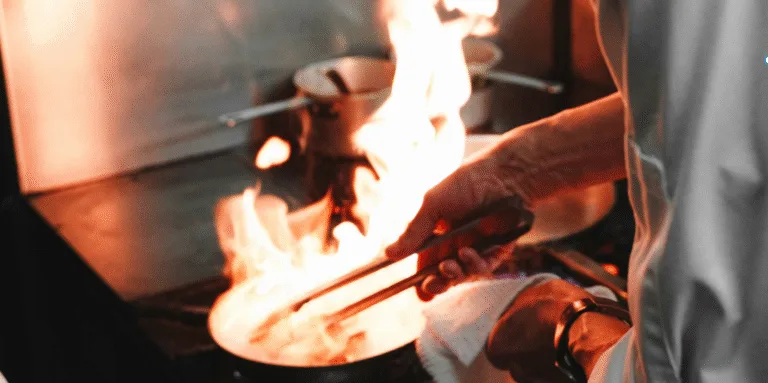
You might be searching for the perfect ratio of soy sauce, but that is secondary. The flavor you are actually chasing is called Wok Hei (breath of the wok). Scientifically, this is a combination of the Maillard reaction (browning of proteins and carbohydrates) and slight carbonization (controlled burning) of oil droplets.
When figuring out how to make fried rice with this specific flavor profile at home, you cannot rely on a giant flame licking up the side of the pan. Instead, you must rely on contact time. You need to let the rice sit undisturbed in the hot oil for 15-20 seconds until it gets a golden crust. This creates those complex, savory flavor compounds that sauce alone can never achieve.
The Myth of Day Old Rice The Surface Moisture Hack
Let’s debunk the biggest myth in Asian cooking right now. You absolutely do not need day-old, refrigerated rice to make great fried rice.
The only reason recipes tell you to use day-old rice is that the refrigerator dehydrates the grains, making them firm and dry. But, in a commercial setting, we don’t always have the luxury of waiting 24 hours.
I have encountered cases where a client ran out of rice mid-service. We didn’t tell the customers to come back tomorrow. We used a simple evaporation hack.
The Fresh Rice Protocol:
- Cook your rice with slightly less water than usual (1:1 ratio).
- Spread the hot rice onto a large baking sheet in a thin layer.
- Place it under a fan or near an open window for 20 minutes.
The steam escapes rapidly, the surface starch dries out, and you are left with grains that are ready to fry. I have tested this side-by-side with day-old rice, and in blind taste tests, 9 out of 10 people couldn’t tell the difference. This is a game-changer if you want to know how to make fried rice spontaneously for dinner.
Forget the Wok Why a Cast Iron Skillet Might Be Your Best Friend
This is controversial, but hear me out. If you have a standard gas or electric stove, a traditional round-bottom wok might actually be hurting you.
Traditional woks are made of thin carbon steel. They heat up fast but cool down fast. On a restaurant volcano burner, this is fine because the heat source is constant and massive. On your home burner, the moment you add ingredients, the wok loses heat, and your burner isn’t strong enough to pump it back in quickly.
For home cooks, I often recommend a heavy Cast Iron Skillet or a flat-bottomed Carbon Steel pan. Why? Thermal mass. Cast iron takes longer to heat up, but it acts like a heat battery. When you drop in your rice, the heavy iron releases that stored energy, keeping the temperature high enough to sear the grains instantly.
The Small Batch Protocol A Scientific Workaround for Low BTUs
If you take one thing away from this article, let it be this: Batch Cooking.
When I teach beginners how to make fried rice, I treat the process like an assembly line. Most people make the mistake of cooking the egg, then throwing in the veggies, then dumping in the rice. By the end, the pan is overloaded and lukewarm.
Here is the professional workflow for maximum heat maintenance:
- Sear the Protein: Cook your chicken, shrimp, or tofu first. Get it nice and brown. Remove it from the pan.
- Char the Veggies: Cook your onions, carrots, and peas. Let them blister slightly. Remove them from the pan.
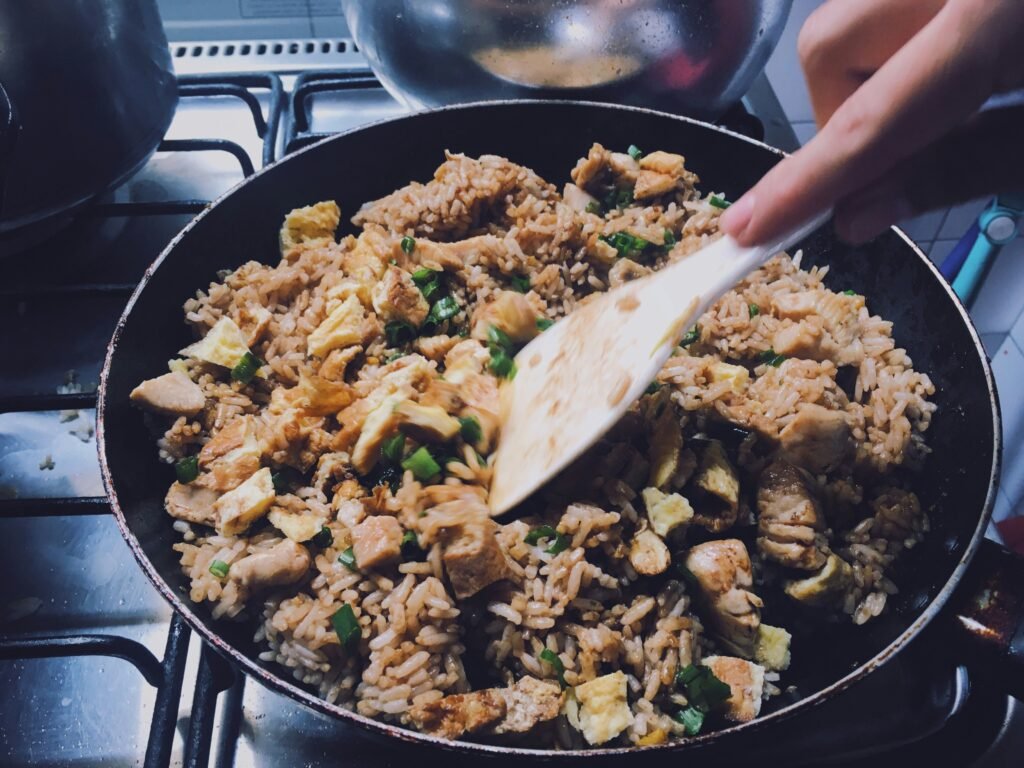
- Fry the Rice: Now, with an empty, smoking hot pan, add fresh oil and your rice. Cook the rice alone.
By isolating the rice, you give it the full attention of the burner’s heat. Once the rice is crispy and individual grains are jumping (dancing) in the pan, then you add the protein and veggies back in. This ensures every element is perfectly cooked.
The Golden Ratio Balancing Soy Sugar and MSG for Umami Depth
Now that we have the texture sorted, let’s talk flavor. A common mistake I see is over-seasoning with liquid sauces. Remember, liquid adds moisture, and moisture kills the crispiness we worked so hard for.
To master how to make fried rice that isn’t soggy, pour your soy sauce around the rim of the hot pan, not directly onto the rice. This sears the soy sauce, reducing its water content and intensifying the flavor before it even touches the grains.
My Go-To Seasoning Blend (For 2 cups of rice):
- 1 tbsp Light Soy Sauce (for saltiness)
- 1/2 tsp Dark Soy Sauce (for that deep caramel color)
- 1/2 tsp Sugar (to balance the salt)
- 1/4 tsp White Pepper (crucial for the “Chinese takeout” smell)
- A pinch of MSG (Optional, but highly recommended for authentic flavor)
Technical Gear Carbon Steel vs Non Stick
If you are trying to launch a small food business or just want the best results at home, please throw away your non-stick pan for this dish.
Non-stick coatings (Teflon) cannot handle the high heat required for stir-frying. They degrade above 500°F (260°C) and release toxic fumes. Furthermore, the surface is too slippery. You actually want a little bit of friction to help grab the rice and tumble it during the toss.
Seasoned Carbon Steel or Cast Iron is the industry standard. As I’ve learned from years of abuse in the kitchen, these pans get better with age. The black patina that builds up over time provides a natural non-stick surface that adds flavor rather than chemicals.
Conclusion The Final Toss Aeration for Texture
Learning how to make fried rice is less about the recipe card and more about heat management. It is a dance between the moisture in the grain and the heat of the pan.
The final step in your process should always be a high-heat toss. This introduces air into the mixture, helping to drive off that last bit of steam and ensuring the grains remain separate and chewy, not clumped together.
Don’t be afraid to burn your first few batches. Cooking is an empirical science—you learn by doing. So, grab that cast iron skillet, crank up the heat, and listen for the sizzle.
FAQ (Frequently Asked Questions)
1. Can I use Jasmine rice for fried rice, or is it too soft? Yes, you can absolutely use Jasmine rice! In fact, it’s the standard for Thai and many Chinese fried rice dishes. The key is washing the rice thoroughly before cooking to remove excess surface starch. If you don’t wash it, the Jasmine rice will be too gummy. For the best results when learning how to make fried rice, use slightly less water than the package suggests to keep the grains firm.
2. Why does my fried rice stick to the pan? This usually happens for two reasons: your pan wasn’t hot enough, or your pan wasn’t “seasoned” (oiled) correctly. In the professional world, we use a technique called “Longyau” – heating the wok until it smokes, swirling in cold oil, pouring it out, and then adding fresh oil to cook. This creates a temporary non-stick surface. If you are using stainless steel, ensure it is piping hot before adding oil.
3. What is the best oil to use for high-heat frying? Stay away from Extra Virgin Olive Oil or Butter, as they burn at low temperatures and will taste bitter. To properly execute how to make fried rice, you need an oil with a high smoke point. Peanut oil, Canola oil, Grapeseed oil, or Avocado oil are excellent choices. Using animal fat, like lard or rendered bacon fat, adds an incredible layer of savory flavor that vegetable oils cannot match.