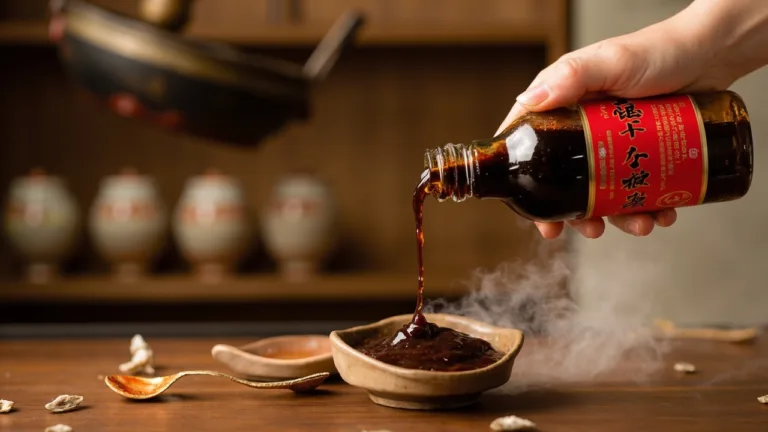
Unlock the 10 Secrets to the Best Beef Noodle Soup Recipe Ever
Last Updated on 2025-12-25 by Suryo

The best beef noodle soup recipe prioritizes flavor layering over lengthy simmering. By focusing on searing the beef, creating an aromatic oil infusion, and managing the noodle texture separately, you can achieve a rich, clean broth without the heavy, muddy flavor often found in traditional methods.
The Myth of Endless Simmering: How to Get Rich Broth Without the Muddy Taste
For many home cooks, the pursuit of the “best beef noodle soup” begins with a simple premise: simmer beef bones and aromatics for as long as possible. The longer the time, the richer the flavor, right? In many cases, this approach actually leads to a flat, heavy broth where all individual flavors have collapsed into a single, muddy note. The secret to a professional-grade bowl lies not in the time, but in a technique known as flavor stacking.
This technique involves layering flavors by controlling the cooking process of different ingredients. Instead of boiling everything together at once, we extract specific flavors at different times, much like a musician builds a complex chord rather than just playing a single note repeatedly. This approach ensures maximum clarity and depth, delivering a soup that is both rich and surprisingly light.
The goal is to move beyond the simple extraction of collagen from bones. We aim to maximize the Maillard reaction on the beef and control the volatile oils from the aromatics. This allows us to create a deep, savory foundation while retaining the bright, pungent notes of ginger, star anise, and cinnamon. According to culinary principles established by chefs for centuries, true depth comes from carefully managed extraction processes, not just long hours on the stove. Learn how to master this technique, and you’ll redefine what “best beef noodle soup” means in your kitchen.
The Beef Selection: From Tough Cut to Tender Masterpiece
The choice of beef cut is crucial, determining both the texture of the meat and the richness of the broth. You need cuts that contain a high amount of connective tissue (collagen), as this melts during a long simmer to create a thick, silky mouthfeel.
Beef Shank (Shin): This is the gold standard for beef noodle soup. It has a significant amount of collagen surrounding the muscle fibers. When properly braised, the collagen transforms into gelatin, tenderizing the meat and enriching the broth simultaneously. This results in incredibly tender, fall-apart beef.
Brisket: Brisket offers a similar texture to shank but with a slightly fattier profile. The layers of fat provide an additional layer of richness. Slices of brisket hold together well and add a wonderful textural element.
Avoid using very lean cuts like sirloin or tenderloin for the main simmer. These cuts lack the necessary collagen and will become dry and tough after prolonged simmering. While you can use them as a quick-seared garnish at the very end, they do not contribute meaningfully to the broth foundation.
Professional Techniques: Mastering Flavor Stacking
A truly great beef noodle soup relies on a balanced interplay between savory, aromatic, and umami elements. Here are the specific techniques that differentiate a professional kitchen from a standard home recipe.
1. The Aromatic Infusion (The Chef’s Secret):
Many recipes call for throwing whole star anise, cinnamon sticks, and ginger into the pot at the beginning and letting them boil for hours. The problem with this method is that the delicate essential oils of these aromatics can dissipate or turn bitter with prolonged heat.
The Solution: The Aromatic Oil Infusion. Instead of boiling them for hours, dry-roast or lightly fry the aromatics (ginger, cinnamon, star anise, cardamom) in a neutral oil (like grapeseed or peanut) first. This technique extracts the maximum flavor potential from the spices and captures those flavors in a “garnish oil.” This aromatic oil can then be added back into the soup at the very end, keeping the flavors bright and vibrant, rather than dull and stale.
2. Maillard Reaction on the Beef:
Before simmering, the Maillard reaction must be maximized. This chemical reaction, resulting from searing the beef at high heat, creates hundreds of new flavor compounds that contribute to the soup’s complexity.
The Technique: Sear the beef cuts (shank or brisket) in oil until they are deeply browned on all sides. This step is non-negotiable. Do not overcrowd the pot; sear in batches. Once seared, deglaze the pot with water or stock, scraping up all the browned bits (fond) from the bottom. This fond is packed with flavor and forms the true base of the broth.
3. The Noodle Management Problem:
The most common mistake home cooks make is simmering the noodles directly in the beef broth. This creates several problems:
- Cloudy Broth: Starch from the noodles leeches into the broth, making it thick and opaque rather than clear and clean.
- Overcooked Noodles: Noodles absorb liquid quickly and become mushy.
The Solution: Cook Separately. Always cook the noodles (fresh or dried) in a separate pot of heavily salted water. Cook them to just shy of al dente, drain, rinse quickly to remove excess starch, and portion into individual serving bowls. Ladle the hot broth over the noodles just before serving.
Comparison: Traditional Method vs. Professional Method
| Feature | Traditional Method | Professional Chef Method |
|---|---|---|
| Beef Preparation | Beef and bones go directly into the pot with cold water and aromatics. | Beef is seared first to create a Maillard reaction; aromatics are lightly fried and added separately later. |
| Broth Development | Simmer all ingredients together for 6-8 hours; relies solely on bone collagen. | Layered approach; uses seared fond for base flavor and aromatic oil infusion for bright notes. |
| Noodle Preparation | Noodles often cooked directly in the broth, or added near the end. | Noodles cooked separately in salted water and added to the bowl at service time. |
| Broth Clarity | Often cloudy due to starch and heavy evaporation. | Clear, clean, and vibrant due to controlled extraction and separate noodle preparation. |
| Resulting Flavor | Heavy, rich, but potentially flat or muddy flavor profile. | Complex, multi-layered, and balanced with bright notes. |
The Ultimate Professional Beef Noodle Soup Recipe
Here is a step-by-step guide to applying these professional techniques to create a truly exceptional bowl of beef noodle soup.
Ingredients:
- 2 lbs beef shank or brisket, cut into 2-inch chunks
- 2 lbs beef bones (knuckles or marrow bones)
- 1 large onion, quartered
- 1 head garlic, halved horizontally
- 3-inch piece of ginger, sliced
- 2 whole star anise pods
- 1 cinnamon stick
- 1 tablespoon whole black peppercorns
- 1 bay leaf
- 1/4 cup soy sauce (light)
- 1 tablespoon dark soy sauce (for color)
- 1 tablespoon rock sugar or brown sugar
- 1 lb fresh noodles (thick wheat noodles are ideal)
- Vegetable oil, for searing
- Salt to taste
Step-by-Step Instructions:
- Prepare the Beef and Bones: First, blanch the beef bones. Place them in a large pot and cover with cold water. Bring to a boil and cook for 5-10 minutes. Skim off all the impurities that rise to the surface. Drain and rinse the bones thoroughly under cold water. This crucial step ensures a clear broth.
- Sear the Aromatics and Beef: In a heavy-bottomed pot, add a small amount of oil. Sear the onion, garlic, and ginger until lightly charred on all sides. Remove them and set aside. Next, increase the heat and sear the beef chunks until a deep brown crust forms on all sides. Remove the beef and set it aside.
- Create the Broth Base: Deglaze the hot pot with a splash of water, scraping up all the fond (brown bits) from the bottom. Add the blanched beef bones, seared beef, seared aromatics, star anise, cinnamon stick, peppercorns, and bay leaf back into the pot. Cover with 10-12 cups of cold water.
- Simmer and Extract: Bring the pot to a strong boil, then immediately reduce the heat to a gentle simmer. Do not boil vigorously, or you risk breaking down the fat and clouding the broth. Simmer for at least 3 hours. Skim any remaining fat or impurities that rise to the surface every 30 minutes.
- Seasoning and Finishing: After 3 hours, add the soy sauce (both light and dark) and rock sugar. Taste the broth and adjust for salt and sweetness. Continue to simmer for another 30-60 minutes, or until the beef reaches your desired tenderness. The total simmering time should be approximately 4-5 hours for a balanced flavor, not 8 hours.
- Noodle Preparation: While the soup finishes, cook the noodles in a separate pot of heavily salted boiling water according to package directions, typically 3-5 minutes for fresh noodles. Drain and rinse thoroughly under cold water to stop the cooking process and remove excess starch.
- Assemble the Bowl: Place a portion of the prepared noodles into a large serving bowl. Ladle generous amounts of the hot beef broth over the noodles. Garnish with slices of braised beef, fresh scallions, and cilantro. For extra depth, drizzle a bit of chili oil or a few drops of the pre-made aromatic oil (see step 2) over the top just before serving.
Closing Thoughts on Culinary Confidence
Mastering beef noodle soup is about understanding the science behind the art. By implementing flavor layering and controlled extraction techniques, you move from simply boiling ingredients to truly crafting a complex culinary experience. Don’t be afraid to experiment with different aromatic infusions or vary the cuts of beef. The best recipes are always adaptable. Share your favorite techniques in the comments below; let’s continue to elevate this beloved dish.
Frequently Asked Questions (FAQ)
Q: Why do I need to rinse the noodles after cooking?
A: Rinsing the noodles in cold water immediately after cooking serves two purposes: first, it stops the cooking process to prevent mushiness, and second, it removes the excess starch that would otherwise make your beautiful broth cloudy.
Q: What is the difference between dark soy sauce and light soy sauce in this recipe?
A: Light soy sauce primarily provides saltiness and umami. Dark soy sauce provides very little salt, but gives the broth a deeper, richer color and a subtle sweetness. It is used primarily for visual appeal and depth rather than flavor.
Q: Can I use pre-made stock instead of making my own from bones?
A: While pre-made stock can speed up the process, it will lack the depth and collagen necessary for a truly professional bowl. If you must use pre-made stock, use a high-quality, unsalted beef stock, and be sure to add additional beef shank to the braise to extract more collagen during the simmer.

![3 Sichuan Peppercorns Recipe Secrets to Master the Ma La Tingle [Pro Guide]](https://lezata.com/wp-content/uploads/2025/10/image-56-768x419.png "3 Sichuan Peppercorns Recipe Secrets to Master the Ma La Tingle [Pro Guide] 5")