Cooking Authentic Chinese Food Europe
Last Updated on 2025-12-25 by Suryo
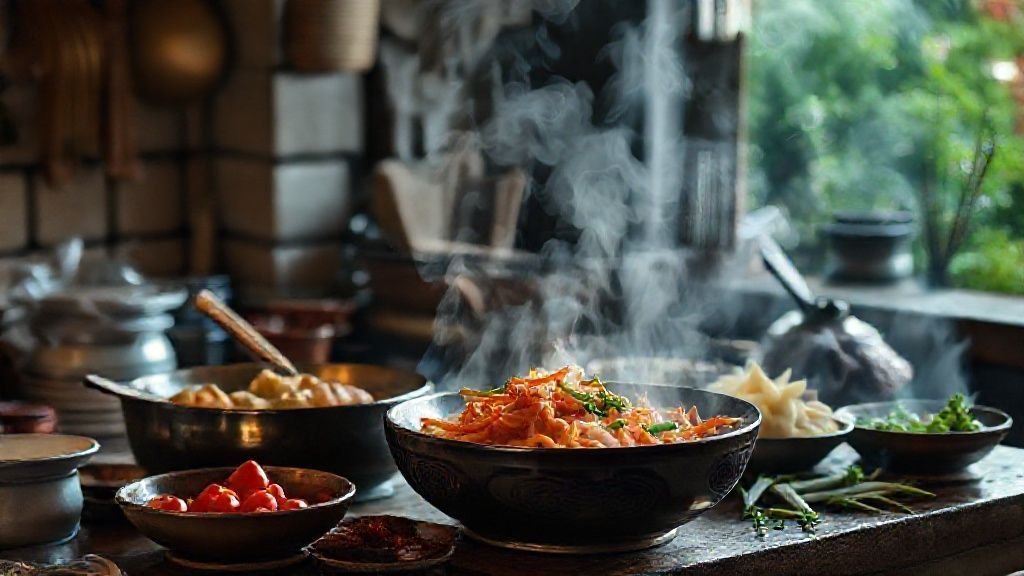
Cooking authentic Chinese food in Europe is entirely possible, but requires a strategic approach to ingredient sourcing and technique. The main challenge lies in replicating specific regional flavors and adapting to local ingredient variations and equipment limitations, especially the lack of high-heat burners for wok cooking.
The Great Wall of Flavors: Recreating Authenticity in Europe
The journey to mastering authentic Chinese cuisine is often fraught with frustration for home cooks in Europe. While many “Chinese” restaurants cater to Western palates with localized dishes (often sweeter and less complex than the originals), truly authentic regional cooking—whether Sichuan spice, Cantonese delicacy, or Shanghai richness—demands specific ingredients and techniques that seem elusive outside of Asia.
The core problem isn’t just finding basic staples like soy sauce or ginger; it’s replicating the nuanced flavors, textures, and aromas that define authenticity. The challenge shifts depending on location. In major cities like London, Paris, or Berlin, finding authentic ingredients is relatively easy thanks to large Asian supermarkets. However, for those in smaller towns across Europe, sourcing ingredients becomes a significant hurdle. Furthermore, even in big cities, finding high-quality, authentic items that replicate specific regional standards, such as certain cuts of meat or very niche spices, remains difficult. This guide explores how to bridge this gap, ensuring your efforts result in genuine Chinese flavors, not just European interpretations.
The European Kitchen Challenge: Beyond Basic Sourcing
Many home cooks assume that buying a wok and a bottle of light soy sauce is enough. The reality is far more complex. The “authentic” flavor profile relies heavily on specific ingredients that are often unavailable in standard European supermarkets. More importantly, it relies on techniques that require different kitchen setups than those found in most European homes.
1. The Wok Hei Dilemma: Replicating High-Heat Cooking
A defining characteristic of many authentic Chinese dishes is Wok Hei (the “breath of the wok”). This refers to the complex smoky aroma and unique texture imparted by cooking food in a very hot wok over high heat. The high BTU (British Thermal Unit) output of commercial wok burners in Chinese restaurants is designed specifically for this purpose, rapidly searing ingredients and adding a distinctive char.
Most European kitchen stoves, whether gas or electric induction, have lower heat output. Trying to cram too many ingredients into a wok on a standard European stove will cause the temperature to drop too quickly, resulting in stewing rather than stir-frying. The food becomes soggy, losing the characteristic crispy texture and deep flavor.
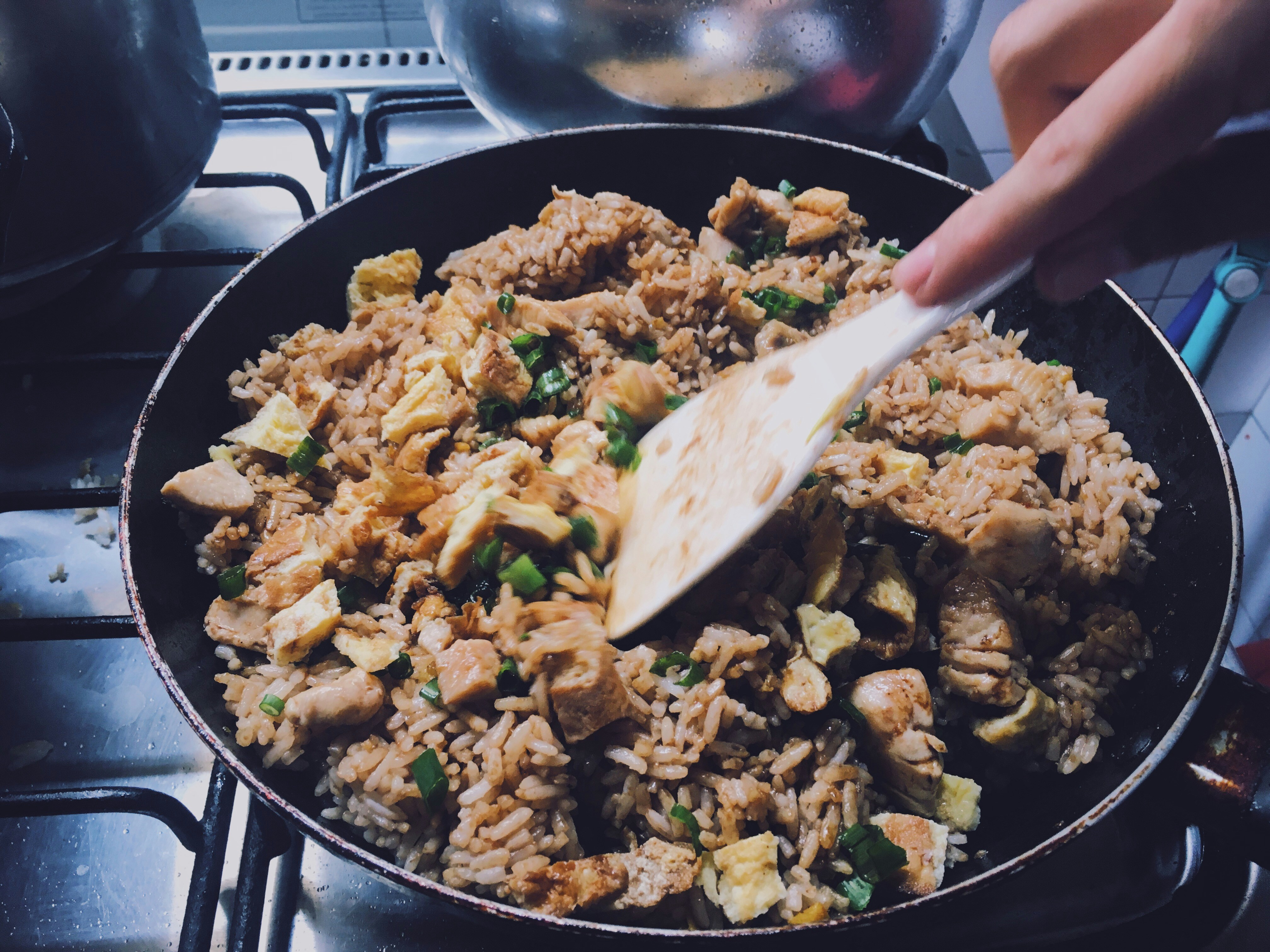
The Solution: Master the “batch cooking” technique. Instead of cooking everything together, stir-fry proteins in small batches, remove them, then stir-fry vegetables, and combine everything at the very end with the sauce. This maintains high heat throughout the process.
2. Ingredient Adaptation: The European Pantry vs. Chinese Staples
Authentic Chinese cuisine relies on a complex layering of flavor from specific ingredients. When these ingredients are unavailable in Europe, substitutions often compromise the final dish. A key example is fermented bean paste (Doubanjiang). While many European versions exist, they often lack the depth or specific fermentation profile of genuine Sichuan pixian doubanjiang, altering the dish’s flavor significantly.
Another significant challenge is finding the specific cuts of meat required for certain dishes. European butchers often prioritize leaner cuts or different preparation methods. For example, recreating authentic Twice-Cooked Pork (Hui Guo Rou) requires pork belly with a specific fat-to-meat ratio that can be hard to source precisely in some European markets.
3. Sourcing Strategy: Overcoming Geographical Limitations
The European Union’s regulations on food imports and local distribution chains often limit the availability of niche ingredients, particularly outside major cities. A home cook in rural France or Spain cannot easily access the same range of products found in London’s Chinatown.
The Solution: The digital marketplace is essential. Utilize online Asian grocery stores that specialize in specific regional cuisines. These stores often import directly from China and stock items unavailable elsewhere, such as specific brands of chili crisp, preserved vegetables, and specialty noodles.
The European Substitution Guide: Recreating Authentic Flavors
While true authenticity demands the original ingredients, successful Chinese cooking in Europe sometimes requires smart substitutions. The goal is not exact replication, but capturing the spirit and flavor profile of the original dish using accessible European ingredients.
Comparison of Authentic Chinese Ingredients vs. Accessible European Substitutions
| Authentic Chinese Ingredient | Key Flavor Profile | Common European Substitute | Flavor Profile Match |
|---|---|---|---|
| Shaoxing Cooking Wine | Complex, slightly sweet, savory (umami), fermented rice flavor. Essential for marinades and sauces. | Dry Sherry (Medium or Amontillado) | Closest match in terms of complexity and savory notes. Avoid “cooking sherry” and choose a good quality drinking sherry. |
| Chinkiang Black Vinegar | Deeply savory, smoky, mild sweetness, rich color. Used in dipping sauces and braised dishes. | Balsamic Vinegar | Use a smaller amount of a high-quality balsamic vinegar. It provides the necessary dark color and a slightly sweet-sour profile, though without the smoky depth. |
| Sichuan Peppercorns | Unique floral aroma and tingly numbness (ma la). | Black Peppercorns (Slightly less pungent) | Not a true substitute for the ma la sensation. For the closest experience, add ground black peppercorns and a pinch of ground cloves for the floral note. |
| Fermented Black Beans (Douchi) | Pungent, salty, savory, deep umami. Used in many Cantonese and Sichuan dishes. | Miso Paste (Dark/Red Miso) | Provides the fermented and salty umami depth. Use sparingly, as the flavor profile is different, but captures the necessary savory punch. |
| Pork Belly (specific high-fat, high-connective tissue cuts) | Rich flavor, tender texture from slow cooking/braising. | European Pork Belly (ensure a generous fat-to-meat ratio) | European pork belly often lacks the specific cut required for authenticity. Request a cut specifically with skin on and a good layer of fat. |
Note: While these substitutions help in a pinch, they should be used as a last resort. For truly authentic results, sourcing the original ingredient, especially Shaoxing wine, is recommended.
Practical Steps for Success: A Professional Chef’s Guide
As a professional chef working with diverse cuisines, I’ve learned that a structured approach is crucial when adapting international recipes to local European kitchens. Here are the steps to ensure success.
1. The Power of Mise en Place
This French term translates to “everything in its place” and is essential for Chinese stir-frying. Authentic Chinese cooking is incredibly fast. The difference between a perfect stir-fry and a burnt mess can be seconds.
Action Plan: Before turning on the heat, chop all vegetables, mince garlic and ginger, measure out sauces, and prepare your protein. Have everything arranged in small bowls next to your cooking station. Once the wok gets hot, there is no time to chop or search for ingredients.
2. Mastering High-Heat Preheating
The single biggest mistake European home cooks make is not preheating the wok properly. A high-quality wok (carbon steel is ideal for home kitchens) needs to be searing hot before you add the oil. This prevents sticking and ensures proper searing.
Action Plan: Place the empty wok over maximum heat (gas or induction) for several minutes until it starts to smoke slightly. Add the oil only after the wok is hot enough. This creates a non-stick surface without the need for high-powered burners.
3. The Marinade and Sauce Strategy
Authentic Chinese cooking relies heavily on marinades to tenderize meat and add foundational flavor. A basic marinade typically includes Shaoxing wine (or dry sherry), soy sauce, cornstarch, and sometimes white pepper and sesame oil. Cornstarch is key; it forms a protective coating on the meat, locking in moisture during high-heat cooking.
Action Plan: Prepare your marinade at least 30 minutes before cooking. Combine all sauce ingredients in a separate bowl. When stir-frying, add the sauce last and cook rapidly until it thickens, ensuring a balanced flavor without overcooking the main ingredients.
4. The European Water and Steam Factor
European tap water, particularly in regions with high mineral content (hard water), can affect the texture of steamed dishes or boiled noodles. Hard water can make noodles tougher or affect the clarity of broths.
Action Plan: If you live in an area with particularly hard water, consider using filtered or bottled water for delicate tasks like steaming fish or making clear soups. For boiling noodles, add a pinch of baking soda to the boiling water to counteract the hardness and make the noodles more pliable.
Closing Thoughts: Embracing the Authentic Journey
Cooking authentic Chinese food in Europe presents unique challenges, primarily related to ingredient sourcing and equipment limitations. However, by understanding the core principles of Wok Hei and strategic substitution, you can achieve remarkable results.
The key is to move past the “takeout” mentality and embrace the rich, regional diversity of Chinese cuisine. Experiment with authentic recipes, source the best available ingredients, and adapt techniques to your European kitchen setup. The flavor rewards will be immense.
Frequently Asked Questions (FAQ)
1. Is a wok absolutely necessary for authentic results?
While a traditional round-bottomed wok is ideal for high-heat cooking and stir-frying, a high-quality, large flat-bottomed skillet or cast iron pan can also achieve good results in a European kitchen. The key is to ensure the pan retains heat well and is large enough to prevent overcrowding.
2. Where can I find specific Chinese vegetables that aren’t available locally?
Beyond major Asian supermarkets in capital cities, look for online specialized grocery delivery services in Europe. Many European online stores now import niche items like specific Chinese greens, preserved vegetables, and unique noodles.
3. Does the brand of soy sauce really matter?
Yes, significantly. Chinese cuisine relies on different types of soy sauce, including light soy sauce (for seasoning) and dark soy sauce (for color and flavor depth). Using a generic supermarket soy sauce will result in a flatter flavor profile compared to authentic brands like Pearl River Bridge or Lee Kum Kee.