The Holy Trinity of Chinese Cooking: A Foundational Guide to Ginger, Garlic, and Scallions
Last Updated on 2025-11-07 by Suryo
Introduction to the Holy Trinity
In the realm of Chinese culinary arts, ginger, garlic, and scallions hold a position of unparalleled importance. Commonly referred to as the “holy trinity” of Chinese cooking, these ingredients serve as the foundational flavors that underpin a myriad of traditional dishes. Their aromatic characteristics not only enhance the overall taste but also contribute to the cultural heritage surrounding Chinese cuisine.
Ginger is celebrated for its pungent and zesty profile, contributing warmth and a subtle spiciness. It plays an essential role in various cooking methods, from stir-frying to braising, and is frequently utilized in marinades and sauces. The natural oils in ginger release an unparalleled flavor through both fresh and dried forms, making it a versatile ingredient in numerous regional dishes.
Garlic complements ginger with its rich, robust flavor that adds depth to culinary creations. As a staple in Chinese cooking, garlic is often sautéed to release its aromatic compounds, forming the base for many savory dishes. Its ability to transform in flavor depending on preparation makes garlic indispensable in the cooking process. Moreover, its numerous health benefits further solidify its place in both traditional and modern cooking practices.
Scallions, commonly known as green onions, provide a fresh, mild taste with a hint of sharpness, making them an ideal garnish and aromatizer. In addition to their unique flavor, scallions add a vibrant color and crunch, enhancing the visual appeal of various dishes. They are utilized extensively, from stir-fries to soups, often appearing at the beginning of the cooking process or as a finishing touch, showcasing their flexibility.
The collective use of ginger, garlic, and scallions not only creates layered and complex flavor profiles but also reflects the cultural significance of these ingredients in Chinese cuisine. Understanding their individual characteristics and the roles they play forms the essential foundation for mastering Chinese cooking.
Understanding the Flavors
The three foundational ingredients in Chinese cooking—ginger, garlic, and scallions—each bring a distinctive flavor profile that plays a vital role in creating the aromatic and bold dishes characteristic of this cuisine. Ginger offers a warm, spicy flavor with a hint of sweetness, lending dishes a vibrant depth. When used in cooking, ginger can evoke various taste sensations, from gentle warmth to an assertive spiciness, allowing it to harmoniously blend with both savory and sweet components in a dish.
Garlic, on the other hand, introduces a pungent depth that is both assertive and complex. The flavor of garlic can range from a sharp, biting quality when raw, to a mellow, rich sweetness when cooked. This ability to transform provides an essential balance in many Chinese dishes, enhancing not only the overall flavor but also the aromatic qualities that are cherished in the cuisine. Garlic is often considered a building block of flavor, helping to unify the other ingredients in a dish.
Scallions, with their fresh and slightly sharp taste, add brightness and complexity. Their flavor is mild compared to that of garlic and ginger, yet their crispness offers a textural variety that is incredibly appealing. Scallions serve not only as a garnish but also an integral ingredient that can elevate the dish by providing a fresh finish that counterbalances the richness of heavier ingredients. Together, ginger, garlic, and scallions form a harmonious trio that enhances and elevates the overall flavor profile in Chinese cuisine. This balance of spicy, pungent, and fresh notes creates a layered taste experience that is distinctly satisfying and enjoyable.
Different Preparations: Minced, Sliced, and Smashed
When it comes to utilizing ginger, garlic, and scallions in cooking, the method of preparation significantly impacts both flavor release and texture. Each ingredient offers unique taste profiles that can be altered based on how they are prepared. Understanding these methods will empower cooks to make informed decisions tailored to their recipes.
Minced garlic and ginger are often used to maximize flavor intensity. To mince garlic, start by peeling the cloves and using a sharp knife to chop them into fine pieces. For ginger, peel the skin and then slice it into thin rounds before chopping. The goal is to achieve very small pieces, allowing the essential oils and flavors to be released more intensely, which is ideal for marinades or sauces that require a robust garlic or ginger taste.
Slicing is another effective technique, especially useful for scallions, which are frequently used as a garnish or for subtle flavor enhancement. To slice scallions, simply trim the roots and cut the white and green parts into thin rings. This method retains a milder flavor and offers a crunchy texture, making it perfect for salads or as a topping for dishes that benefit from visual appeal and freshness.
On the other hand, smashing garlic and ginger creates a paste-like consistency, resulting in an entirely different flavor profile. To smash garlic, lay the flat side of a knife over a clove and apply force until it breaks apart. For ginger, you can use the edge of a knife to crush it, releasing its natural juices and flavor while making it easier to blend with other ingredients. Smashing is commonly used in stir-fries or soups, where a strong, aromatic presence is desired.
Ultimately, choosing the right preparation method for ginger, garlic, and scallions can elevate your dishes significantly. By understanding how each technique affects flavor and texture, cooks are better equipped to adapt their recipes for the most satisfying results.
When to Add Each Ingredient to the Pan
The timing of when to incorporate ginger, garlic, and scallions into your cooking can significantly alter both the flavor profile and aroma of your dish. Each of these ingredients possesses distinct characteristics that can be best utilized at certain stages of the cooking process.
Ginger, with its warm and slightly spicy notes, is often recommended for initial stages of cooking. Adding ginger to hot oil at the start of your preparation allows its flavors to develop and permeate the dish. This foundational step is particularly effective in stir-fries and braises, where ginger can infuse the base with its unique zest, contributing a depth of flavor. When using ginger, slicing or mincing it finely enhances its release of oils, maximizing flavor impact.
Garlic, on the other hand, requires a more delicate approach. It is advisable to add garlic just a few moments after ginger, ensuring it does not burn and turn bitter. The ideal situation is to sauté minced or sliced garlic on medium heat until it becomes fragrant, which usually takes about 30 seconds to a minute. This timing allows the garlic to impart its aromatic qualities without overwhelming the dish. Being mindful of garlic’s cooking time can greatly enhance the overall sensation of your meal.
Scallions serve dual purposes; they can be utilized at both the beginning and end of the cooking process. Sautéing the white parts of scallions along with ginger and garlic can create a similar flavor base. In contrast, adding the green tops towards the end not only adds a fresh, crisp texture but also a vibrant color. This layered approach allows the scallions to contribute both cooked and raw elements to the dish, enhancing its complexity.
In conclusion, the strategic incorporation of ginger, garlic, and scallions at different stages can elevate not only the taste but also the overall sensory experience of traditional Chinese dishes.
Combining the Trinity for Maximum Flavor
In Chinese cuisine, the combination of ginger, garlic, and scallions is foundational, serving as a dynamic trio that enhances the savory depth of various dishes. Each ingredient brings its unique characteristics: ginger offers a warm spiciness, garlic imparts a distinct aromatic quality, and scallions contribute a mild onion flavor along with freshness. Together, they create a balanced flavor profile that can elevate any meal.
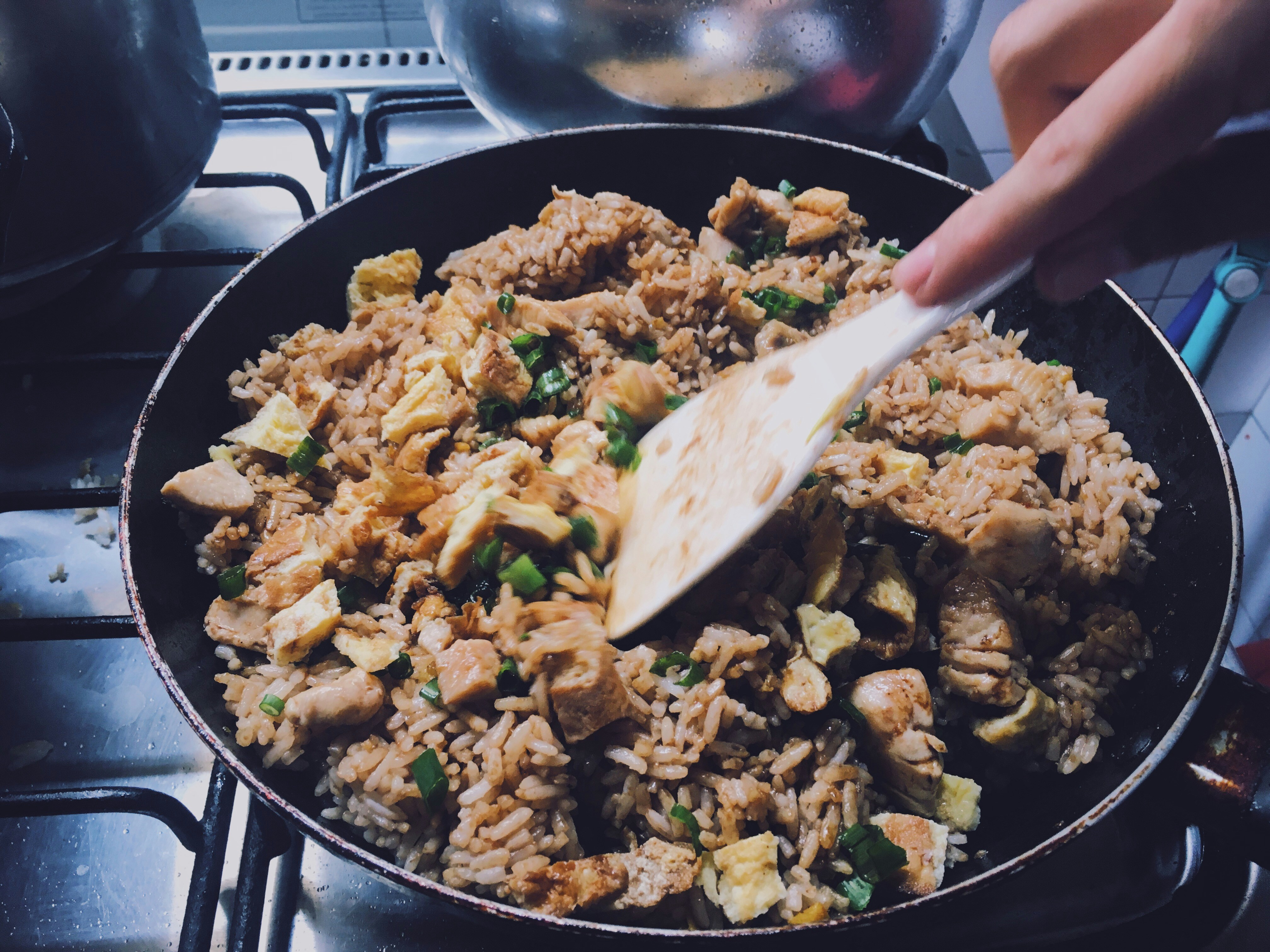
Utilizing these three components in unison requires an understanding of their respective strengths and the right techniques to maximize their potential. For instance, it is common to sauté minced ginger and garlic in hot oil as a base for numerous stir-fries and sauces. This approach allows the vibrant flavors to infuse the oil, which then acts as a carrier for the other ingredients in the dish. Following this, adding chopped scallions towards the end of cooking preserves their bright color and crisp texture, providing a contrast to the cooked elements.
Other classic combinations include the popular dish “Ginger Scallion Noodles”, where ginger and scallions form the primary sauce base, often accompanied by soy sauce and sesame oil. Similarly, the iconic “Three Cup Chicken” features a mixture of these ingredients that meld into a lush sauce, promoting harmony among the flavors while facilitating the chicken’s absorption of aromatic goodness. By varying the cooking techniques—be it mincing, slicing, or chiffonading—one can manipulate the intensity of flavors each ingredient contributes.
Moreover, in the preparation of broths and soups, components of this trinity can introduce layers of flavor that support and enhance the overall dish. The simultaneous use of ginger, garlic, and scallions not only establishes a strong foundation but also allows the cook to experiment with additional ingredients, bringing forth a rich tapestry of tastes and aromas that are quintessential to Chinese cooking.
Ginger: Preparation and Uses
Ginger, a key ingredient in many culinary traditions, particularly in Chinese cooking, offers a distinct flavor profile and numerous health benefits. This root has been recognized for its anti-inflammatory and digestive properties, making it a popular choice for a variety of dishes as well as for medicinal purposes. When incorporating ginger into your cooking, understanding its forms and preparation methods is essential for maximizing its flavor and benefits.
When selecting ginger, freshness is vital. Look for firm, smooth roots that are free from wrinkles or soft spots, as these indicate age. Fresh ginger is characterized by its aromatic scent and a slight spiciness. Dried ginger, while more shelf-stable, has a concentrated flavor profile that is distinct from its fresh counterpart. It is often used in spice blends or in recipes where a more robust taste is desired.
Preparation of fresh ginger is straightforward. The outer skin can be peeled using a spoon or a vegetable peeler, with the latter being preferable for thicker roots. Once peeled, ginger can be sliced, minced, or grated depending on the dish. Minced ginger provides a strong flavor for marinades or stir-fries, while grated ginger is ideal for desserts and sauces. Additionally, ginger can be infused in hot water to create a soothing tea, combining both flavor and health benefits.
Ginger’s versatility extends to its culinary uses; it can be incorporated into savory meals like braised dishes, stir-fries, and soups, and it is also commonly used in sweet applications, such as teas, cookies, and cakes. Storing ginger is equally important to maintain its freshness. Keep it in a cool, dry place or refrigerate it wrapped in a paper towel to absorb moisture. Proper storage not only prolongs its shelf life but also preserves its zesty flavor.
Garlic: Preparation and Uses
Garlic (Allium sativum) serves as a cornerstone in various culinary traditions, and its role in Chinese cooking is particularly distinguished. This aromatic bulb is not only revered for its robust flavor but also for its numerous health benefits, including its potential to enhance immune function, improve cardiovascular health, and provide anti-inflammatory properties.
Garlic can be used in various forms, each offering unique attributes. Fresh garlic is the most potent; it can be minced or sliced to release its strong flavor, making it ideal for stir-fries and marinades. Powdered garlic, on the other hand, offers convenience and a milder taste while being a suitable substitute in recipes where fresh garlic is not available. Roasted garlic takes on a sweet, caramelized flavor when cooked, providing a delicious alternative that can be used in dips or spread on bread. Each form of garlic brings something distinctive to the dish, highlighting its versatility in culinary applications.
In Chinese cooking, garlic is often used in combination with ginger and scallions to create a flavor base for many dishes. It can enhance the richness of meats, the freshness of vegetables, and even the umami of seafood. While garlic imparts a delightful flavor, it can also emit a strong aroma that may overpower certain dishes. To mitigate this, chefs often employ specific techniques such as lightly sautéing garlic to mellow its intensity or combining it with other ingredients that can balance its pungency.
In conclusion, garlic plays an integral role in Chinese cuisine, not only for its flavor and health benefits but also for its adaptability in various forms. By understanding its uses and preparation methods, home cooks can effectively incorporate garlic into their dishes, enhancing both taste and nutritional value.
Scallions: Preparation and Uses
Scallions, commonly known as spring onions, are a versatile ingredient in Chinese cooking, offering a mild yet distinctive flavor that can enhance a variety of dishes. Each part of the scallion contributes uniquely to the overall taste and presentation of a meal. The white part is particularly crisp and has a stronger flavor, making it suitable for applications such as stir-frying, where its essence can infuse the dish effectively. Conversely, the green part is tender and has a fresher, more refreshing taste, often used as a garnish or incorporated into salads to add a pop of color and subtle flavor.
Preparation of scallions is straightforward, but attention should be given to ensure optimal use. First, rinse the scallions under cold water to remove any dirt or grit. For a basic preparation, trim the root ends and remove any wilted outer layers. When chopping scallions, it is advisable to use a sharp knife to obtain clean cuts, preserving their texture. Some recipes may suggest slicing the white and green parts separately to control the release of flavor during cooking.
In terms of culinary applications, scallions shine in both raw and cooked formats. When used raw, scallions can add a crisp element to fresh dishes such as slaws, salsas, and garnishes atop soups and dumplings. Their bright green tops can be finely chopped and sprinkled to elevate the visual appeal while imparting a mild onion flavor. When cooked, the white parts can be sautéed to release their essential oils, serving as a flavorful base for stir-fries, marinades, and sauces. Additionally, scallions can be incorporated into savory pancakes or omelets, proving their adaptability.
Integrating scallions into meals not only enhances flavor but also adds nutritional benefits, including vitamins A, C, and K. Utilizing both the white and green parts ensures a comprehensive flavor experience, elevating dishes made with this beloved ingredient.
FAQ: Common Questions About the Holy Trinity
When it comes to incorporating ginger, garlic, and scallions—the essential components of Chinese cuisine—into your cooking, many questions arise that can enhance your culinary experience. One common query revolves around the easiest methods for peeling ginger. A popular approach is to use the edge of a spoon to gently scrape the skin off the ginger root. This technique is not only efficient but also minimizes waste, allowing you to utilize more of this flavorful ingredient in your dishes.
Another frequently asked question pertains to the efficacy of jarred or ‘lazy’ ginger and garlic. While these convenient options offer time-saving benefits, they often lack the vibrant flavor and health benefits associated with fresh versions. The process of chopping or mincing fresh garlic and ginger releases aromatic oils and enzymes that contribute to their distinctive tastes and nutritional advantages. Therefore, while jarred options can be helpful in a pinch, they may not deliver the same depth of flavor as their fresh counterparts.
Furthermore, many cooks seek clarification on which parts of the scallion to use in their preparations. The scallion, also known as green onion, is a versatile herb that consists of both the green tops and the white bulb. The green tops provide a milder taste and can be used as a garnish or in salads, while the white bulb holds a more robust flavor and is often utilized in stir-fries and soups. Both parts contain valuable nutrients, making them beneficial additions to your meals. Understanding these distinctions allows for more informed cooking choices, elevating your dishes and enriching your overall culinary knowledge.

![7 Secrets to Velveting Chicken for Melt-in-Your-Mouth Stir Fry [Chef Tested]](https://lezata.com/wp-content/uploads/2025/10/image-52-768x419.png "7 Secrets to Velveting Chicken for Melt-in-Your-Mouth Stir Fry [Chef Tested] 5")