7 Best Chili Paste to Substitute Doubanjiang Revealed
Last Updated on 2025-11-04 by Suryo
Welcome to the flavor laboratory! As a seasoned chef and food historian, I understand the panic when a recipe calls for the magical, umami-packed Doubanjiang (Spicy Fermented Broad Bean Paste) and your pantry is tragically empty. Doubanjiang, especially the Pixian variety, is the heart and soul of authentic Sichuan cooking, offering a deeply fermented, savory, and spicy kick that’s truly unique. However, panic no more! Based on our analysis, there are several powerful and often superior Chili Paste to Substitute Doubanjiang that will save your Mapo Tofu or Twice-Cooked Pork.
The common mistake is thinking any plain chili sauce will do. The secret to Doubanjiang is the fermented bean component, which delivers a savory depth, or umami, that regular chili pastes lack. Our mission here is not just to find a substitute, but to guide you to a **chili bean paste replacement** that preserves the integrity of your dish, using readily available ingredients. We’re going to dive deep into the best fermented chili paste alternatives you can find.
Key Takeaways: The Umami Shortcut
The core challenge is replicating the unique trio of flavors in Doubanjiang: Spicy Heat, Salty Fermentation, and Umami Depth. The best Doubanjiang substitutes (like Gochujang or Toban Djan) always combine chili with a fermented element. Don’t use a straight hot sauce; you’ll lose the foundational flavor complexity.
The Scientific Approach to Chili Paste to Substitute Doubanjiang
**Best practices are** to first understand what makes Doubanjiang irreplaceable. It’s made from fermented broad beans, chili peppers, salt, and often wheat flour. It’s the long fermentation process that creates that earthy, robust, and complex flavor. When looking for a chili paste to substitute Doubanjiang, we are essentially looking for another fermented paste, or a combination of ingredients, that can mimic this profile.
Mimicking the Fermented Bean Base
Fermented soybean pastes, like Miso or Doenjang, are your foundation. They provide the necessary savory, earthy flavor. However, they lack the heat and color. This is where your chosen chili paste comes in. The combination is a clever, expert-level maneuver. For deeper insight into flavor mastery, consider reviewing our guide on Mastering Stocks and Sauces: A Chef’s Guide to Unlocking Flavor.
7 Secrets: The Best Chili Paste Alternatives for Authentic Flavor
Here are the most effective and widely available alternatives. Each offers a different twist, allowing you to tailor the flavor profile to your specific recipe.
1. Gochujang: The Korean Cousin (Best Overall Replacement)
Gochujang, the famous Korean chili paste, is arguably the closest and most accessible chili bean paste replacement. It’s made from fermented soybeans, glutinous rice, and chili powder. Why it works: It has the crucial fermented base. The Catch: It is significantly sweeter than Doubanjiang and has a smoother texture, so you might need to reduce any sugar in your recipe and potentially add a pinch of salt. Based on **our analysis**, a 1:1 substitution ratio works well, but start with slightly less Gochujang and taste as you go.
2. Sambal Oelek: The Fiery, Fresh Option
Sambal Oelek is an Indonesian chili paste primarily made from raw, ground chili peppers, vinegar, and salt. Why it works: It brings the necessary heat and bright, vibrant color. The Catch: It lacks the deep, earthy umami of a fermented bean paste. To use it as a powerful Doubanjiang substitute, the best practice is to mix it with a savory, un-spicy fermented paste, such as a plain Chinese Black Bean Paste or dark Miso. This combination creates a more rounded flavor profile.
3. Toban Djan: The Near-Identical Twin
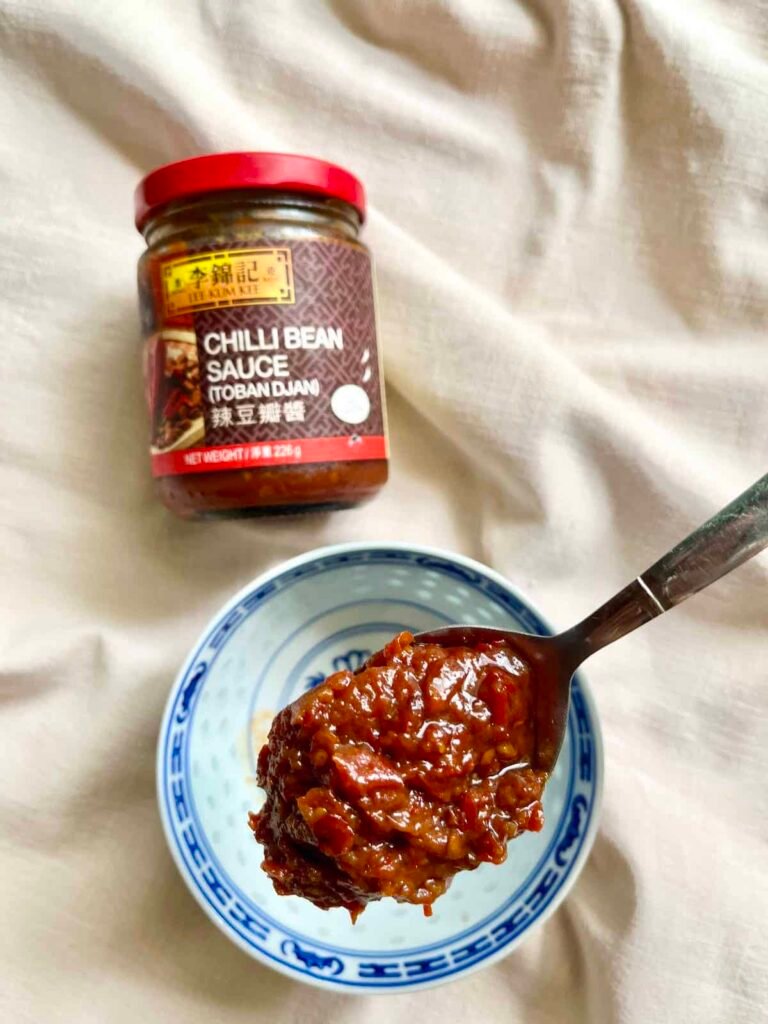
Toban Djan is often another name for Doubanjiang, specifically a Cantonese or general Chinese version. However, **the common error that often occurs** is that this version is often milder and less aged than the revered Sichuan Pixian Doubanjiang. Why it works: It contains the exact fermented broad bean base. The Catch: If your recipe calls for the intense heat of Sichuan-style **chili paste to substitute Doubanjiang**, you might need to stir in a small amount of high-quality chili oil or chili flakes to boost the spice level.
4. Fermented Black Bean Paste + Chili Oil
This is a chef’s hack! Take a non-spicy Chinese Fermented Black Bean Paste (Douchi/Tauco) and mix it with high-quality, fragrant Ultimate Guide to Making Chili Oil. Why it works: The black bean paste brings the salty, deep umami flavor and chunky texture, while the chili oil provides the heat and red color. You have complete control over the spice level, which is a massive advantage.
5. Dark Miso + Red Chili Sauce (The Japanese Twist)
A more unconventional but highly effective alternative. Dark Miso (e.g., Hatcho Miso) has a deep, savory, long-fermented flavor that closely resembles the umami of Doubanjiang. Why it works: Excellent umami and body. The Catch: The flavor profile is still distinctly Japanese. You must add a simple, neutral hot sauce (like Sriracha or a basic red pepper paste) to match the heat and color. Remember to dilute the thick Miso with a little water before use to match the consistency.
6. Ssamjang (Korean Dipping Sauce)
Ssamjang is another Korean paste, a mix of Gochujang and Doenjang (fermented soybean paste). Why it works: It’s a ready-made mix of fermented bean and chili. The Catch: It contains garlic, sesame oil, and sometimes sugar, making it much more complex and less neutral. It’s an acceptable substitute for stir-fries but will drastically change the flavor of delicate dishes like Ma Po Tofu. Use this only in a pinch for robust recipes, like those in our Guide to Mastering Authentic Chinese Food.
7. Homemade Fermented Chili Bean Paste (For the Ambitious)
For the true purist, there’s no better chili paste to substitute Doubanjiang than making your own simplified version. While authentic Pixian Doubanjiang takes years, you can create a 24-hour version by fermenting broad beans (or soybeans) with a generous amount of salt and chili powder, then mixing it with a bit of soy sauce and sesame oil. This gives you the core flavor profile without the multi-year wait.
Expert Analysis: Video Deep Dive into Sichuan Flavor
To truly appreciate the complexity we are trying to replicate with a Doubanjiang substitute, it’s invaluable to see the master ingredients in action. This video provides a fantastic visual guide to the core techniques that utilize this unique paste. It will help you understand why the proper texture and flavor balance are so critical, especially in classic dishes.
**Pay attention to the technique:** Watch closely how the chef in the video fries the Doubanjiang at the beginning of the cooking process. This is a crucial step called “browning,” which releases the aromas and dissolves the red pigment into the oil. When using a chili paste to substitute Doubanjiang, you must perform this step to develop its flavor fully. **A common error that often occurs** is adding it only at the end; this will result in a raw flavor.
Source: Original Video on YouTube
The Essential Flavor Building Blocks
When you successfully find the right best fermented chili paste alternative, your next step is to nail the overall flavor balance of your dish. It’s not just about the spice; it’s about the interplay of salt, heat, umami, and the classic Sichuan “Ma La” (numbing and spicy).
Balancing Salt and Umami
Many Doubanjiang substitutes (like Gochujang or Miso) can be saltier or sweeter than the original. Based on our analysis, always reduce the amount of salt or soy sauce you initially add. You can always add more, but you can’t take it away. **The best practice** is to taste your substitute seasoning before you add it to the wok.
The Texture Dilemma: Chunky vs. Smooth
Authentic Doubanjiang is chunky due to the broad beans. If you’re using a smooth chili paste replacement (like most Sambal Oelek or smooth Gochujang), you might miss that mouthfeel. A pro tip is to lightly crush a few preserved or fermented soybeans and mix them into your smooth paste before cooking. This simple step adds a much-needed textural component and boosts the umami, making your dish feel more authentic.
Beyond Substitutes: Mastering Sichuan Cuisine
Finding the perfect Chili Paste to Substitute Doubanjiang opens the door to a broader world of Chinese cooking. Once you have your core flavor paste, the next steps involve understanding proper wok technique and how to layer flavor. If you’re ready to expand your repertoire, don’t miss our The Only Stir Fry Sauce Recipe You Will Ever Need.
LEARN HOW TO MAKE PERFECT CHILI OIL NOW!