Stock vs Broth: What’s the Real Difference and When to Use Each

Introduction to Stock and Broth
Stock and broth are foundational elements in culinary practices, serving as the basis for countless dishes worldwide. While these terms are frequently used interchangeably, understanding their distinct characteristics is essential for any cook, whether amateur or professional. Stock is typically made from simmering bones, often with some meat still attached, along with a variety of vegetables, herbs, and spices. This lengthy simmering process allows the collagen from the bones to break down, resulting in a rich, gelatinous liquid that serves as a robust base for sauces, soups, and stews.
On the other hand, broth is usually prepared with a higher proportion of meat and a shorter simmering time. It emphasizes the flavor of the protein and may also include vegetables and aromatics for added depth. The resulting liquid is lighter and more delicate in flavor compared to stock, making it an excellent choice for dishes that require a subtler touch.
Moreover, the importance of choosing between stock and broth goes beyond mere preference; these two elements have unique culinary applications. For instance, stock is often utilized in more complex dishes needing a more intense base, while broth can serve as a standalone soup or a quick ingredient in lighter meals. Awareness of these differences not only enriches one’s cooking repertoire but also enhances the ability to make informed decisions in meal preparation.
As we continue this exploration into the nuances of stock and broth, we will delve deeper into their specific characteristics, health benefits, and practical uses in various recipes. By doing so, we aim to equip you with a comprehensive understanding of how to effectively incorporate each of these culinary essentials into your cooking practices.
Defining Stock
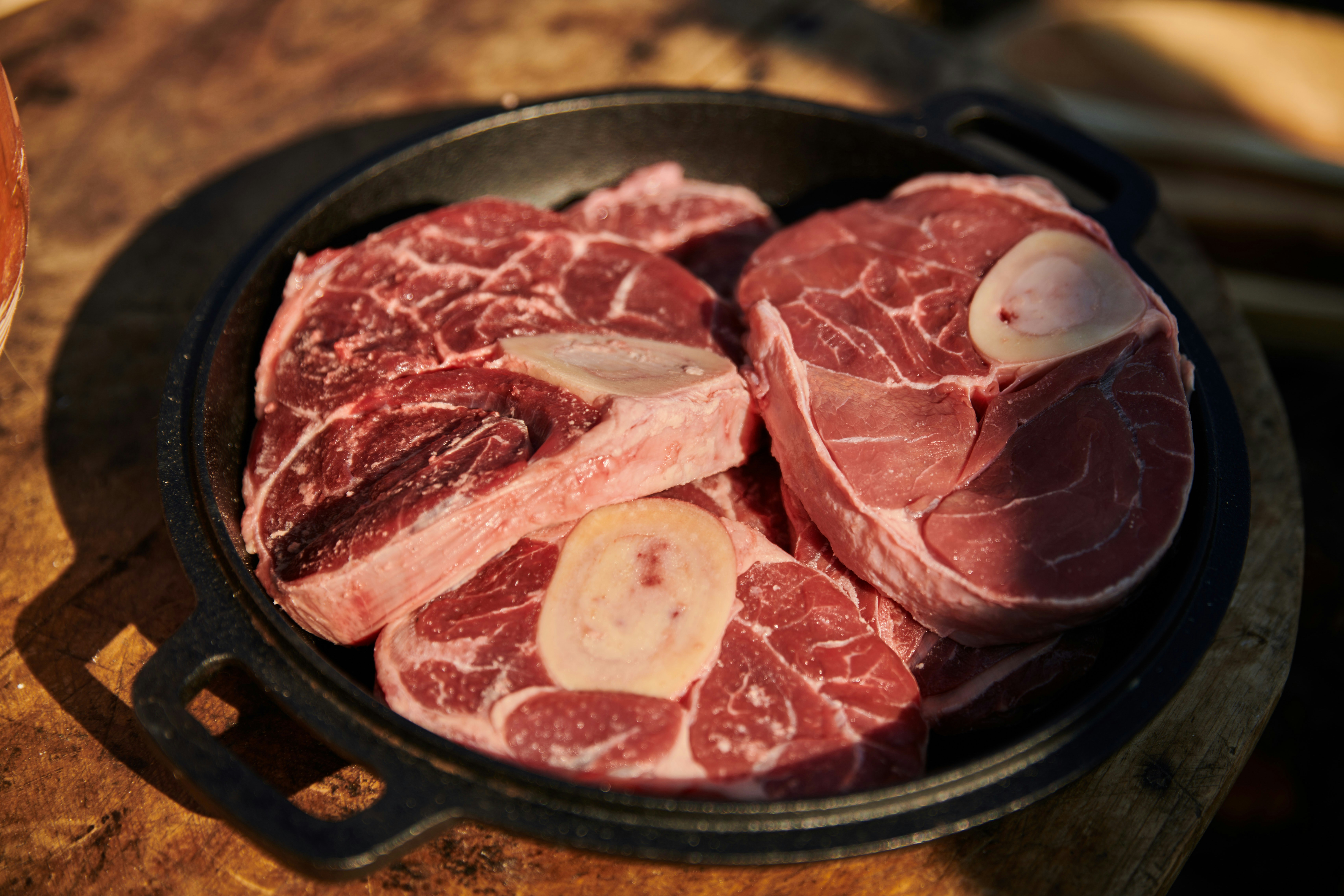
Stock is a culinary foundation used to enhance the flavor and body of a wide range of dishes. It is derived primarily from animal bones, which can include the skeletal structure as well as trimmings and other components. The preparation of stock involves a careful simmering process designed to extract proteins, collagen, and gelatin from the bones, resulting in a rich, flavorful liquid. This liquid serves as a base for sauces, soups, and stews, showcasing the essence of the ingredients used throughout the cooking process.
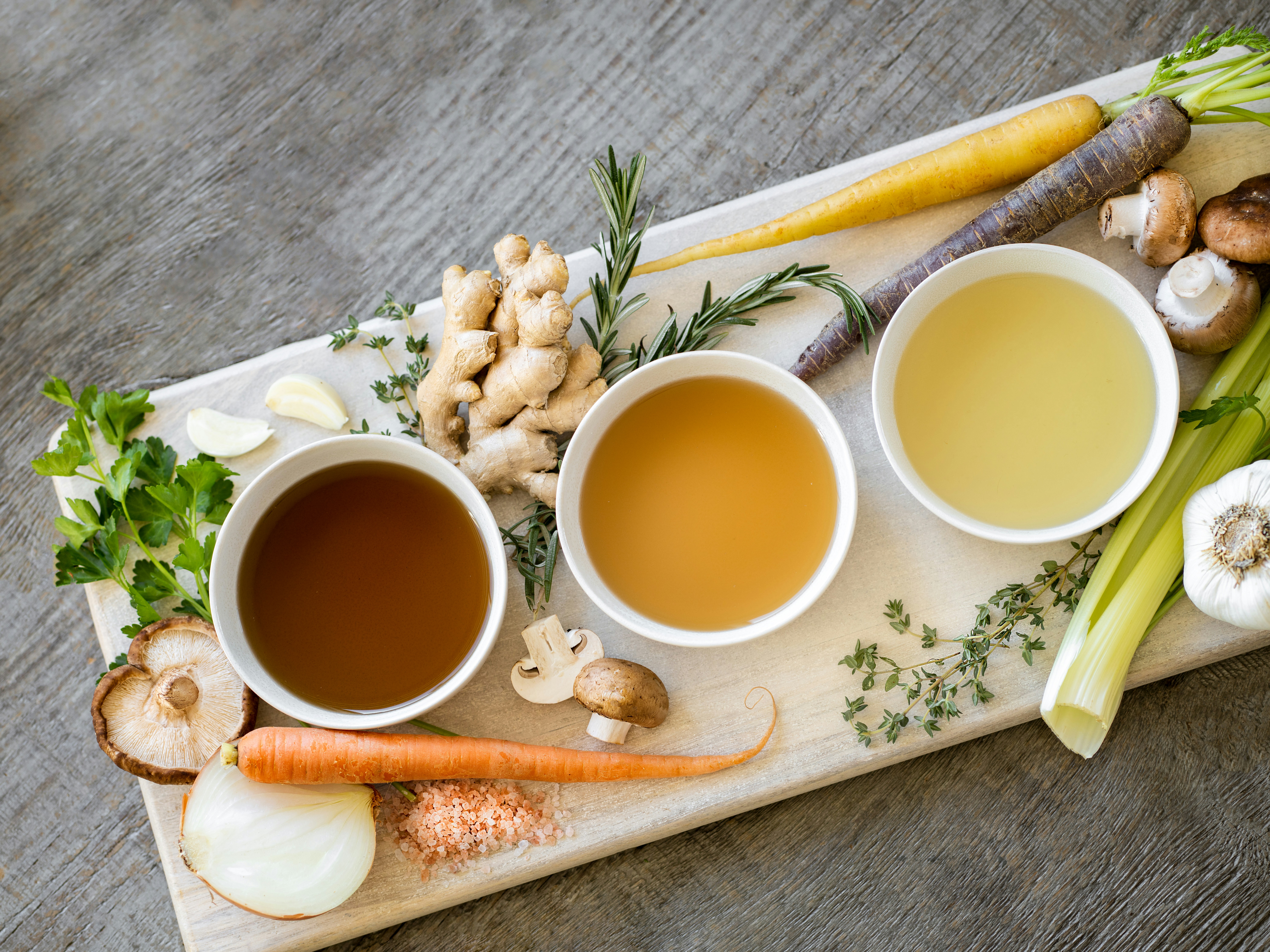
To create a high-quality stock, chefs often begin with roasted bones to develop a deeper flavor profile. The bones are then combined with cold water and a selection of aromatics such as onions, carrots, and celery—popularly referred to as mirepoix. Herbs and spices may also be added, though they should be used sparingly to allow the underlying taste of the stock to shine. The mixture is brought to a gentle simmer, allowing time for the flavors and nutrients to be extracted. Typically, stock is simmered for several hours, with the cooking time varying depending on the type of bones used. For example, beef stock may require longer simmering than chicken stock to achieve optimal flavor and substance.
This slow cooking process is critical for developing stock’s unique qualities, including its silky texture, which is largely attributed to the gelatin released during the simmer. This gelatin-rich liquid not only enhances the mouthfeel of dishes but also serves as an excellent medium for incorporating other ingredients, thus enriching the overall flavor profiles. By understanding stock’s technical aspects and preparation methods, chefs can elevate their cooking, resulting in dishes with depth and complexity.
Defining Broth
Broth is a flavorful liquid typically made by simmering meat, vegetables, and sometimes bones in water. This culinary staple serves as a base for numerous dishes, from soups and sauces to risottos and gravies. Unlike stock, which is primarily derived from bones, broth focuses more on the meat component, offering a delicate taste that can enhance a variety of recipes.
The preparation of broth often involves a relatively short cooking time, usually between one to two hours, which allows the flavors to develop without becoming overly intense. The use of fresh ingredients, such as herbs, onions, and spices, can further elevate the broth’s flavor profile. This emphasis on the combination of meat and vegetables results in a lighter consistency compared to stock, making broth an ideal choice for recipes that require a subtle background flavor.
In culinary settings, broth is incredibly versatile. It can be used as a cooking liquid for grains like rice or quinoa, where it adds moisture and enhances flavor. Additionally, broth serves as a comforting base for traditional soups, lending warmth and richness to the dish. Its role as a foundation for sauces and gravies is equally significant, providing a depth of flavor that elevates the overall meal. Moreover, broth can be enjoyed on its own as a nourishing beverage, particularly in cold weather.
Overall, broth stands out as an essential component in various cuisines, not merely for its taste but also for its adaptability. Its blend of meat and vegetables creates a unique liquid that is integral to many culinary applications, making it distinct yet crucial in the kitchen alongside stock.
The Technical Differences Between Stock and Broth
When considering the culinary applications of stock and broth, it is essential to understand their technical distinctions. Both share similar ingredients and methods of preparation, yet their unique characteristics derive from slight variations that significantly affect flavor and texture.
Stock is traditionally made from simmering animal bones, often including a few pieces of meat, and is typically cooked for a long duration, usually between four to six hours. This prolonged cooking time allows for the collagen within the bones to break down, resulting in a rich, gelatinous liquid. The use of bones—especially those containing marrow or joints—contributes to stock’s luxurious mouthfeel and robust flavor profile. Commonly, vegetables such as onions, carrots, and celery, collectively known as mirepoix, are added to enhance the taste during the long simmering process. Stock is often unseasoned or lightly seasoned, providing a blank canvas for a variety of dishes.
Broth, on the other hand, is made from simmering meat, often with parts such as chicken or beef. It generally cooks for a shorter period, ranging from one to two hours. The result is a lighter and more tuneful flavor, which relies heavily on the specific cuts of meat and accompanying vegetables used in the recipe. Broth can be seasoned with salt and spices, catering to its use as a stand-alone soup or as a base for sauces and gravies. Furthermore, the inclusion of meat in broth offers a heightened richness, though it lacks the gelatinous quality often found in stock due to the minimal involvement of bones.
In essence, the primary technical differences between stock and broth lie in their ingredients and cooking methods. Understanding these distinctions is crucial for any culinary endeavor, as they impact the flavor and texture of dishes. Selecting stock or broth depends on the desired outcome of a recipe, ensuring chefs achieve the best possible results.
When to Use Stock
Stock is a fundamental ingredient in culinary practices, highly regarded for its rich and layered flavor profile. It primarily serves as a base for sauces, gravies, and soups, enhancing the overall depth of complexity in a dish. Chefs and home cooks alike can elevate their culinary creations by incorporating stock at the right moments during cooking.
When preparing sauces, especially those requiring a reduction like demi-glace or pan sauces, stock serves as the backbone. The concentrated flavors from simmered bones and aromatics offer a robust foundation that can easily transform a simple reduction into a complex sauce. For instance, using chicken stock can infuse a richness that complements flavors like herbs and spices. Additionally, for gravies, stock can be utilized to deglaze pans, providing both moisture and flavor that captures fond—the caramelized bits left from sautéed meats.
In more complex dishes, stock can be used as an ingredient in braising or stewing processes. When braising meats, adding stock not only keeps the meat moist but also contributes essential flavors to the dish. The slow cooking process allows the stock to meld with the meat and vegetables, creating a harmonious balance that is difficult to achieve with just water. Likewise, when making risotto or other grain dishes, using stock instead of water results in a more tasty and aromatic final product, enriching the grains with additional flavor nuances.
Moreover, stock can be an effective tool in enhancing the taste of vegetable and legume dishes. It adds depth to minestrone or lentil soups, showing that stock has versatile applications across a wide range of culinary contexts. In conclusion, understanding when to use stock is key to achieving an elevated and flavorful culinary experience.
When to Use Broth
Broth serves as an essential culinary component, particularly noted for its rich flavor profile and comforting qualities. It is often utilized as a foundational element in various dishes, including soups, stews, risottos, and light sauces. When cooking with broth, it is crucial to recognize that it typically has a lighter texture and a more subtle taste compared to stock, making it suitable for a range of applications where a robust flavor is not the primary goal.
In soups, broth can add depth while allowing other ingredients, such as vegetables or proteins, to shine. For instance, a vegetable broth provides a gentle base that accentuates the freshness of seasonal produce, contributing to a balanced and healthy dish. Similarly, when creating a chicken soup, using broth as opposed to stock can result in a lighter and more delicate finish, perfect for those seeking comfort without overwhelming richness.
Additionally, broth lends itself well to stews where a delicate, yet flavorful liquid is necessary. Its ability to integrate seamlessly with spices and herbs enhances the overall profile, ensuring that each element of the stew remains distinct. Furthermore, broth can serve as an excellent base for light sauces, particularly pan sauces, where the goal is to deglaze and capture the essence of cooked proteins without the heaviness of a stock-based sauce.
Moreover, broth is increasingly popular in health-focused recipes, as many individuals seek the restorative benefits of sipping on warmed broth. This practice highlights its comforting aspect, making it an excellent choice for meals intended to nurture and satisfy. With its versatility, broth exemplifies a thoughtful selection for those who prioritize both flavor and health, ensuring that every dish can be crafted to suit varying preferences without compromising on taste.
Common Misconceptions: Interchangeability of Stock and Broth
The terms “stock” and “broth” are often used interchangeably in culinary discussions, leading to significant misconceptions about their respective properties and uses. While both stock and broth serve as foundational liquids in various recipes, they are not identical and should be utilized in accordance with their unique characteristics. Understanding these differences is crucial for achieving the desired flavor and texture in your dishes.
One of the primary distinctions between stock and broth lies in their ingredients and preparation methods. Stock is typically made from bones, often roasted to enhance flavor, simmered for an extended period, usually several hours. This process extracts gelatin and collagen from the bones, resulting in a thicker, richer liquid that contributes body and depth to sauces and soups. In contrast, broth is made primarily from meat and vegetables, simmered for a shorter duration, which offers a lighter flavor profile and is generally more suitable for dishes that require a cleaner taste.
This fundamental difference is crucial when it comes to recipe adherence. Substituting stock for broth or vice versa may alter the intended flavor and consistency of a dish. For example, using stock in a delicate soup can overwhelm the other ingredients, while broth may leave a hearty stew lacking depth. Practical tips for home cooks include tasting the stock or broth before using it and adjusting seasonings accordingly, as stock tends to have a richer taste that may require less additional seasoning. Recognizing these culinary distinctions empowers cooks to make better choices, leading to improved outcomes in their culinary endeavors.
Understanding these misconceptions and the unique roles that stock and broth play in cooking enables both amateur and seasoned chefs to harness their flavors aptly, ultimately resulting in dishes that are well-rounded and satisfying.
Exploring Bone Broth
Bone broth is a nutrient-dense liquid made by simmering animal bones and connective tissues over an extended period, typically ranging from 12 to 48 hours. This long cooking process extracts essential minerals, collagen, and amino acids, resulting in a rich and flavorful broth that is often praised for its health benefits. Unlike traditional stock, which may include meat scraps, bone broth primarily focuses on the bones themselves, yielding a more gelatinous texture due to the higher collagen content. This distinction is crucial as it differentiates bone broth from both broth and stock, which are generally prepared with meat and vegetables.
The rise in popularity of bone broth in recent years can be attributed to its supposed health advantages. Many health enthusiasts claim that bone broth supports joint health, aids digestion, and promotes skin elasticity. This surge in interest has led to a proliferation of commercial bone broth products, making it readily available in health food stores and supermarkets. The nutritional profile of bone broth sets it apart, as it is rich in minerals such as calcium, magnesium, and phosphorus, alongside valuable compounds like glucosamine and glycine that may contribute to its touted benefits.
Preparation of bone broth varies from that of stock or broth due to its extended cooking time. While stock is generally simmered for several hours, the prolonged simmering of bone broth allows for a deeper extraction of nutrients and flavor. Ingredients often include a variety of bones, such as marrow bones or knuckles, and optional additions comprising vegetables like carrots, celery, and onions for enhanced taste. Acidic components like vinegar or lemon juice are frequently added to help leach minerals from the bones into the broth, further enriching its nutrient content.
Health Considerations: Stock vs Broth
The health implications of stock and broth are discernible through their nutritional compositions and the benefits they offer. Stock, generally prepared with bones, contains nutrients that can be beneficial for bone health. During the cooking process, collagen is extracted from the bones, leading to a stock rich in gelatin. This gelatin can aid in intestinal health and support joint function. Additionally, stock is a source of minerals such as calcium, magnesium, and phosphorus, which are essential for various bodily functions, including bone development and maintenance.
On the other hand, broth, which is often made predominantly from meat and vegetables, provides a different nutritional profile. It tends to be lower in fat and richer in vitamins derived from the vegetables used in its preparation. Broth can contribute to hydration, as it is typically consumed in liquid form. It may also be favorable for those looking to reduce caloric intake while still benefiting from essential nutrients. The inclusion of herbs and spices in broth may add additional health benefits, potentially enhancing immune system function.
When considering which option is healthier, it largely depends on individual health goals and dietary requirements. For those seeking a richer source of calcium and collagen, stock may be the preferable choice. Conversely, for individuals focusing on a lower fat content with greater vegetable-derived vitamins, broth could be more advantageous. Ultimately, incorporating both stock and broth into a diet can diversify nutrient intake, supporting overall wellness. Thus, understanding the health considerations surrounding these two culinary staples is vital for making informed dietary choices.
FAQ: Stock vs. Broth
When delving into the culinary world, many home cooks and chefs alike often find themselves puzzled by the differences between stock and broth. One common question that arises is, “Can I use stock and broth interchangeably?” While both stock and broth serve as foundational elements in a variety of recipes, they do have distinct characteristics. Stock is typically richer and thicker due to its longer cooking time and the inclusion of bones, while broth is lighter and more subtle, usually made by simmering meat and vegetables. In some recipes, they can be substituted for one another, but the final flavor profile may differ, so it is advisable to consider the specific requirements of your dish.
Another frequently asked question is, “What is bone broth technically?” Bone broth has gained significant popularity in recent years for its purported health benefits. Technically, it is a type of broth that is made by simmering bones for an extended period, often 24 hours or more. This long simmering time allows for the extraction of collagen, amino acids, and minerals from the bones, creating a nutrient-rich liquid. While traditional broth is typically made with meat and vegetables, bone broth stands apart with its high gelatin content and often thicker consistency.
A pivotal concern for many health-conscious individuals is, “Which is healthier, stock or broth?” The health benefits can differ based on the preparation methods used for each. Stock generally contains higher protein content due to the bones and connective tissues, making it beneficial for joint health and immune support. Conversely, broth—which is often lighter and more suitable for hydration—may contain fewer calories while still offering flavor and nourishment. Ultimately, the choice between the two may come down to personal dietary preferences and the specific health benefits that one seeks.