Stop Throwing Away Scraps and How to Make Stock from Leftovers
Introduction to No-Waste Cooking
No-waste cooking is an innovative approach that encourages individuals to utilize every part of the ingredients they purchase, thereby minimizing food waste. This philosophy is increasingly important in today’s world, where environmental concerns and sustainability are at the forefront of consumer consciousness. By embracing no-waste cooking, consumers can not only contribute to a reduction in food disposal practices but also reap the rewards of cost savings and enhanced culinary flavors.
One of the most notable practices within this concept is the creation of stock from leftovers. Instead of discarding vegetable peels, herb stems, and meat bones, home cooks can transform these scraps into a rich, flavorful stock. This practice not only ensures that no part of the ingredient goes to waste but also leads to a more vibrant and robust base for soups, sauces, and other dishes. When these various elements are simmered together, they release their essential nutrients and flavors, resulting in a stock that elevates the overall taste of the finished meal.
In addition to its culinary advantages, making stock from leftovers is remarkably cost-effective. The act of repurposing ingredients that would otherwise be discarded serves as a budget-friendly solution for households. By implementing no-waste cooking techniques, individuals can expand their cooking repertoire while simultaneously contributing to the reduction of food waste in their communities. This conscious effort to utilize scraps is a step toward a more sustainable lifestyle, where every ingredient is valued and utilized to its fullest potential. Ultimately, embracing no-waste cooking not only benefits the individual but the environment as well.
What is Stock and Why Make It?
Stock is a flavorful liquid that forms the foundation of many dishes, including soups, sauces, and risottos. It is produced by simmering various ingredients, primarily bones, meat trimmings, vegetables, and aromatic herbs, in water. The slow cooking process extracts flavors, nutrients, and collagen from the ingredients, creating a rich, savory base that enhances the overall taste of culinary creations.
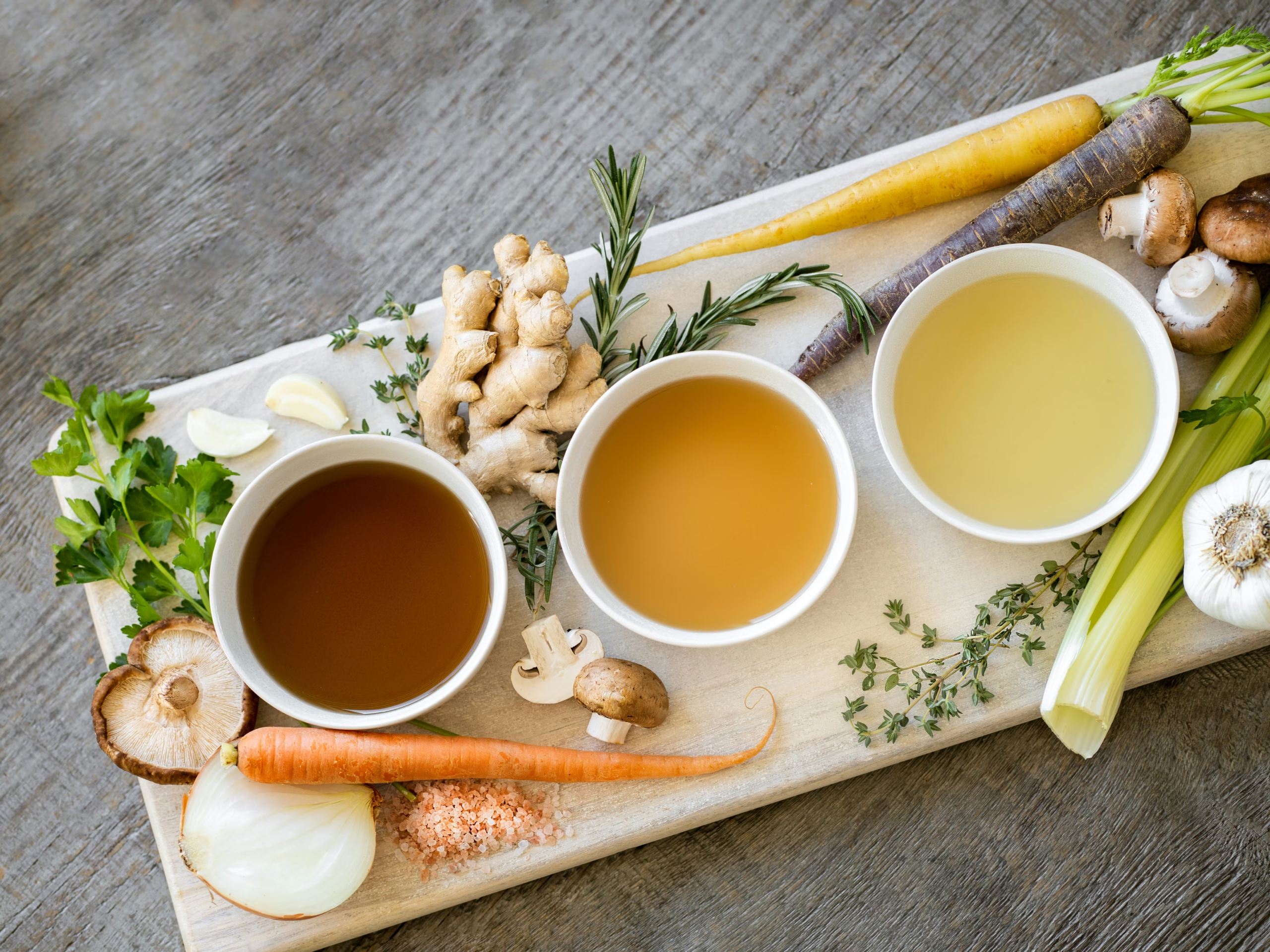
There are several types of stock, each offering its unique flavor profile. Vegetable stock is made from simmering a combination of vegetables, herbs, and spices, making it a versatile option for vegetarian and vegan dishes. Chicken stock is prepared using chicken bones, which provide a robust flavor and a hearty texture. Beef stock, on the other hand, originates from beef bones and connective tissues, resulting in a deep, rich taste ideal for more robust recipes. These various stocks can serve distinct purposes in the kitchen, depending on the dish being prepared.
Homemade stock stands out as a superior choice when compared to store-bought versions. One significant advantage is freshness; homemade stock is typically made immediately before use, allowing for the most vibrant flavors. Additionally, by making stock at home, cooks have complete control over the ingredients, enabling them to avoid preservatives and artificial additives commonly found in commercial products. Customizing stock also becomes feasible, whether by adjusting the salt levels, incorporating preferred herbs, or selecting specific vegetables. This personalization leads to a more satisfying culinary experience, as each batch can reflect individual taste preferences. Therefore, not only does making stock enables cooks to utilize leftover scraps effectively, but it also establishes a more flavorful and health-conscious cooking environment.
Setting Up Your Stock Bag: The Essentials
Creating a dedicated stock bag in your freezer is an excellent way to minimize waste and ensure you always have the right ingredients on hand for making stock. This practice not only helps in conserving resources but also promotes a more sustainable kitchen. The process begins with selecting suitable storage containers. Opt for resealable freezer bags or plastic containers with tight-fitting lids. Freezer bags are particularly advantageous as they take up less space and can be flattened to maximize room in the freezer.
It is crucial to select the right scraps for your stock bag. Vegetable scraps such as onion skins, carrot ends, celery leaves, and herb stems can all add flavor to your stock. When it comes to meat stock, using chicken carcasses or bones will yield a rich, hearty flavor. Avoid using any scraps that are overly spoiled or questionable, as this will negatively affect the taste of your stock.
Labeling and dating your stock bag is another essential step. As fresh vegetables and bones can last in the freezer for different lengths of time, it’s vital to know when the items were added. Use a permanent marker to write the date on the bag or container, along with a brief description of what it contains. This practice not only helps in tracking freshness but also encourages the use of older scraps before they lose their quality.
To maintain your stock bag effectively, periodically check its contents. Remove any items that have been in the freezer for too long and replenish with new scraps. This method will help keep your stock bag organized and ensure that you are always prepared to create homemade stock whenever needed, all while contributing to a more eco-friendly kitchen
What Scraps to Use for Stock: The Best Ingredients
When it comes to creating a flavorful stock, the scraps from your kitchen can play a pivotal role. Utilizing leftovers reduces waste and allows for the incorporation of a variety of rich flavors into your stock. Several ideal scraps can enhance your stock, each offering unique contributions to the final taste and nutritional profile.
Onion peels are among the most beneficial scraps to include in your stock-making endeavors. They add both depth and color, resulting in a golden hue that enriches the visual appeal of the stock. The outer layers of the onion are often packed with antioxidants, which enhance the health benefits of your stock. Similarly, carrot tops are an excellent option, providing an earthy flavor along with a boost of vitamins and minerals. They pair well with other vegetable scraps, combining to create a well-rounded base.
Another valuable scrap to consider is celery ends. These often-overlooked pieces carry essential oils and flavors that can elevate any stock. They lend a natural saltiness that enhances the overall taste, making your stock more savory without requiring additional seasoning. Additionally, chicken bones, especially those left over from a roast, are perfect for crafting a rich, hearty stock. The collagen and marrow extracted from the bones create a silky texture, providing a robust mouthfeel.
To maximize the benefits of these ingredients, it is best practices to collect and freeze scraps as you cook. Store them in airtight bags or containers in the freezer until you have a sufficient amount to make stock. When you’re ready to begin, combine your reserved scraps in a large pot, adding water and optional herbs such as thyme or bay leaf for additional flavor. This approach not only promotes sustainable cooking but also results in a delicious homemade stock that enhances countless recipes.
What Scraps to Avoid: Things Not to Include
When making stock from kitchen scraps, it is essential to be discerning about the ingredients you include. Not all leftovers are suitable for stock, and certain types should be avoided to maintain the quality and flavor of the final product. One common item to exclude is broccoli stems. Although they may seem like a practical addition, their strong flavor can dominate the stock, resulting in a taste that is unappealing and overpowering.
Similarly, potato peels should generally be left out of the stock bag. While they are a source of nutrients, they can impart a starchy and grainy texture that detracts from the smoothness of the stock. In addition, the bitterness associated with potato skins can further compromise the overall taste, making it vital to keep them out of your stock mix.
Another crucial point to note is the importance of not including any spoiled scraps. Using these can lead to an undesirable flavor profile and may even pose health risks. Spoiled items can introduce harmful bacteria, which could contaminate your stock, rendering it unsafe for consumption. It is advisable to check for freshness and avoid any ingredients that exhibit signs of spoilage, such as odd smells, discoloration, or mushiness.
Furthermore, overly bitter ingredients, such as certain herbs or vegetable scraps from veggies like eggplant, should also be omitted. These can impart an unpleasant taste to your stock. To achieve a pleasing flavor, focus on utilizing fresh and flavorful scraps, while being mindful of the characteristics of the ingredients you choose to include. Keeping these guidelines in mind will help ensure that your homemade stock is both delicious and nutritious.
Making Stock: The Process
Creating your own stock from kitchen scraps is an eco-friendly and economical method that maximizes the use of ingredients. To begin, gather your leftover vegetable scraps, such as onion skins, carrot tops, celery leaves, and garlic peels, and place them into a stock bag or container. Ensure you collect enough scraps to fill at least halfway to two-thirds of a large pot or stockpot, which will provide a rich and flavorful base.
Once your scraps are collected, transfer them into a large stockpot and cover them with cold water. The general rule of thumb is to use about 4 to 6 cups of water for every 1 cup of scraps. This ratio helps to achieve a desirable concentration of flavor without making the stock too watery or diluted.
Next, bring the mixture to a gentle boil over medium-high heat. Once boiling, reduce the heat to low and allow the stock to simmer. A longer simmering time generally results in a more robust flavor, so aim for at least 1.5 to 2 hours for vegetable stock. However, if you’re working with meat scraps or bones, you may wish to simmer for 4 to 6 hours to extract the maximum amount of flavor and nutrients.
During the simmering process, consider enhancing the flavor with a few additional seasonings. A couple of whole peppercorns, a few sprigs of fresh herbs like thyme or parsley, and a bay leaf can elevate the stock’s profile. Avoid adding salt at this stage, as it’s better to season the final dish once you know how the stock will be used. After simmering, allow the stock to cool slightly before straining it through a fine-mesh sieve or cheesecloth into a large bowl or container.
Once strained, your homemade stock is ready to be used in soups, sauces, or even to cook grains, providing a depth of flavor while also minimizing food waste.
Storing and Using Your Homemade Stock
Once you have taken the time to create your homemade stock from vegetable or meat scraps, proper storage is essential to prolong its freshness and flavor. A well-stored stock can enhance a variety of recipes, making it a valuable addition to your kitchen. The most common methods for storing stock are using jars or freezer bags, each with its own advantages.
Jar storage is ideal for those who plan to use their stock within a week or two. Choose glass mason jars that have airtight lids, ensuring that the stock is protected from air and potential contaminants. Be sure to allow the stock to cool completely before transferring it to the jars, as rapid temperature changes can lead to breakage. Once filled, leave about an inch of space at the top of each jar to accommodate expansion during freezing. Homemade stock generally lasts about 3 to 4 days in the refrigerator when stored properly in jars.
For longer storage, freezer bags are an excellent option. These bags take up less space and can be squeezed to remove excess air, minimizing the risk of freezer burn. To freeze stock in this manner, pour the cooled stock into the bags, ensuring they are sealed tightly. You can label each bag with the date and contents for easy identification. Stock stored in the freezer can last for up to 6 months, retaining its taste and nutritional quality. When you are ready to use the stock, simply thaw it in the refrigerator overnight or quickly in a saucepan over low heat.
Homemade stock offers numerous possibilities in everyday cooking. It can serve as a flavorful base for soups, sauces, risottos, and even grain dishes like quinoa or rice. Utilizing your stock creatively can enhance the overall taste of your meals while making the most of the scraps you would normally discard.
Frequently Asked Questions
When it comes to making stock from scraps, home cooks often have several inquiries to ensure they are maximizing their ingredients effectively. One common question is about the types of scraps that should not be included in the stock bag. It is advisable to avoid using scraps from certain vegetables, such as broccoli stems, cauliflower, and any parts of the cabbage family. These scraps can impart an undesirable bitter flavor to the stock. Additionally, avoid using any spoiled or moldy scraps, like wilted greens or rotten vegetable parts, as these may compromise the quality and safety of the stock.
Another frequent query is whether chicken and vegetable scraps can be mixed together. The answer is yes, you can combine these scraps to create a flavorful stock. However, it is essential to consider the cooking times and flavors of the ingredients you are using. Mixing the two types of scraps can yield a rich and hearty stock, but keep in mind that the final flavor will lean towards the dominant ingredient you use in greater quantities. Thus, it is often recommended to prepare separate stocks if you desire more distinct flavors.
Lastly, many home cooks wonder how long they can keep their scrap bag in the freezer. Typically, it is safe to store vegetable and meat scraps in the freezer for up to three months. Beyond that period, while the scraps may still be safe to use, their flavor and quality may diminish significantly. It is a good practice to label the bags with the freezing date, allowing you to maintain optimal freshness and ensure that you utilize your food waste effectively.
Conclusion: Embracing No-Waste Cooking
As we reflect on the importance of utilizing food scraps, it becomes clear that embracing no-waste cooking can significantly enhance our culinary experience while simultaneously supporting sustainable practices. By repurposing leftover vegetable peels, herb stems, and meat trimmings into flavorful stock, we not only reduce waste but also create a foundation for countless dishes. This simple yet effective technique allows us to savor the full spectrum of flavors that can emerge from what might otherwise be discarded.
Engaging in no-waste cooking encourages creativity in the kitchen. Every ingredient has the potential to transform into something delicious when approached with an open mind. For instance, experimenting with various combinations of scraps from different meals can lead to unique stock flavors that elevate your dishes. Whether adding remnants from a roasted chicken or blending in the tops of carrots, each choice contributes to a richer, more complex broth.
Moreover, this practice aligns with a growing movement towards sustainability, where reducing food waste has become a vital aspect of responsible eating. By consciously utilizing scraps, we not only contribute to environmental preservation but also cultivate a deeper appreciation for the food we prepare. This commitment to no-waste cooking can extend beyond stock-making; consider exploring ways to integrate other scraps into meals, such as using stale bread for croutons or wilting greens in stir-fries.
In adopting no-waste cooking habits, we invite a more mindful approach to our kitchen practices, enhancing our meals and reducing our ecological footprint. Let us challenge ourselves to continually find innovative methods for utilizing scraps, and in doing so, celebrate the culinary adventure that awaits in every leftover. Together, we can foster a culture of creativity and sustainability in food preparation.