How to Make an Amazing Pan Sauce in 5 Minutes: The Best Chef Trick
Introduction to Pan Sauces
Pan sauces are a culinary technique prized both by home cooks and professional chefs for their ability to transform simple ingredients into a complex and flavorful accompaniment for meats and vegetables. After cooking protein such as chicken, steak, or fish, the fond—browned bits of food and drippings—left in the pan serves as the foundation for these sauces, making them a testament to the core flavors of the dish.
The significance of pan sauces lies not only in their flavor but also in their efficiency. With minimal ingredients and preparation time, one can create an incredible sauce in approximately five minutes. This speed ensures that the meal can be elevated without extensive additional effort, making it an invaluable skill in any cook’s repertoire. The direct connection between the cooking process and the resulting sauce enriches the overall dining experience, highlighting the essence of what has been prepared.
The five-step process involved in crafting a pan sauce is straightforward yet effective. First, one must deglaze the pan, which involves adding liquid—commonly wine, broth, or vinegar—to dissolve the fond. Next, one reduces this liquid to concentrate the flavors. Following this, incorporating a fat, such as butter, enriches the sauce’s texture and taste. Seasoning is then adjusted to balance the dish, followed finally by straining the sauce if desired to achieve a smooth finish. This method not only saves time but also showcases the chef’s skill and attention to detail.
Incorporating pan sauces into everyday cooking can elevate meals from mundane to remarkable, making them an essential technique for anyone who desires to enhance the flavors of their dishes while maintaining simplicity and efficiency in the kitchen.
Step 1: Searing the Meat
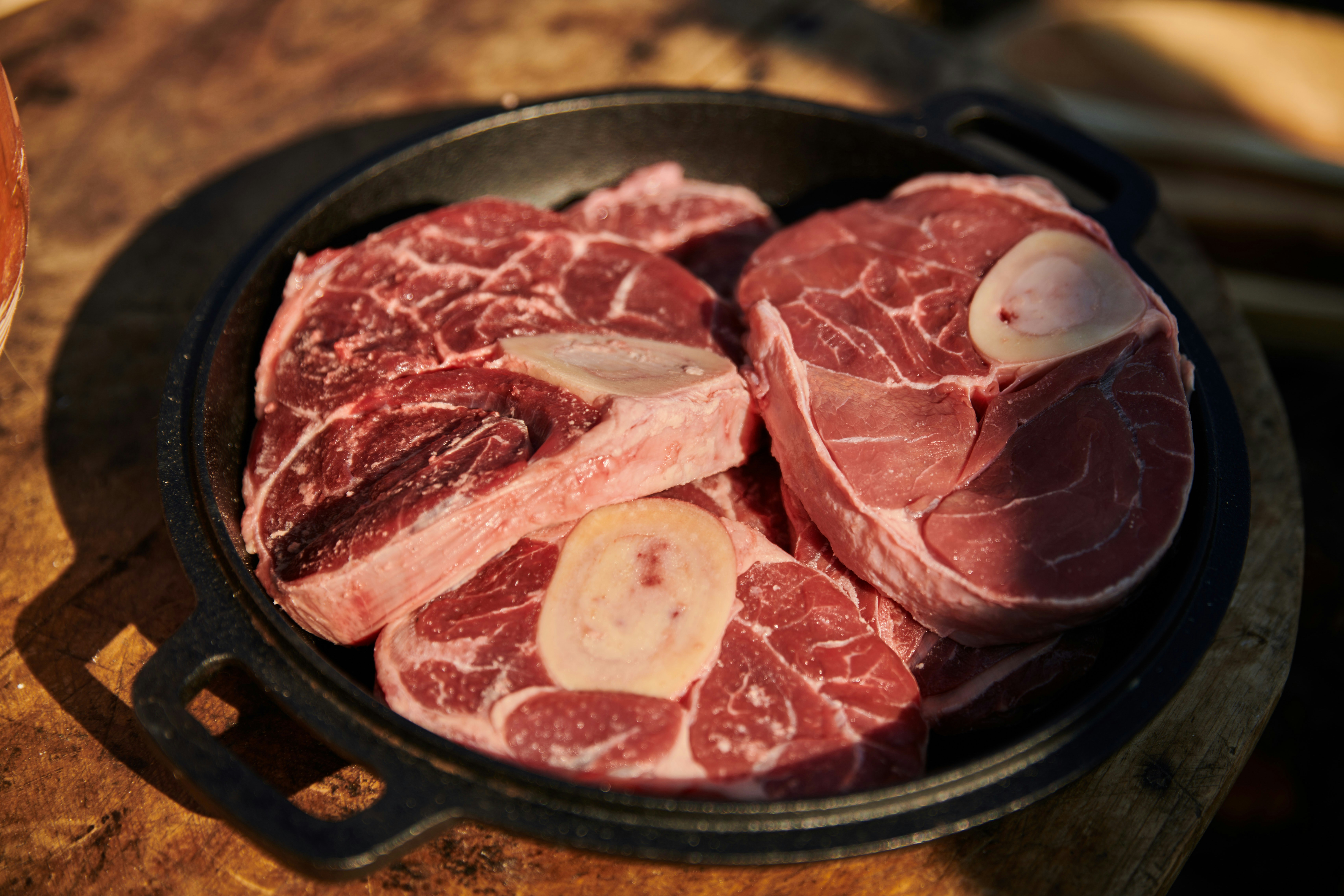
Searing meat is a fundamental technique in culinary arts that contributes significantly to the development of flavor through the Maillard reaction. This chemical reaction occurs when proteins and sugars in the meat come into contact with high heat, resulting in a complex array of aromas and a rich, deep color. The process not only enhances the flavor but also forms a delightful crust that will enrich your pan sauce.
When selecting meat for searing, consider options such as beef steak, pork chops, or chicken thighs. These cuts have sufficient fat and connective tissue, which can withstand the high heat necessary for a perfect sear. A well-marbled cut of beef, such as ribeye, is an excellent choice due to its inherent flavor and moisture retention. For pork, choose thick cuts to achieve a desirable crust without compromising tenderness.
The ideal cooking temperature for searing is typically between 400°F to 450°F (204°C to 232°C). This high temperature allows for an immediate sear that locks in moisture while generating that coveted caramelization on the surface. To achieve the best results, preheat your skillet or pan before adding the meat. A cast-iron skillet is often preferred for browning due to its ability to maintain high temperatures.
To ensure a perfect sear without overcooking the meat, start by patting the surface dry with paper towels. Moisture can hinder the searing process by creating steam rather than allowing that rich, golden crust to form. Additionally, avoid overcrowding the pan, as this can lower the cooking temperature and lead to uneven browning. Allow the meat to sear undisturbed for several minutes until it naturally releases from the cooking surface. Once you achieve that enticing texture and aroma, your meat will be ready to serve as the flavorful base for an incredible pan sauce.
Step 2: Adding Aromatics
In the realm of culinary techniques, the incorporation of aromatics such as shallots and garlic is pivotal in enhancing the flavor profile of a pan sauce. To achieve the best results, selecting the right aromatic ingredients is essential. Shallots offer a milder and sweeter taste compared to onions, making them particularly suitable for delicate sauces. Garlic, on the other hand, provides a robust flavor that can elevate the complexity of the sauce.
When preparing these aromatics, proper chopping techniques play a significant role in the final outcome. Shallots should be finely minced to ensure they cook evenly and fully integrate into the sauce. For garlic, using a microplane or a garlic press can create a paste-like consistency, allowing for a more intense flavor release. Alternatively, if a more subtle garlic presence is desired, thinly slicing the cloves can also be effective.
The timing of when to add these aromatics to the pan is crucial. After deglazing the pan and reducing the liquid, it is advisable to introduce the chopped shallots first. This allows them to soften and release their sweetness without browning, which could lead to a bitter flavor. Next, after the shallots become translucent and fragrant, garlic may be added. It is important to monitor the garlic closely, as it can quickly turn from fragrant to burnt, which would negatively impact the overall taste of the sauce.
Cooking these aromatics until they are just fragrant—avoiding any browning—will help maintain a balanced and nuanced flavor profile. This careful approach ensures that the resulting pan sauce is not only flavorful but also well-crafted, showcasing the importance of aromatics in gourmet cooking.
Step 3: Deglazing the Pan
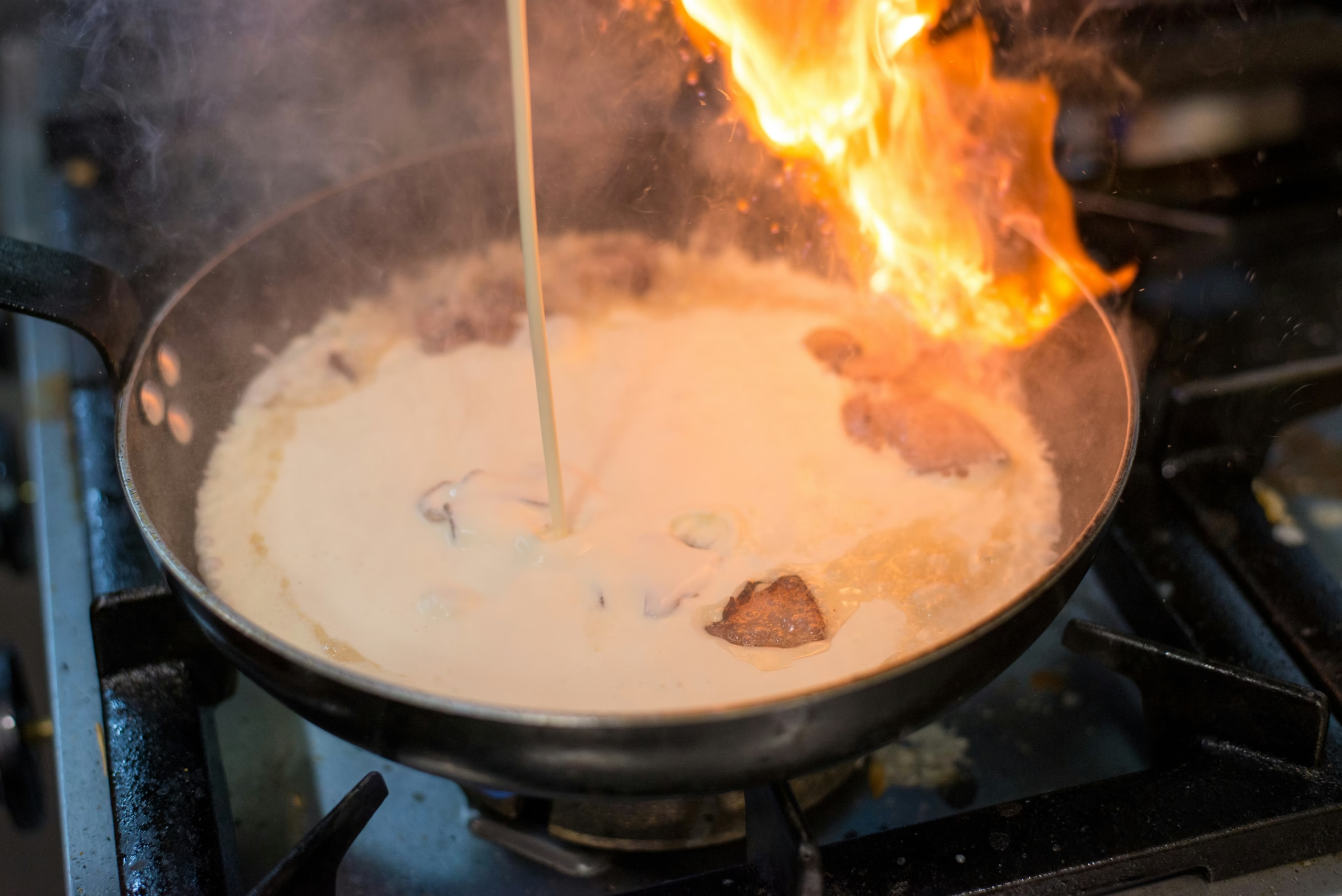
Deglazing is a crucial technique in creating a rich and flavorful pan sauce. After cooking meat in a skillet, a variety of browned bits, referred to as fond, accumulate on the bottom of the pan. This fond is a treasure trove of flavor that can elevate your sauce, contributing to its overall depth and richness. To effectively deglaze the pan, one must introduce a liquid that will aid in loosening these flavorful morsels.
Several types of liquid can be used for deglazing, including stock, wine, or even vinegar. When selecting a liquid, consider the flavor profile you want to achieve; for instance, using red wine might complement a beef dish, while white wine or chicken stock may work better with poultry. The use of acid, such as vinegar or citrus juice, can also enhance the sauce’s brightness and balance out richer flavors.
To deglaze the pan, begin by removing the cooked meat and setting it aside to rest. Pour your chosen liquid into the hot skillet, immediately starting to steam and sizzle. This high temperature is essential as it helps to release the fond. Using a wooden spoon or a spatula, gently scrape the bottom of the pan, combining the liquid with the browned bits. As you stir, the fond will dissolve, mingling with the liquid and returning its flavor to the sauce.
This process not only helps to create a cohesive sauce but also allows for the opportunity to incorporate additional ingredients such as herbs, shallots, or garlic into your pan sauce. By successfully deglazing the pan, you lay the foundation for a robust sauce with layers of flavor, ensuring that every bite of your dish is enhanced. The technique of deglazing is not just a step; it is a vital part of the culinary art that transforms simple pan drippings into an exceptional sauce.
Step 4: Reducing the Sauce
Once you have successfully deglazed the pan, the next crucial step is to reduce the sauce. This process is essential as it concentrates the flavors, enhances the overall taste, and achieves the desired consistency. Begin by bringing the mixture to a gentle simmer over medium heat. The goal is to allow the liquid to evaporate gradually without causing it to boil vigorously, which may lead to uneven cooking or burning.
The reduction process typically requires around 3 to 5 minutes, depending on the quantity of liquid left in the pan. During this time, keep a close eye on the sauce, stirring occasionally to ensure even evaporation. Signs that your sauce is adequately reduced include a noticeable thickening and a glossy appearance. A well-reduced sauce should coat the back of a spoon, leaving a distinct trail when you swipe a finger across its surface.
Temperature control during this process is vital. Maintain a medium heat to allow for steady evaporation while preventing the sauce from scorching. If you notice it thickening too quickly or starting to stick, you can lower the heat slightly. Additionally, tasting the sauce as it reduces is crucial. This allows you to assess the flavor balance and make adjustments to seasoning as necessary. If the sauce tastes too intense, a splash of broth or water can help tone it down. Conversely, if it lacks depth, consider adding a pinch of salt or a dash of acidity, such as lemon juice or vinegar, to elevate the flavors further. This careful attention to reducing the sauce ensures a delectable final product that enhances your dish beautifully.
Step 5: Finishing with Cold Butter (Monter au Beurre)
One of the signature techniques for perfecting a pan sauce is the final incorporation of cold butter, a method known as “monter au beurre.” This technique not only enhances the flavor of the sauce but also provides a sumptuous, silky texture that elevates the dish. The process requires careful attention to ensure that the buttery richness is integrated seamlessly without causing the sauce to separate.
To start, it’s important to remove the pan from the heat before adding the cold butter. If the sauce is exposed to direct heat during this process, the butter may melt too quickly, leading to an undesirable greasy texture. Instead, you should allow the sauce to cool slightly for a minute or so. This gentle approach helps to stabilize the emulsion and keeps the sauce creamy.
The amount of butter required typically depends on the volume of sauce produced. A general guideline is to use about one tablespoon of cold butter for every half cup of sauce. This ratio allows for a luxurious mouthfeel without overwhelming the other flavors in the pan sauce. As you incorporate the cold butter into the sauce, use a whisk to vigorously mix it in until it fully melts and the sauce becomes glossy. Aim for a smooth consistency without any visible butter chunks or separation.
For added depth and complexity, you can also consider flavoring the butter with herbs or spices prior to this step. This small adjustment can significantly impact the overall taste of the sauce, enriching your culinary creation. Moreover, don’t hesitate to taste the sauce after the butter is added; this will guide you in adjusting seasoning or adding further elements to achieve a well-rounded flavor profile. Using the ‘monter au beurre’ technique effectively is key to achieving that restaurant-quality pan sauce in mere minutes.
Common Mistakes and Troubleshooting
Creating an amazing pan sauce requires attention to detail, and even seasoned cooks can make mistakes during the process. One common error is burning the aromatics, such as garlic or shallots. This can occur if the heat is too high or if they are left unattended for too long. To prevent this, it is crucial to cook aromatics over medium heat and stir regularly. If the aromatics do begin to brown too quickly, adding a splash of liquid can help to cool the pan and salvage the sauce.
Another frequent issue is over-reducing the sauce. While reduction is essential for concentrating flavors, excessive reduction can lead to a sauce that is too thick or salty. To avoid this, keep a close eye on the consistency and stop reducing once the sauce can coat the back of a spoon. If the sauce becomes too thick, simply whisk in a bit more broth or liquid to return it to the desired consistency.
Achieving the right texture is pivotal in making a pan sauce that complements your dish. Some cooks may find that their sauce is too greasy or lacks the desired smoothness. This can happen if too much fat is retained in the pan. To remedy this, consider skimming some of the fat off the surface before adding the liquid components. Combining the ingredients well during whisking can help create a smoother texture, ensuring an appealing finish.
Lastly, seasoning is an essential aspect that can easily be overlooked. A sauce that lacks seasoning may taste flat. Always taste your pan sauce before serving and adjust with salt, pepper, and herbs as needed for a balanced flavor. By being mindful of these common pitfalls, you can troubleshoot your pan sauce effectively and transform potential errors into delicious learning opportunities, leading to scrumptious results in the kitchen.
Variations of Pan Sauces
Creating a delicious pan sauce is a versatile culinary technique that can be adapted to accommodate a wide array of flavors and ingredients. By using different herbs, spices, and aromatics, home cooks can produce an exciting variety of pan sauces that enhance the flavor of any dish. One popular variation involves the inclusion of fresh herbs like thyme, rosemary, or parsley; these can elevate the sauce by adding aromatic depth. Simply add the herbs to the pan at the end of cooking to ensure their fresh flavors are preserved.
Another excellent approach is to incorporate citrus elements such as lemon or orange juice. The acidity from citrus can brighten a sauce, balancing richness while providing a burst of freshness. Additionally, a splash of balsamic vinegar can introduce a touch of sweetness and complexity, transforming a basic pan sauce into a truly expressive accompaniment.
For those who enjoy a tangy kick, consider adding a tablespoon of Dijon mustard or whole grain mustard to the sauce. This ingredient can create a creamy texture and infuse the sauce with a delightful sharpness, making it an ideal match for roasted meats or grilled vegetables. Additionally, mixing in a splash of wine or broth can be a great way to deglaze the pan, incorporating the fond left behind from cooking and deepening the overall flavor profile.
Seasonal ingredients also play a crucial role in crafting pan sauces. In the fall, for example, adding butternut squash purée or even apples can create a heartwarming sauce that pairs exquisitely with poultry. On the other hand, summer herbs like basil or cilantro can bring vibrancy to lighter proteins such as fish or chicken. Being adaptive and creative in your approach to pan sauces allows for endless possibilities, making this cooking method an essential skill for any home chef.
Serving Suggestions
Incorporating a well-crafted pan sauce into your meals not only elevates flavor but also enhances presentation. The versatility of pan sauces allows them to pair beautifully with various proteins, making them a staple for any culinary enthusiast. Common proteins such as chicken, beef, pork, and fish all offer distinct textures and flavors that can be complemented by specific types of sauces.
For instance, a classic demi-glace or a red wine reduction works exceptionally well with steak or lamb. These rich sauces add depth and luxury to the dish, making them ideal for special occasions. When serving these proteins, consider drizzling the sauce delicately over the meat. This technique not only keeps the dish looking appealing but also ensures that each bite is infused with flavor.
On the other hand, lighter proteins such as chicken or fish benefit from zesty sauces, such as lemon butter or white wine sauces. These bright flavors can bring a refreshing contrast, especially when paired with sautéed vegetables or a side of grains. To enhance the visual appeal, spoon the sauce onto the plate first, then arrange the protein and sides around it, creating an elegant presentation.
Additionally, pan sauces can serve as a base for a composed plate. For example, a flavorful mushroom sauce can be spread across half the plate, further layered with roasted vegetables and perfectly seared chicken. Using this technique not only showcases the sauce but also allows the vibrant colors of the ingredients to shine through.
Ultimately, the way you serve your pan sauce can transform a simple meal into a gourmet experience. By considering the flavor profiles of the sauce and the key ingredients, you can create a beautifully plated dish that tantalizes the taste buds and impresses your guests.
Frequently Asked Questions about Pan Sauces
When it comes to creating a delicious pan sauce, many home cooks have questions regarding some essential techniques and ingredients. One common inquiry is about the term “deglaze.” To put it simply, deglazing is the process of adding liquid, such as wine or broth, to a hot pan after cooking meat or vegetables. This step is crucial as it helps lift the browned bits, known as fond, from the bottom of the pan. These flavorful morsels become the foundation of your pan sauce, infusing it with rich, savory notes.
Another frequent question revolves around the use of cold butter in the finishing process of a pan sauce. Cold butter is critical for achieving that velvety texture and gloss that many chefs seek. When cold butter is whisked into a hot sauce, it emulsifies and forms a silky consistency, enhancing the overall richness of the sauce. The cold temperature helps to prevent the butter from melting too quickly, which would result in a greasy texture rather than the desired creamy finish.
Some readers also wonder what to do when they find themselves cooking without any fond left in the pan. This scenario can occur if the meat was not properly browned or if there were insufficient drippings. In such cases, winning solutions include adding a splash of vinegar or citrus juice to introduce acidity and flavor. Additionally, incorporating aromatics such as shallots or garlic and allowing them to sauté briefly can create a base for your pan sauce. Additionally, you can add pre-prepared bases like bouillon or stock to enhance the flavor profile, making it possible to create a delectable sauce even without fond. This flexibility allows cooks of all skill levels to create exquisite sauces that elevate their meals.
![7 Best Heavy Cream Substitutes Alfredo Sauce That Go Viral [Insider Tips]](https://lezata.com/wp-content/uploads/2026/01/image-1-768x419.png "7 Best Heavy Cream Substitutes Alfredo Sauce That Go Viral [Insider Tips] 6")