How to Make Homemade Chinese Chili Oil: The Real Sichuan Way
Introduction to Sichuan Chili Oil
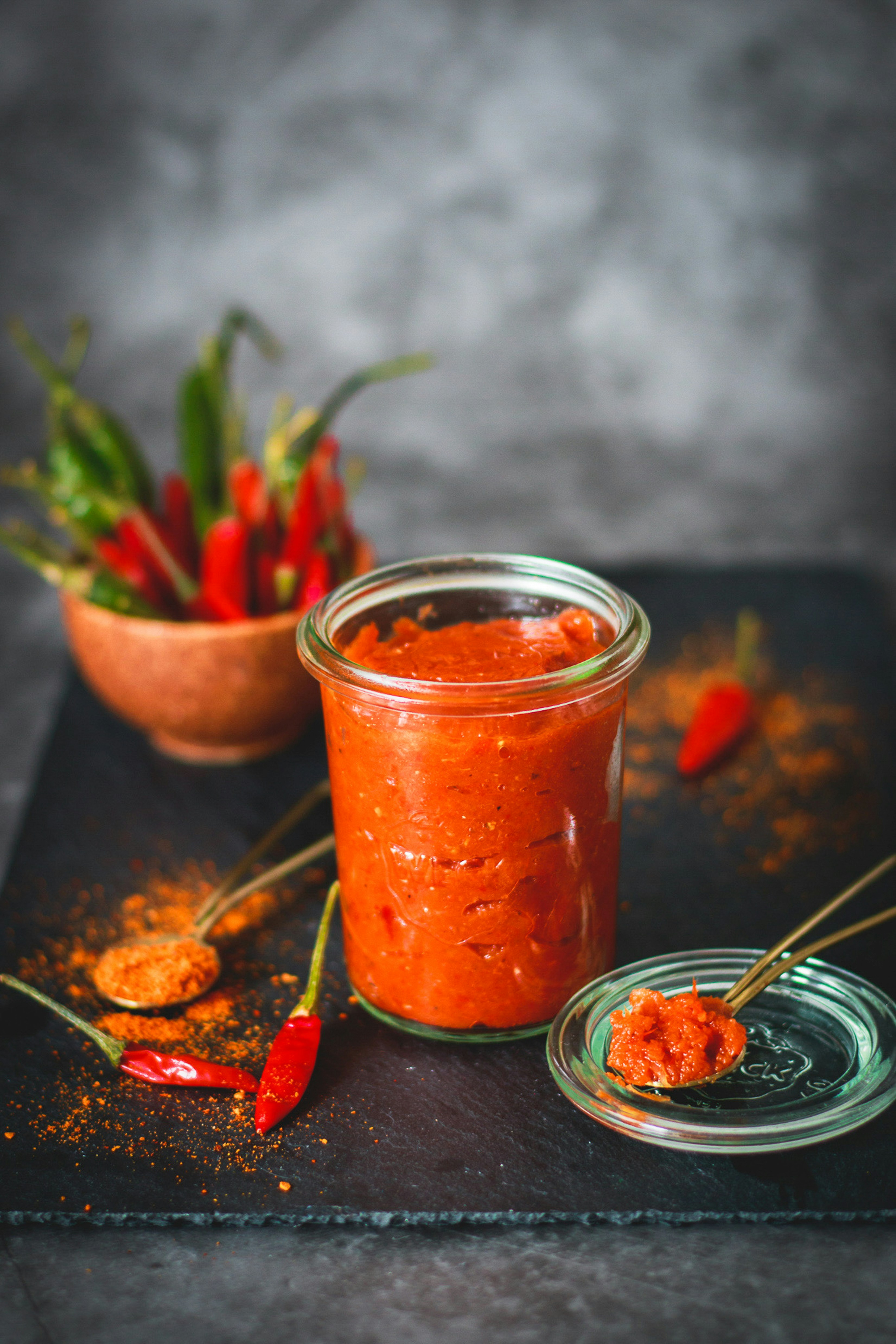
Sichuan chili oil, a staple in Chinese cuisine, is renowned for its profound, robust flavor profile that distinguishes it from other chili oil varieties. Originating from the Sichuan province, this culinary delight incorporates fragrant spices, crunchy garlic, and nutty sesame, creating a harmonious blend of heat and depth that enhances various dishes. Its unique composition not only elevates the taste of food but also adds an aromatic quality that tempts the senses.
What makes Sichuan chili oil exceptional is its intricate balance of flavors. The oil typically features infused ingredients such as star anise, Sichuan peppercorns, and dried red chilies, each contributing their distinct characteristics. The result is a piquant and aromatic oil that can transform simple recipes into extraordinary culinary experiences. Whether drizzled over dumplings, tossed with noodles, or used as a dipping sauce, Sichuan chili oil serves as a versatile condiment, complementing both vegetarian and meat-based dishes alike.
Making chili oil at home offers a gratifying experience, allowing cooks to customize the heat level and additional seasonings to suit their preferences. By preparing it yourself, you ensure the freshest ingredients and the freedom to create a unique blend that highlights personal tastes. Furthermore, homemade Sichuan chili oil provides a wholesome alternative to store-bought options, which often contain preservatives and artificial flavors. With just a few essential ingredients and a bit of time, you can craft a batch of this iconic oil that mirrors the authentic flavors found in traditional Sichuan cooking.
In this blog post, we will delve into the methods and ingredients required to make authentic homemade Sichuan chili oil, enabling you to explore the rich culinary traditions of this remarkable region.
Essential Ingredients for the Perfect Chili Oil
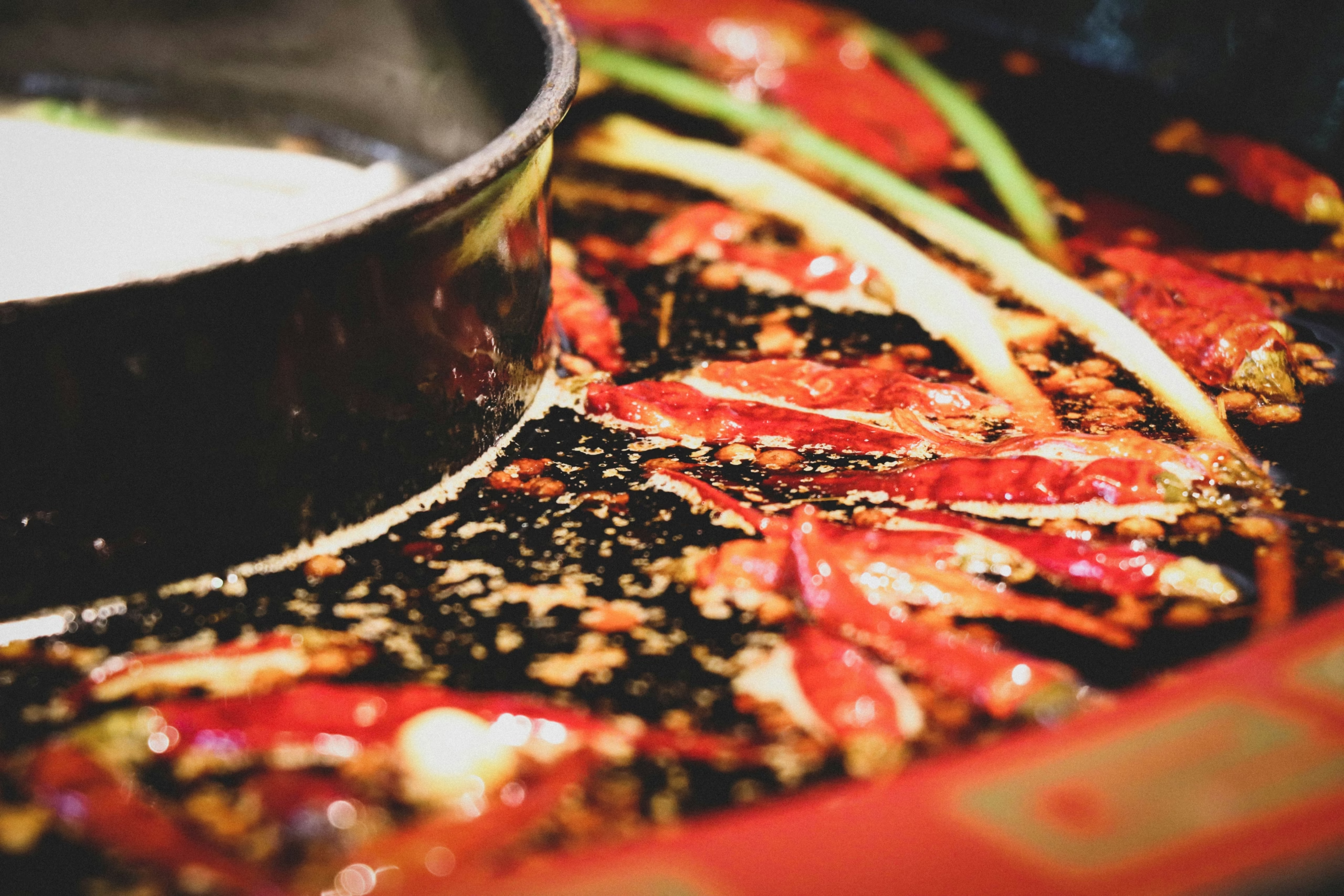
Creating authentic Sichuan chili oil requires a careful selection of essential ingredients that contribute not only to the taste but also to the aromatic complexity of the oil. At the heart of this preparation is the use of high-quality chili flakes. Sichuan chili flakes are ideal as they provide a distinct heat alongside a rich, smoky flavor. They are distinguished by their deep red color and granular texture, which infuse the oil with both vibrancy and spice. Selecting chili flakes from the region is crucial to achieving the authentic Sichuan experience.
Another fundamental component is sesame oil. Traditionally, toasted sesame oil is used due to its rich, nutty flavor, which complements the spices and enhances the overall richness of the chili oil. The balance between the oil and the spice is critical; hence, a careful ratio should be maintained to ensure that neither the heat nor the nuttiness overwhelms the other.
Aromatics play a significant role in brewing the distinctive flavors of Sichuan chili oil. Key aromatics include star anise and cinnamon. Star anise brings a unique licorice-like flavor that enriches the oil with sweetness and depth. On the other hand, cinnamon adds warmth and a subtle sweetness that balances out the heat from the chili flakes. Garlic, either fresh or dried, is also commonly used, contributing a savory layer that complements the spiciness. These ingredients should be measured in specific proportions to attain the desired flavor profile.
Utilizing this combination of chili flakes, sesame oil, and carefully selected aromatics is essential to creating a homemade Sichuan chili oil that authentically captures the bold, fragrant essence of this beloved condiment. When harmonized correctly, these ingredients work in concert to produce a chili oil that is both complex and versatile, suitable for various culinary applications.
The Importance of Aromatics in Infusing Oil
Aromatics play a crucial role in the process of infusing oil, especially when creating a flavorful homemade Chinese chili oil, the legendary condiment in Sichuan cuisine. By definition, aromatics are ingredients that add depth and complexity to dishes through their distinct fragrances and flavors. When it comes to chili oil, incorporating these aromatic elements before the infusion process significantly enhances the overall taste profile.
Spices such as star anise and cinnamon contribute unique notes that elevate the chili oil beyond mere heat. Star anise, with its sweet and licorice undertones, complements the spicy heat of chili flakes, creating a harmonious balance essential for any well-rounded chili oil. Similarly, the warm and earthy flavor of cinnamon introduces a subtle sweetness that can soften the sharpness of the chilies. These aromatic spices can be steeped in the oil prior to the infusion, allowing their essences to permeate the oil, rather than simply cooking with them, which risks burning and altering their flavor characteristics.
Another important aspect of aromatics in oil infusion is the timing of their addition. When aromatics are introduced prior to pouring hot oil over the chili flakes, they have the opportunity to release their essential oils and flavors into the heating oil. This step is critical; it ensures that the spices impart their fragrant qualities into the oil without overpowering the baseline flavors of the chili itself. This delicate balance is what makes Sichuan chili oil distinctive and desirable, appealing to those who appreciate the intricacies of flavor.
Ultimately, understanding the importance of these aromatics can transform a simple homemade chili oil into a culinary experience. By carefully selecting and timing the addition of these spices, one can achieve a perfect balance of warmth, heat, and depth in their chili oil preparation.
Step-by-Step Guide to Making Sichuan Chili Oil
Creating authentic Sichuan chili oil at home requires careful attention to ingredients and methods. This simple yet flavorful condiment can elevate various dishes, providing that distinctive heat and fragrance characteristic of Sichuan cuisine. Below is a comprehensive step-by-step guide to prepare this delectable chili oil.
Ingredients: Gather the following items: 1 cup of neutral oil (such as vegetable or canola), 1/2 cup of dried red chili flakes (preferably Sichuan chili flakes for an authentic taste), 1 tablespoon of whole Sichuan peppercorns, and optional aromatics like 2 cloves of garlic and 1-inch piece of ginger.
Tools: To efficiently create this chili oil, you will need a small saucepan, a heatproof bowl, and a fine mesh strainer or cheesecloth for straining the oil.
Step 1: Prepare Ingredients – Start by measuring out your dried chili flakes and Sichuan peppercorns. If desired, finely chop the garlic and ginger. These aromatics will infuse the oil with additional flavors.
Step 2: Heat the Oil – In your saucepan, combine the neutral oil and the whole Sichuan peppercorns. Place the pan over low heat, allowing the oil to gradually warm up to a temperature of around 250°F (120°C). This slow heating process ensures the spices flavor the oil without burning.
Step 3: Combine Ingredients – Once the oil reaches the desired temperature, remove it from heat. Carefully stir in the dried chili flakes, garlic, and ginger if using. Allow the mixture to cool slightly, as the residual heat will extract the vibrant flavors from the chilies and spices.
Step 4: Cool and Strain – Let the chili oil mixture steep for at least 30 minutes to develop its flavors. After this time, use a fine mesh strainer or cheesecloth to strain out the solids, transferring the oil to a clean, dry jar.
Step 5: Store – Seal the jar and store it in a cool, dark place. The chili oil can last for several weeks if kept sealed and away from light, allowing you to enjoy its robust flavor in a variety of dishes.
By following these steps, you can easily craft your own homemade Sichuan chili oil, enhancing your culinary experiences with its authentic taste and aroma.
Printable Recipe Card
Creating your own authentic Sichuan chili oil at home can be both satisfying and enjoyable. Below is a neatly formatted recipe card that provides all necessary ingredients and step-by-step instructions to replicate this aromatic condiment.
Ingredients:
- 1 cup vegetable oil
- 2 tablespoons Sichuan peppercorns
- 1 cup dried red chili flakes
- 5 cloves garlic, minced
- 1-inch piece of ginger, minced
- 1 tablespoon sesame seeds (optional)
- Salt to taste
Instructions:
- In a small saucepan, combine the vegetable oil, Sichuan peppercorns, garlic, and ginger. Heat over medium heat until the garlic and ginger are fragrant, approximately 5 minutes. Monitor closely to prevent burning.
- Remove the saucepan from heat and let it cool for a few minutes.
- In a heatproof bowl, add the dried red chili flakes and sesame seeds (if using). Carefully strain the heated oil mixture through a fine-mesh sieve over the chili flakes and seeds, ensuring all solids are discarded.
- Stir the mixture gently, allowing the oil to fully incorporate with the chili flakes.
- Season with salt to taste. Allow the chili oil to cool completely before transferring it to a clean, airtight jar.
- Store in the refrigerator for up to a month, where the flavors will continue to develop.
This recipe is designed to be easily printable, allowing you to conveniently save it for future reference in your cooking adventures. Enjoy crafting this delightful Sichuan chili oil that will enhance a variety of dishes with its rich flavor and vibrant heat.
Storing and Using Your Chili Oil
Proper storage is crucial for maintaining the flavor and freshness of your homemade Chinese chili oil. To preserve its potency, it is recommended to store the oil in a clean, airtight container. A glass jar is preferable, as it minimizes the risk of interaction with the oil that can occur with plastic containers. Ensure that the oil is completely cooled before transferring it to the storage container. This step is important, as any residual heat can lead to condensation inside the jar, which may introduce moisture and compromise the quality of the oil.
Once stored, place the container in a cool, dark area, away from direct sunlight and heat sources. Ideally, your chili oil should be kept in the refrigerator, where it can last for up to six months. However, if you plan to use it frequently, keeping it in a pantry is acceptable as long as it is kept cool and not exposed to light. Regularly check for any signs of spoilage, such as changes in color or odor, to ensure that your chili oil remains fresh and safe for consumption.
The applications for homemade chili oil are numerous and versatile, enhancing a variety of dishes across different cuisines. It can be drizzled over dumplings or served as a dipping sauce for spring rolls, complementing the flavors beautifully. In addition, consider incorporating it into stir-fried vegetables, noodles, or rice dishes for an added layer of heat and complexity. For those who enjoy creating unique marinades or dressings, chili oil can serve as an excellent base, delivering both flavor and spice. Overall, this condiment not only elevates the dishes it accompanies but also brings a touch of Sichuan cuisine to your table.
FAQ: Troubleshooting Common Issues
When making homemade Chinese chili oil, it’s not uncommon to encounter questions or concerns regarding the final product. One frequently asked question is: “Why isn’t my chili oil bright red?” The vibrant red hue of chili oil often stems from the type of chili flakes used and the extraction process. If your oil appears muted in color, consider using higher quality, vibrant red Sichuan pepper flakes or adjust the temperature during infusing. Slightly lower temperatures can result in a more vivid color without compromising flavor.
Another common concern revolves around shelf life—many enthusiasts wonder, “How long does this last?” Homemade chili oil, stored in a cool, dark place, can maintain its flavor and freshness for up to three months. To ensure optimal preservation, always use clean utensils when accessing the oil, and keep it in an airtight container. Beyond three months, while the oil may not become harmful, it may lose its potency and freshness in flavor, making regular oil replenishing important for your culinary needs.
Lastly, many individuals inquire, “What can I use this chili oil on?” The versatility of homemade chili oil is one of its greatest advantages. It can enhance a variety of dishes, including stir-fries, ramen, grilled meats, and vegetables. Additionally, it’s an excellent addition to salad dressings, marinades, and even drizzled over artisan bread. With chili oil, creativity is encouraged; feel free to experiment as you discover the flavors that resonate best with your palate.
Pairing Suggestions for Sichuan Chili Oil
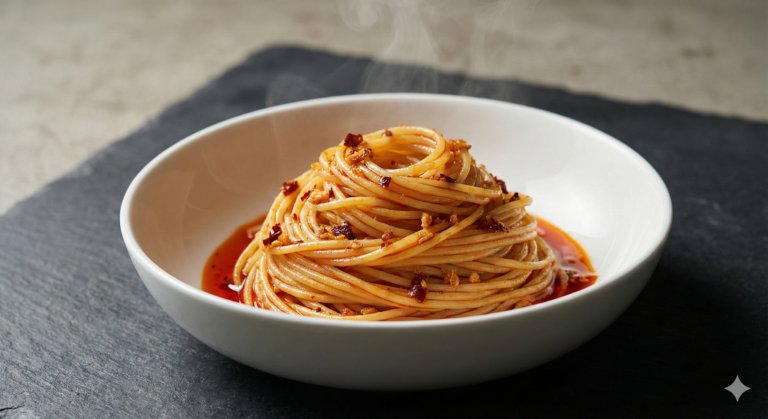
Sichuan chili oil is a versatile condiment that can elevate a variety of dishes, infusing them with a distinct and aromatic flavor. Its rich and spicy essence pairs particularly well with several traditional Chinese dishes as well as contemporary culinary creations. One of the most popular pairings for this fiery oil is with noodles. Whether in a cold noodle salad or hot soup, drizzling Sichuan chili oil over the top can enhance the dish with a depth of flavor that is both tantalizing and satisfying. Dishes such as dan dan noodles, known for their combination of sesame paste and ground meat, can achieve a harmonious balance when complemented with the spicy oil.
Dumplings also provide an ideal canvas for the intense flavors of Sichuan chili oil. Serving dumplings with a simple dipping sauce that incorporates the oil, soy sauce, and vinegar allows diners to experience the bold flavors that the chili oil brings to the table. The contrast of the oil with the tenderness of the dumpling wrappers and the fillings creates a delightful culinary experience, making it an indispensable addition to any dim sum feast.
Stir-fried dishes are another excellent way to utilize homemade Sichuan chili oil. Incorporating the oil at the cooking stage adds not only heat but also an aromatic flavor that enhances the overall profile of the dish. Consider sautéing vegetables, protein, or even rice with a spoonful of the chili oil, creating a robust dish that excites the palate. Additionally, it can be used as a finishing oil, providing a vibrant splash of color and flavor just before serving.
Lastly, incorporating Sichuan chili oil into dressings or marinades can bring a new dimension to salads and grilled meats. By blending the oil with citrus juice or soy sauce, one can create an invigorating dressing that wakes up any rustic salad or simply bastes grilled chicken with a burst of spiciness. The adaptability of Sichuan chili oil can undoubtedly transform everyday meals into extraordinary experiences. Culinary enthusiasts will find joy in experimenting with this dynamic ingredient.
Conclusion: Enjoying Your Homemade Chili Oil
Homemade chili oil, particularly when prepared using the authentic Sichuan method, offers an exceptional depth of flavor that can transform a variety of dishes. After investing time and effort into creating your own chili oil, you will undoubtedly appreciate the unique taste it brings to your culinary creations. Whether drizzled over dumplings, used as a dipping sauce, or incorporated into stir-fries, your homemade chili oil is a versatile staple that adds a flavorful kick to any meal.
In addition to its incredible taste, crafting this pantry essential allows you to tailor the spice level and ingredients to suit your personal preferences. This creativity not only enhances your cooking repertoire but also provides an opportunity to explore and experiment with different variations. For instance, you may wish to add additional ingredients such as garlic, ginger, or sesame seeds for a personalized touch. These tweaks can elevate your chili oil to new heights and make it a reflection of your culinary style.
As you embark on your journey with homemade chili oil, we encourage you to share your experiences and any variations you have tried. Engaging with others who appreciate this magnificent condiment can lead to a greater appreciation of its versatility and flavor. Our hope is that this enhanced chili oil not only enriches your dishes but also inspires you to experiment further in the kitchen. Enjoy the process, and relish in the satisfaction that comes from creating something uniquely yours. With each batch you make, you’re not only adding flavor but also contributing to a cherished culinary tradition that has been passed down through generations.