5 Key Differences Chili Crisp vs Chili Oil
Last Updated on 2025-11-01 by Suryo
As a food expert who has spent years exploring Asian cuisines, I can tell you the pantry has been electrified by two specific condiments. But this popularity has created massive confusion. Walk down any international aisle, and you’ll see jars of “Chili Oil” right next to jars of “Chili Crisp.” They look similar, they’re both red, and they both involve chili and oil. So, what’s the real story in the Chili Crisp vs Chili Oil debate? A common mistake is using them interchangeably, but this is like swapping jam for fresh fruit. They are fundamentally different, and using them correctly is the key to unlocking their true magic.
This guide will settle the difference between chili crisp and chili oil once and for all. We will dissect their components, their production, their flavor, and most importantly, their entirely different culinary jobs. Chili oil is an ingredient. Chili crisp is a condiment. Understanding this distinction is the first step to mastering both of these incredible pantry staples. Based on our analysis, once you know their purpose, you’ll never wonder which one to grab again.
What is Chili Oil? The Aromatic, Flavor-Infused Foundation
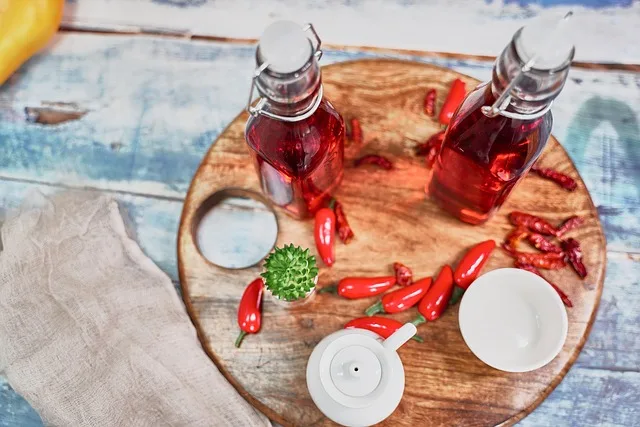
Let’s start with the classic: Chili Oil (辣椒油, là jiāo yóu). At its core, chili oil is a flavor-infused liquid. The oil itself is the star of the show. It is created by pouring hot oil over a blend of dried chili flakes and (often) aromatic spices like Sichuan peppercorns, star anise, ginger, and cinnamon.
The key part of the process is that after the oil is infused, the solid bits are almost always strained out. What you are left with is a clear, vibrant, ruby-red oil. This oil carries the heat (capsaicin) from the chilies and the complex fragrance (aroma) from the spices. Think of it as a seasoning, a finishing oil, or a foundational ingredient for another sauce. Its job is to add pure, unadulterated flavor, aroma, and heat.
How is Traditional Chili Oil Used?
The best practice for how to use chili oil is to think of it as a liquid seasoning. You drizzle it, you don’t scoop it.
- As a base for dipping sauces (especially for dumplings or noodles).
- Drizzled over soups, such as ramen or wonton soup, just before serving.
- As a key ingredient in other, more complex sauces, like the one for Szechuan spicy cucumbers.
- Infused with Sichuan peppercorns, it becomes *Málà* (numbing and spicy) oil, a cornerstone of authentic Chinese food.
What is Chili Crisp? The Texture-Packed Condiment
Now, let’s talk about the modern pantry superstar: Chili Crisp (香辣脆, xiāng là cuì). While it has existed for decades (spearheaded by the iconic Lao Gan Ma brand), it has recently taken the world by storm.
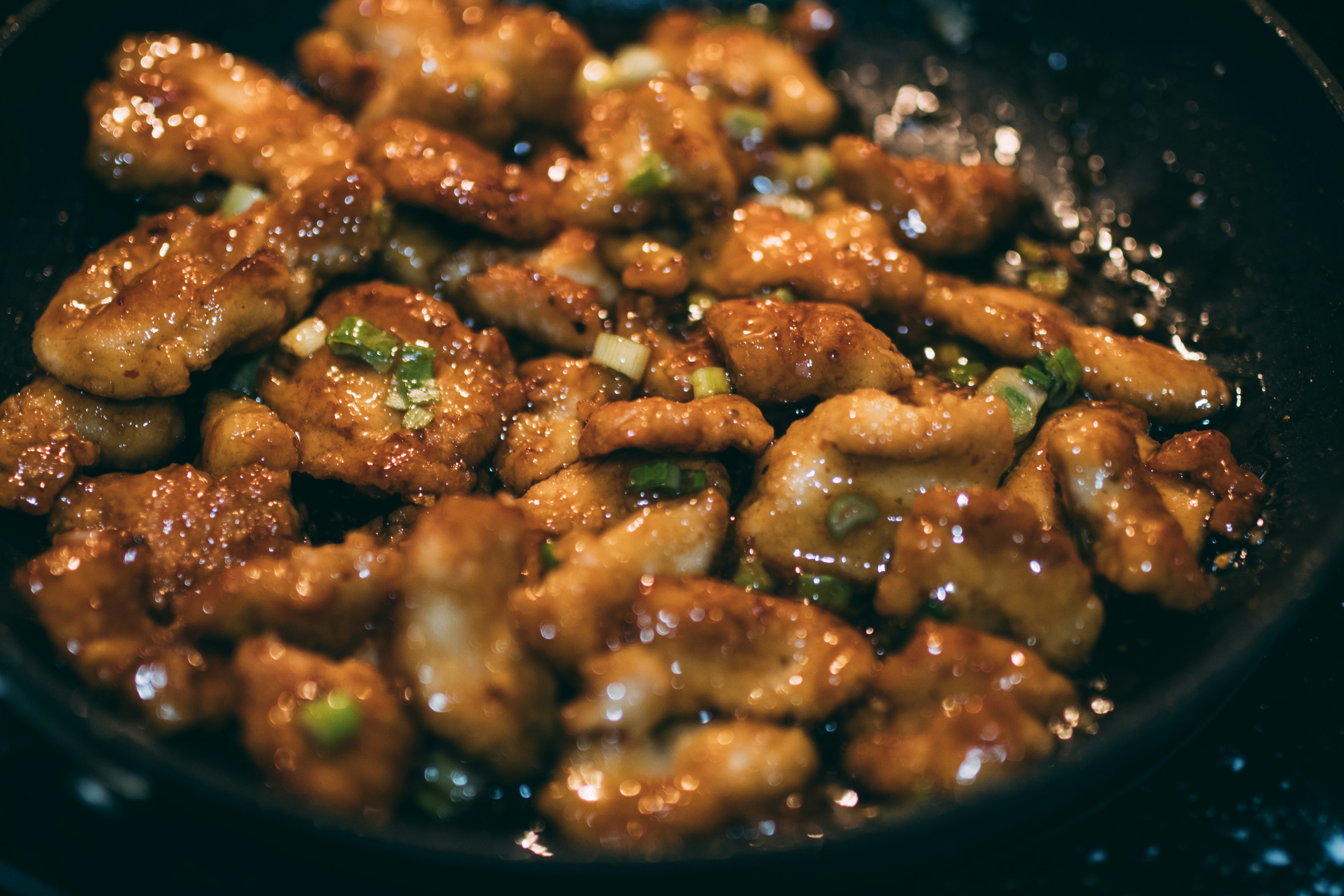
In Chili Crisp, the oil is secondary. The “crispy bits” are the star of the show. It is an oil-based condiment, not just an infused oil. It’s made by slowly and carefully frying a medley of ingredients in oil until they become deeply flavorful and, most importantly, crunchy.
These “bits” are the whole point. They commonly include:
- Fried chili flakes (which become brittle and crisp).
- Fried garlic chips.
- Fried shallots or onions.
- Fried soybeans or peanuts (for extra crunch).
- Other umami-boosters like fermented black beans, MSG, or mushroom powder.
The oil in the jar is a delicious, chili-infused byproduct, but the primary goal is to deliver a spoonful of texture. It’s savory, crunchy, salty, slightly sweet, and spicy all at once.
How is Chili Crisp Used?
The best practice for how to use chili crisp is simple: put it on everything. You scoop it, you don’t drizzle it. You want the bits.
- Spooned over fried or scrambled eggs.
- On top of avocado toast or steamed rice.
- Drizzled (and scooped) over vanilla ice cream.
- Stirred into noodles or pasta.
- As a topping for roasted vegetables, pizza, or even sandwiches.
The 5 Key Differences: Chili Crisp vs Chili Oil
Now that we’ve defined them, let’s settle the Chili Crisp vs Chili Oil debate with a direct comparison. This is the core of the matter.
1. Texture (The Most Obvious Difference)
This is the number one differentiator.
- Chili Oil: Is a smooth liquid. It is pure, infused oil with no solids (or just a fine sediment of chili flakes).
- Chili Crisp: Is crunchy and textural. It is a chunky mixture of crispy fried bits (garlic, onion, chili, nuts) suspended in oil.
2. The Star of the Show: Solids vs. Liquid
This follows from texture. What are you paying for?
- Chili Oil: The OIL is the product.
- Chili Crisp: The SOLIDS are the product. The oil is just the delivery medium and preservative.
3. Flavor Profile (Umami vs. Aromatic Heat)
The flavor goals are completely different.
- Chili Oil: The flavor is typically a “pure” expression of chili heat and aromatics (like star anise or cinnamon). It can be smoky, fruity, or numbing (málà), but it’s focused.
- Chili Crisp: The flavor is a complex, savory, umami bomb. It’s not just spicy; it’s deeply savory, garlicky, onion-y, salty, and often has a hint of sweetness.
4. The Production Process: Infuse & Strain vs. Fry & Keep
How they are made reveals their purpose.
- Chili Oil: The best practice is to gently heat oil and pour it over spices and chilies to infuse the flavor, then strain the solids out.
- Chili Crisp: The process involves frying various ingredients in stages—garlic, then onions, then soybeans, then chilies—until each one is perfectly golden and crisp. Everything is kept in the jar.
5. Culinary Job: Ingredient vs. Condiment
This is the most important takeaway for any cook.
- Chili Oil: Is an INGREDIENT. You use it as a *part* of a dish or to build another sauce. You might use it in a stir-fry sauce base.
- Chili Crisp: Is a CONDIMENT. You use it *on top* of a finished dish. It is the final touch.
Expert Tips on How to Use Chili Oil
Now that you know the difference between chili crisp and chili oil, let’s talk about mastery. How to use chili oil is about enhancing a dish from within.
- Build a “Mouthwatering” Sauce: The classic Sichuan “mouthwatering chicken” (koushui ji) sauce is built on chili oil. It’s combined with soy sauce, Chinkiang vinegar, sugar, and sesame paste. The chili oil provides the red sheen and aromatic heat.
- Season Your Dumpling Dip: A perfect dumpling dip isn’t just soy sauce. It’s soy sauce, rice vinegar, a few drops of sesame oil, and a teaspoon of pure chili oil for fragrance and spice.
- Drizzle for Aroma: Drizzle it over blanched vegetables (like bok choy or broccoli) with a bit of oyster sauce. It adds a spicy kick and a beautiful, glossy look.
- Infuse Your Cooking: Use it as the oil to start a noodle dish. Gently frying your garlic in chili oil (instead of plain oil) adds a layer of flavor from the very beginning.
Expert Tips on How to Use Chili Crisp
How to use chili crisp is all about fearless experimentation. Its crunchy, savory, garlicky profile makes it one of the most versatile condiments in the world.
- The Obvious: Spoon it over any noodle, rice, or egg dish. This is its home turf.
- The Surprising (But Amazing): Drizzle it over vanilla ice cream. The sweet, cold, creamy, spicy, salty, and crunchy combination is a textural and flavor explosion. Based on our analysis, this is the one use that converts everyone.
- The Western Fusion: Put it on pizza, mix it into mayonnaise for a spicy aioli, spoon it over mac and cheese, or put it on a hot dog.
- The Simple Fix: Spoon it over plain, steamed vegetables (like green beans or broccoli) to turn a boring side dish into the star of the plate.
Should You Make Your Own? The Chili Crisp vs Chili Oil Verdict
As a chef, I love making things from scratch. Here’s my expert take.
Chili Oil: You Should Absolutely Make This.
Making your own chili oil is incredibly easy and rewarding. It’s often just two steps: heat oil, pour over chilies. This allows you to customize it completely. Do you want it extra numbing? Add more Sichuan peppercorns. More aromatic? Add star anise. It’s a foundational skill, much like mastering stocks and sauces.
Because this is such a fundamental technique, we’ve created the definitive guide for it. This is the best way to start your journey.
Chili Crisp: You Can, But It’s Okay to Buy.Making chili crisp is a labor of love. It involves a lot of precise, slow frying of multiple ingredients in stages. You have to fry the garlic until golden (but not burnt), then the onions, then the soybeans… It’s time-consuming and requires a lot of patience.
Brands like Lao Gan Ma are iconic for a reason. They have perfected the balance of crunch, umami, and spice. Culinary authorities like Bon Appétit have written odes to it. So, while you *can* make it, buying a high-quality jar is a fantastic, expert-approved choice.
Common Mistakes in the Chili Crisp vs Chili Oil Debate
Let’s recap the errors to avoid.
- The Mistake: Using chili crisp *in* a sauce that needs to be smooth.
The Fix: The bits will become soggy and the texture will be lumpy. Use pure chili oil for smooth sauces. - The Mistake: Using pure chili oil and wondering, “Where’s the crunch?”
The Fix: You bought the wrong product. You wanted chili crisp. - The Mistake: Cooking with chili crisp over high heat.
The Fix: The crispy bits (especially the garlic) are already fried. They will burn almost instantly, turning bitter and acrid. Chili crisp is a finishing condiment, not a cooking oil. - The Mistake: Storing chili crisp in the refrigerator.
The Fix: This is a controversial one, but based on our analysis, refrigeration is not ideal. The oil can congeal, and more importantly, moisture in the fridge can compromise the “crisp” texture of the bits. The best practice is to store it in a cool, dark pantry. The oil acts as a preservative.
Ultimately, the Chili Crisp vs Chili Oil debate isn’t a competition. They are two different tools for two different jobs. You wouldn’t use a screwdriver to hammer a nail. One provides aromatic, liquid heat (an ingredient), while the other provides crunchy, savory texture (a condiment). The best practice? An expert’s pantry has both.
Frequently Asked Questions (FAQ)
1. What is the main difference between chili crisp and chili oil?
The main difference is texture and purpose. Chili Oil is a smooth, infused oil (the oil is the star) used as an ingredient for flavor and heat. Chili Crisp is a chunky, crunchy condiment (the fried bits are the star) used as a topping for texture and umami.
2. Is chili crisp hotter than chili oil?
Not necessarily. The heat level depends entirely on the brand and the type of chilies used. Some chili oils (like those from Sichuan) are intensely spicy and numbing. Many chili crisps are designed to be more “savory” and “crunchy” than purely hot, making them very snackable.
3. Can I use chili oil as a substitute for chili crisp (or vice versa)?
No, this is a common mistake. You cannot substitute them. If a recipe calls for chili crisp, it needs the crunchy texture which chili oil lacks. If a recipe calls for chili oil, it needs the smooth, infused liquid for a sauce, and chili crisp would make it lumpy.
4. Is Lao Gan Ma a chili crisp or a chili oil?
Lao Gan Ma is the most famous brand of chili crisp. It is the perfect example of a condiment full of crunchy fried chilies, garlic, and fermented soybeans. This is the product that popularized the “chili crisp” category globally.
5. How do I store chili crisp and chili oil?
The best practice for both is a cool, dark pantry. Both are “shelf-stable.” While you can refrigerate them, it is not necessary and can cause the oil to congeal (harden). For chili crisp, refrigeration can also introduce moisture, which ruins the “crisp” texture.