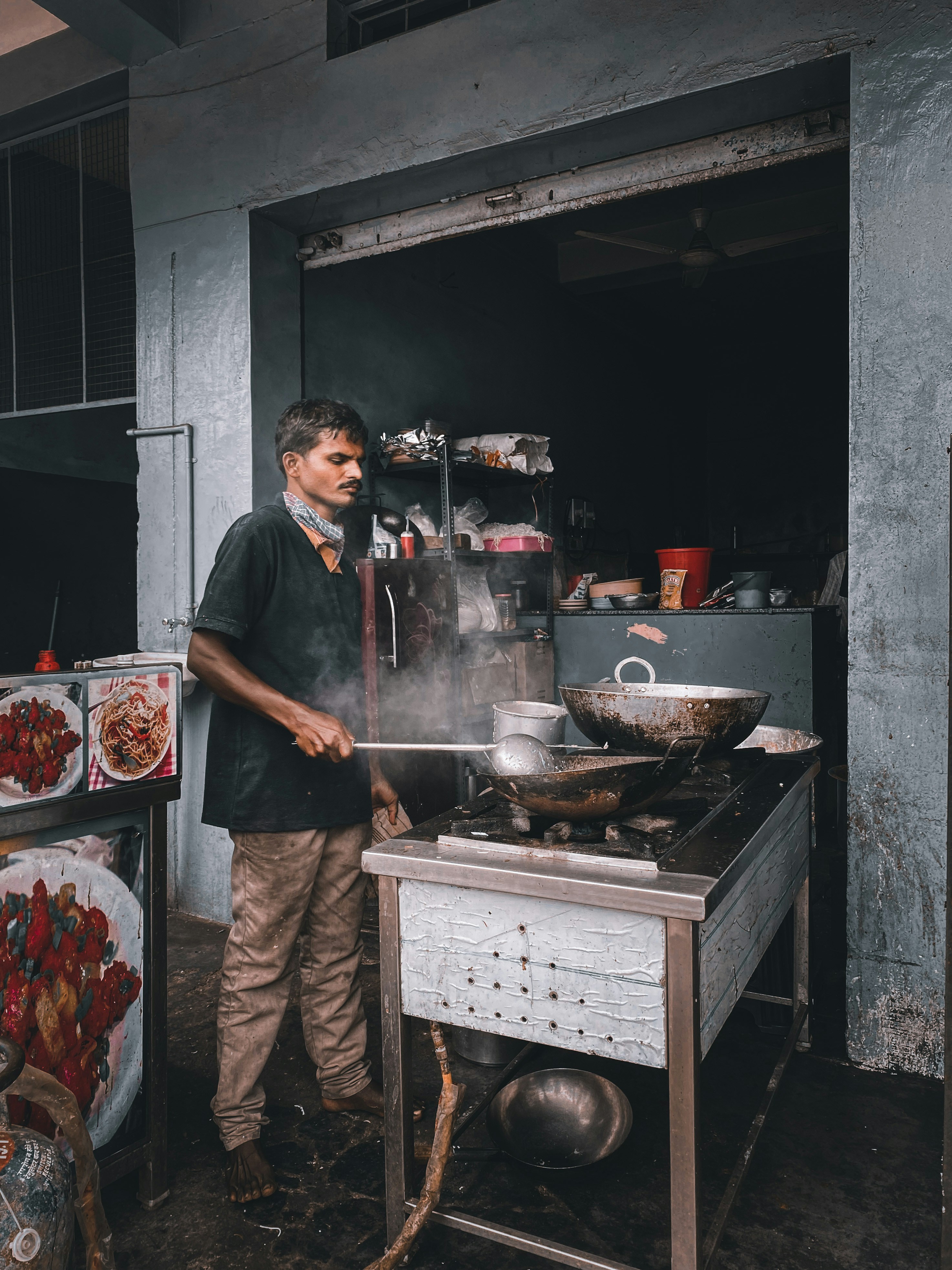
7 Secrets to Profitable Dried Chinese Chili Oil: The Ultimate Guide for Your Shop
Last Updated on 2025-12-26 by Suryo
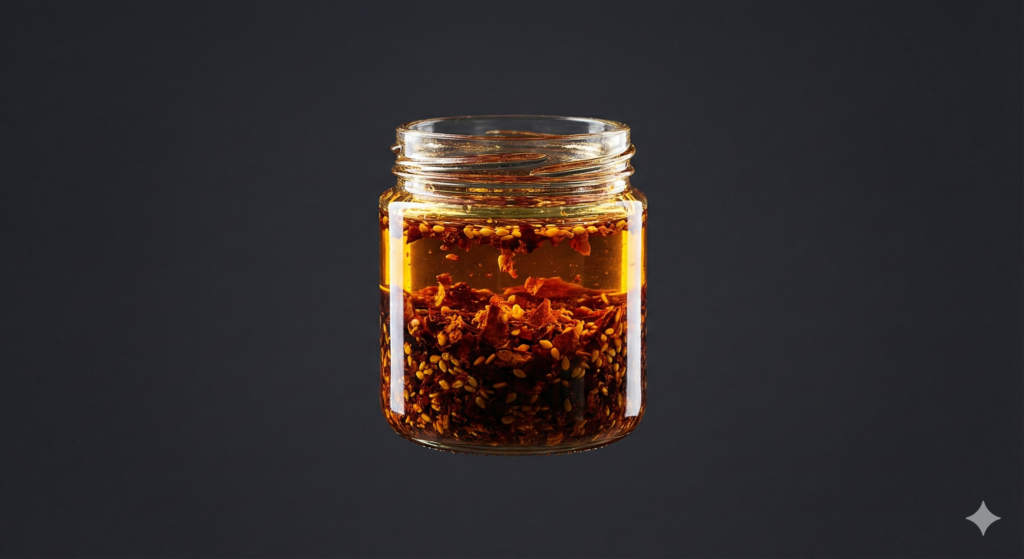
Dried chinese chili oil is the backbone of Sichuan cuisine and a high-margin product for food businesses, defined not just by its heat but by its complex xiang (fragrance). For shop owners, creating a shelf-stable and premium product requires mastering the “dual-pour” technique to extract deep red color from dried chinese chili oil flakes without scorching them, while balancing the numbing sensation of Sichuan peppercorns with savory aromatics.
The Ultimate Guide to Dried Chinese Chili Oil Science Spice and Sizzle
If you are reading this, you have likely stood over a wok, coughing from the fumes, wondering why your latest batch of oil looks brown and tastes like bitter, burnt popcorn. I have been there. In my first year running a small dumpling pop-up, I wasted gallons of expensive rapeseed oil because I thought “hotter is better.” I was wrong.
The reality is that dried chinese chili oil is not just about burning peppers in hot grease. It is an extraction process, closer to brewing coffee than frying chicken. Your customers are not looking for pain; they are looking for that savory, nutty, deep-red elixir that transforms a simple bowl of noodles into a $15 experience.
In this guide, I will take off my chef’s coat and put on my lab coat. We are going to break down exactly how to scale this recipe for your business, ensure it is safe to sit on a shelf, and debunk the myths that are killing your profit margins.
Note: For legitimate guidelines on food safety and canning low-acid foods, always refer to trusted resources like theFDA’s guidelines on acidified foodsor your local health department, as safety protocols are non-negotiable in this industry.
Beyond Heat Understanding the Fragrance Profile of Chinese Oil
When I consult for new restaurant owners, the first thing I do is taste their condiments. 90% of the time, their chili oil is one-dimensional. It’s just spicy oil. To stand out in a saturated market, your product needs to achieve Xiang (fragrance).
In the world of dried chinese chili oil, heat is actually secondary. The primary goal is an appetizing aroma that hits the customer the moment they open the jar. This comes from the release of volatile oils in the dried peppers and the infusion of aromatics like star anise, cassia bark, and cardamom.
I once worked with a client who tried to cut costs by using generic “pizza crushed red peppers.” The result was flat, harsh, and had zero color. We switched his supply chain to authentic Sichuan varieties, and his condiment sales doubled in a month. Why? Because customers eat with their noses first. If your oil doesn’t smell like a spice bazaar when the lid pops off, you are leaving money on the table.
The Holy Trinity of Dried Chilies Ingredients Analysis
You cannot build a house with bad bricks, and you cannot make elite dried chinese chili oil with generic peppers. In my kitchen, we use a specific blend to achieve three distinct goals: Color, Heat, and Aroma.
1. Erjingtiao (The Color Builder)
This is non-negotiable. If your oil looks orange instead of deep ruby red, you are likely missing Erjingtiao. These peppers are mild in heat but have a thick skin rich in pigment. When I formulate recipes for clients, Erjingtiao usually makes up 50% of the pepper blend solely for that cinematic visual appeal.
2. Facing Heaven (The Punch)
Named because they grow pointing towards the sky, these provide the aggressive, frontal heat. They are much hotter than Erjingtiao. I use these sparingly to give the oil its “kick” without overpowering the palate.
3. Bullet Chilies (The Lingering Burn)
These are for intensity. They have a waxy skin and a sharp bite.
⚠️ Important! Never buy pre-ground chili powder for your commercial batches. The essential oils evaporate within days of grinding. Buy whole dried chilies and grind them yourself (coarsely) on the day of production. This single step will elevate your dried chinese chili oil above 90% of your competitors.
Why does my chili oil taste like burnt popcorn The Temperature Mistake
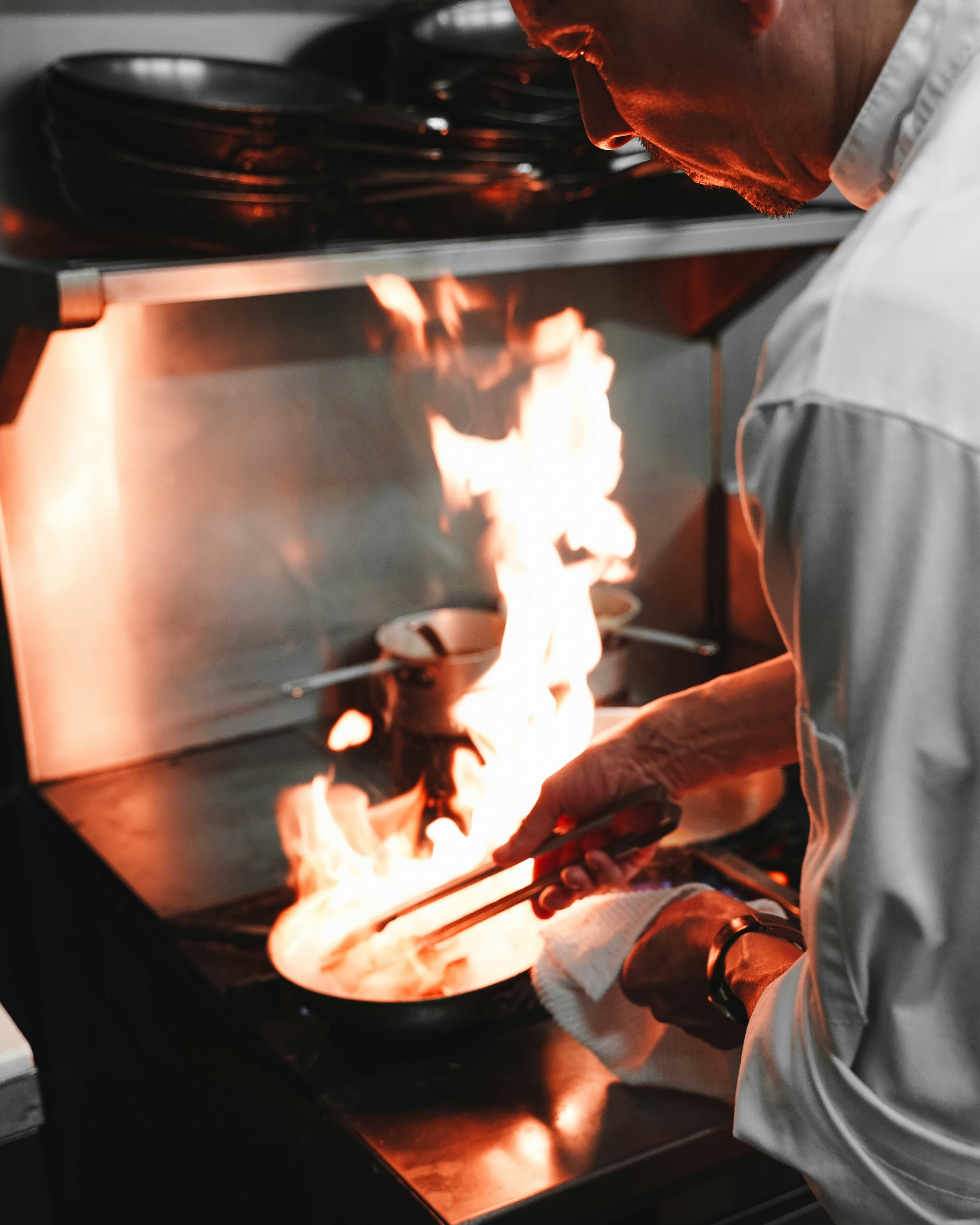
This is the “million-dollar technicality.” The most common failure I see in the field is scorching the chilies.
Dried peppers contain sugar. If you pour 400°F (200°C) oil directly onto dried chinese chili oil flakes, those sugars carbonize instantly. The result is a bitter, acrid taste that no amount of MSG can hide.
The Science of the Dual-Pour
To solve this, I use a method that might seem tedious but guarantees perfection. It involves pouring the oil in two stages:
- The First Pour (High Temp): We pour half the oil at a higher temperature to “fry” the flakes slightly and extract the nutty flavor.
- The Second Pour (Low Temp): We add the remaining oil at a much lower temperature to extract the red pigment and capsaicin without burning the solids.
I have found that this temperature control is what separates a homemade experiment from a shelf-worthy product.
Step by Step The Aromatics First Infusion Method
Here is the workflow I use for commercial batches. This method ensures your oil has a deep, savory base flavor before it even touches the chili flakes.
1. Infuse the Base Oil
Do not start with the chilies. Start with the oil. Place your neutral oil (rapeseed or canola works best) in a large pot. Add roughly chopped ginger, scallions (white parts), red onion, star anise, cassia bark, and bay leaves.
2. The Slow Simmer
Turn the heat to medium-low. We want to dehydrate these aromatics in the oil, not deep fry them quickly. This usually takes 20-30 minutes. You want the scallions to turn golden brown and dry. Pro Tip: I usually wait until the onions look like crispy fried shallots. This means all the water has evaporated, which is crucial for shelf life.
3. Strain and Re-heat
Remove all the solids. You now have a fragrant, yellow-tinted aromatic oil. Heat this oil back up to 375°F (190°C).
4. The Pour
Place your mix of ground dried chinese chili oil flakes, Sichuan peppercorns, and sesame seeds in a heat-proof steel container.
- Pour 1: Pour half the oil. It will bubble violently. Stir immediately to distribute heat.
- Wait: Let the oil cool down to about 275°F (135°C).
- Pour 2: Pour the rest of the oil. This lower temperature pulls out the bright red color without darkening the chilies further.
Is it safe to leave garlic in my oil jar
We need to have a serious conversation about safety. In the culinary business, negligence can destroy your reputation.
Many beginners want to add raw minced garlic to their finished dried chinese chili oil because it tastes good. Do not do this.
Putting raw garlic (which contains water) into oil (which has no oxygen) creates the perfect environment for Clostridium botulinum—the bacteria that causes botulism. It is odorless, tasteless, and deadly.
If you want a garlic flavor in your commercial product, you have two safe options:
- Deep fry the garlic slices until they are completely dehydrated and crispy before adding them to the jar.
- Use granulated garlic powder mixed in with your chili flakes.
⚠️ Important! Moisture is the enemy of shelf stability. Ensure your jars are sterilized and bone-dry. Just one drop of water in your stored dried chinese chili oil can lead to mold growth or bacterial issues.
Storage and Aging Why Day 3 Tastes Better Than Day 1
Patience is a revenue strategy. When I produce a batch for sale, I never jar it immediately.
The chemical reaction between the hot oil, the capsaicin, and the pigments continues for hours after the oil cools. I have observed that the flavor profile changes drastically over the first 48 hours.
- Day 1: The heat is sharp and jagged; the oil and spice feel separate.
- Day 3: The flavors have “married.” The heat becomes rounder, the color deepens to a dark crimson, and the aromatic notes from the ginger and anise move to the forefront.
Therefore, I recommend letting your dried chinese chili oil rest in a large, covered stainless steel container for at least 24 to 48 hours before portioning it into jars for sale. This consistency ensures your customer gets the same premium experience every time.
FAQ Troubleshooting Your Batch
Here are the three most common questions I get from shop owners starting their condiment line.
1. Why is my chili oil cloudy instead of clear? Cloudiness usually comes from moisture or fine powders. If you used a blender to grind your chilies, you might have created too much “dust.” Try using a mortar and pestle or a coarser setting on your grinder. Also, ensure your aromatics (ginger/onion) were completely dry before removing them.
2. Can I use olive oil for my base? I strongly advise against it. Olive oil has a low smoke point and a strong distinct flavor that clashes with Sichuan spices. It will burn at the temperatures needed to crisp the dried chinese chili oil flakes. Stick to neutral oils like canola, grapeseed, or soybean oil.
3. How long does homemade chili oil last? If you followed the safety protocols (sterilized jars, no fresh moisture/garlic), your oil can last 6 months at room temperature. However, for best quality, I recommend advising customers to consume it within 3 months or keep it refrigerated to preserve the freshness of the sesame seeds.
Quick Reference Smoke Points of Common Oils
Choosing the right carrier oil determines if your product tastes premium or burnt.
| Oil Type | Smoke Point | Verdict |
| Peanut Oil | 450°F (232°C) | Excellent. Authentic nutty flavor, handles high heat well. |
| Rapeseed/Canola | 400°F (204°C) | Great. Neutral flavor, cheap, allows spices to shine. |
| Grapeseed Oil | 420°F (216°C) | Good. clean taste, but more expensive for bulk production. |
| Sesame Oil | 350°F (177°C) | Avoid as base. Use only as a finishing seasoning, not for frying. |
Start Your Batch Today
Making exceptional dried chinese chili oil is a craft that blends culinary art with food science. It is not just about heat; it is about creating a sensory experience that brings customers back to your shop. By respecting the ingredients, controlling your temperatures, and prioritizing safety, you can turn a simple condiment into a signature product.
Don’t let the fear of burning a batch stop you. Grab your thermometer, source some quality Erjingtiao, and start infusing. Your customers are waiting for that perfect scoop of red gold.

![7 Secrets to Velveting Chicken for Melt-in-Your-Mouth Stir Fry [Chef Tested]](https://lezata.com/wp-content/uploads/2025/10/image-52-768x419.png "7 Secrets to Velveting Chicken for Melt-in-Your-Mouth Stir Fry [Chef Tested] 8")