5 Steps to Perfect Peperoncini Infused Oil
Last Updated on 2025-11-01 by Suryo
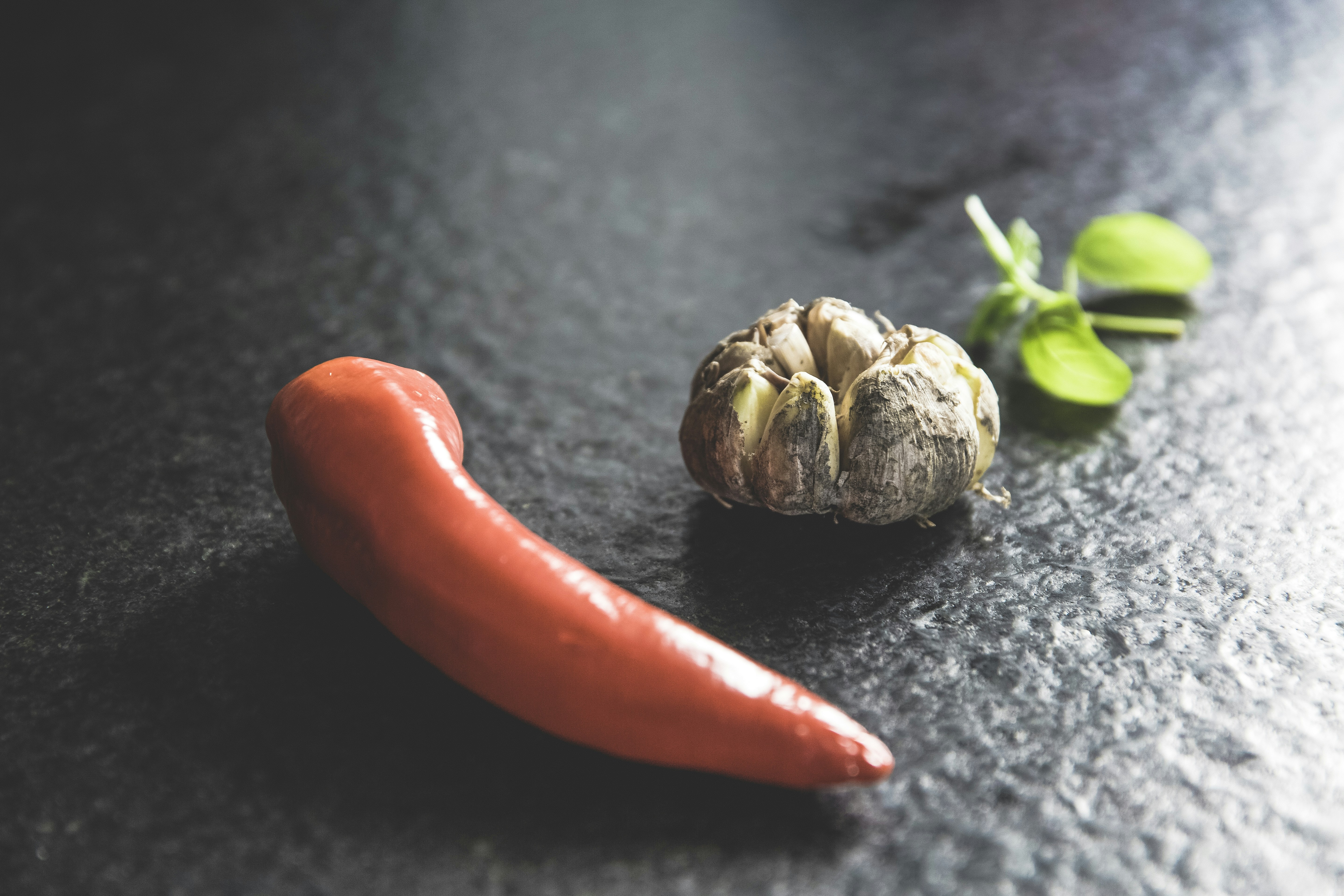
There is a world of difference between the fiery, complex, infused-with-solids chili oil of Asia and the bright, fruity, potent *olio di peperoncino* of Italy. This guide is dedicated to the latter. Making Italian Peperoncini Chilies infused oil is a fundamental technique in *cucina povera* (peasant cooking), designed to preserve the chili harvest and add a kick of spice to simple dishes like pasta, beans, and pizza.
A common mistake many home cooks make is confusing this with other condiments. An authentic Italian chili oil is rarely full of solids; it is a pure, clear oil that has *stolen* the flavor and heat from the chilies. It’s an infusion, not a sauce. While we love a complex, Szechuan-style chili crisp (which you can learn about in our ultimate guide to making chili oil), that is a different beast entirely.
Based on our analysis and years of professional kitchen experience, the process is simple, but it is dangerously easy to get wrong. Consequently, this definitive guide will walk you through the nuances of making peperoncino oil, from selecting the right chilies to the two essential infusion methods, and—most importantly—how to do it safely.
What is Authentic *Olio di Peperoncino*?
In Italy, this condiment is simply known as *olio di peperoncino* (oil of chili) or *olio santo* (holy oil)—the latter name is rumored to have come from its “miraculous” ability to save any bland dish. It is a staple on tables in Southern Italy, especially in regions like Calabria, which is famous for its fiery chilies.
Unlike many commercial “chili oils” that use neutral-tasting grapeseed or canola oil, the authentic Italian version starts with a base of high-quality olive oil. The goal is not just heat; it is a harmonious marriage of the fruity notes of the olive and the warm, lingering spice of the peperoncino. The best practice is to think of it as an aromatic condiment, not just a source of raw heat. Its function is identical to using a finishing salt; it’s added at the *end* of cooking to elevate the dish.
The Core Components: An Expert’s Guide to Ingredients
A simple recipe lives and dies by its ingredients. You cannot hide flaws. For an authentic Italian chili oil recipe, you only need two components, but their quality is non-negotiable.
1. The Star: Choosing Your *Peperoncini* (Italian Chilies)
The word *peperoncino* (singular) or *peperoncini* (plural) is simply the Italian word for chili pepper. However, the chilies used in Italy are typically of the *Capsicum annuum* variety, which are bright, fruity, and carry a clean, assertive heat. The most famous are **Calabrian chilies**.
You have a critical choice to make: dried or fresh?
- Dried Peperoncini (Recommended & Safest): This is the traditional and most common method. Using whole dried *peperoncini secchi* (or crushed flakes, *peperoncino frantumato*) is the best practice for safety. Why? Dried chilies contain no moisture, which eliminates the risk of botulism (more on this critical point later). They provide a deep, slightly smoky, and consistent heat.
- Fresh Peperoncini (High Risk, Different Flavor): Can you use fresh chilies? Yes, but it is extremely risky if not done correctly. A common mistake is simply dropping fresh, chopped chilies into oil. Fresh chilies contain water, and water + an anaerobic (oxygen-free) oil environment + low-acid ingredients = a potential breeding ground for *Clostridium botulinum* spores. If you *must* use fresh chilies, they should be acidified (e.g., pickled in vinegar) first.
2. The Canvas: Choosing Your Olive Oil
The second great debate is what oil to use. Our analysis comes down to this: use a good oil, but not necessarily your *best* oil.
- Extra Virgin Olive Oil (EVOO): This is the authentic choice. It adds its own peppery, fruity, or grassy flavor. However, do not use your $50-a-bottle “finishing” EVOO. Its delicate flavors will be overshadowed by the chili. Furthermore, high-quality EVOO has a low smoke point, making it unsuitable for the hot infusion method.
- Regular Olive Oil / Light Olive Oil: This is an excellent, safer choice for the hot infusion method, as it has a higher smoke point and a milder flavor, allowing the *peperoncino* to be the star.
- Neutral Oil (Grapeseed, Canola): Some modern chefs prefer this to create a “clean” chili oil where 100% of the flavor is from the chili. This is technically proficient but, in our opinion, lacks the soulful, rustic character of an Italian-style infusion.
Our Expert Recommendation: Use a quality, mid-priced, mild Extra Virgin Olive Oil for the cold infusion method. For the hot infusion method, use a “regular” (pure) olive oil or a high-smoke-point EVOO.
The Great Debate: Cold Infusion vs. Hot Infusion
There are two primary ways of making Italian Peperoncini Chilies infused oil. The method you choose depends on your priority: patience and subtlety (cold) or speed and intensity (hot).
Method 1: The Cold Infusion (Slow, Safe, & Subtle)
This is the safest, most traditional, and most “foolproof” method. It requires zero heat. You are simply letting time do the work. This is the only method we endorse for anyone not comfortable with precise temperature control.
- The Process: You simply combine your ingredients (dried chilies and olive oil) in a clean, sterilized, and perfectly dry glass jar.
- The Time: You seal the jar and leave it in a cool, dark place (like a pantry) for a minimum of 3 weeks, and up to 6 weeks. You should shake the jar gently every few days.
- The Result: A beautifully subtle, aromatic oil. The flavor of the olive oil is preserved, and the chili heat is a gentle, complex warmth rather than a sharp burn. The oil’s color will change minimally.
- Pros: Impossible to burn, zero risk of creating bitter flavors, 100% safe (if using dried chilies).
- Cons: It requires extreme patience.
Method 2: The Hot Infusion (Quick, Bold, & Risky)
This is the method most restaurants use because it’s fast. You can have a finished oil in 20 minutes. However, the risk of error is high. This is a how to make peperoncino oil method that requires your full attention.
- The Process: You gently heat the olive oil on the stove with the dried chilies, holding it at a precise, low temperature.
- The Time: The infusion happens in 10-15 minutes of heating, followed by a 1-2 hour steep as it cools.
- The Result: A robust, intense, and punchy chili oil. The heat is more “up-front,” and the oil often takes on a beautiful red hue as the heat extracts the carotenoids from the chili skins.
- Pros: It’s ready today. The flavor is bold.
- Cons: If your oil gets too hot (over 200°F / 93°C), you will *burn* the chilies, ruining the entire batch with a bitter, acrid taste. You also risk burning the olive oil, destroying its delicate flavors.
Our Definitive Recipe: Hot Infusion Method (The Chef’s Way)
While the cold method is safer, the hot method yields that beautiful red *olio santo* seen in Italian pizzerias. The best practice is to use a thermometer. If you don’t have one, we will teach you the “visual cue” method.
Step 1: Combine Ingredients
In a small, heavy-bottomed, *cold* saucepan, combine:
- 1 cup (approx. 240ml) “regular” olive oil or a mild EVOO.
- 1/4 cup (approx. 10-15g) dried *peperoncini* flakes or 8-10 whole dried chilies, crumbled.
Step 2: The Gentle Heat (The Most Critical Step)
Place the saucepan on the stove over the lowest possible heat setting. Your stove’s “simmer” burner is perfect. Do not walk away.
The Thermometer Method (Best Practice): Gently bring the oil temperature to 180°F (82°C). This is the sweet spot. It’s hot enough to extract the capsaicin and color, but well below the point where the chilies or oil will burn. Hold it at this temperature for 5 minutes, then turn off the heat.
The “No-Thermometer” Method (Visual Cues): Watch the pot like a hawk. What you want to see is a very gentle, lazy bubble coming off the chilies. NOT a fry or a rolling boil. If you see the chilies sizzling aggressively, *immediately* pull the pot off the heat. You are too hot. A common mistake is letting it sizzle; this is frying, not infusing. The goal is to see the oil shimmer and the chilies dance gently for about 5-10 minutes. Then, turn off the heat.
Step 3: The Steep (The Flavor Melding)
Once you’ve turned off the heat, leave the saucepan on the stove (with the burner off) and let the oil and chilies steep together until the oil is completely cool to the touch. This will take at least 1-2 hours. This “steeping” phase is where the magic happens and the infusion deepens.
Step 4: Strain and Store
Once completely cool, strain the oil through a fine-mesh sieve into a clean, sterilized glass bottle or jar. You can line the sieve with cheesecloth for an impeccably clear oil. Discard the spent chilies. (Some people like to leave them in, but this can increase bitterness over time and complicates safety).
The Critical Safety Warning: Understanding and Preventing Botulism
We must dedicate a section to this. As food professionals, this is our primary duty. Making Italian Peperoncini Chilies infused oil is safe *only if* you follow the rules. A “common mistake” here isn’t just a bad-tasting oil; it’s a trip to the hospital.
The Science: *Clostridium botulinum* is a bacterium found in soil. It produces spores that are harmless in the presence of oxygen. However, in an oxygen-free (anaerobic) environment like oil, and in the presence of moisture and a low-acid food source (like fresh garlic, fresh herbs, or fresh chilies), these spores can germinate and produce the deadly botulinum toxin.
The 3 Golden Rules for Safe Infused Oil:
- ALWAYS USE DRIED INGREDIENTS. Dried chilies, dried garlic, dried herbs. The lack of moisture makes it impossible for the botulism spores to grow. This is the #1 rule.
- NEVER USE FRESH INGREDIENTS (UNLESS ACIDIFIED). If you *must* use fresh chilies, you must pickle them in vinegar first to raise the acidity, then dry them thoroughly. Our expert advice? It’s not worth the risk or the hassle. The flavor is different, and the safety margin is razor-thin.
- STORE IN THE REFRIGERATOR. The cold temperature of the fridge *slows* (but does not stop) the potential growth of spores.
Food safety is a pillar of culinary expertise. For more, we recommend the definitive guides from culinary authorities like Bon Appétit, which clearly outlines the risks of botulism in homemade infused oils.
How to Store, and How to Use Your Peperoncino Oil
Storage: The “Best Practice”
Because you made this at home without industrial preservatives, you must treat it as a semi-perishable item.
- Storage Location: The Refrigerator. This is non-negotiable.
- Shelf Life: Use within 1 month for best flavor and maximum safety.
Your oil will solidify and turn cloudy in the fridge. This is completely normal and does not mean it has gone bad. It’s just the fats in the olive oil congealing. Simply take it out 30 minutes before you plan to use it, or spoon the solid oil directly onto hot pasta (it will melt instantly).
5 Classic Uses for Your *Olio di Peperoncino*
Now the fun part. This oil is a “finishing” oil, meaning you drizzle it on *after* cooking.
- On Pizza: The classic. A drizzle over a *Margherita* or *Quattro Formaggi* is perfection.
- On Pasta: A must-have for *Aglio e Olio*, *Arrabbiata*, or a simple *Spaghetti al Pomodoro*.
- On Beans & Legumes: Drizzle over a simple bowl of cooked cannellini beans or a hearty lentil soup.
- On Bruschetta: A simple piece of toasted bread, rubbed with garlic, drizzled with your chili oil, and sprinkled with salt.
- On Vegetables: Transform steamed broccoli, roasted cauliflower, or a simple green salad.
While this oil is Italian, its function as a finisher is universal. It’s a key part of mastering European classics, adding a final *pop* of flavor without extra cooking.
Want a Different Spice? Try Our Asian Chili Oil GuideConclusion: A Staple of Flavor and a Lesson in Science
Ultimately, making Italian Peperoncini Chilies infused oil is a simple process, but one that demands respect. It’s a perfect example of how culinary arts and food science are deeply intertwined. By understanding *why* we use dried chilies and *why* we control our heat, you move from a home cook just following a recipe to an informed chef making decisions.
This bottle of red-gold oil in your fridge is more than a condiment. It’s a connection to the rustic traditions of Southern Italy and a testament to your growing culinary expertise. Use it generously, store it safely, and enjoy the heat.
Frequently Asked Questions (FAQ)
1. Can I use fresh chilies to make peperoncino oil?
It is highly discouraged. Using fresh, low-acid ingredients like chilies or garlic in oil creates a high-risk environment for *Clostridium botulinum* (botulism). The safest and best practice is to use only dried chilies, which contain no moisture and eliminate this risk.
2. Why did my hot-infused chili oil turn bitter?
You burned it. This is the most common mistake. Your oil temperature went too high (likely over 200°F / 93°C), which fried the chili flakes and the garlic (if used), making them acrid. The oil must be heated *gently* (around 180°F / 82°C) and never allowed to sizzle or smoke.
3. Why did my homemade chili oil go solid in the fridge?
This is completely normal and a good sign. It means you used a quality olive oil. The natural fats and waxes in olive oil congeal at cold temperatures. It is not spoiled. Simply let it sit at room temperature for 30 minutes before use, or spoon the solid oil directly onto hot food.
4. How long does homemade Italian chili oil last?
For safety and best flavor, you must store it in the refrigerator. When stored in the fridge, it should be consumed within one month. Do not store homemade infused oil at room temperature due to safety risks.
5. What’s the difference between this and the chili oil I see at Chinese restaurants?
They are completely different. Italian *peperoncino* oil is a clear, infused oil with a pure chili flavor. Asian-style chili oil (like in our Chinese cooking guide) is a complex condiment made by pouring *hot* oil over a bowl of spices (like Szechuan peppercorns, star anise, garlic, ginger), creating a “chili crisp” or sauce with solids.