Master 5 Steps for Irresistible Gochugaru Chili Oil Magic
Last Updated on 2025-12-26 by Suryo

If you want to know how to make gochugaru chili oil with vibrant color and deep flavor, the key lies in precise temperature control. A gentle infusion method, where you heat neutral oil with aromatics before pouring it over coarse gochugaru, prevents burning and creates a balanced, savory heat that is essential for authentic Korean dishes.
Unlock the Secret to Authentic Gochugaru Chili Oil
As a professional chef, I constantly encounter new cooks who are enthusiastic about making their own condiments. But when it comes to chili oil, especially one using Korean gochugaru, I often see the same mistake repeated over and over: a burnt, bitter flavor, or a dull, flat taste that lacks complexity. The problem isn’t usually in the recipe itself; it’s in understanding the why behind the how. Many assume that simply pouring hot oil over chili flakes will produce a restaurant-quality product, but this approach often misses the critical nuances of heat management and aromatic layering that separate an average oil from a truly exceptional one.
I understand the frustration. You’ve followed a guide, but instead of that vibrant red color and nutty aroma, you end up with a dark, acrid residue at the bottom of the jar. This common disappointment usually stems from a failure to control the temperature of the oil, either by heating it too high initially or by not extracting the full flavor from the aromatics beforehand. Don’t worry, the process isn’t complicated, but it does require attention to detail. In this guide, I’ll walk you through the precise techniques I use in the kitchen to create a gochugaru chili oil that is guaranteed to elevate your cooking.
The Foundation of Flavor Why Choosing the Right Gochugaru Matters
Before we even turn on the stove, we need to talk about the primary ingredient: gochugaru itself. Unlike Chinese chili oils that often use specific varietals of dried chiles for high heat and strong flavor, Korean gochugaru is known for its distinct sweet, smoky, and slightly fruity profile, with a heat that builds rather than overwhelms. However, not all gochugaru flakes are created equal. You must select the right kind to achieve the desired texture and flavor in your oil.
There are generally two types of gochugaru available: coarse (taeyangcho) and fine (myeolchi). Coarse gochugaru, sometimes referred to as ‘powder for kimchi,’ has larger flakes and is ideal for making chili oil. The larger surface area allows it to absorb the oil slowly without instantly burning. The texture also provides a pleasing visual appeal and adds body to the oil. Fine gochugaru, on the other hand, is closer to a powder and is better suited for marinades or a dipping sauce like gochujang. If you use fine gochugaru for chili oil, it will likely turn into a thick paste or quickly burn when hot oil is applied, creating a bitter taste. For this guide, always opt for coarse gochugaru, preferably sun-dried (taeyangcho) for the best flavor.
The Critical Role of Aromatics and Infusion
In my experience, many people skip the aromatic step, believing that simply heating up oil and pouring it on gochugaru is sufficient. This is a huge mistake. The real depth of flavor in professional-grade gochugaru oil comes from infusing neutral oil with aromatics like garlic, scallions, and ginger before adding the gochugaru flakes. This process extracts fat-soluble compounds from the vegetables, creating a complex flavor base that complements the gochugaru instead of just being raw oil with heat.
In the field, it’s easy to rush this step. I once encountered a case where a new cook heated the oil until it was smoking and then threw in all the aromatics and the gochugaru at once. The result was a loud, aggressive sizzle that instantly burned the garlic and turned the gochugaru black. The oil tasted like ash. The critical point here is temperature control. We need to gently warm the aromatics in the oil over low heat for an extended period. This coaxing process allows the flavors to melt into the oil gradually, creating a subtle, sweet, and nutty aroma. The goal is to brown the aromatics, not burn them. Once browned, remove them, leaving behind a fragrant oil base ready for the gochugaru.
A Comparative Look Korean vs. Chinese Chili Oil
Before diving into the steps, it’s essential to understand what makes gochugaru chili oil distinct from other chili oils, specifically Chinese versions, which are popular globally. While both are used to add heat and flavor, their flavor profiles and base ingredients differ significantly.
| Feature | Korean Gochugaru Chili Oil | Chinese Chili Oil (Sichuan Style) |
|---|---|---|
| Primary Chili | Gochugaru (Korean red pepper flakes) | Dried chiles (e.g., facing heaven, er jing tiao), often ground finer. |
| Heat Profile | Sweet, smoky, slightly fruity with a building heat. | Often contains a strong “numbing” sensation (mala) from Sichuan peppercorns. |
| Base Oil | Neutral oil (grapeseed, canola), often infused with aromatics. | Neutral oil, often infused with a broader range of spices (star anise, bay leaves, cinnamon sticks). |
| Flavor Focus | Clean, savory, sweet-spicy flavor profile; a “cleaner” heat. | Complex, savory, deeply aromatic, and pungent. |
| Texture | Flakes retain shape; oil is vibrant red. | Sediment often very fine; oil can be dark red. |
The most common mistake I see when trying to make gochugaru chili oil is using techniques intended for Chinese chili oil. Chinese methods often involve much higher oil temperatures (250°F+), necessary to activate the specific spices and chili types. Gochugaru, being softer and often less dry, will burn at these high temperatures. We need a gentler approach.
5 Steps to Make Irresistible Gochugaru Chili Oil
Here is the step-by-step process I follow in the kitchen, designed to unlock the full potential of gochugaru while preventing bitterness.
Step 1: Prepare Your Ingredients and Equipment
- Gochugaru: Use coarse gochugaru flakes (approximately 1 cup). Place them in a large, heatproof glass bowl. Do not use plastic, as the hot oil can melt it.
- Aromatics: Prepare your aromatics. Chop 4-5 cloves of garlic, 1 inch of ginger, and the white part of 2-3 green onions. The goal here is to infuse the oil, not keep the aromatics in the final product, so a rough chop is fine.
- Oil Selection: Choose a neutral oil with a high smoke point. Grapeseed oil, canola oil, or avocado oil work best. Avoid olive oil, as its low smoke point and strong flavor will compete with the delicate taste of gochugaru. You’ll need approximately 3 cups of oil for every 1 cup of flakes.
- Equipment: You will need a medium saucepan, a fine-mesh strainer, and a kitchen thermometer. The thermometer is crucial for temperature control.
Step 2: Infuse the Aromatics
Pour the neutral oil into your saucepan. Add all of your prepared aromatics—garlic, ginger, and scallions. Turn the heat to low (no higher than medium-low). We want to gently heat the oil and aromatics together. The oil should slowly start to bubble around the aromatics. Maintain a low, gentle simmer for 15-20 minutes, or until the aromatics are deeply golden brown and crispy, but not burnt. As a professional, I’m looking for a sweet, nutty aroma to fill the kitchen; that’s when I know the infusion is successful. The goal here is a temperature of around 200°F (95°C).
Step 3: Remove Aromatics and Control Temperature
Once your aromatics are golden brown, turn off the heat. Using your fine-mesh strainer or a slotted spoon, carefully remove and discard all the aromatics from the oil. We’re keeping the flavor they imparted in the oil, but not the physical pieces, as they can burn when the final oil is stored. Now, check the temperature of the oil with your kitchen thermometer. The ideal temperature for pouring over gochugaru is between 200°F and 210°F (95°C and 99°C). If the oil is too hot, let it cool for a few minutes. If it’s too cool, gently heat it back up to the target range.
Step 4: The Gentle Pour
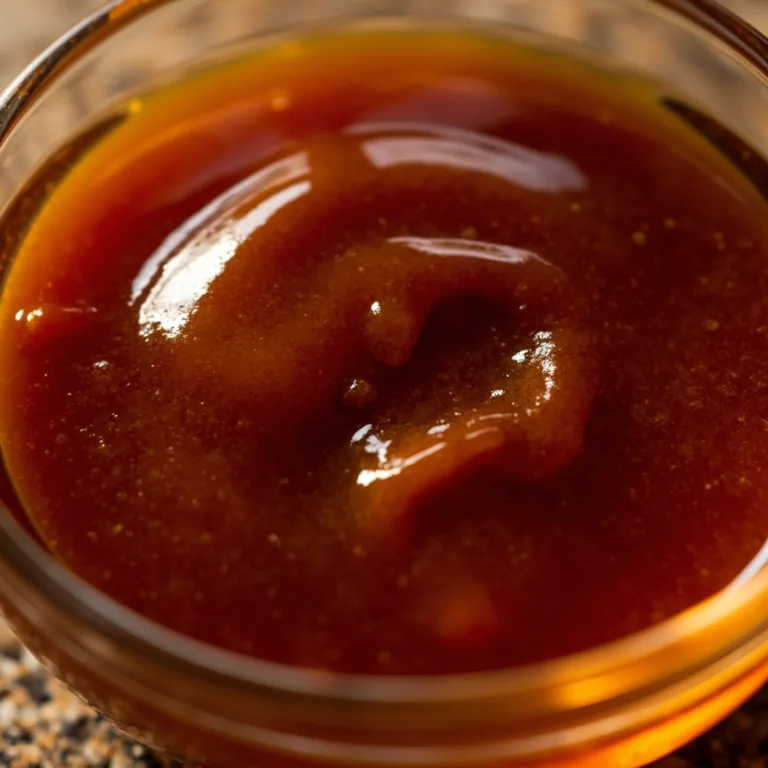
This is the most critical step. Place your heatproof bowl with the gochugaru flakes on a heat-resistant surface. Slowly and carefully pour the hot, aromatic oil over the gochugaru flakes, ensuring all the flakes are submerged. As you pour, listen for a gentle sizzle. If you hear a violent, aggressive sizzle, your oil was too hot. A gentle sizzle indicates a successful infusion. Stir the mixture well to ensure even distribution and absorption. The gochugaru will instantly start to release its vibrant color, turning the oil a brilliant red.
Step 5: Cool, Settle, and Strain
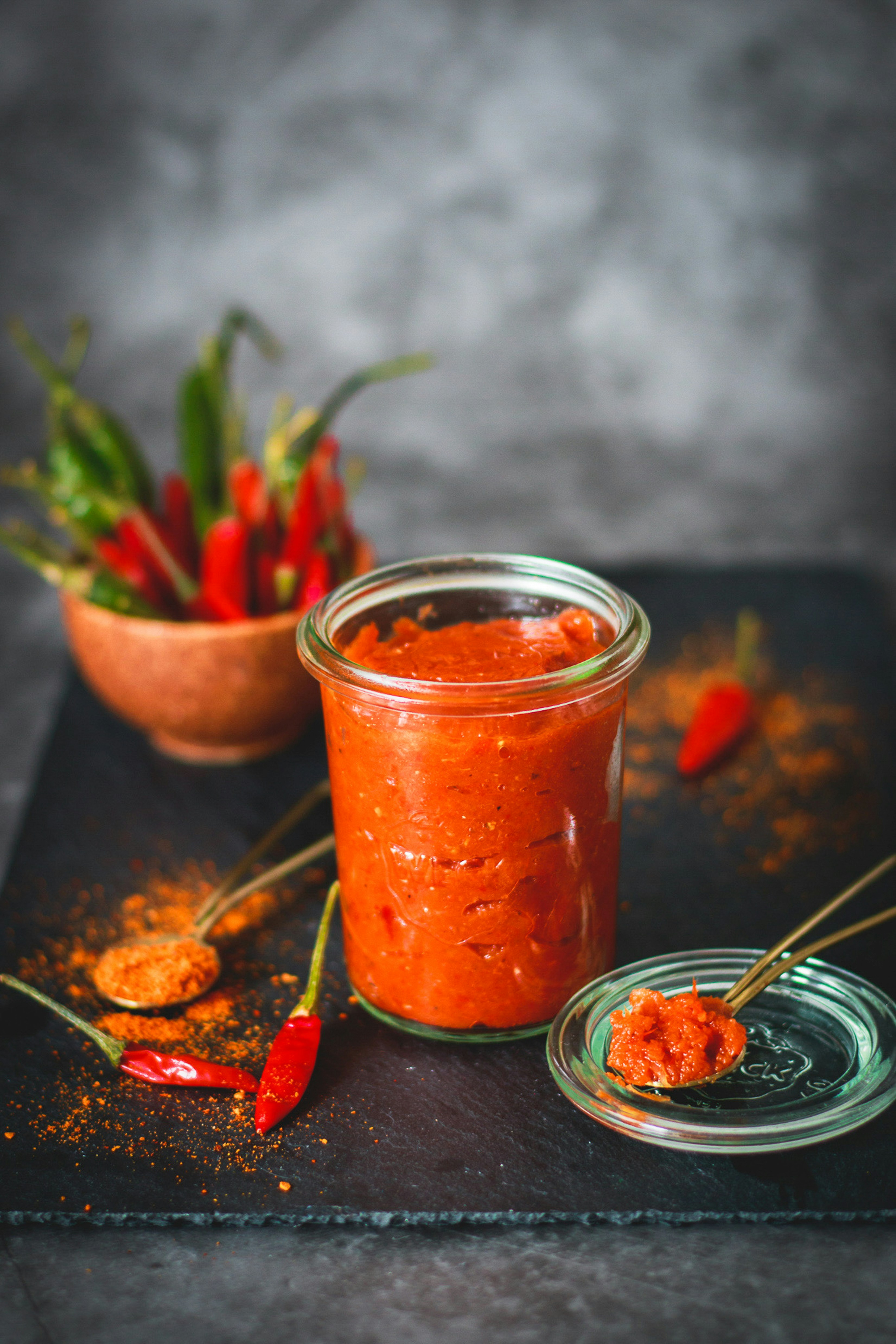
Once stirred, let the gochugaru chili oil cool completely. This process can take several hours at room temperature. As it cools, the gochugaru will fully absorb the oil’s flavor and color, and the remaining sediment will settle at the bottom. Once fully cooled, transfer the finished chili oil to an airtight glass jar or container. I typically recommend straining out most of the flakes and using only the oil for a cleaner finish, especially if you plan on drizzling it over dishes. However, many people prefer to keep the flakes in for texture.
Troubleshooting Your Gochugaru Chili Oil
Even with the right steps, problems can arise. Here are the most common issues and how to resolve them from my professional perspective:
Problem: The Oil Tastes Burnt or Bitter
* Cause: The oil temperature was too high when poured over the gochugaru, or the aromatics were burned during the infusion phase.
* Solution: For next time, use a kitchen thermometer. The temperature range of 200-210°F (95-99°C) is key. When infusing aromatics, keep the heat low and cook until golden brown, not dark brown or black. If the oil is already bitter, there’s not much you can do to fix it, but you can potentially salvage it by blending it with fresh, unflavored neutral oil to dilute the bitterness and use it in small quantities.
Problem: The Oil Is Bland and Lacks Depth
* Cause: The aromatics weren’t infused long enough. The aromatics need time to release their full flavor into the oil.
* Solution: Increase the infusion time. Don’t be afraid to let the aromatics gently simmer in the oil for a full 20 minutes on low heat. Ensure the aromatics are completely dried of any moisture before starting, as residual water can interfere with the infusion.
Problem: The Texture Is Too Thick or Pastelike
* Cause: You used fine gochugaru instead of coarse gochugaru, or the gochugaru-to-oil ratio was incorrect.
* Solution: Ensure you purchase coarse flakes for chili oil. Adjust your ratio to 3:1 (oil to gochugaru) or even 4:1 if you prefer a thinner oil. If you made the mistake of using fine flakes, you can add more neutral oil to thin it out.
Storage and Culinary Applications
Once you’ve made your fresh batch of gochugaru chili oil, proper storage is essential to maintain its quality and ensure safety.
Storage Guidelines:
* Shelf Life: Gochugaru chili oil can be stored at room temperature for up to two weeks in an airtight container, away from direct sunlight. After two weeks, especially if you include fresh garlic pieces or other aromatics, transfer it to the refrigerator.
* Refrigeration: Stored in the refrigerator, it can last for several months. Keep in mind that a fully saturated oil in a jar will solidify when cold. To use it, simply scoop out what you need and let it come to room temperature, or warm it gently to re-liquefy.
Culinary Applications:
The beauty of gochugaru chili oil is its versatility. Unlike highly processed store-bought versions, homemade gochugaru oil is typically cleaner and more nuanced. Use it as a base for a spicy noodle soup, drizzle it over rice or dumplings, or incorporate it into marinades for meat and vegetables. It’s especially excellent as a finishing oil for grilled dishes or even in a simple vinaigrette for a spicy salad.
Time to Create Your Culinary Signature
The path to making perfect gochugaru chili oil is less about following a rigid recipe and more about understanding the nuances of temperature and flavor extraction. By mastering the gentle infusion technique and carefully selecting your gochugaru, you move beyond just “making a condiment” and start creating a culinary signature. This oil is not just about heat; it’s about adding a layer of sophisticated flavor that complements a wide range of dishes, from simple weeknight dinners to impressive multi-course meals. Now, go forth and experiment with confidence. The best gochugaru chili oil isn’t found in a bottle; it’s made right in your kitchen.
Frequently Asked Questions
1. Is it necessary to heat the gochugaru flakes or can I just add them to cold oil?
Heating the gochugaru flakes (via the hot oil pour) is essential to activate the flavor compounds in the chili and give the oil its vibrant red color. Adding them to cold oil will not properly infuse the flavor, resulting in a bland oil.
2. What type of oil is best for gochugaru chili oil?
Neutral oils with high smoke points are best. Grapeseed oil, canola oil, avocado oil, or sunflower oil are excellent choices. Avoid extra virgin olive oil or peanut oil, as their strong flavors can clash with the gochugaru.
3. What is the difference between coarse and fine gochugaru, and which one should I use?
Coarse gochugaru consists of larger flakes, ideal for making chili oil as it absorbs the oil better without turning into a paste. Fine gochugaru is a powder best suited for marinades, sauces, and gochujang.
4. Can I reuse the oil in which I infused the aromatics?
Yes, once you strain out the aromatics, the remaining oil is exactly what you need for the next step. The aromatic infusion process is designed specifically to flavor the oil base before adding the gochugaru.
5. How long does homemade gochugaru chili oil last?
Stored correctly in an airtight jar, homemade chili oil without fresh aromatics can last for several months in the refrigerator. If fresh aromatics like garlic and onions are left in, it’s safer to use within two weeks at room temperature or up to a month in the fridge.
![7 Best Heavy Cream Substitutes Alfredo Sauce That Go Viral [Insider Tips]](https://lezata.com/wp-content/uploads/2026/01/image-1-768x419.png "7 Best Heavy Cream Substitutes Alfredo Sauce That Go Viral [Insider Tips] 3")