Unlock 7 INSANE Pro Chef Chili Oil Secrets NOW!
Last Updated on 2025-12-26 by Suryo

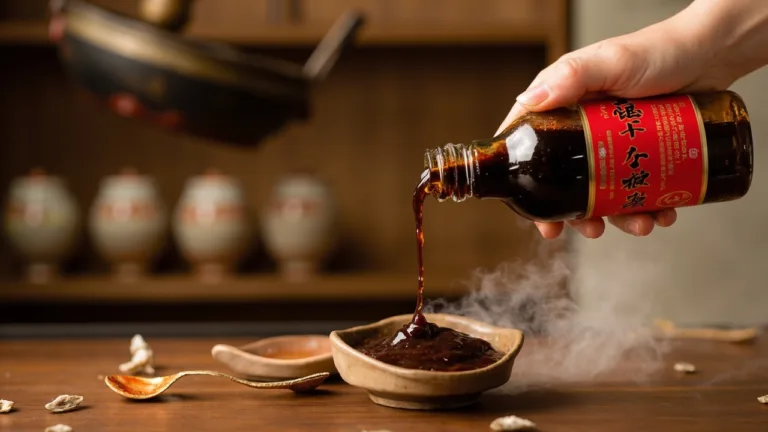
Pro chef chili oil guide secrets rely on more than just heat; they focus on extracting deep, complex aromas through precise temperature control and strategic ingredient layering. The real magic happens during the low-and-slow infusion process, where high-quality aromatics like shallots and Sichuan peppercorns transform basic oil into a rich, flavorful condiment that elevates any dish.
The Frustration of Bland Homemade Chili Oil
I often hear from home cooks who are frustrated because their homemade chili oil lacks depth. They follow a recipe, add plenty of chili flakes, and expect a flavor explosion. Instead, they get something that’s just… spicy. It’s a common issue, and I’ll be blunt: a lot of online recipes miss the critical nuances. They teach you how to make spicy oil, but not aromatic chili oil. The difference is huge. A professional chili oil should offer a layered experience where the heat complements the rich, savory, and nutty undertones of the infused ingredients. If your current batch tastes like burnt garlic and lacks complexity, it’s not because you did something completely wrong; it’s because you’re missing the specific techniques pros use to develop flavor beyond simple heat.
The truth is, most beginners make two mistakes: they rush the process, and they use low-quality oil. Rushing means the aromatics don’t have enough time to release their full flavor potential into the oil. Low-quality oil, especially one with a low smoke point, will either burn the ingredients or introduce a bitter, off-putting taste. The goal isn’t just to make the oil red; it’s to create a deep-red, fragrant infusion that enhances, not overwhelms, your food. This guide is about moving past “spicy” and achieving “aromatic complexity.”
Unlocking the Depth: Pro Secrets for Unforgettable Aroma and Complexity
When I first started experimenting with chili oil in the kitchen, I encountered the exact same problem: my results were inconsistent. Sometimes the garlic was bitter, other times the overall flavor was flat. I realized that a professional approach treats chili oil not as a simple condiment, but as a carefully calibrated infusion, similar to making a high-end perfume or a complex spice blend. The key is to understand how temperature affects different aromatics. We need to unlock the full potential of each ingredient without burning it. The secret isn’t one single ingredient; it’s a series of small, precise steps that build flavor over time.
One of the most powerful techniques I learned in the field is called “cold start infusion.” While many recipes suggest heating the oil and pouring it over the chili flakes immediately, a true pro method often involves starting with cold oil and a specific set of aromatics, then gently heating them together. This “low and slow” method ensures a deeper extraction of flavor, preventing the immediate burning of delicate ingredients like garlic and shallots. The initial gentle heat allows the flavors to meld seamlessly, creating a base that is both nutty and deeply savory.
The second secret is the principle of “layered flavor.” This involves dividing your aromatics and chili flakes into groups based on their heat tolerance and ideal cooking temperature. Some ingredients, like fresh shallots or ginger, are best cooked gently in the initial infusion. Other, more delicate ingredients, like Sichuan peppercorns, are best added later to avoid bitterness. By layering the ingredients, you build complexity from the ground up, ensuring that every spoonful offers a full spectrum of flavor rather than a single note of heat.
The Holy Trinity: Selecting Premium Oils, Peppers, and Aromatics
The foundation of any great chili oil is the quality of its ingredients. You cannot achieve a professional-level product with mediocre raw materials. This is where most home cooks stop short; they grab the cheapest oil and a generic bag of chili flakes. As a chef, I emphasize that the oil acts as the solvent and flavor carrier, so choosing the right type is paramount.
For the base oil, I recommend using a neutral oil with a high smoke point. Canola, grapeseed, or sunflower oil are excellent choices because they won’t compete with the flavor of the peppers and aromatics. Avoid olive oil; while it has a great flavor, its lower smoke point makes it unsuitable for the high heat required to toast chili flakes, and its strong flavor overpowers the delicate notes of the spices.
Next, let’s talk about the chili peppers themselves. The variety of chili you use determines both the heat level and the flavor profile. If you want a mild, fruity chili oil, go for Korean Gochugaru. For a smoky, earthy flavor, use New Mexico or Guajillo peppers. If you want a fiery kick with a distinctive aroma, combine Sichuan chili flakes (for the heat) and facing heaven chilies (for the aroma and color). In my experience, mixing different types of flakes is key to achieving a nuanced flavor profile.
Finally, the aromatics are where the real complexity comes in. A pro chef always includes a variety of aromatics beyond simple garlic. Star anise, bay leaves, cinnamon sticks, and particularly Sichuan peppercorns are essential for creating the characteristic “tingling” sensation and complex aroma. Toasting these whole spices before adding them to the oil is a critical step that releases their full potential.
| Oil Type | Smoke Point | Flavor Profile | Suggested Use |
|---|---|---|---|
| Canola/Grapeseed Oil | High (400°F/200°C) | Neutral, Clean | Excellent base for a versatile chili oil |
| Peanut Oil | High (450°F/230°C) | Subtle Nutty Flavor | Best for Asian-style chili oil where nuttiness is desired |
| Sesame Oil | Low (350°F/175°C) | Strong, Distinctive | Use sparingly as a finishing oil, not for infusion |
A Step-by-Step Guide to Pro-Level Chili Oil Infusion
This process focuses on precise temperature control to extract maximum flavor without burning ingredients. Remember, patience is crucial here; don’t rush the steps.
- Preparation of Aromatics: Begin by preparing your aromatics. Slice shallots, ginger, and garlic thinly. For whole spices like star anise and cinnamon sticks, lightly crush them to break the skin and expose more surface area for infusion. For the chili flakes, divide them into two separate batches. One batch will be infused at a lower temperature, and the second batch will receive the final hot oil flash to maximize crunch.
- The Initial Oil Infusion (Low and Slow): Pour your high smoke point oil into a saucepan. Add the sliced aromatics (shallots, ginger, garlic) and whole spices (star anise, bay leaves) to the cold oil. Place the saucepan over medium-low heat. The goal here is to gently bring the oil up to approximately 250°F (120°C) over 10-15 minutes. The aromatics will slowly fry and turn golden brown, infusing their flavor into the oil without burning. Once they are golden brown and crispy, remove them from the oil.
- Tempering the Chili Flakes: In a separate heatproof bowl, combine the first batch of chili flakes, a pinch of salt, and a dash of sugar. Carefully pour half of the hot oil (approximately 250°F/120°C) over the chili flakes. Stir gently. The oil temperature should be high enough to toast the chili flakes and release their color and heat, but low enough to avoid burning them instantly.
- The Final Flash Infusion: Reheat the remaining oil in the saucepan to a higher temperature, around 300°F (150°C). Add the second batch of chili flakes and a small amount of Sichuan peppercorns to the hot oil. This flash-frying step adds an immediate layer of smoky flavor and creates the distinctive “crunch” that pros look for. Carefully combine this flash-infused oil with the first batch in the heatproof bowl.
- Resting Time: This is perhaps the most critical step and one that beginners often ignore. The oil must be left to cool completely in the bowl for at least 24 hours, and ideally 48 hours. During this resting period, the oil continues to extract residual flavors from the spices. I have found that chili oil on day one tastes vastly different from chili oil on day three. The patience here is rewarded with significantly deeper flavor complexity.
The Science of “Maceration” and Why Patience Pays Off
When I first opened my restaurant, I was determined to create a signature chili oil for our noodle dishes. I used a standard recipe and followed all the steps perfectly. But after a few hours, the oil tasted good, but it didn’t have that “X factor” I was looking for. I learned from a mentor that the most important part of making chili oil isn’t the cooking; it’s the maceration process. Maceration is when the solid ingredients continue to release flavor into the oil after the heat source is gone.
This principle is particularly relevant when dealing with ingredients like Sichuan peppercorns. If you flash-fry Sichuan peppercorns too early or too hot, they become bitter and lose their unique floral aroma. The “numbness” or ma la sensation diminishes. The field context here is that while a textbook might tell you to add everything at once, in reality, a chef understands that each ingredient has a different optimal temperature for extraction. The cold start infusion for the base aromatics, followed by the high-heat flash for a portion of the chili flakes, ensures a balanced flavor profile. The longer resting period (maceration) allows these different flavor layers to fully integrate, transforming the chili oil from a simple spicy condiment into a complex flavor base.
Enhancing Your Creations: Uses and Storage Tips for Max Freshness
Once you have crafted a perfect batch of pro-level chili oil, you need to know how to use it effectively and store it properly. The applications for high-quality chili oil go far beyond just a simple dipping sauce. I often use it as a finishing touch for stir-fries, noodle soups, and even roasted vegetables. A light drizzle over steamed fish or tofu adds an instant layer of complexity.
Storage Tips:
- Airtight Container: Store the chili oil in a clean, airtight glass jar. This prevents oxidation and keeps the aroma intact.
- Refrigeration: While many sources say chili oil is shelf-stable, I recommend refrigerating it, especially if you included fresh aromatics like garlic and shallots. This significantly extends its shelf life and prevents the risk of spoilage. Refrigeration can make the oil solidify slightly, so bring it to room temperature for 15 minutes before serving.
- Longevity: When stored correctly in the refrigerator, high-quality chili oil can last for several months, although I find the aroma is best within the first four weeks.
Time to Elevate Your Kitchen Creations
Making truly great chili oil takes a little more effort than simply pouring hot oil over chili flakes. It requires patience, precise temperature control, and high-quality ingredients. But I promise you, the resulting depth of flavor is worth every moment of preparation. A restaurant-quality chili oil can transform your everyday meals into something extraordinary. By focusing on a “cold start” infusion and allowing sufficient resting time for maceration, you will create a chili oil that is aromatic, complex, and deeply satisfying. This isn’t just about heat; it’s about flavor. Start experimenting with different chili flake combinations and aromatic mixes, and you’ll find that creating your signature chili oil is a rewarding process that elevates your entire cooking game.
Frequently Asked Questions (FAQ)
Q: Why does my homemade chili oil taste bitter or burnt?
A: This is usually caused by overheating the aromatics or chili flakes. If the temperature of the oil is too high when adding the ingredients, the garlic, shallots, or chili flakes will instantly burn, resulting in a bitter flavor. Ensure you use low-to-medium heat for the initial infusion and carefully control the temperature.
Q: Can I use olive oil to make chili oil?
A: While possible, I do not recommend it. Olive oil has a low smoke point and a strong flavor that will overpower the delicate notes of the chili flakes and other spices. A neutral oil with a high smoke point, such as grapeseed or canola oil, is far better for achieving a clean, clear flavor profile.
Q: How long should I let the chili oil rest before eating it?
A: Patience is key. While you can technically consume it immediately, I strongly recommend letting it rest for a minimum of 24 hours, and ideally 48 hours, to allow the flavors to fully macerate and integrate. The aroma and depth increase significantly during this resting period.
Q: What is the benefit of using different types of chili flakes?
A: Different chili flakes offer varying flavor profiles, not just different heat levels. Using a combination, such as a high-heat chili like facing heaven peppers with a smoky, fruity one like Korean gochugaru, adds complexity. This blending technique creates a layered flavor profile rather than a one-dimensional spicy heat.
Q: How can I safely store homemade chili oil to prevent spoilage?
A: Store your chili oil in a sterilized, airtight glass container. For optimal freshness and safety, especially if you included fresh ingredients like garlic or shallots, refrigerate the oil. This will make the oil solidify, so allow it to return to room temperature for easy use before serving.
![7 Best Heavy Cream Substitutes Alfredo Sauce That Go Viral [Insider Tips]](https://lezata.com/wp-content/uploads/2026/01/image-1-768x419.png "7 Best Heavy Cream Substitutes Alfredo Sauce That Go Viral [Insider Tips] 3")