Mastering Classic French Cooking: A Chef’s Guide for Home Cooks
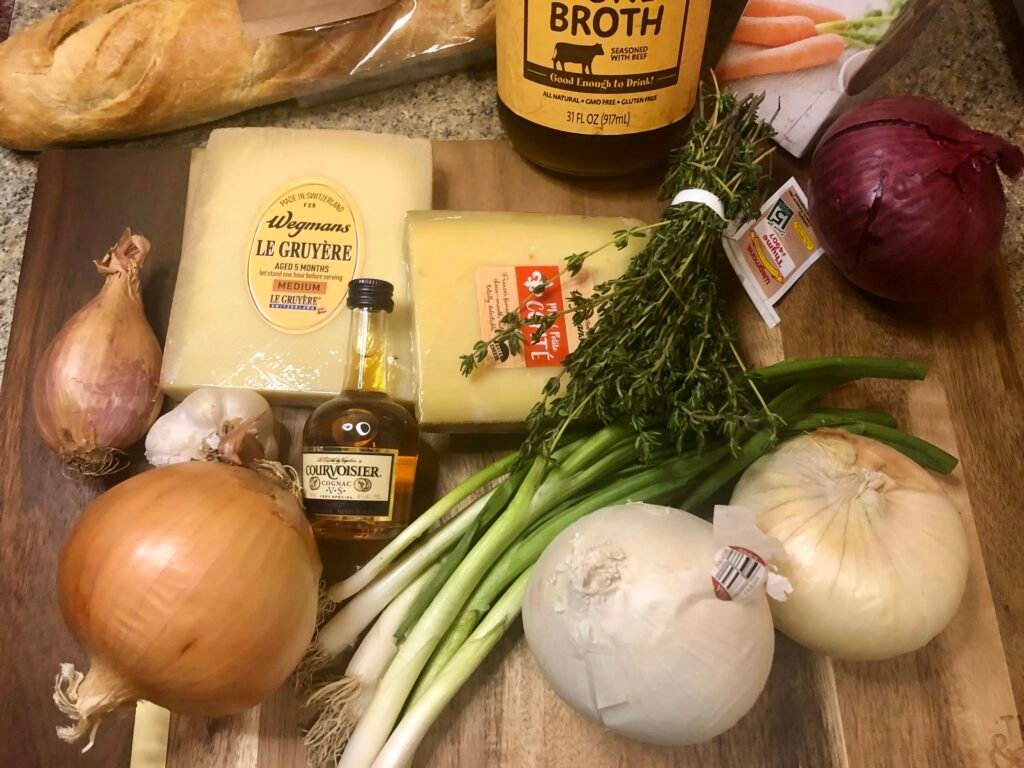
Introduction to French Cuisine
French cuisine is often regarded as one of the cornerstones of the culinary arts, influencing a wide spectrum of cooking practices worldwide. Its significance lies not only in the techniques that have emerged from its rich history but also in the principles that underpin its philosophy. The meticulous attention to detail, the importance of fresh ingredients, and an emphasis on technique encapsulate the essence of French cooking and form a basis upon which many modern cuisines build.
The origins of French cuisine date back to the medieval period, but it was during the Renaissance that it began to flourish, incorporating regional specialties and evolving through cultural exchanges. Over the centuries, French cooking techniques, such as sautéing, braising, and poaching, have become standard methods across the globe. These techniques not only enhance flavors but also ensure food safety and preserve the natural qualities of ingredients.
Furthermore, French cuisine is celebrated for its diverse range of flavors and textures. The use of herbs, spices, and sauces creates a harmonious balance that elevates simple dishes into culinary masterpieces. Chefs around the world study French cuisine to master the foundational skills that are essential for creating balanced and exquisite meals. The principles established by French cooking also extend to the presentation of food, where the aesthetics of plating are as crucial as the taste itself, reflecting a culture that values beauty in dining.
Additionally, the French dining experience is steeped in hospitality, emphasizing the importance of communal meals that bring together family and friends. This tradition underscores the role of food as a celebratory element in social interactions, a value that resonates deeply in many cultures. Overall, French cuisine transcends borders, serving as an essential reference point in the culinary world, guiding chefs and home cooks alike in their culinary journeys.
The Importance of Technique
Mastering classic French cooking relies heavily on a firm understanding of various cooking techniques. Each method—be it braising, sautéing, poaching, or another—is fundamental to producing authentic and refined French dishes. Emphasizing the importance of these techniques not only empowers home cooks but also enhances their culinary creativity and confidence.
Braising, for example, is a technique that combines both moist and dry heat. This approach is essential in giving depth of flavor and tenderness to tougher cuts of meat. When a cook braises, they first sear the meat to develop a rich crust before adding liquid and allowing it to simmer gently. This method is prevalent in dishes such as boeuf bourguignon, where the slow cooking process results in a dish that is both flavorful and satisfying. Mastering this technique opens a world of possibilities for creating hearty meals.
Sautéing, another cornerstone of French cooking, allows for quick cooking at high heat, ensuring that ingredients maintain their texture and flavor. Understanding the nuances of this technique—such as controlling heat levels and timing—enables cooks to prepare vibrant vegetable dishes and sauces that are essential to French cuisine. It also fosters creativity, as different combinations of ingredients can reveal a range of distinct flavors.
Poaching stands in contrast, representing a gentler technique aimed at preserving delicate flavors. By cooking food gently in a flavorful liquid, such as broth or wine, home cooks can create elegant dishes, such as poached fish with herb-infused sauces. Mastering techniques like these empowers cooks to focus on the quality of the ingredients and enhances their ability to develop distinct and memorable tastes.
Ultimately, the mastery of classic French cooking techniques is vital for any aspiring home cook. This knowledge not only allows for versatility in the kitchen but also builds a solid foundation for creativity and confidence in preparing a diverse array of French dishes.
Essential French Cooking Techniques
French cuisine is renowned for its emphasis on technique, making it crucial for aspiring chefs to master fundamental skills. Among the most essential techniques are sauce preparation, caramelization, and braising. Each of these methods serves a distinct purpose and enhances the overall dining experience.
One of the cornerstones of French cooking is sauce making. A well-crafted sauce can elevate a dish, adding layers of flavor and texture. The basic mother sauces, including béchamel, velouté, and hollandaise, form the foundation for countless derivative sauces. To create a classic sauce, one must start with a solid base, combining ingredients in a systematic manner to achieve the desired consistency and depth of flavor. Understanding the interplay of ingredients, such as the use of fresh herbs, stocks, and aromatics, is paramount in this process.
Caramelization is another pivotal technique that showcases the transformation of sugars under heat. This process enhances the natural sweetness of ingredients while developing complex flavors and promoting a pleasing color. Commonly employed in dishes such as sauces, desserts, and roasted vegetables, mastering the art of caramelization allows home cooks to bring out the essence of their ingredients. Attention to temperature is crucial; too high a heat can burn the sugars, while too low can hinder the development of the desired caramel notes.
Braising, a method that combines both dry and moist heat, is essential for transforming tougher cuts of meat into tender, flavorful dishes. By searing the meat first to develop a rich crust, followed by slow cooking in liquid, braising ensures that flavors meld and penetrate the protein. This technique is not only practical but also versatile, allowing for a variety of ingredients to be included, such as vegetables, herbs, and wines, resulting in exquisite, hearty meals.
In conclusion, mastering essential French cooking techniques is key to achieving authenticity and sophistication in French culinary endeavors. By honing one’s skills in sauce making, caramelization, and braising, home cooks can elevate their culinary repertoire and create memorable dishes that reflect the richness of this timeless cuisine.
Building Confidence in the Kitchen
Cooking is often perceived as a daunting task, particularly when exploring the intricate world of classic French cuisine. However, it is essential to recognize that mastering cooking techniques is the key to building confidence in the kitchen. Instead of merely following recipes to the letter, aspiring cooks should focus on understanding the underlying principles of cooking that elevate their culinary skills.
One effective way to instill confidence is to encourage experimentation. Home cooks can start by modifying a well-known recipe, adjusting ingredients based on availability or personal preference. For instance, if a recipe calls for a specific type of herb, substituting it with another can lead to unexpected flavors and a heightened sense of creativity. This practice not only fosters a playful attitude toward cooking but also deepens one’s understanding of ingredient interactions and flavor profiles.
Moreover, it is important to embrace mistakes as essential learning experiences. A dish may not turn out as expected, but it’s through these challenges that cooks refine their skills. Every successful attempt builds a foundation of knowledge, while every misstep highlights areas for improvement. Sharing these experiences with fellow home cooks can create a supportive community where each member learns from one another’s triumphs and setbacks.
Incorporating a range of techniques, such as proper knife skills, sauces, and cooking methods, lays a robust groundwork for success. Online tutorials and cooking classes can serve as invaluable resources for learning. By committing to these skills over time, home cooks will find that their confidence grows with each dish prepared.
Ultimately, the journey of mastering classic French cooking is much more about understanding techniques than strictly adhering to recipes. By encouraging hands-on experience, fostering a mindset of experimentation, and celebrating growth through practice, home cooks will find themselves empowered in their kitchens.
Classic French Dishes to Master
For anyone delving into the art of French cooking, certain classic dishes stand out as essential components of the culinary repertoire. Mastering these iconic recipes not only enhances one’s cooking skills but also deepens the appreciation for the nuanced techniques and rich flavors that characterize this esteemed cuisine.
One such dish is Coq au Vin, a traditional French chicken stew that embodies rustic elegance. The dish requires marinating chicken in red wine, which imparts robust flavor, and then slowly braising it with mushrooms, onions, and bacon. The technique of braising is key, as it transforms the meat into a tender delicacy while allowing the ingredients to meld beautifully. Coq au Vin is a perfect example of how French cooking celebrates the use of local ingredients and time-honored methods to create comfort food that is both hearty and sumptuous.
Another quintessential dish is Ratatouille, a vegetable medley that showcases the essence of seasonal produce and regional flavors. This dish employs the technique of sautéing vegetables individually to preserve their unique textures and flavors before combining them. Discussing Ratatouille also highlights the importance of knife skills in French cuisine, ensuring that each vegetable is prepared to the correct size for even cooking. The dish not only offers a vibrant presentation but also serves as a delightful testament to the French philosophy of utilizing fresh, simple ingredients to create a masterpiece.
Lastly, Tarte Tatin represents a classic French dessert that requires skillful pastry and caramelization techniques. This upside-down tart features caramelized apples baked beneath a buttery pastry crust. The challenge lies in achieving the perfect balance of sweetness and acidity, while also mastering the technique of caramel without burning it. Tarte Tatin is a delicious reminder of the French penchant for transforming humble ingredients into something extraordinary, making it an essential dish for aspiring home chefs to conquer.
Ingredient Focus: The Building Blocks of Flavor
In classic French cooking, the quality of ingredients serves as the foundation for developing rich and intricate flavors. The French culinary tradition places great emphasis on the use of fresh, high-quality components which not only enhance the taste but also contribute to the overall presentation of the dish. From vibrant herbs to aromatic spices and seasonal produce, each ingredient plays a significant role in creating a memorable dining experience.
Herbs such as thyme, rosemary, and tarragon are frequently utilized in French recipes, with each herb bringing its unique character to the dish. Fresh herbs are preferable to dried varieties, as they impart a brightness and complexity that elevates flavors to new heights. Furthermore, their aromatic qualities can transform the simplest preparations into sophisticated offerings. Additionally, understanding the appropriate use of herbs throughout various cooking techniques is crucial for creating an authentic flavor profile.
Similarly, spices play a pivotal role in enhancing the overall taste of a dish. Traditional French cooking often incorporates subtle spices, like nutmeg and white pepper, which add depth without overpowering the primary ingredients. Chefs must know when and how to incorporate these spices effectively, ensuring that they complement rather than mask the natural flavors of the ingredients.
Moreover, the selection of seasonal produce is imperative in French cuisine. Utilizing in-season vegetables and fruits not only promotes sustainability but also guarantees the best flavor potential. Ingredients harvested at their peak ripeness possess superior texture and taste, making them indispensable in achieving authentic French dishes that highlight the essence of the season.
In summary, mastering classic French cooking begins with appreciating the significance of quality ingredients. By selecting the finest herbs, spices, and seasonal produce, home cooks can create culinary masterpieces that resonate with rich historical traditions and contemporary flair.
The Role of Presentation in French Cuisine
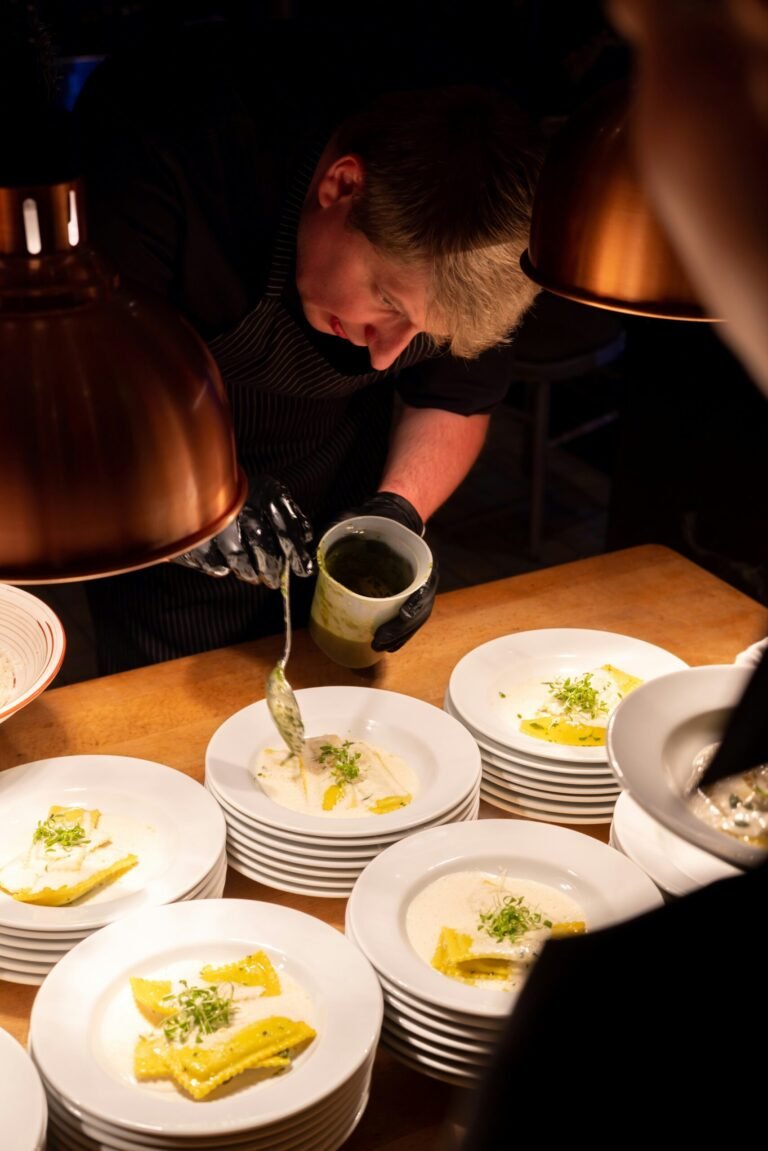
Presentation in French cuisine holds significant importance, elevating a meal from mere sustenance to a visually appealing masterpiece. This culinary tradition places great emphasis on aesthetics, indicating that the way a dish is presented can influence the diner’s overall experience. By utilizing specific plating techniques, chefs can showcase their culinary skills while also enhancing the flavors and textures of the food.
To master the art of presentation, home cooks can adopt several essential techniques. First and foremost, it is vital to understand the principles of color and contrast. A well-plated dish often consists of a harmonious blend of colors, which not only catches the eye but also stimulates the appetite. For instance, contrasting vibrant vegetables against a neutral-colored protein can create an inviting visual appeal. Furthermore, using complementary color schemes can guide the viewer’s attention to specific areas of the plate, making the dish more engaging.
Another key aspect of French presentation is the use of height and layers. Stacking or gently layering components can create depth in a plate, leading to a more dynamic visual presentation. This technique can be particularly effective when presenting ingredients with different textures, allowing diners to anticipate the varied experiences their meal will provide. Additionally, it is essential to allow for negative space on the plate. This approach not only emphasizes the main components but also facilitates an elegant presentation, giving each element room to breathe.
Finally, garnishing plays an important role in enhancing the presentation of French dishes. A well-placed herb or a drizzle of sauce can lighten the overall aesthetic, while also adding a hint of freshness. By taking the time to thoughtfully consider how to plate a dish with elegance and sophistication, home cooks can successfully transform their culinary efforts into artful presentations that reflect the finesse of classic French cooking.
Tips for Creating a French-inspired Kitchen
Creating a kitchen that embodies the essence of French cooking is a rewarding endeavor for any home cook. An authentic French kitchen is characterized by the right tools, equipment, and pantry staples that facilitate the preparation of exquisite French dishes. To begin, investing in high-quality cookware is crucial. A sturdy set of stainless-steel or copper pots and pans will enhance your cooking experience, allowing for even heat distribution and superior browning.
Additionally, a cast-iron skillet is a versatile tool, perfect for searing meats and baking traditional dishes like ratatouille. French cooking places a strong emphasis on precision, so a reliable kitchen scale and measuring tools should also be part of your collection. Alongside cookware, investing in essential knives, including a chef’s knife, paring knife, and a bread knife, will aid in achieving the finesse required for various cutting techniques.
Your pantry should be stocked with staples that frequently appear in French cuisine. This includes herbs and spices such as thyme, rosemary, and herbes de Provence, as well as high-quality oils like olive oil, and vinegars like red wine vinegar. A selection of mustards can also elevate dishes and add depth of flavor. To replicate the French love for fresh ingredients, create a small herb garden, which will provide easy access to fresh basil, parsley, or tarragon.
Finally, cultivating an inviting atmosphere through décor can enhance your cooking experience. Use open shelving to display your cookware and beautiful serving ware, as these elements are often integral to French dining. A French-inspired kitchen is not just about tools; it’s also about the environment that encourages creativity and culinary exploration. By thoughtfully organizing and equipping your kitchen, you will create a space that mirrors the charm and sophistication of traditional French cooking.
Frequently Asked Questions
Aspiring cooks often have numerous questions when it comes to mastering classic French cooking. One of the most frequent queries revolves around the fundamental techniques that shape French culinary arts. The three most important techniques include sautéing, which involves cooking food quickly in a small amount of fat, typically over high heat; braising, a method that combines both dry and wet heat, ideal for tougher cuts of meat; and emulsification, commonly used in sauces like vinaigrette and mayonnaise where oil and vinegar (or egg) are blended to create a stable mixture. Understanding and practicing these techniques forms a solid foundation for any aspiring chef.
Another common inquiry pertains to the distinction between ‘cuisine’ and ‘haute cuisine.’ ‘Cuisine’ generally refers to the cooking style and methods of a particular culture or region, embodying the diverse foods and recipes they offer. In contrast, ‘haute cuisine’ denotes a refined and elaborate style of French cooking characterized by high-quality ingredients and sophisticated techniques. Often recognized in fine dining establishments, haute cuisine highlights the artistry and creativity of chefs, setting higher standards for presentation and flavor complexity.
As for equipment, new home cooks may wonder what essential tools they need to begin their French culinary journey. A few fundamental items include a chef’s knife for precision cutting, a sturdy cutting board, a set of mixing bowls, non-stick skillets, and a heavy-bottomed saucepan for even heat distribution. Additionally, having a good-quality whisk, a wooden spoon, and a reliable thermometer can significantly enhance one’s cooking experience. Investing in these key items will streamline the process and enable aspiring chefs to execute classic French recipes with greater ease.