How To Searing Scallops on a Pink Salt Block For Crispy Texture
Last Updated on 2025-11-21 by Suryo
The Sizzle of the Ancient Seabed
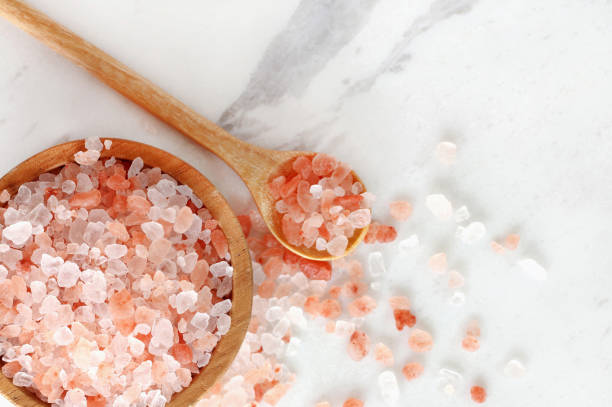
There is a specific, aggressive hiss that happens when a cold, sweet scallop hits a surface heated to 500 degrees Fahrenheit. It’s a sound that promises a caramelized crust and a tender, buttery interior. But when that surface is a block of ancient mineral salt mined from the foothills of the Himalayas, something magical happens beyond just heat transfer. The steam releasing from the seafood carries the aroma of the ocean, mingling with the subtle minerality of the stone. Searing scallops on a pink salt block is not just a cooking method; it is a piece of culinary theater that results in the best crust you will ever taste.
I remember shattering my first salt block. I treated it like a cast-iron skillet, blasting it with high heat immediately. It cracked with a sound like a gunshot, ruining dinner and my ego. Since then, I’ve learned to respect the thermal properties of this unique tool. It offers a seasoning that penetrates deep into the protein fibers instantly, creating a savory depth that sprinkling table salt simply cannot replicate. If you have already browsed my extensive guide on 11 Himalayan Pink Salt Cooking Tricks and Recipes, you know that this mineral is versatile. Now, we are going to focus on its most spectacular application: turning simple mollusks into a restaurant-quality appetizer.
Why the Block Beats the Pan
You might be wondering why you should bother lugging a heavy slab of salt onto your stove when you have a perfectly good stainless steel pan. The answer lies in moisture management.
Salt is hygroscopic—it attracts water. When you place a scallop on a scorching hot salt block, the surface moisture is drawn out instantly. This rapid dehydration of the surface accelerates the Maillard reaction (browning). Instead of steaming in its own juices, the scallop develops a candy-like, golden-brown crust in seconds. Furthermore, according to mineralogical data on Himalayan salt, the block imparts trace minerals like magnesium and potassium, which add a complexity of flavor that standard sodium chloride lacks.
Sourcing the Star Ingredient: Dry vs. Wet Scallops
Before you even touch the salt block, look at your seafood. Success depends almost entirely on the quality of the scallop. In the grocery store, you will see two types: “Dry” and “Wet.”
Wet Scallops: These are treated with sodium tripolyphosphate (STP). This chemical causes the scallop to absorb water like a sponge. When you cook them, they release that water, turning your sear into a boil. They taste soapy and rubbery.
Dry Scallops: These are shucked and packed immediately with no chemical additives. They smell like the clean ocean and have a slightly beige or pinkish hue (not stark white). For searing scallops on a pink salt block, you absolutely must use dry scallops. If you use wet ones, the excess water will dissolve the surface of your salt block, creating a pool of super-concentrated brine that will make your dinner inedibly salty.
The Thermal Staircase: Heating the Block Safely
This is where most home cooks fail. Salt is a crystal lattice, not a metal. It creates internal stress when heated unevenly. You must temper it.
The 15-Minute Rule
Place your completely dry salt block on your gas range. If you have an electric coil stove, use a metal tart ring or a spacer to create a small air gap between the coil and the salt.
Stage 1: Turn the heat to low. Let it sit for 15 minutes. The block will get warm to the touch.
Stage 2: Turn the heat to medium. Wait another 15 minutes.
Stage 3: Turn the heat to high. Wait 15 minutes.
You are aiming for a surface temperature of about 500°F (260°C). You can test this by flicking a single drop of water onto the surface. It should dance and evaporate instantly.
Preparation: The Art of Minimal Intervention
While your block is heating, prep the scallops. Remove the “foot” or abductor muscle—that little tough tag of meat on the side of the scallop. It peels right off with your fingers. It becomes tough and chewy when cooked, so get rid of it.
Pat the scallops bone dry with paper towels. I mean really dry. Press them gently to ensure no surface moisture remains. Brush them lightly with a high-smoke-point oil like avocado oil or ghee. Do not use olive oil or butter, as they will burn at these temperatures.
Step-by-Step: The Searing Protocol
The block is screaming hot. The scallops are oiled. It is showtime.
Place and Press
Lay the scallops on the block. Start from the corner furthest from you and work your way in to avoid splashing hot oil on your wrist. Give each scallop a gentle press with your tongs to ensure full contact with the crystal surface.
The Wait
Do not touch them. The protein needs time to release from the crystal structure. If you try to move them too early, they will stick and tear. Watch the side of the scallop. You will see a white opacity creeping up from the bottom. When that white line reaches halfway up the scallop (usually about 2 to 3 minutes), it is time to flip.
The Flip and Finish
Use a thin metal fish spatula. Slide it swiftly under the scallop and flip. The cooked side should be a deep, rich golden brown. Cook the second side for only 1 to 2 minutes. You want the center to remain slightly translucent and buttery.
Immediately remove the scallops from the block. Unlike a pan, you cannot just turn the heat off and leave them there; the block holds heat for hours and will carry-over cook your seafood into rubber.
Pairing Flavors: Finishing the Dish
Since the salt block provides a savory, mineral-heavy base, you want to contrast that with acid and brightness. Squeeze fresh lemon juice over the scallops the moment they hit the serving plate. A drizzle of high-quality balsamic glaze or a sprinkle of fresh chives works wonders.
This technique differs significantly from preservation methods. While we are using salt, we aren’t curing the meat for long-term storage like I discuss in my article on Pink Salt Safe for Curing Meat. This is a rapid, high-heat application designed for immediate consumption. However, understanding the difference between culinary salt and curing salts is vital, which you can read more about in Himalayan Pink Salt vs Curing Salt.
Post-Dinner Care: Cleaning the Slab
Dinner is over, and you have a black, crusty block on your stove. Do not panic. Discoloration is normal. Proteins bond to the salt at high temperatures, creating a dark patina.
Allow the block to cool completely. This will take at least two or three hours. Do not run a hot block under cold water, or it will explode in your hands.
The Scrub Down
Once cool, take the block to the sink. Dampen a sponge or a scouring pad. Do not use soap! Salt is antimicrobial; bacteria cannot survive on it. Scrub the stuck-on bits vigorously. Use a damp cloth to wipe away the residue. Try to keep the block as dry as possible during this process. Water dissolves salt, so the more water you use, the shorter the lifespan of your tool.
Pat it dry with a towel immediately and let it sit on a drying rack for 24 hours before using it again. If you have small chips or pieces break off during cleaning, save them! You can dissolve them to make a mineral brine or follow my guide on How to Make Sole Water with Pink Salt.
Troubleshooting Common Issues
The Scallops Are Sticking
This usually means one of two things: either the block wasn’t hot enough, or you tried to flip too early. Ensure the block passes the “water dance” test before cooking. If it still sticks, give it another 30 seconds; the crust will eventually release.
The Food is Too Salty
This happens if the block is too cool or the food is too wet. If the block is cool, the juices pool on the surface and dissolve the salt, creating a brine that soaks back into the food. Keep the heat high and the food dry.
Conclusion: Embrace the Theater
Learning searing scallops on a pink salt block adds a layer of sophistication to your repertoire that few other methods can match. It forces you to be patient with the heat and precise with your prep. The reward is a sweet, savory, perfectly crusted scallop that tastes like the very essence of the ocean.
Don’t be afraid of the block. Treat it with respect, heat it slowly, and it will serve you for years. Have you ever tried cooking other proteins on salt, like flank steak or shrimp? Tell me about your experiments in the comments below!
Frequently Asked Questions
Can I use the salt block in the oven?
Yes, absolutely. You still need to temper it (heat it slowly) as the oven preheats, but once hot, it is excellent for roasting whole fish or even baking cookies for a sweet-salty finish.
Why did my salt block turn a milky white color?
Over time, as the block is heated and cooled, the crystal structure changes and can become opaque or develop white fissures. This is normal aging for the mineral. As long as it holds together, it is safe to use.
How long does a salt block last?
It depends on how often you wash it. If you keep it relatively dry and scrape it clean, it can last for dozens of cooking sessions. Eventually, it will become too thin or crack, at which point you can break it up for grinding salt.
Can I butter the salt block instead of oiling the fish?
Avoid butter directly on the block. Butter contains water and milk solids. The water dissolves the salt (making food too salty), and the solids burn at the high temperatures required for searing. Always oil the food, not the block.
Is Himalayan salt better than regular sea salt for cooking?
Flavor-wise, it offers a more subtle, less harsh salinity and contains trace minerals like calcium, magnesium, and potassium. While the nutritional impact of these minerals is negligible in small amounts, they contribute to a more complex flavor profile than standard iodized table salt.