8 Tips How to Use a Salt Block for Cooking Fish
Last Updated on 2025-11-21 by Suryo
The Sizzle of Ancient Minerals
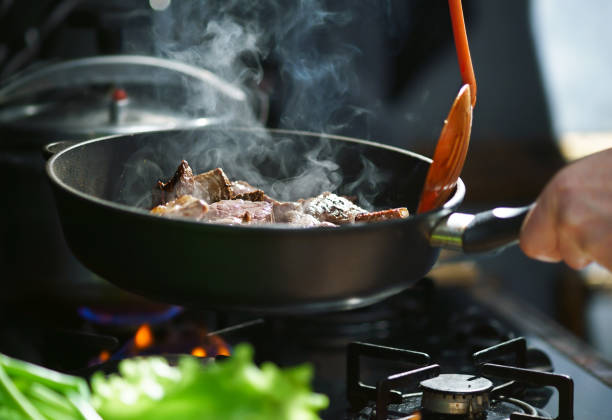
There is a specific, violent hiss that occurs when a cold scallop hits a surface heated to 500°F. It is usually the sound of a cast-iron skillet, but today, we are talking about something far more interesting. Imagine that hiss accompanied by the subtle aroma of an ancient seabed, releasing negative ions and a complex mineral flavor directly into the flesh of your seafood. This is the magic of the slab. Learning how to use a salt block for cooking fish is not just about a fancy presentation; it is about imparting a seasoning that penetrates deep into the protein fibers instantly, creating a crust that is salty, savory, and impossibly crisp.
I still remember the first time I shattered a forty-dollar block because I was impatient with the heat. It cracked right down the middle with a sound like a gunshot. It was a heartbreaking lesson in thermodynamics. But once I mastered the “thermal staircase,” that pink slab became my secret weapon for dinner parties. Whether you are searing tuna steaks or creating delicate appetizers, this tool offers a flavor profile that sprinkling table salt simply cannot replicate. If you have already explored my guide on 11 Himalayan Pink Salt Cooking Tricks and Recipes, you know that this mineral is versatile. Now, let’s focus specifically on turning your catch of the day into a masterpiece.
The Thermal Staircase: Heating Your Block Safely
Salt is a natural mineral, not metal. It possesses a rigid crystal structure that hates rapid temperature changes. If you throw a cold block onto a high flame, the internal stress will shatter it. You must treat the block like a sleeping dragon—wake it up slowly.
Place your completely dry salt block on your gas range over low heat. If you have an electric coil stove, use a metal ring (like a tart ring) to create an air gap so the salt doesn’t touch the heating element directly. Let it sit on low for 15 minutes. Increase the heat to medium for another 15 minutes. Finally, turn it to high for a final 15 minutes. You are aiming for a surface temperature of about 500°F (260°C). You can check this with an infrared thermometer or by flicking a drop of water onto it—it should dance and evaporate instantly.
Selecting the Perfect Fillet for Saline Searing
Not all fish are created equal when it comes to contact cooking. Because the salt block draws moisture out rapidly to form a crust, you want fish that is firm and fatty.
The Best Candidates:
- Scallops: The high sugar content caramelizes beautifully against the salt.
- Salmon: The fat renders out, preventing sticking.
- Swordfish or Tuna: These meaty steaks hold their shape well.
- Shrimp: They cook in seconds and absorb the mineral flavor perfectly.
Avoid delicate, flaky white fish like Tilapia, Flounder, or Sole. They will likely stick to the surface and disintegrate when you try to flip them. However, you can utilize the curing properties of salt for these fish in other ways, similar to methods discussed in Pink Salt Safe for Curing Meat, but for high-heat searing, stick to the sturdy cuts.
The Prep: Dry, Oil, and Don’t Season
This is where muscle memory will fail you. Do not salt your fish before cooking. The block is the salt. If you season the fish beforehand, you will end up with an inedible salt lick.
Pat your seafood bone-dry with paper towels. Any surface moisture will dissolve the salt block, creating a pool of brine that boils your fish instead of searing it. Once dry, brush the fish lightly with a high-heat oil like avocado or grapeseed oil. Do not oil the block directly; the oil will seep into the micro-fissures of the salt and go rancid later. Oil the food, not the tool.
The Searing Technique: Speed is Key
Once your block is screaming hot, lay your fish down. Listen for that aggressive sizzle. If it doesn’t sizzle, pull it off immediately—the block isn’t hot enough, and your food will just absorb too much salt.
Cooking on a salt block is faster than a pan because Himalayan salt holds heat incredibly well. Sear scallops for 2 minutes per side. Salmon fillets might take 3-4 minutes depending on thickness. Use a thin metal fish spatula to get under the protein. If it resists, wait thirty seconds. Just like stainless steel, the food will release when the crust is formed.
It is important to understand the difference between this method and using curing salts. As I explained in Himalayan Pink Salt vs Curing Salt, the nitrates in curing salts are for preservation, whereas the mineral block provides immediate seasoning and thermal conductivity.
The Aftermath: Cleaning Without Dissolving
Dinner is served, and now you have a black, crusty block of salt cooling on your stove. Do not scrub it while it is hot. Let it cool completely to room temperature. This might take several hours.
Once cool, carry it to the sink. Do not use soap. Salt is naturally antimicrobial; bacteria cannot live on it. Dampen a sponge slightly and scrub the stuck-on food bits vigorously. You want to use as little water as possible to avoid dissolving the block. Wipe it clean with a paper towel and dry it immediately.
Repurposing the Broken Pieces
Eventually, despite your best efforts, your salt block will crack or become too thin to heat safely. Do not throw it away! The mineral content is still valuable.
Break the pieces up with a hammer and use them in a grinder for finishing salt. Or, dissolve the chunks in water to create a mineral-rich brine. You can even create a saturated solution known as “Sole,” which has various wellness applications. Check out my guide on How to Make Sole Water with Pink Salt to get the most out of every last grain of your investment.
Why This Method Beats the Skillet
Knowing how to use a salt block for cooking fish adds a layer of complexity to your cooking that is hard to pin down. It isn’t just “salty.” The trace minerals—magnesium, potassium, calcium—add a savory depth that enhances the natural sweetness of seafood.
Furthermore, the presentation is a showstopper. Bringing a sizzling block of pink salt to the table (on a heat-safe trivet, of course) turns a Tuesday night dinner into an event. It forces you to cook with intention, to respect the heat, and to appreciate the ingredients in their purest form.
Go find a sturdy slab, grab some fresh scallops, and start heating. Just remember: patience during the heating process is the only rule that matters. Do you have a favorite spice rub you use on fish after it comes off the block? Tell me about your flavor combinations in the comments!
Frequently Asked Questions
Will the food get too salty?
Not if the block is hot enough. If the block is fully heated to 500°F, the moisture in the food evaporates instantly upon contact, creating a steam barrier. This prevents the food from absorbing too much salt. If the block is lukewarm, the food will soak up the brine and become inedible.
Can I use the salt block in the oven?
Yes, you can. Heat the block slowly in the oven just as you would on the stove (start cold, increase temp every 15 minutes). It is excellent for roasting whole fish or baking cookies, which pick up a subtle savory note.
How many times can I reuse a salt block?
With proper care, a salt block can last for dozens of cooking sessions. It will slowly erode and get thinner over time. Once it becomes too thin to handle safely without breaking, break it up for grinding salt.
Why did my salt block turn black?
Discoloration is normal. Proteins and fats from the cooking process can darken the crystal structure. It does not affect the flavor or safety of the block. You can scrub off surface residue, but deep discoloration is just a badge of honor for a well-used tool.
Can I use butter on the salt block?
It is better to use oil. Butter has a high water content and milk solids that burn quickly at high temperatures. The water in the butter can also dissolve the salt surface, leading to overly salty food. Stick to high-smoke-point oils like avocado or ghee.