7 Reasons Why Use Pink Salt in Cooking
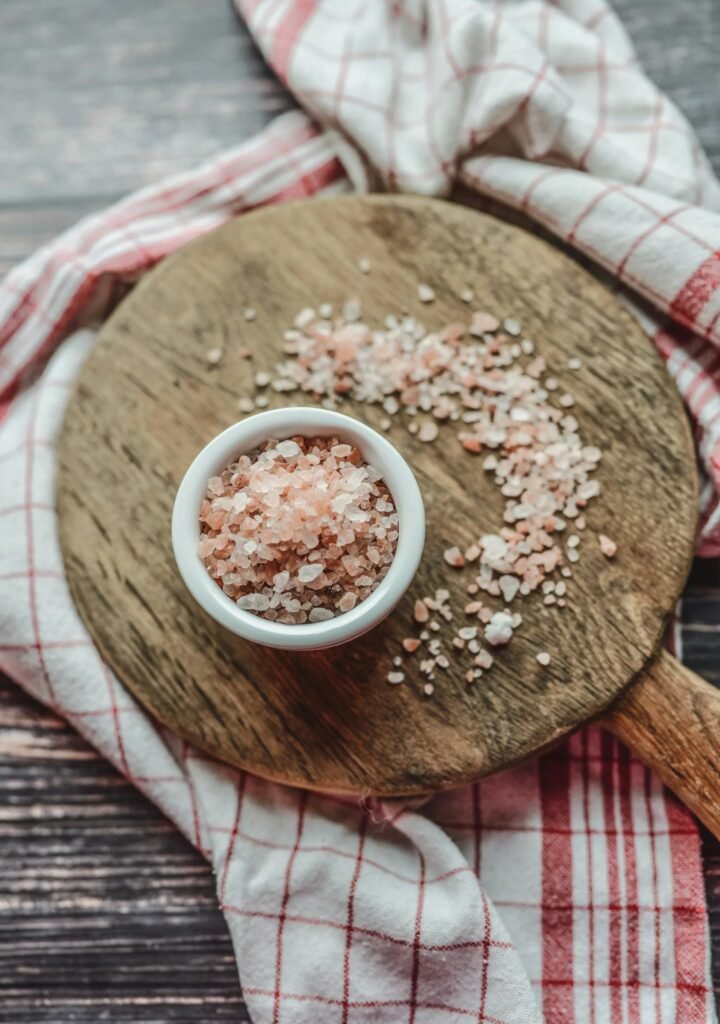
You’ve seen it everywhere. That beautiful, rose-colored salt is sitting on your friend’s counter, it’s all over Instagram, and chefs on TV are sprinkling it with dramatic flair. You’re probably wondering why use pink salt in cooking? Is this all just marketing hype? Is it “healthier”? Or is there a real, tangible reason why this pretty mineral has taken over the culinary world?
As a chef, let me be blunt: most of the “health” claims are wildly exaggerated. But the culinary benefits? They are very, very real.
Forget the pseudoscience. Today, we’re diving deep into the real reasons why professional chefs and smart home cooks are turning to pink salt. We’ll explore the science of its flavor, its unique texture, and why it might be the secret ingredient your baking has been missing. This isn’t about “cleansing” your body; this is about making your food taste better.
The “Health Halo” – Let’s Get This Out of the Way First
Before we talk about flavor, we have to address the elephant in the room: the health claims. You’ve heard that Pink Himalayan Salt contains “84 trace minerals” and is “more nutritious” than table salt.
Based on our analysis, this is technically true, but practically irrelevant.
Yes, pink salt contains trace amounts of minerals like iron oxide (which gives it its pink color), magnesium, and calcium. However, the quantities are so microscopically small that you would need to consume a toxic, lethal amount of salt to get any meaningful nutritional benefit from them. As health experts at Forbes and other institutions have pointed out, there is no scientific evidence that pink salt has any unique health benefits over other salts.
So, what’s the real benefit? It’s not what pink salt has, it’s what it doesn’t have.
Unlike standard table salt, true Himalayan pink salt is unrefined. This means it contains no anti-caking agents (like calcium silicate or sodium ferrocyanide) and no added iodine. While iodine is a crucial nutrient, the iodine added to table salt can impart a faint “chemical” or bitter taste. The purity of pink salt is its first major culinary advantage.
Himalayan Salt vs Table Salt vs Kosher Salt (The Real Showdown)
To understand why use pink salt in cooking, you first have to understand its competition. Not all salt is created equal. A chef chooses salt like a painter chooses a brush.
1. Table Salt (The One-Note Wonder)
This is the salt you grew up with. It’s finely milled, so it dissolves instantly (good for baking measurements). However, it’s “one-note.” Its flavor is harsh, sharp, and aggressive. This is because it’s 99.9% pure sodium chloride, plus those anti-caking agents and added iodine, which as we discussed, can add a bitter aftertaste. Its fine grains make it very easy to over-salt your food.
2. Kosher Salt (The Chef’s Workhorse)
This is the chef’s standard. Why? Texture. Its large, irregular flakes are easy to “pinch” and “feel.” This gives chefs precise control over seasoning. When you hear “season to taste,” this is the salt they’re using. Like pink salt, it typically contains no iodine, so its flavor is “cleaner” and “purer” than table salt.
3. Pink Himalayan Salt (The “Finishing” Salt)
This is where it gets interesting. Pink salt bridges the gap. The benefits of pink salt in food are twofold: flavor and texture.
- Flavor: Because of its trace minerals, pink salt has a “rounder,” “milder,” and more complex flavor. It’s not just “salty”; there’s a subtle mineral nuance. It’s less harsh than table salt.
- Texture: It is often sold as large, beautiful crystals or flakes. This makes it a “finishing salt.” You sprinkle it on at the end of cooking.
7 Real Culinary Reasons Why You Use Pink Salt in Cooking
Okay, the science lesson is over. Here are the real reasons why a professional chef like me keeps pink salt in the kitchen.
1. The Flavor is Milder and More Complex
This is the biggest one. Does pink salt taste different? Yes.
If you taste a grain of table salt and a crystal of pink salt side-by-side, you’ll notice it immediately. The table salt is a sharp, aggressive, chemical “hit” of saltiness. The pink salt is… calmer. The mineral content, while not nutritionally significant, does affect the flavor. It “rounds out” the sharp edges of the pure sodium chloride, giving it a more mellow, nuanced, and almost “sweet” finish. It makes food taste seasoned, not just “salty.”
2. The Power of “Finishing” with Flakes
This is the most important professional technique. We are not talking about fine, powdery pink salt (which is just expensive table salt). We are talking about the flaky, crunchy crystals.
When you use salt during cooking, it dissolves and disappears into the dish. But when you use a flaky pink salt at the end (a “finishing salt”), it does not dissolve.
Imagine a perfectly seared scallop or a piece of dark chocolate. When you sprinkle flaky pink salt on top, you’re adding two things:
- A burst of flavor: The salt hits your tongue in one spot, creating a bright “pop” that contrasts with the rich scallop or sweet chocolate.
- A crunchy texture: It adds a delicate, satisfying crunch.
This contrast—sweet/salty, soft/crunchy—is what makes food exciting. This is something table salt can never do.
3. The Secret Weapon in Baking (Texture!)
This brings us to baking. For years, bakers used fine table salt because it dissolves perfectly. But a revolution has happened. Why are so many gourmet cookies now using flaky pink salt?
Because of that exact contrast. When you mix fine salt into cookie dough, the whole cookie becomes “uniformly seasoned.” But when you use large flakes, they don’t fully dissolve.
The result? You bite into a sweet, rich, buttery cookie, and suddenly your teeth hit a tiny, crunchy “pocket of salt”. It’s an explosion of flavor that cuts the richness and makes you immediately want another bite. This is an advanced technique. It’s the difference between a “salty cookie” (a mistake) and a “gourmet cookie” (an experience).
Visual Guide: The Pink Salt “Flavor Pocket” Trick
I’ve talked about texture, but I want you to see it. I’ve curated this video because it demonstrates this brilliant professional technique perfectly. As an expert, I want you to watch this.
Pay close attention around the 1:00 mark. Notice how they use flaky pink salt, not fine salt, in the chocolate chip cookies? This isn’t just for “saltiness”; it’s to create those tiny “pockets of flavor” that explode when you take a bite. This simple swap is what takes a homemade cookie and makes it taste like it came from a high-end bakery. This is the Himalayan salt vs table salt in cooking debate in action.
Video by: Emmymade.
4. The “Pure” Brine (No Additives)
Let’s go deeper on the “no additives” point from earlier. This is crucial for things like brining, pickling, and fermenting.
When you make a brine for a turkey, or a salt solution for pickles or sauerkraut, you want pure salt (NaCl).
The anti-caking agents in table salt (like calcium silicate or sodium ferrocyanide) don’t dissolve. They can make your brine cloudy and add a faint chemical, bitter taste. The added iodine can also inhibit the good bacteria you need for fermentation (like in sauerkraut).
Because pink salt is unrefined, it’s “cleaner” for these applications. It creates a clear, pure brine that results in a cleaner-tasting final product.
5. Curing and Salt Blocks (The “Original” Use)
Pink salt isn’t just a new trend. It’s an ancient tool. The word “salt” is the root of “salary” and “salad.” It was (and is) the original preservative.
The large, dense crystals of Himalayan salt are perfect for curing. You can pack a piece of fish (like for gravlax) or meat in a mix of pink salt and sugar, and it will slowly draw out the moisture, making it safe to eat and imbuing it with that subtle mineral flavor.
And, of course, there are the famous Himalayan salt blocks. These dense blocks can be heated to scorching hot temperatures (over 500°F / 260°C) and used to sear scallops, steak, or vegetables right at the table. The block’s low moisture and stable crystal structure allow it to hold heat incredibly well, and it seasons the food with a delicate, salty crust as it cooks. This is a pure expression of its unique properties.
6. The Visual Appeal (You Eat With Your Eyes)
Let’s not be snobs. We can’t ignore the obvious. It’s pretty.
This is not a silly point. As chefs, we know that presentation is half the battle. You eat with your eyes first.
When you serve a beautiful dark chocolate tart, a perfectly seared scallop, or a simple avocado toast, a final sprinkle of flaky pink salt is a visual cue. It looks professional. It signals to the diner that care was taken. The beautiful, rosy-pink crystal sparkling on the food “tastes” good before it even hits your mouth. It adds a look of luxury and intention.
7. Better Moisture Control (For Searing)
This is a more advanced technique. When you want a perfect, crispy crust on a steak or a piece of fish skin, what’s the enemy? Moisture.
If you salt a steak with fine table salt, it dissolves almost instantly, creating a wet, watery “brine” on the surface of the meat. This is the opposite of what you want for a sear.
If you salt that same steak with coarse pink salt (or kosher salt) 15 minutes before cooking, the large crystals will sit on the surface and pull the moisture out of the meat, where it can be blotted away with a paper towel. The result is a drier, “tackier” surface that will form a magnificent, brown crust when it hits the hot pan. This is a core technique in many European classic dishes.
Ready to Master This Ingredient?
You understand the “why”… now learn the “how.” We’ve only scratched the surface of why use pink salt in cooking. My full guide gives you 11 specific, actionable tricks and recipes (like salt-block cooking and brining) to use this amazing ingredient like a professional.
See 11 Pink Salt Tricks & RecipesA Chef’s Final Rant: What NOT to Do
A few quick, non-negotiable rules from my kitchen to yours:
- Do not waste your money on fine-ground pink salt. You’re just paying a massive premium for “pink table salt” and losing all the texture benefits. The magic is in the flake or crystal.
- Do not believe it’s a “health food.” It is not. It is a flavor food and a texture food.
- Do not use it to salt your pasta water. That is a waste of money. Use cheap kosher or sea salt for that. Save the pink stuff for “finishing,” where you can actually taste and feel it.
Frequently Asked Questions
1. Is pink salt *really* healthier than white salt?
No. Based on all scientific analysis, the trace mineral content (the “84 minerals”) is so tiny that it provides no meaningful nutritional benefit. The primary benefit is purity: it contains no anti-caking agents or added iodine, which can taste bitter.
2. Does pink salt taste different from table salt?
Yes, significantly. Because it lacks added iodine and anti-caking agents, its flavor is “cleaner,” “milder,” and “less sharp.” The trace minerals add a subtle complexity or “roundness” that many chefs prefer. This is a key benefit of pink salt in food.
3. Can I use pink salt for *all* my cooking?
You can, but it’s not the best use of your money. The best practice is to use cheap kosher salt for “bulk” seasoning (like boiling pasta water or making a brine) and save your expensive flaky pink salt for “finishing” (sprinkling on food at the end), where you can actually taste and feel the unique flavor and texture.
4. Why is pink salt so good in baking, like cookies?
The magic is texture. When you use flaky pink salt, the large crystals don’t fully dissolve in the dough. This creates tiny “pockets of salt” that provide a satisfying crunch and a bright flavor explosion that contrasts perfectly with the sweet cookie.
5. Do I need to worry about iodine if I *only* use pink salt?
Yes. This is a valid concern. Pink salt is not a good source of iodine, which is an essential nutrient. If you exclusively use un-iodized salts (like pink or kosher), you should ensure you get iodine from other sources in your diet, such as fish, dairy, or seaweed.