How to Make a Perfect Quiche Lorraine: A Classic French Tart
Introduction to Quiche Lorraine
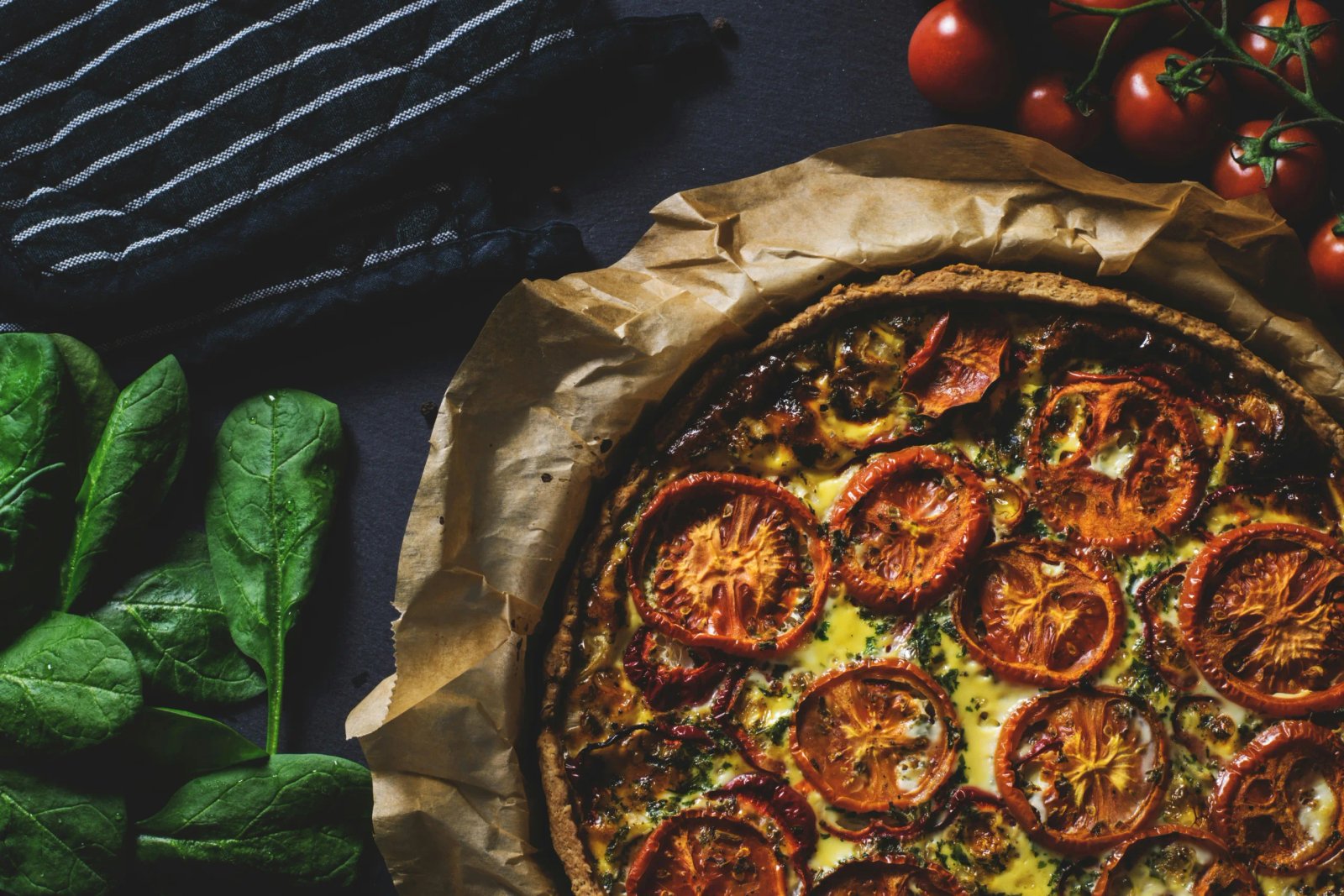
Quiche Lorraine is a celebrated dish that originates from the Lorraine region of northeastern France. This savory tart is emblematic of French cuisine and serves as a prime example of the ingenuity surrounding simple yet rich ingredients. Traditionally, the core components of a Quiche Lorraine include a flaky pastry crust filled with a creamy mixture of eggs, milk, and lardons—small strips of unsmoked bacon. This combination results in a dish that is simultaneously luxurious and comforting.
The significance of Quiche Lorraine extends beyond its delectable taste; it reflects the culinary traditions and regional specialties of France. As one of the most recognized variants of quiche, its roots can be traced back to the 16th century when it was initially prepared in a crust of bread rather than pastry. Over time, the recipe has evolved, but certain elements remained constant, particularly the use of lardons. These contribute not only flavor but also the characteristic texture that defines this classic dish.
Interestingly, the traditional Quiche Lorraine notably excludes cheese, differentiating it from many other quiche varieties that incorporate various types of cheese to enhance flavor. Purists hold this aspect of the dish in high regard, maintaining that the authentic recipe should be respected to truly honor the heritage of this French delight. The absence of cheese allows the flavors of the egg custard and the lardons to shine through, creating a quiche that is balanced and harmonious.
In France, Quiche Lorraine is often enjoyed as a versatile dish, suitable for any meal time—breakfast, lunch, or dinner—and can be served warm or at room temperature. Its cultural significance and the continued appreciation for its authentic preparation ensure that Quiche Lorraine remains a cherished staple within both French households and fine dining establishments worldwide.
Understanding the Key Ingredients
To create a classic Quiche Lorraine, it is essential to understand the fundamental ingredients that contribute to its rich flavor and delightful texture. The quintessential component of this dish is the buttery shortcrust pastry. This pastry serves as the base, providing a flaky and tender texture that perfectly encapsulates the filling. For achieving the ideal consistency, using high-quality unsalted butter is recommended, as it adds a luxurious richness without overwhelming the other flavors. The pastry must be handled delicately to avoid toughness, ensuring a light and airy crust to complement the creamy filling.
The next integral ingredient is fresh eggs, which are pivotal for binding the quiche together. Eggs not only contribute to the structure but also impart a subtle richness to the dish. The number of eggs used can vary depending on the size and depth of the tart, but their role in creating a stable yet tender filling is critical. Together with the eggs, heavy cream is combined to enhance the lusciousness of the filling. The cream contributes to the overall silkiness and rich flavor, making the quiche indulgent and satisfying. An ideal ratio of cream to eggs is crucial for achieving the perfect custard-like consistency that defines a classic Quiche Lorraine.
Lastly, lardons, or small strips of bacon, are traditionally included to provide a savory, smoky flavor that elevates the dish. The choice of lardons is significant; they should be cooked until crispy to ensure the best texture and to render some of their fat, which adds further depth to the filling. Together, these ingredients create a harmonious balance of flavors – the buttery crust, the creamy custard, and the crispy, salty lardons combine to form a satisfying culinary experience that has stood the test of time.
Making the Buttery Shortcrust Pastry
Creating the perfect buttery shortcrust pastry is the foundation of a classic Quiche Lorraine. This process begins with selecting high-quality ingredients, including all-purpose flour, unsalted butter, salt, and cold water. Measurement accuracy is crucial; the balance of these components impacts the pastry’s texture and flavor. Begin by measuring the flour using a scale for precision, then combine it with a pinch of salt to enhance the overall taste.
Next, the butter must be appropriately prepared. It should be cold, ideally straight from the refrigerator. Cut the butter into small cubes and add it to the flour mixture. The goal here is to achieve a breadcrumb-like texture, which allows for the butter to be evenly distributed throughout the flour. This mixture can be processed using a food processor for efficiency or completed by hand with a pastry cutter or your fingertips. The latter method fosters a tactile connection, which can yield a superior product.
Once the butter and flour are combined to resemble coarse crumbs, it is time to add cold water; approximately 2-4 tablespoons should suffice. Gradually sprinkle the water over the mixture while gently mixing with a fork, ensuring not to overwork the dough. The mixture should come together slightly, forming a ball without excessive kneading. A delicate touch is vital since the warmth from your hands can melt the butter, compromising the flakiness of the pastry.
After forming the dough, pat it into a disc and wrap it in plastic wrap to chill in the refrigerator for at least 30 minutes. This chilling step is critical, as it allows the gluten to relax and the butter to solidify, resulting in a tender and flaky crust. When ready to roll out, dust your surface with flour and gently roll the dough to fit your tart pan, ensuring an even thickness throughout.
The Art of Blind Baking
Blind baking is a crucial step in preparing a quiche Lorraine, as it prevents the crust from becoming soggy when the custard filling is added. This technique involves precooking the pastry shell before adding the filling, ensuring a flaky and well-cooked crust. To begin the blind baking process, gather the necessary tools: a tart pan, parchment paper, and pie weights or dried beans. These items will help maintain the shape of the crust and prevent it from puffing up during baking.
First, roll out your pastry dough and carefully fit it into the tart pan, making sure to trim the edges. After placing the dough in the pan, use a fork to prick small holes in the bottom. This step allows steam to escape during the baking process, minimizing the risk of an unstable crust. Next, lay a sheet of parchment paper over the dough, ensuring it covers the edges to prevent burning.
Now, fill the parchment-lined crust with pie weights or dried beans. This weight will keep the crust from rising and maintain its shape during the initial baking phase. Preheat your oven to 425°F (220°C), and bake for approximately 15-20 minutes. This initial baking period is vital for achieving a golden-brown crust. After this time, carefully remove the pie weights and parchment paper, then return the crust to the oven for an additional 5-10 minutes. Watch for the edges to turn a light golden hue, indicating a properly cooked pastry.
Once your crust is baked, allow it to cool slightly before adding the filling. Mastering the art of blind baking is essential for making an outstanding quiche Lorraine, as it significantly enhances the texture and flavor of the final dish. By following these steps diligently and paying close attention to timing, you can avoid common pitfalls associated with soggy crusts, ensuring a perfect quiche every time.
Preparing the Egg and Cream Custard
To achieve the perfect quiche Lorraine, the foundation lies in the custard, which comprises eggs and cream. The standard ratio for a creamy, yet firm filling is typically three large eggs to one cup of heavy cream. This combination ensures that the quiche firms up nicely while remaining delectably creamy. Start by cracking the eggs into a mixing bowl, ensuring that they are at room temperature. Using a whisk, gently beat the eggs until they are thoroughly combined, with the whites and yolks emulsified into a uniform mixture. This initial step is crucial, as it allows for an even distribution of the egg proteins throughout the custard.
Next, slowly add the heavy cream to the beaten eggs. It is advisable to pour the cream gradually while continuing to whisk, which promotes a smooth blend. Avoid incorporating air into the mixture; whisking gently will help maintain the custard’s silky texture. After the cream is fully integrated, season your custard with salt and freshly ground black pepper. Some chefs also recommend adding a dash of nutmeg or freshly grated cheese for added flavor, though this is purely optional. Taste the custard to ensure it has the right balance of richness and seasoning, adjusting the salt and pepper as needed.
Once you have achieved a smooth, well-seasoned custard, you are ready to proceed. Employ a fine-mesh sieve to strain the mixture into another bowl or directly into the prepared pastry shell. Straining helps eliminate any lumps and guarantees a silky final product. Now that you have prepared a delicious custard base, you may continue by adding your choice of fillings, such as sautéed onions, crispy bacon, or a selection of cheeses, before pouring in the custard and baking to perfection. This careful attention to the egg and cream custard ensures that your quiche Lorraine will be both flavorful and satisfying.
Assembling and Baking the Quiche
To assemble a traditional Quiche Lorraine, begin with a pre-baked tart shell that has been blind-baked to ensure a crisp texture. First, carefully layer the cooked lardons, which provide a savory depth, evenly across the bottom of the tart. The lardons should be crisped in a skillet until they are golden brown, as this enhances their flavor and ensures they do not release excess grease into the custard during baking. Distributing them evenly will guarantee that every bite of your quiche is rich and flavorful.
Next, prepare the custard mixture, which often consists of eggs, heavy cream, milk, and a hint of nutmeg for added warmth. Whisk these ingredients together until they are fully combined, taking care to incorporate air into the mixture for a light and fluffy texture. You may also season the custard with salt and pepper, but be cautious with the salt as the lardons already contribute a considerable amount of saltiness. Once the custard is ready, gently pour it over the lardons, ensuring they are submerged and evenly distributed.
When it comes to baking the quiche, preheat your oven to 350°F (175°C). This temperature allows the quiche to bake evenly without overcooking the custard, which could lead to a rubbery texture. Bake the quiche for 30 to 40 minutes or until the custard is set and the top is lightly browned. You may want to check the quiche at the 30-minute mark, as oven temperatures can vary. A slight jiggle in the center is acceptable and indicates that it will finish setting as it cools. Allow the quiche Lorraine to rest for at least 10 minutes before slicing, as this resting period helps achieve the perfect slice and enhances the overall taste experience. Enjoy the delightful layers of flavors that this classic French tart has to offer.
Cooling and Serving Suggestions
After baking, allowing your Quiche Lorraine to rest is crucial for optimal flavor and texture. Cooling the quiche for about 15 to 20 minutes before slicing enables the custard to set properly. If you slice it too soon, the filling may spill out, leading to an unsatisfactory presentation and an unstructured bite. The cooling process not only aids in maintaining the structural integrity of the quiche but also enhances its flavors, as the ingredients have time to meld harmoniously.
When it comes to serving this classic French tart, there are several delicious options that can elevate your dining experience. Quiche Lorraine is incredibly versatile and can be enjoyed both warm and at room temperature, making it an excellent choice for a variety of occasions. One popular serving suggestion is to pair the quiche with a simple mixed green salad. The freshness of the greens, perhaps dressed with a light vinaigrette, complements the richness of the quiche beautifully, resulting in a balanced meal.
Furthermore, this dish shines as a centerpiece at brunch gatherings. It can be accompanied by sides such as fresh fruit, croissants, or even a selection of cheeses to create a delightful brunch spread. With its savory flavors and elegant presentation, a Quiche Lorraine can also serve as a hearty appetizer at sophisticated dinners or festive occasions. As an option, serving slices of quiche alongside a glass of white wine or champagne can further enhance the flavor profile, making for a memorable culinary experience.
In sum, the process of cooling your Quiche Lorraine is essential for achieving the perfect texture, while thoughtful serving suggestions can enhance the overall enjoyment of this classic dish.
Printable Recipe Card
Creating the perfect Quiche Lorraine requires precise measurements and a clear understanding of the cooking process. Below is a simple yet comprehensive recipe card detailing the ingredients and the steps necessary to achieve this classic French tart.
Ingredients:
- 1 pre-made pie crust (9-inch)
- 6 large eggs
- 1 cup heavy cream
- 1 cup whole milk
- 4 ounces of cooked bacon, chopped
- 1 cup Gruyere cheese, grated
- Salt and pepper, to taste
- 1 tablespoon fresh parsley, chopped (optional, for garnish)
Instructions:
- Preheat your oven to 375°F (190°C).
- Place the pre-made pie crust into a 9-inch tart pan. Press the edges firmly and poke a few holes in the bottom with a fork to prevent bubbling.
- In a large mixing bowl, whisk together the eggs, heavy cream, and milk until smooth. Add salt and pepper according to your preference.
- Evenly distribute the cooked bacon and grated Gruyere cheese over the pie crust.
- Pour the egg mixture over the bacon and cheese, ensuring all components are well combined and coated.
- Bake in the preheated oven for approximately 35-40 minutes, or until the quiche is golden brown and a knife inserted in the center comes out clean.
- Allow the quiche to cool for 10 minutes before slicing. This will help it set and maintain its shape when served.
- Garnish with freshly chopped parsley, if desired.
This printable recipe card serves as an essential guide for anyone looking to master the art of making Quiche Lorraine. Following these straightforward instructions can help ensure a delightful culinary experience, perfect for brunch or a light dinner.
Frequently Asked Questions
When making a Quiche Lorraine, many home cooks have common inquiries that can significantly influence their results. One of the primary concerns is how to create a non-soggy crust. To achieve a perfectly crisp crust, it is essential to blind bake the tart shell before adding the filling. This method entails pre-baking the crust with parchment paper and pie weights for approximately 15-20 minutes at a high temperature. Doing so helps to set the pastry and prevents moisture from the filling from seeping into the crust, resulting in a delightful textural contrast.
Another frequent question revolves around the inclusion of cheese in Quiche Lorraine. Traditional recipes often highlight the use of cheese, typically Gruyère or Emmental, which adds richness and depth to the flavor profile. However, some cooks question whether cheese is necessary, especially if looking to reduce calories or cater to a dairy-free diet. While omitting cheese is entirely feasible, those who wish to remain true to the classic preparation may choose to include a modest amount, as it contributes to the quiche’s signature creaminess and enhances the various flavors.
Furthermore, a common point of confusion arises between quiche and frittata. Although both dishes feature eggs and can incorporate a range of ingredients, the differences lie mainly in preparation and texture. Quiche is baked in a pastry crust and often contains cream or milk, resulting in a rich, custard-like filling. In contrast, a frittata is produced by mixing eggs with vegetables or meats and is typically cooked directly in a skillet without a crust. This distinction is crucial for cooks aiming to prepare a specific dish, as each offers a unique dining experience, appealing to various tastes and occasions.

![7 Foolproof Hacks: Master European Classics & Impress Everyone [Tonight!]](https://images.unsplash.com/photo-1698952120266-e8903097b241 "7 Foolproof Hacks: Master European Classics & Impress Everyone [Tonight!] 6")