How to Make French Profiteroles (Cream Puffs): A Pastry Chef’s Guide
Introduction to Profiteroles
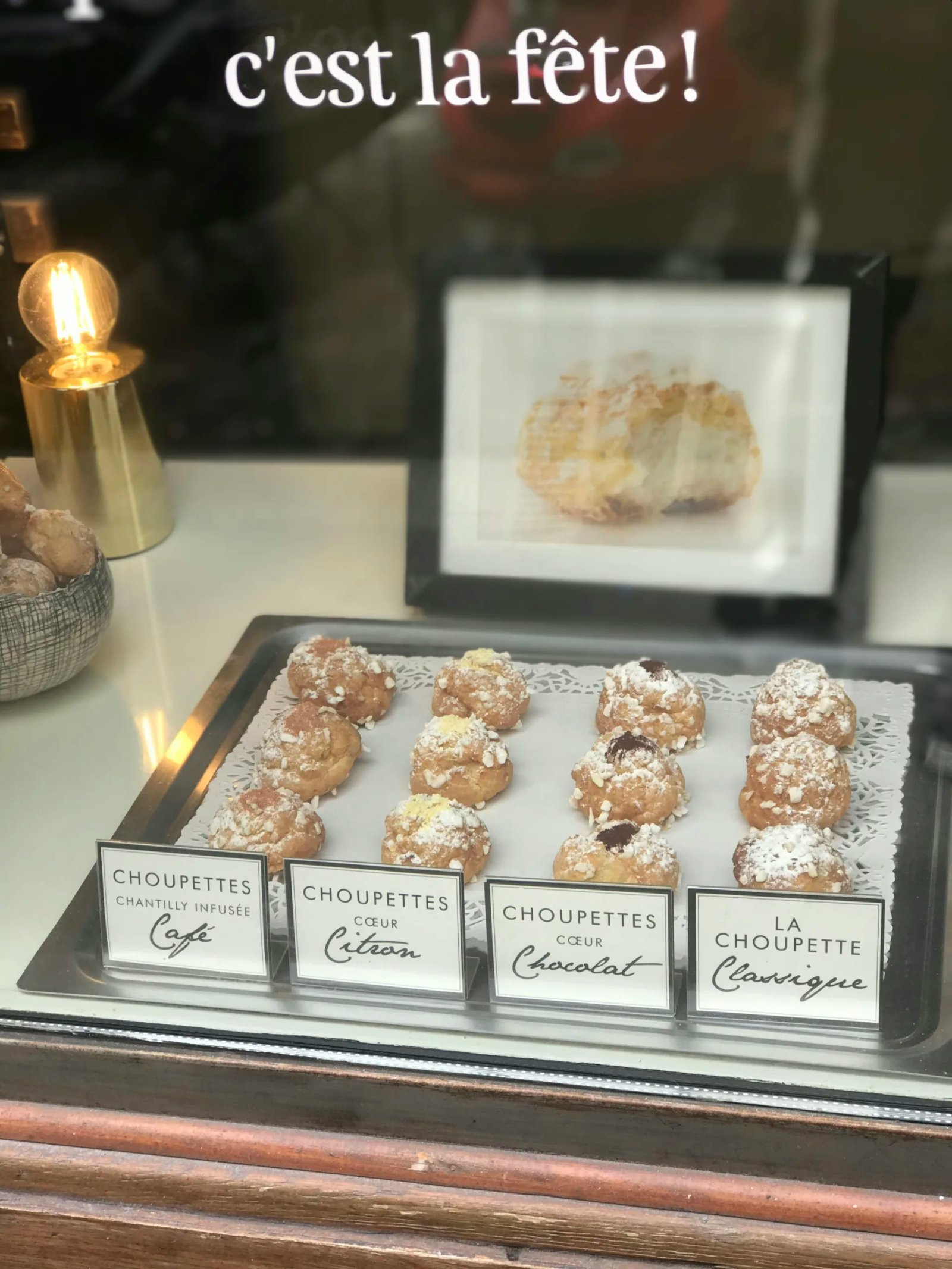
Profiteroles, delicately crafted French pastries, are celebrated for their light and airy texture, which is achieved through the mastery of choux pastry. Originating in France during the Renaissance, these delectable treats have become a staple in French patisserie, adored for their versatility and elegance. Traditionally, profiteroles consist of small round shells made from choux pastry, which is a unique blend of water, flour, butter, and eggs. This combination, expertly combined, yields a pastry that expands beautifully in the oven, resulting in hollow centers perfect for filling.
The significance of profiteroles extends beyond mere enjoyment; they embody the art of French baking. Their creamy fillings, usually a rich combination of whipped cream, pastry cream, or ice cream, bring a delightful contrast to the crisp outer shell. Typically adorned with a chocolate sauce or glaze, these pastries not only look impressive but also tantalize the taste buds with their rich textures and flavors. Whether served as a special dessert during festive occasions or enjoyed as a simple treat, profiteroles reflect the sophistication inherent in French cuisine.
Mastering the technique of making choux pastry is essential for any aspiring pastry chef, as it lays the foundation for creating these enchanting delights. Understanding the perfect balance of ingredients and the method of preparation will allow bakers to produce consistent and delightful results. As one embarks on the journey of making profiteroles, the joy derived from both the process and the final outcome highlights the pastry’s timeless allure. With this foundational knowledge, bakers can confidently explore and create variations, ensuring that profiteroles remain a cherished dessert choice across generations.
Understanding Pâte à Choux (Choux Pastry)
Pâte à choux, commonly referred to as choux pastry, is a versatile and unique type of pastry known for its light and airy texture. This pastry is fundamentally different from others, such as puff pastry and shortcrust pastry, due to its distinct preparation method and ingredient composition. While most pastries rely on fats like butter to achieve their structure, choux pastry utilizes steam generated during baking to create its characteristic hollow interiors, making it an ideal choice for fillings such as cream or custard, which are commonly found in French profiteroles.
The primary ingredients of choux pastry include flour, water, eggs, and butter. The quality of these ingredients is paramount to achieving the perfect texture. Typically, all-purpose flour is used for its balance of protein and starch content, which helps create a stable structure. Water plays a crucial role in forming steam during baking, allowing the pastry to rise properly. Butter contributes to flavor, while also aiding in the emulsification process, ensuring the dough remains moist and workable. The addition of eggs not only enriches the flavor but also acts as a binding agent that provides the necessary structure and lift.
One of the defining features of choux pastry is its unique cooking method, which involves combining the flour and butter in a pan with boiling water before incorporating the eggs. This technique ensures that the flour is properly hydrated and allows for the creation of a dough that is initially cooked before baking. This original cooking step is what sets choux pastry apart from other pastry types and is essential in developing its iconic characteristics. When baked, the choux puffs up and forms a delicate shell that can be easily filled with various creams, custards, or even savory mixtures. Understanding the fundamentals of choux pastry is a vital step in successfully crafting French profiteroles and will lay the foundation for further pastry exploration.
Cooking the Dough on the Stove
To initiate the process of creating French profiteroles, it is essential to properly prepare the choux pastry, primarily focusing on cooking the dough on the stove. Begin by combining water and butter in a saucepan. The water must be at room temperature to effectively melt the butter, which should be cut into small pieces for quicker incorporation. This mixture is fundamental as it directly influences the final texture of the profiteroles.
Once the butter has melted completely, increase the heat to bring the mixture to a gentle boil. It is crucial at this stage to monitor the temperature to avoid burning the butter. Once boiling, reduce the heat slightly and add all-purpose flour in one quick motion. The flour should be a high-quality flour with a sufficient protein content, as it contributes to the elasticity and structure of the pastry.
As you add the flour, stir vigorously with a wooden spoon or spatula. It is recommended to employ a method that motions away from the sides of the pan, creating a cohesive dough. The mixture will transform into a thick paste that begins to pull away from the sides of the saucepan, indicating that the dough is adequately cooked. This aspect is key; properly cooking the dough will ensure that excess moisture is evaporated, which is vital for the successful rise of the profiteroles.
Cook the mixture for about two minutes, continuing to stir constantly. This additional cooking time permits the starches within the flour to gelatinize, ensuring that the final product has a light and airy texture. After achieving this consistency, remove the saucepan from the heat and prepare for the next steps in crafting the perfect profiteroles.
Step 2: Beating in the Eggs
After preparing the choux pastry, the next critical step involves incorporating eggs into the cooked dough, which is essential for achieving the signature light and airy texture of French profiteroles. It is imperative to add the eggs gradually, one at a time, as this ensures that the dough can absorb each addition fully. If all the eggs are added simultaneously, the dough may become overly wet and difficult to manage, compromising the desired consistency.
To begin, break the eggs into a separate bowl to facilitate an easier mixing process. Once the dough has cooled slightly, creating a reservoir in the center of the dough helps promote even distribution of the eggs. Carefully mix in the first egg using a wooden spoon or a sturdy spatula. It is crucial to fully incorporate the egg before adding the next one. The dough should transform from a dense texture to a smoother, more elastic form, indicating that it is ready for the subsequent egg addition.
The ideal consistency of the dough will be thick yet able to hold its shape when piped; it should form a soft peak when lifted with a spoon. If the dough appears stiff, additional egg may be required, but excess liquid must be avoided to ensure optimal results. To achieve a softer dough, you could add an egg yolk or a small amount of water if necessary. Be sure to monitor the dough’s texture closely, as each batch of eggs may vary slightly in size and moisture content.
Common pitfalls include incorporating eggs too quickly or adding too many at once, resulting in a soggy texture unsuitable for forming perfect profiteroles. Therefore, patience and attention are key during this phase of the pastry-making process. By diligently following these steps and tips, you will enhance the chances of creating sublime profiteroles that are not only delicious but also visually appealing.
Piping and Baking the Puffs
The process of piping the choux pastry onto a baking sheet is critical in achieving the characteristic shape and size of French profiteroles. Begin by filling a piping bag fitted with a large round tip with the prepared choux pastry. It’s essential to make sure the bag is adequately filled but not overstuffed, as this can lead to a difficult squeezing process. To maintain control, hold the piping bag at a 90-degree angle about an inch above the baking sheet.
When piping the dough, apply consistent pressure to create evenly sized mounds. Aim for a diameter of approximately 1.5 inches, as this will ensure that the profiteroles achieve a good rise and cook evenly in the oven. Using a template or marking small circles on parchment paper can help maintain uniformity if you are piping multiple batches. After each puff, lift the tip straight up to help avoid any pointed peaks, which can result in irregular shapes once baked.
Once all the profiteroles are piped, it’s beneficial to lightly wet your finger and smooth any pointed peaks that might remain on the top of each puff. This step helps in achieving a rounder top during baking. Preheat your oven to 375°F (190°C) to ensure it reaches the necessary temperature before placing the baking sheet inside. A hot oven is crucial for the initial rise of the choux pastry.
When it comes to baking, a few tips can make a significant difference. Avoid opening the oven door during the first 20 minutes of baking to prevent the puffs from collapsing. The profiteroles generally bake for 20 to 25 minutes, and they are ready when they are golden brown and have puffed up significantly. Additionally, they should feel light and hollow when gently touched. Once baked, allow them to cool on a wire rack before filling them with cream. This ensures that the crust remains crisp while providing an indulgent, airy center.
Filling the Profiteroles
One of the defining characteristics of French profiteroles is their delightful fillings, which can elevate the dessert to new heights. The most traditional filling is whipped cream, which provides a light and airy texture that complements the pastry perfectly. To prepare the whipped cream, start by chilling a mixing bowl and beaters in the refrigerator for about 15 minutes. Then, use heavy cream—preferably at least 36% fat content—for the best results, as it whips into stiff peaks more easily.
Using an electric mixer, beat the heavy cream on medium speed until it begins to thicken. Gradually add in powdered sugar and a splash of vanilla extract for flavor. Continue beating until the cream holds stiff peaks, but be cautious not to overbeat, as this can lead to a grainy consistency. Once ready, transfer the whipped cream into a piping bag fitted with a round tip for easy filling of the profiteroles.
To fill the baked profiteroles effectively, gently insert the piping tip into the side of each puff. Apply light pressure on the piping bag to allow the whipped cream to fill the interior, being careful not to overfill, which could cause the pastry to split. If preferred, you can also use a small knife to slice the profiteroles in half and dollop the whipped cream inside.
Aside from whipped cream, there are several alternatives worth considering for filling your profiteroles. Pastry cream, also known as crème pâtissière, offers a richer and more custard-like consistency. To make pastry cream, combine milk, sugar, and egg yolks in a saucepan, cook over medium heat, and whisk until thickened. Once cooled, this can be piped into the puffs just like whipped cream.
Another popular option is ice cream, which adds a refreshing twist. Simply soften your favorite flavor slightly before using it to fill the profiteroles, and refreeze briefly before serving. This versatility in filling options ensures that each batch of profiteroles can be customized to fit any occasion, pleasing a variety of taste preferences.
Topping with Chocolate Sauce
One of the most delightful aspects of profiteroles is the glossy chocolate sauce that embellishes these cream puffs, elevating them from simple pastries to an exquisite dessert. There are several types of chocolate sauce that can be used, including dark, milk, or white chocolate. Each variety offers a unique flavor profile that can complement the cream filling beautifully. For traditional enthusiasts, dark chocolate is often preferred due to its rich flavor and slight bitterness, which balances the sweetness of the pastry and cream. However, milk chocolate provides a creamier texture and a milder taste, while white chocolate can add a sweet, buttery richness.
Melting chocolate for your sauce can be done using several methods. The most common technique involves using a double boiler, where the chocolate is placed in a heatproof bowl above simmering water. This method ensures that the chocolate melts evenly without burning. Alternatively, you can use the microwave, melting the chocolate in short bursts of 15-20 seconds, stirring in between each session until the chocolate is smooth and completely melted. Regardless of the method, be sure to keep an eye on the chocolate, as overheating can ruin its texture and flavor.
Once your chocolate sauce is ready, the method of application is essential for presentation. Drizzling the sauce over the profiteroles can create a sophisticated look, especially if you use a fork or a piping bag to control the flow. For a decadent experience, consider dipping each profiterole into the chocolate sauce, allowing excess to drip off before placing them on a serving platter. This ensures a lovely coating while adding an element of indulgence. Whether you choose to drizzle or dip, the allure of chocolate sauce truly enhances the enjoyment of homemade profiteroles.
Printable Recipe Card for French Profiteroles
Creating delightful French profiteroles at home is within reach with this comprehensive recipe card. Below, you will find a clear list of ingredients, precise measurements, and step-by-step instructions that simplify the process of making these exquisite cream puffs.
Ingredients:
- 1 cup water
- 1/2 cup unsalted butter
- 1 cup all-purpose flour
- 1/4 teaspoon salt
- 4 large eggs
- 1 teaspoon vanilla extract (optional)
- 1 cup heavy cream (for filling)
- 2 tablespoons powdered sugar (for filling)
- Chocolate sauce or caramel (for drizzling, optional)
Instructions:
- Preheat your oven to 425°F (220°C). Line a baking sheet with parchment paper.
- In a medium saucepan, combine the water and butter. Bring to a boil over medium heat, stirring until the butter is melted.
- Reduce heat to low and add flour and salt all at once, stirring vigorously until the mixture forms a ball. Cook for an additional 1-2 minutes while stirring to dry the dough slightly.
- Remove from heat and let it cool for about 5 minutes. Add eggs one at a time, mixing after each addition until the dough is smooth and glossy. Optionally, mix in vanilla extract.
- Using a piping bag or a spoon, drop tablespoons of dough onto the prepared baking sheet, spacing them apart to allow for expansion.
- Bake in the preheated oven for 20-25 minutes or until the profiteroles are puffed and golden brown. Avoid opening the oven door during baking.
- Let cool on a wire rack before filling with whipped cream mixed with powdered sugar.
- Drizzle with chocolate sauce or caramel, if desired, and serve immediately.
With these easy-to-follow instructions, you can master the art of making French profiteroles. Enjoy your culinary achievement!
Frequently Asked Questions
In the pursuit of mastering the art of making French profiteroles, various questions often arise. One of the most prevalent issues is the collapse of cream puffs during or after baking. This can typically occur due to several reasons, including insufficient cooking of the choux pastry before baking. The moisture content must be sufficiently reduced to form a stable structure. Ensure that you cook the mixture until it pulls cleanly away from the sides of the pan. Additionally, avoid opening the oven door too early in the baking process, as a sudden drop in temperature may lead to collapsing puffs.
Another fundamental topic pertains to understanding what choux pastry is. Choux pastry, or pâte à choux, is a light, airy dough made primarily from butter, water, flour, and eggs. This unique dough is boiled on the stovetop and then baked, creating a hollow center that is ideal for filling with cream or custard. The technique of making choux pastry is essential to producing the perfect profiteroles that rise beautifully and have a delicate texture.
For those looking to prepare profiteroles in advance, there are several effective strategies. You can make and bake the choux pastry ahead of time, allowing the puffs to cool completely before storing them in an airtight container. To maintain freshness, it is advisable to freeze them if they are not going to be used within a few days. When ready to serve, simply reheat them in an oven at a low temperature to restore their crispness. Furthermore, filling the profiteroles just before serving helps to prevent the pastries from becoming soggy, ensuring a delightful texture that complements the filling.


![7 Foolproof Hacks: Master European Classics & Impress Everyone [Tonight!]](https://images.unsplash.com/photo-1698952120266-e8903097b241 "7 Foolproof Hacks: Master European Classics & Impress Everyone [Tonight!] 6")