Why Did My Carbonara Eggs Scramble? The Ultimate Guide to Perfecting Your Pasta Dish
Last Updated on 2025-11-07 by Suryo

What is Carbonara and Why it’s So Special?
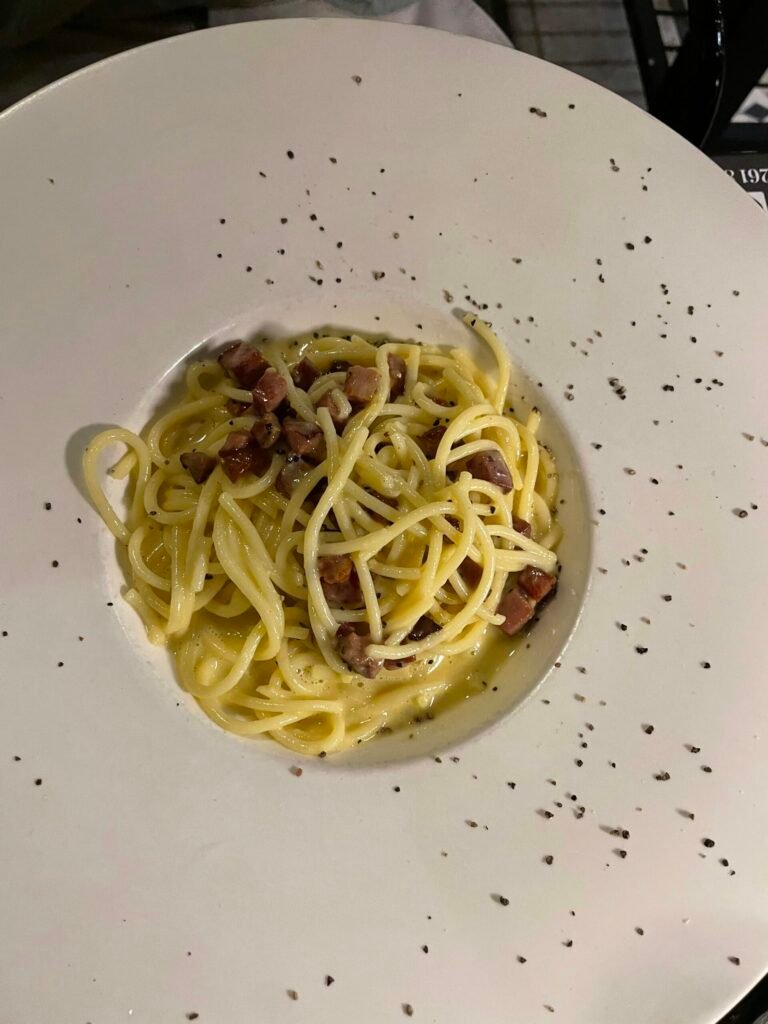
Carbonara is a traditional Italian pasta dish hailing from Rome, characterized by its rich and creamy texture without the use of cream. This delectable dish is typically prepared with just a few key ingredients: pasta (usually spaghetti), eggs, hard cheese (Parmesan or Pecorino Romano), guanciale (cured pork cheek), and black pepper. The beauty of Carbonara lies in its simplicity; each ingredient plays a crucial role in creating a harmonious blend of flavors.
The origins of Carbonara can be traced back to the mid-20th century, although there are various theories about its creation. Some suggest that it was originally a dish made by coal miners, hence the name “carbonara,” derived from “carbone,” meaning coal. Others argue that American soldiers stationed in Italy after World War II contributed to the dish’s popularity by introducing bacon and eggs. Regardless of its origins, Carbonara has become a beloved staple in Italian cuisine and beyond.
What sets Carbonara apart from other pasta dishes is its distinctive method of preparation. The creamy sauce is made by combining raw eggs with cheese, which is then emulsified with the residual heat of the freshly cooked pasta. This specific technique results in a silky texture that encapsulates each strand of pasta. However, to achieve this perfect creaminess, it is crucial to avoid scrambling the eggs. Understanding the fundamental principles of Carbonara, including the significance of temperature control, becomes essential in ensuring that the eggs remain luscious and do not scramble, which could compromise the dish’s integrity.
The allure of Carbonara is not just about its taste; it symbolizes a rich culinary heritage and evokes the warmth of Italian home cooking. Mastering this dish allows one to appreciate the delicate balance of flavors and techniques involved, creating a rewarding experience for both the cook and those fortunate enough to enjoy this classic creation.
The Role of Eggs in Carbonara: A Love Story
Eggs are an essential component of traditional carbonara, serving as the binding agent that transforms this simple pasta dish into a creamy and sumptuous experience. When properly incorporated, they lend a rich flavor and velvety texture that elevates the overall quality of the dish. However, the question remains: why did my carbonara eggs scramble? Understanding the role of eggs is crucial for achieving the ideal creamy consistency without curdling.
To begin with, the choice of eggs plays a pivotal role in the dish’s success. Fresh, high-quality eggs are advisable, as they not only improve flavor but also enhance the richness of the sauce. Opting for large eggs yields better results as their yolks contain more fat, which contributes to a luscious texture. The primary goal is to create a creamy emulsion with the pasta, specifically without cooking the eggs to the point of scrambling, which can easily happen when the temperature is too high.
The interaction between eggs and other ingredients is another aspect that cannot be overlooked. Traditional carbonara combines egg yolks with pecorino romano cheese, which contains natural fats that assist in emulsification. This mixture should not be heated directly; rather, it is typically mixed with the hot pasta off the heat to ensure a smooth blend. The residual heat from the pasta is sufficient to cook the eggs gently, resulting in a perfectly creamy sauce. If the pasta temperature is too extreme, scrambling can occur, indicating a misstep in technique.
In essence, the right type of eggs, their interaction with cheese, and careful temperature control are vital to mastering carbonara. Understanding these elements will help to prevent the common dilemma that many face: why did my carbonara eggs scramble? With attention to detail, one can create a delightful and authentic dish that honors its Italian roots.
The Science Behind Scrambling Eggs
Understanding the chemistry involved in cooking eggs is crucial to mastering the art of preparing carbonara. At the heart of the process is the role of heat. When eggs are exposed to heat, the proteins within the egg whites and yolks begin to unfold and reconfigure. This process, known as denaturation, creates a gel-like consistency that is essential for achieving a creamy texture, a hallmark of traditional carbonara. However, if the temperature becomes too high or if cooking is prolonged, the proteins can coagulate excessively, resulting in what is commonly known as scrambled eggs.
The importance of timing cannot be overstated in this regard. Carbonara is typically prepared off the heat, allowing the residual warmth of the pasta and its starchy water to gently cook the egg mixture. If added directly to a hot pan, the combination of extreme heat and swift temperature changes can lead to scrambled eggs instead of a smooth sauce. This is the very reason behind the question, “why did my carbonara eggs scramble?” Understanding how gentle heat allows for proper emulsification while restraining overcooking is central to maintaining the intended creamy texture.
Moreover, the temperature of the ingredients plays a significant role in this cooking process. For optimal results, the eggs should be at room temperature when combined with the hot pasta. If cold eggs are introduced to the heat, the shock can precipitate scrambling rather than creating a luscious sauce. Therefore, achieving that perfect carbonara without scrambled eggs involves careful consideration of both the heat applied and the timing of each component in the recipe. With this knowledge, one can avoid pesky scrambling disasters and create a classic carbonara dish that is as delicious as it is visually appealing.
Key Ingredients: Choosing Them Wisely
To achieve a perfectly executed carbonara, understanding the significance of the key ingredients is crucial. Traditional carbonara relies on four primary components: pasta, guanciale, pecorino cheese, and eggs. Each ingredient plays a vital role in the dish’s flavor and texture, contributing to its renowned status. The selection of high-quality ingredients is essential, as inferior options can adversely affect the final outcome, leading to issues such as why did my carbonara eggs scramble.
Starting with pasta, it’s advisable to choose high-quality dried pasta made from durum wheat semolina. This type of pasta not only has the right texture but also holds up well to the rich sauce. Freshness and quality are equally important when it comes to eggs. Using fresh, organic eggs can enhance the overall flavor of the dish and help avoid the common problem of scrambled eggs in carbonara. The yolks should be a deep, vibrant yellow, indicating the richness and quality of the eggs.
Guanciale, a type of cured pork cheek, is another essential ingredient in carbonara. It offers a distinctive flavor profile that is both savory and rich. If guanciale is difficult to source, pancetta can be used as an alternative; however, this substitution might slightly alter the authenticity of the dish. Ensure to select guanciale that is well-marbled and freshly sliced for the best results.
Finally, pecorino cheese contributes an essential salty and creamy richness. Look for aged pecorino Romano, which provides a sharp, robust flavor that enhances the dish. Freshly grated cheese will yield better results compared to pre-packaged options, further reducing the likelihood of achieving a proper emulsion without scrambling the eggs. The thoughtful selection of these ingredients ultimately lays the foundation for a successful carbonara dish.
Technique: The Art of Combining Ingredients
Preparing a perfect Carbonara involves meticulous attention to the process, particularly when it comes to combining ingredients. One of the most critical moments in creating this creamy pasta dish is the precise incorporation of the eggs with the hot pasta. The heat from the pasta is responsible for cooking the eggs gently, resulting in a smooth, velvety sauce. However, if the technique is not executed correctly, this step can lead to the unfortunate mishap of scrambled eggs.
To start, ensure that your pasta is al dente, cooked to perfection before you begin combining it with the egg mixture. Once the pasta is ready, you should take it off the heat and use a pair of tongs to transfer the hot pasta directly into a mixing bowl that contains your whisked eggs and cheese blend. This method allows the heat from the pasta to coat the eggs without cooking them immediately, which is crucial for maintaining a creamy texture. A common mistake many home cooks encounter is adding the eggs directly to the pot of hot pasta without removing it from the heat source; this often results in the dreaded scrambled eggs.
Moreover, it is advisable to reserve a portion of the pasta cooking water before draining. This starchy water can be added gradually to the egg and pasta mixture, helping to achieve the desired consistency. By slowly incorporating the water, you further reduce the risk of cooking the eggs too quickly. Aim for a harmonious blend where the warmth of the pasta melds seamlessly with the egg mixture. By following this technique with care, you can avoid the common pitfalls and sidestep the question: why did my carbonara eggs scramble?
Common Mistakes to Avoid
Carbonara is a classic Italian dish known for its creamy texture and savory flavors, but achieving the perfect consistency can be challenging. One of the most common issues encountered by home cooks is scrambling the eggs. Understanding why did my carbonara eggs scramble is crucial for mastering this dish. Here are some frequent mistakes that can lead to this culinary mishap.
One of the primary errors is rushing the cooking process. Many cooks feel the pressure to serve the dish quickly, which can result in uneven cooking. If the pasta is not properly timed or if the eggs are added to the pan over high heat, they can easily scramble. It is essential to let the residual heat from the cooked pasta gently cook the eggs. The key to a silky sauce lies in the timing and temperature control.
Another critical factor is the temperature of the eggs used. Cold eggs can seize up when added to hot ingredients, leading to an undesirable texture. For optimal results, consider allowing your eggs to sit at room temperature for a short while before mixing them into the pasta. This simple step can help prevent the eggs from scrambling, thus enhancing the creaminess of the dish.
The mixing technique is also vital in preventing egg scrambling. Often, cooks do not mix the pasta and egg mixture thoroughly, resulting in uneven distribution. To mitigate this issue, ensure that you mix your ingredients in a warm bowl and add the egg mixture slowly, while tossing the pasta continuously. This approach allows for a gradual incorporation of the egg, leading to a beautifully creamy sauce rather than scrambled eggs.
By avoiding these common mistakes, you will improve your chances of creating a delicious carbonara and answering the question, why did my carbonara eggs scramble? With practice and attention to detail, your pasta dish can achieve the smooth texture and rich flavor that defines this beloved recipe.
Tips for Achieving Creamy Carbonara Every Time
Crafting a perfect Carbonara is an art that requires attention to detail, particularly when it comes to the preparation of the eggs. One common question many home cooks grapple with is, “why did my carbonara eggs scramble?” This concern often stems from improper temperature management and timing during the cooking process. To achieve that coveted creamy consistency with your sauce, it is crucial to understand how to control these factors effectively.
First and foremost, always ensure that your pasta is piping hot when you incorporate the egg mixture. This helps to gently cook the eggs without scrambling them. Consider reserving a cup of the pasta cooking water before draining the pasta; this starchy water can be gradually added to the dish. It not only helps to create a creamy texture but also serves as an effective means of controlling the sauce’s consistency.
The ratio of eggs to other ingredients is another critical element. A typical Carbonara requires one large egg per serving, but many chefs achieve an extra creamy sauce by using additional yolks. This adjustment can prevent why did my carbonara eggs scramble, leading instead to a velvety texture that clings beautifully to the pasta. Furthermore, it is advisable to beat the eggs well before incorporating them into the pasta to ensure an even consistency.
Moreover, when combining the egg mixture with the hot pasta, remove the pan from direct heat to avoid cooking the eggs too quickly. Toss the pasta vigorously to spread the heat evenly. The residual heat should be sufficient to cook the eggs gently, but keep an eye out for any signs of scrambling. Quickly add reserved pasta water if the sauce appears too thick, allowing you to achieve that ideal creamy Carbonara with ease. By applying these practical tips, you can elevate your home-cooked Carbonara to restaurant-quality levels.
Variations on the Classic Carbonara
Carbonara is a beloved Italian dish known for its creamy texture and rich flavors, primarily achieved through the combination of eggs, cheese, and cured meat. However, while traditionalists uphold the classic version, numerous variations have emerged, each offering an opportunity to explore distinct flavors without risking the common issue of scrambling eggs in your preparation. In this section, we will delve into several innovative takes on Carbonara that respect the dish’s roots while providing unique twists.
One popular variation is the vegetarian Carbonara, which substitutes traditional pancetta or guanciale with mushrooms or smoked tempeh to maintain the umami flavor. By using ingredients likeshiitake or portobello mushrooms, the dish retains a hearty quality while accommodating a plant-based diet. Additionally, incorporating a rich mixture of nutritional yeast or vegan cheese can yield a creamy texture without resorting to eggs, thus eliminating the concern of scrambled eggs during cooking.
Another intriguing version of this classic pasta dish is the seafood Carbonara, which replaces the meat element with seafood items such as shrimp, clams, or even scallops. By gently cooking the seafood and adding it to a sauce made with egg yolks and cheese, you can achieve a luxurious consistency that complements the pasta beautifully. It’s essential to control the cooking temperature to prevent scrambling, ensuring a silky and smooth outcome.
Moreover, there are fusion variations, such as Asian-inspired Carbonara that incorporate ingredients like soy sauce or miso paste, providing a savory depth that reimagines the Italian classic. Each of these adaptations highlights the versatility of Carbonara, offering delicious alternatives that honor traditional flavors while providing modern twists—without the risk of suffering from scrambled carbonara eggs.
FAQs about Carbonara and Egg Scrambling
When it comes to mastering the art of Carbonara, many home cooks often find themselves asking, “Why did my Carbonara eggs scramble?” This common dilemma sparks curiosity and concern among culinary enthusiasts. Here are some frequently asked questions that can help clarify the nuances of this classic dish.
What causes the eggs in Carbonara to scramble? The primary reason for scrambled eggs in your Carbonara typically relates to temperature control. When the eggs come into contact with heat that is too high or when they are added too quickly to the pasta, they coagulate instantly, leading to undesirable results. Ensuring that the pasta is not too hot when you mix in the egg can prevent this unfortunate occurrence.
Is it possible to fix scrambled Carbonara? If you find that your Carbonara has turned into a scrambled mess, fear not! One option is to add a bit more pasta water, which can help create a creamier texture by re-emulsifying the sauce. However, this is more of a remedy than a solution; prevention is certainly more effective when it comes to achieving silky-smooth Carbonara.
What adjustments can I make to achieve the perfect Carbonara without scrambling? Start by removing the pan from direct heat before adding the eggs. The residual heat from the pasta will help cook the eggs gently, allowing for a rich, creamy consistency without the risk of scrambling. Additionally, whisking the eggs with cheese prior to mixing them in can help protect them from the heat.
These expert tips should equip you with the knowledge needed to overcome the challenges of egg scrambling in Carbonara, ensuring a delicious and visually appealing dish every time. Remember, even the best chefs have encountered this issue, so don’t be too hard on yourself as you refine your skills!