The Perfect Carbonara Sauce Technique: An Expert’s Guide to Pasta Bliss
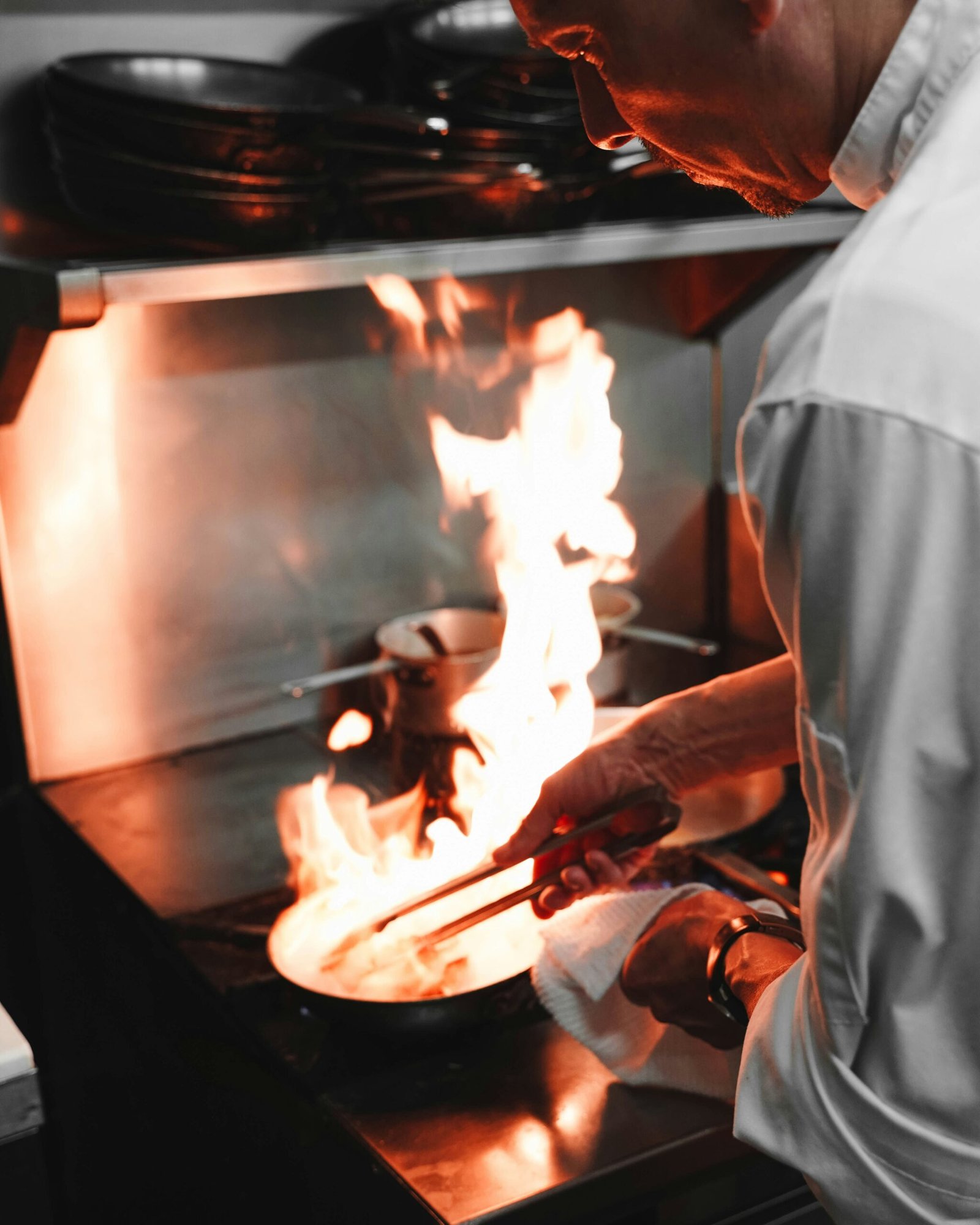
Introduction to Carbonara Sauce
Carbonara sauce is a classic Italian dish that has captured the hearts of pasta lovers around the globe. Originating from the Lazio region, particularly Rome, this sauce boasts a rich history that interweaves with both culinary tradition and familial recipes. Traditionally, carbonara sauce has a few key ingredients: guanciale (cured pork cheek), eggs, cheese—typically Pecorino Romano—and black pepper. Each of these components contributes to the sauce’s creamy texture and savory flavor profile, making it a beloved staple in Italian cuisine.
The simplicity of the carbonara sauce technique belies the depth of flavor it achieves, making it an ideal choice for both casual home cooks and professional chefs alike. Its appeal lies not only in its taste but also in its ability to bring people together over a shared meal. When prepared properly, the dish embodies the essence of comfort food, elevating ordinary pasta into something exquisite.
The preparation of carbonara is about timing and precision, as the ingredients come together at just the right moment to create a harmonious blend of flavors. Unlike many sauces that require long hours of simmering, the carbonara sauce is quick to prepare, allowing for a fresh and vibrant meal any night of the week. Despite its straightforward nature, mastering the carbonara sauce technique can be a source of pride for many home cooks, who take the time to refine their skills and develop their unique takes on this traditional dish.
As you embark on the journey of creating your own carbonara sauce, you will discover not only the joy of cooking but also the rich cultural heritage behind this iconic Italian recipe. This delicious experience promises not only to satisfy your palate but to grow your appreciation for one of Italy’s most cherished culinary treasures.
Essential Ingredients: What You Need
To master the carbonara sauce technique, it is vital to select the right ingredients, as they play a significant role in achieving an authentic flavor. The foundation of a traditional carbonara sauce lies in five essential components: pancetta or guanciale, eggs, cheese, black pepper, and pasta.
Pancetta or guanciale serves as the primary protein and fat source. While pancetta is cured pork belly and can be found in many stores, guanciale is the more traditional choice, made from cured pork jowl or cheek. Using guanciale will elevate your dish, providing a rich and unique flavor; however, it’s essential to source it from reputable suppliers or specialty shops to ensure quality. Think of it as the difference between using fresh herbs and dried—quality always triumphs in culinary creations.
The next vital ingredient is the eggs. In a classic carbonara, the yolks bring creaminess and richness to the sauce without the need for heavy cream. It is recommended to use high-quality, fresh eggs. Organic or free-range eggs produce a deeper color and more vibrant flavors, reminiscent of a farm-fresh meal.
Pecorino Romano cheese is the ideal choice, as its sharp, salty profile perfectly complements the other ingredients. A good rule of thumb is to use a block of cheese and grate it yourself; this ensures a fresher taste compared to pre-packaged alternatives. Additionally, freshly cracked black pepper adds a delightful kick and complexity to the dish, elevating the carbonara sauce technique to new heights.
Finally, selecting the right pasta is crucial. Traditional choices include spaghetti or rigatoni, which both hold the carbonara sauce beautifully. Opt for high-quality pasta that cooks evenly, helping create a harmonious and mouthwatering dish. By carefully selecting these essential ingredients, you will set the foundation for a truly exceptional carbonara sauce.
The Carbonara Sauce Technique: Step-by-Step Guide
Creating the perfect carbonara sauce is an art that combines precise timing, the right ingredients, and a dash of culinary finesse. To begin, gather your essentials: spaghetti, eggs, Pecorino Romano cheese, guanciale, and freshly cracked black pepper. Each element plays a crucial role in crafting that creamy, decadent texture typical of a classic carbonara sauce.
Start by boiling a large pot of salted water for your pasta. The water should taste like the sea; this seasoning will elevate the dish as the pasta absorbs it while cooking. Once the water is at a rolling boil, add the spaghetti and cook until al dente, usually around eight to ten minutes. Timing is paramount here! You want the pasta to finish cooking just as your sauce is prepared, ensuring the perfect meld of flavors.
As the pasta cooks, prepare your guanciale. Cut it into small strips and place it in a cold skillet. Gradually increase the heat, allowing the fat to render slowly. This not only enhances the flavor of the guanciale but also creates a foundation for your sauce. Keep an eye on the temperature; you want a gentle sizzle, not a vigorous fry. Aim for a crispy texture without burning, as this can impact the final dish’s quality.
While the guanciale is crisping, whisk your eggs together with a generous amount of grated Pecorino Romano and black pepper in a separate bowl. The residual heat from the pasta will cook the eggs slightly when combined, transforming them into a silky carbonara sauce without scrambling. This technique guarantees the iconic creaminess that is crucial to the carbonara sauce.
Once the pasta is ready, reserve a cup of pasta water before draining. This starchy water is the secret weapon, helping to adjust the sauce’s consistency if needed. Combine the drained spaghetti with the guanciale in the skillet, then remove it from the heat. Quickly add the egg mixture, tossing until the sauce clings to every strand of pasta, achieving a luscious, creamy coating. If the sauce appears too thick, incorporate a splash of reserved pasta water until reaching your desired consistency.
By following these steps and paying close attention to timing and temperature, you will master the carbonara sauce technique, impressing not only your taste buds but also those of your guests. Each element harmonizes beautifully, culminating in a pasta dish that embodies Italian culinary tradition. Give it a try, and relish the delightful results!
Common Mistakes to Avoid
Making the perfect carbonara sauce is an art, and like any art form, there are common pitfalls that aspiring chefs often encounter. One of the most frequent errors is overcooking the eggs. Imagine pouring in the eggs, only to get a scrambled mess instead of the silky smooth sauce intended. This anecdote serves as a humorous reminder that patience is key. The heat from the pasta should gently cook the eggs, allowing them to create that luscious, creamy texture. An ideal approach is to remove the pan from the heat before adding the egg mixture, ensuring it can meld seamlessly without the risk of scrambling.
Another common mistake pertains to cheese selection. Some home cooks may reach for shredded cheese blends out of convenience, but that is not the path to achieving authentic carbonara. Traditionally, Pecorino Romano is the star of the show, providing a sharp and distinctive flavor that no substitute can truly replicate. Picture a chef whose joy turns into dismay upon discovering that the store-brand, pre-packaged “Italian blend” has turned the dish into a pallid imitation. It is essential to utilize the correct cheese to elevate the carbonara sauce to its rightful place of glory.
The choice of pasta also plays a crucial role in the overall harmony of the dish. While spaghetti is the trusty classic, many novice cooks choose to use other types, completely missing the essence of the carbonara. Picture the bewilderment of a dinner guest who isn’t quite sure if they should twirl their fettuccine or slurp their rigatoni, both of which disrupt the dish’s intended experience. By adhering to traditional pasta choices, the integrity of the beloved carbonara sauce technique remains unblemished.
Serving Suggestions: Pairing Your Carbonara
When it comes to serving carbonara, selecting the right accompaniments can elevate the dish to new heights. Carbonara sauce, characterized by its creamy consistency and rich flavors, pairs beautifully with various side dishes that complement its taste without overshadowing it. A simple green salad dressed with a light vinaigrette helps cut through the richness of the sauce, offering a refreshing contrast. Additionally, steamed asparagus or sautéed seasonal vegetables can provide a delightful, colorful presentation on your plate.
Wine pairings play an essential role in enhancing the dining experience. For carbonara, a crisp white wine such as Pinot Grigio or a light red like Chianti complements the dish well. These wines have enough acidity to balance the creaminess of the carbonara sauce technique while bringing out the flavors of the pancetta and cheese. For those who prefer a non-alcoholic option, sparkling water with a slice of lemon can refresh the palate between bites.
Presentation is key in transforming your carbonara dish into a culinary masterpiece. Start by plating the pasta in a heated bowl to ensure it stays warm longer. Use a fork to twirl the spaghetti into a neat nest in the center of the bowl. Drizzle a small amount of the carbonara sauce around the edges for an artistic touch, and consider garnishing with freshly cracked black pepper and finely chopped parsley or basil for a pop of color. Lastly, serve with freshly grated Pecorino Romano cheese on the side, encouraging guests to customize their servings.
By considering these serving suggestions, from complementary side dishes to thoughtful wine pairings and stunning presentation tips, you’ll impress your friends and family with a well-rounded and visually appealing carbonara meal. The right choices can transform a simple pasta dish into a memorable dining experience.
Variations on Carbonara: Spicing Things Up
The traditional carbonara sauce technique is a beloved classic, originating from Italy. However, one of the most appealing aspects of this dish is its versatility. Food enthusiasts and home cooks are encouraged to experiment with various ingredients to create delightful variations that honor the essence of the original while adding personal flair.
One exciting option is to incorporate garlic, which infuses the sauce with a robust flavor. Adding minced garlic to the pancetta or guanciale while cooking enriches the overall richness of the dish, creating a fragrant aroma that complements the creamy texture of the sauce. This adjustment provides a savory depth that can elevate any pasta meal.
Moreover, varying the choice of meat can significantly enhance the dish. While the classic recipe typically calls for pancetta or guanciale, you might consider using smoked bacon or even sausage to create a different flavor profile. These alternatives can introduce a smoky or spicy element to the sauce, inviting a new layer of complexity while retaining the creamy base that defines carbonara.
Incorporating vegetables is another fantastic way to put a personal touch on your carbonara sauce technique. Ingredients like peas, spinach, or roasted bell peppers can infuse the dish with color and nutritional benefits. Sautéing these vegetables alongside the meat not only provides taste but also a pleasing texture, making your dish visually appealing and an enjoyable experience for the palate.
These variations offer a creative pathway to explore while preparing carbonara. Each ingredient transformation respects the traditional foundation of the sauce while inviting innovation, allowing you to discover new flavors and culinary possibilities. Embrace the spirit of experimentation and enjoy the delightful journey of perfecting your version of this timeless dish.
Leftover Love: What to Do with Extra Sauce
When you’ve perfected your carbonara sauce technique and find yourself with leftovers, don’t let that delicious sauce go to waste. Instead, consider repurposing it into various delightful dishes that will ensure you savor every last drop. One of the most popular options is to incorporate the sauce into a pasta bake. Simply mix your leftover carbonara sauce with cooked pasta, add some vegetables or proteins of your choice, sprinkle a generous amount of cheese on top, and bake until golden and bubbly. This dish not only showcases the creamy flavors of the carbonara but also offers a comforting meal that is perfect for weeknight dinners.
Another innovative way to use carbonara sauce is as a pizza topping. Spread the sauce across your pizza dough instead of traditional tomato sauce for an unconventional twist. Top it with your favorite ingredients like crispy pancetta, mushrooms, and fresh herbs, then bake until the crust is perfectly crisp. This method infuses your pizza with the rich, savory taste of carbonara, elevating it to gourmet status.
If you enjoy entertaining or simply love snacks, consider using your leftover sauce as a dip. Serve it alongside an assortment of crispy vegetables, breadsticks, or even fried snacks. This can create a fun and inviting atmosphere for a gathering or a cozy night in. The creamy, rich flavor of the carbonara sauce acts as a perfect contrast to crunchy dippers, ensuring every bite is a tasty adventure.
By exploring these creative ways to utilize leftover carbonara sauce, you’ll not only minimize waste but also expand your culinary repertoire in delightful ways. Embrace the versatility of this classic technique and let your imagination run wild in the kitchen!
Pro Tips from the Kitchen: Insider Secrets
Creating the perfect carbonara sauce technique requires more than following a basic recipe; it demands attention to detail and a few insider secrets that can enhance the overall quality of the dish. One of the most critical elements in achieving a superb carbonara is selecting the right pasta. Traditionally, spaghetti or rigatoni pairs well with carbonara, but opting for high-quality, bronze-extruded varieties can make a significant difference. This type of pasta has a rougher texture that helps the sauce adhere better, ensuring a delightful taste in each bite.
When cooking pasta, timing is crucial. It’s recommended to cook the pasta just shy of al dente, usually about two minutes less than the package instructions indicate. This approach allows the pasta to absorb more sauce when mixed, enhancing flavor while achieving the desired texture. Additionally, remember to reserve some starchy pasta water before draining; this water is a secret weapon to achieve the desired sauce consistency during the emulsification process.
To emulsify the carbonara sauce effectively, the key lies in the temperature of the ingredients. Allow the cooked pasta to sit for a minute after draining, ensuring it is warm but not hot when combined with the sauce. The heat released will help meld the ingredients together smoothly. When incorporating the egg and cheese mixture, do so gradually—adding a bit of the reserved pasta water with each addition helps create a creamy sauce without scrambling the eggs.
Finally, consider the choice of cheese. While Pecorino Romano is the classic selection, a mix with Parmigiano-Reggiano can introduce a layer of complexity to the flavor profile. By keeping these pro tips in mind and paying attention to the carbonara sauce technique, one can elevate this beloved dish and delight anyone at the table.
Frequently Asked Questions About Carbonara Sauce
When it comes to crafting the perfect carbonara sauce technique, many home cooks may find themselves facing a series of common questions. This section addresses those queries, providing insight and solutions that can elevate your culinary experience.
Can I use a substitute for guanciale? Yes, if guanciale is difficult to find, pancetta serves as a suitable alternative that most people can access. However, keep in mind that pancetta is often less fatty, which may slightly alter the texture of your sauce. Avoid using bacon if you’re aiming for an authentic carbonara sauce, as its smoky flavor can lead to an unexpected taste profile.
What if I have dietary restrictions? For those following a vegetarian diet, a carbonara sauce technique can still be adapted. Consider using smoked tofu or a plant-based bacon alternative to mimic the smoky quality typically provided by guanciale. For a dairy-free version, look for non-dairy alternatives to the cheese component.
How do I troubleshoot grainy sauce? A grainy texture often occurs when the eggs and cheese are cooked too quickly. To avoid this, ensure that your pasta is removed from heat before mixing in the egg and cheese mixture. The residual heat will gently cook the sauce, creating a creamy consistency without clumping.
Can I prepare carbonara sauce ahead of time? While the sauce is best enjoyed fresh, you can prepare certain components in advance. Cook the pasta al dente and refrigerate it until you’re ready to serve. The guanciale can also be sautéed ahead of time and warmed up before combining it with the pasta and the egg mixture.
These questions reflect the common concerns of aspiring chefs aiming to master their carbonara sauce technique. With a few adjustments and tips, anyone can enjoy this iconic Italian dish!