Does Real Carbonara Have Cream? The Ultimate Guide to Authentic Carbonara
What is Carbonara?
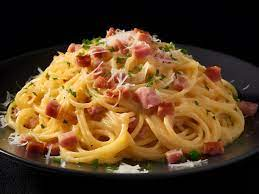
Carbonara is a renowned Italian dish that has won the hearts of many food enthusiasts around the globe. Its roots can be traced back to the Lazio region, particularly Rome, where it emerged as a hearty and satisfying meal for coal miners, hence the name “carbonara,” which is derived from the Italian word “carbone,” meaning coal. The dish is characterized by its simple yet delightful combination of ingredients, which creates a rich and indulgent flavor profile.
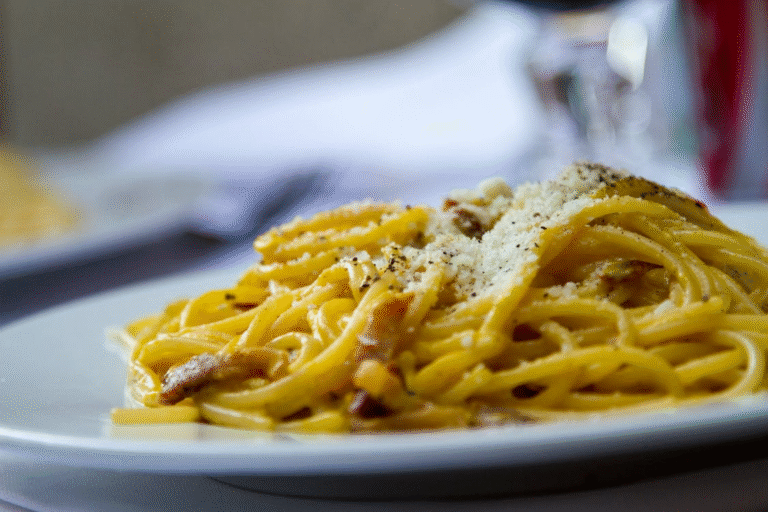
The key ingredients of traditional carbonara include spaghetti, eggs, hard cheese such as Pecorino Romano, cured pork (usually guanciale, but pancetta is also commonly used), and freshly cracked black pepper. These ingredients come together harmoniously to create a creamy sauce, despite the fact that no cream is used in the original recipe. Instead, the creaminess is achieved through the emulsification of the eggs and cheese with the starchy pasta water, which results in a smooth and velvety sauce that clings perfectly to each strand of pasta.
The Classic Ingredients of Carbonara
Carbonara is a dish that epitomizes simplicity and quality, relying on a few key ingredients to create its signature flavor. The essential components of traditional carbonara include spaghetti, guanciale, eggs, cheese, and black pepper. Each ingredient plays a crucial role in shaping the dish’s unique profile, ultimately raising the question: does real carbonara have cream?
Spaghetti is the foundation of carbonara, providing the necessary texture and substance. Its long, thin shape allows for optimal coating in the creamy sauce that naturally forms during the cooking process. While some variations of pasta can be used, spaghetti remains the classic choice, emphasizing the dish’s Italian roots.
Guanciale, or cured pork cheek, contributes a savory depth and rich flavor to the dish. Its high-fat content renders down during cooking, creating a luxurious, unctuous sauce that adheres to the spaghetti. Some may consider substituting pancetta or bacon; however, these alternatives lack the distinct taste that guanciale imparts, prompting many chefs to assert that authentic carbonara must exclusively use guanciale.
The role of eggs in carbonara cannot be understated. The yolks serve as the primary binding agent, melding with the rendered fat from the guanciale and Parmesan or Pecorino Romano cheese to create a velvety texture. When properly mixed with the hot pasta, the eggs do not scramble but instead form a cohesive sauce that coats each strand.
Cheese is integral to carbonara, with Pecorino Romano being the traditional choice due to its sharp and salty profile. This cheese complements the richness of the dish while also balancing flavors. Lastly, freshly cracked black pepper adds a hint of spice and complexity, elevating the dish’s overall taste.
In conclusion, while the debate surrounding whether does real carbonara have cream persists, the harmonious interplay of these classic ingredients forms a dish celebrated for its simplicity and rich flavor, without the need for heavy cream. Understanding these components helps us appreciate what truly defines an authentic carbonara.
Why No Cream? The Great Carbonara Debate
For many culinary enthusiasts around the globe, the question, “does real carbonara have cream?” often arises, underscoring a significant debate within the realm of traditional Italian cuisine. This misconception primarily stems from adaptations of the original recipe, where cream is added to achieve a richer and thicker sauce. However, this practice diverges from the authentic preparation intended by Italian chefs, who consistently insist that cream is an unnecessary addition to the classic dish.
The roots of pasta alla carbonara can be traced back to the mid-20th century, particularly in Rome. Its original ingredients—guanciale (cured pork cheek), eggs, Pecorino Romano cheese, and black pepper—contribute to its creamy texture without the need for cream. The egg yolks, when mixed with the rendered fat from the guanciale, create an emulsion that is both smooth and flavorful. Many Italian culinary experts emphasize that this balance and quality of flavor is compromised by the use of cream, which alters the dish’s authenticity.
Furthermore, notable Italian chefs often share that the addition of cream not only detracts from the dish’s traditional roots but also oversimplifies its preparation. The elegance of real carbonara lies in its straightforwardness and the skill required to prepare it correctly. The notion that this iconic pasta should be made with cream is frequently linked to a misunderstanding of Italian cooking principles, where seasonality and simplicity dictate the creation of exceptional dishes, unencumbered by unnecessary ingredients.
In essence, the belief that authentic carbonara must include cream encapsulates a broader dialogue about authenticity in cooking. As chefs strive to preserve traditional recipes, they emphasize returning to the roots of simplicity, arguing that the natural ingredients alone provide the depth and richness that define real carbonara.
How to Make Authentic Carbonara (Step by Step)
To prepare authentic carbonara, you will first need to gather a few essential ingredients: spaghetti or another pasta of your choice, guanciale (or pancetta if guanciale is unavailable), eggs, Pecorino Romano cheese, and freshly cracked black pepper. The absence of cream is pivotal; authentic carbonara relies on the creamy consistency achieved through a blend of eggs and cheese.
Begin by bringing a large pot of salted water to a boil. Once boiling, add your pasta, ensuring you cook it al dente, as it will continue to cook slightly when combined with the other ingredients. The timing here is crucial, so check the package instructions and set a timer. Meanwhile, cut the guanciale into small pieces or strips, and place it in a cold pan. Slowly render the fat over medium heat, stirring occasionally until it is crispy and golden brown. This process not only enhances the flavor but also helps create the sauce base without cream.
While the guanciale is cooking, whisk together the eggs and finely grated Pecorino Romano cheese in a bowl until smooth. This mixture is the key to a rich, creamy carbonara without the use of cream. Once the pasta is ready, reserve a cup of the pasta cooking water before draining it. The starchy water will help in binding the sauce and achieving the desired consistency.
Next, add the hot pasta directly to the pan with the guanciale, off the heat. Quickly pour the egg and cheese mixture over the pasta, tossing continuously to create a creamy sauce. If it appears too thick, gradually add reserved pasta water until reaching your preferred consistency. Finish with a generous amount of freshly cracked black pepper, and enjoy your genuine Italian experience! Remember, the key to this dish is the balance of heat; too much can scramble the eggs, while not enough will leave you without that creamy goodness that characterizes traditional carbonara.
Common Mistakes When Making Carbonara
When it comes to preparing the beloved dish of carbonara, many home cooks often find themselves making a series of common mistakes that can derail their efforts to achieve an authentic Italian experience. Understanding these pitfalls is essential to ensuring your carbonara is as delightful as it deserves to be.
One of the most frequent errors is overcooking the pasta. The key to a perfect carbonara lies in the al dente texture of the pasta, which should be firm when bitten. Cook it for a minute less than the package suggests; this allows for the noodles to absorb the sauce without turning mushy. If you find yourself in a situation where the pasta has become overcooked, consider it a tough lesson learned for your next attempt.
Another prevalent mistake involves the choice of cheese. While some may instinctively reach for Parmesan, the true essence of carbonara is captured with Pecorino Romano. This sheep’s milk cheese lends a distinct flavor that is essential for authenticity. Both cheese varieties have their merits, but using Pecorino enhances the richness of the dish significantly.
Lastly, let’s address the often-debated topic: does real carbonara have cream? The answer is a resounding no. Any addition of cream can lead to a heavy texture, overshadowing the delicate balance of flavors. Instead, let the egg yolks and rendered fat from the guanciale create that desired creamy consistency. Adding cream to carbonara misses the mark and veers into territory that strays far from traditional preparation.
As you venture into making carbonara, keep these common errors in mind. With practice, you’ll not only avoid them but also create a dish that stays true to its roots.
Variations of Carbonara: When to Break the Rules
Carbonara, a beloved Italian dish, is traditionally made with simple ingredients such as guanciale, eggs, Pecorino Romano cheese, and black pepper. However, culinary innovation often leads to variations that appeal to diverse preferences, resulting in the emergence of different takes on this classic recipe. When considering whether does real carbonara have cream, it is essential to recognize that while the original version does not include any cream, many adaptations introduce this ingredient, creating a creamier texture that some may find desirable.
Vegetarian carbonara has gained popularity as a meat-free alternative. When creating a vegetarian version, one can substitute the guanciale with ingredients like smoked tofu or sautéed mushrooms. Both options impart a savory flavor that can mimic the umami richness often associated with traditional carbonara. Moreover, incorporating additional vegetables, such as asparagus or peas, not only enriches the dish but also provides a colorful presentation that makes it visually appealing.
Seafood carbonara is another variant where cooks may opt to include ingredients such as shrimp or scallops. While this version may diverge significantly from the classic preparation, it maintains the essence of carbonara through the use of al dente pasta and a rich, creamy sauce. It is worth noting that while the addition of cream might be more common in these iterations, using a careful balance of seafood and cheese can often yield a luxurious and flavorful dish without overshadowing the fundamental characteristics of carbonara.
When experimenting with variations, it remains vital to preserve the core elements of flavor and texture inherent in traditional recipes. The key lies in using high-quality ingredients and paying attention to the cooking techniques, ensuring that even deviations, such as whether does real carbonara have cream, complement rather than detract from the dish’s reputation.
Pairing Wine with Your Carbonara
When it comes to enjoying a delightful plate of pasta, particularly a rich and creamy carbonara, selecting the perfect wine to accompany the dish can elevate the dining experience significantly. The focus keyword—does real carbonara have cream—naturally brings to mind the dish’s indulgent flavors, which play a crucial role in determining the type of wine that pairs best.
For a traditional carbonara that maintains its authenticity without the addition of cream, a white wine with a crisp and vibrant character is generally recommended. A classic Italian choice would be a Pinot Grigio, which boasts bright acidity and fruity notes, making it an ideal match for the savory pork and egg richness found in carbonara. Alternatively, a Verdicchio offers a delicate balance of minerality and freshness, complementing the dish without overpowering it.
Red wine lovers need not feel left out, as certain light-bodied reds can also harmonize beautifully with carbonara. A Chianti, for instance, possesses enough acidity to cleanse the palate while complementing the dish’s flavors, making it an unexpected yet delightful pairing. It is important to avoid heavier, tannin-rich reds, as they may clash with the creamy texture that some might assume is present in real carbonara.
Pairings can sometimes come with a fun story. A friend once shared their experience dining at a quaint Italian restaurant in Rome, where they ordered carbonara and were recommended to try a refreshing Frascati wine alongside it. This combination turned out to be a revelation, illustrating how well thought-out pairings can enhance the overall flavor profile of a meal. In conclusion, the key to a successful pairing lies in balancing the flavors of both the dish and the wine, ensuring that every bite and sip is perfectly harmonized.
Serving Suggestions: How to Elevate Your Carbonara
When it comes to serving the iconic pasta dish, carbonara, presentation and accompaniments can significantly enhance the overall dining experience. Achieving an elegant plating can easily elevate your meal from a simple dish to a gourmet experience. Start by using a large, shallow bowl which allows for ample space to showcase the pasta. Twirl the carbonara onto a fork and place it in the center of the bowl, creating a visually appealing nest. Drizzle a bit of quality olive oil around the edges for a touch of richness and shine, which not only enhances the look but also adds flavor.
Garnishing is another essential element that can bring depth to your dish. Freshly cracked black pepper is a classic choice for carbonara, providing a hint of spice that beautifully complements the dish’s creamy texture. Alternatively, a sprinkle of finely grated Pecorino Romano cheese can offer a delightful salty burst. For those looking to add a touch of color, a few fresh parsley leaves or a thinly sliced spring onion can brighten the plate, making it more visually appealing.
In addition to thoughtful plating and garnishing, pairing sides with your carbonara can enhance the meal. A simple arugula salad with a light lemon vinaigrette serves as a refreshing contrast to the richness of the pasta. Incorporating seasonal vegetables, such as grilled asparagus or roasted zucchini, not only adds variety to the plate but also introduces additional flavors and textures. Bread serves as a perfect sidekick; consider serving crusty Italian bread to soak up any leftover sauce.
Ultimately, whether you focus on elegant presentation or complementary sides, consider that authentic carbonara, which typically does not include cream, can still be enjoyed alongside delightful accompaniments that enhance its richness and flavor profile. Through these suggestions, you can ensure your carbonara dish is both appealing and satisfying, making for an enjoyable dining experience.
FAQ: Your Burning Questions About Carbonara
When it comes to carbonara, several questions frequently arise, particularly regarding its authenticity and preparation methods. One common inquiry is about the presence of cream in real carbonara. The traditional recipe does not include cream; instead, it relies on egg yolks and cheese to create a creamy texture. This critical aspect ensures that the dish remains true to its Roman roots, where simplicity and quality of ingredients take precedence.
Another question often asked is whether there are suitable substitutions for the key ingredients, such as guanciale and Pecorino Romano cheese. While the purists argue that real carbonara should feature these specific components, alternatives like pancetta or bacon can be used in a pinch. However, it is essential to note that such substitutions may alter the dish’s authentic flavor profile, highlighting the significance of using traditional ingredients where possible.
Storage tips also come into play, as many are unsure how to store leftover carbonara. It is advisable to refrigerate any uneaten portions within two hours, placing them in an airtight container. Consuming the leftovers within three days is ideal for both safety and quality. To reheat, a gentle approach is best—add a splash of water or chicken broth to the pasta before warming it on the stove or using the microwave to retain moisture and prevent dryness.
Lastly, many home cooks wonder if they can prepare carbonara ahead of time. While the dish is best enjoyed fresh, you can cook the pasta and prepare the sauce separately in advance. When ready to serve, combine them, adding a splash of the reserved pasta water to achieve the desired consistency. This method allows for a smoother meal preparation while still aiming to stay true to the authentic flavor that carbonara enthusiasts cherish.