
7 Guanciale Substitutes That Will Save Your Dish
Last Updated on 2025-11-06 by Suryo

So, you’re halfway through a recipe for the most glorious Carbonara or Amatriciana. You’re in the zone. Then you hit the ingredient: guanciale. You check the fridge. Panic. You check your local supermarket. Nothing. This culinary catastrophe has struck us all. But before you angrily reach for that questionable pre-ground pepper, let’s talk. As a chef who has navigated the treacherous waters of pork fat, I’m here to tell you it’s okay. Finding the perfect what is guanciale substitute is a true culinary challenge, but not an impossible one.
This isn’t just about finding “bacon’s Italian cousin.” It’s about understanding what guanciale does and finding replacements for guanciale that can mimic its magic. Consequently, we need to break down the science and art of this unique ingredient before we can successfully replace it. Let’s dive deep into the world of cured pork.
What is Guanciale, Anyway? (And Why’s It So Special?)
Alright, let’s get one thing straight. Guanciale is not “fancy bacon.” And it’s not just pancetta with a different name. Guanciale (pronounced “gwaan-CHAA-leh”) is a specific Italian cured meat product, or salume, made from pork jowl. Yes, the cheek. This isn’t just a trivial anatomical fact; it’s the entire secret to its flavor.
Here’s the breakdown from a culinary perspective:
- The Cut (Jowl): Unlike bacon or pancetta, which come from the belly (a mix of fat and muscle), the jowl is a different beast entirely. It’s a muscle that’s barely used, resulting in a tremendously high ratio of luscious, glorious fat, striated with just a little bit of meat.
- The Cure: It’s traditionally cured with salt, black pepper (or red pepper), and sometimes garlic or herbs like rosemary. Crucially, it is not smoked. This is a common mistake people make. The flavor is pure, pork-forward, and peppery.
- The Flavor Profile: The real magic is the flavor. When rendered, guanciale fat is intensely porky, complex, and has a slightly “funky” (in a good way!) cured note that belly pork just can’t replicate. It’s richer, more assertive, and creates a silky, emulsified sauce base that is the very soul of dishes like Carbonara.
So, when we’re searching for the best guanciale alternative, we aren’t just looking for “cured pork.” We are trying to replicate three things: high-quality render-able fat, a non-smoky flavor, and that specific cured funk. It’s a tall order.
Chef’s Quick Analysis: Why Guanciale is Different
- Source: Pork Jowl (Cheek)
- Fat Content: Extremely high, creamy texture.
- Flavor: Intensely porky, peppery, “funky” (cured), NOT smoky.
- Primary Use: Rendered to create the flavor base for sauces.
The “Rules” of Substitution: A Chef’s-Eye View
Before I just give you a list, let’s establish some ground rules. A “substitute” is not an “equal.” Based on our analysis of countless pasta dishes, the success of a substitution depends entirely on managing expectations and understanding the new flavor profile you are creating.
A common mistake that often occurs is grabbing the most accessible option (bacon) and expecting the same result. This will lead to disappointment. Bacon will give you a “bacon and egg pasta,” not a Carbonara. It might be delicious, but it’s a different dish. The best practice, therefore, is to first identify why the recipe calls for guanciale. Is it for the rendered fat? The crisp texture? The specific flavor?
Once you know the “why,” you can choose a substitute that best fills that role. For most classic Roman pastas, the answer is all three, which is why this is so tricky. However, don’t despair. We have options.
The Top 7 Guanciale Substitutes: Ranked by a Pro
Alright, let’s get to the meat of it. I’ve ranked these replacements for guanciale not just by their proximity in flavor, but by their accessibility and how they perform in the pan. We’ll start with the best and work our way down.
1. Pancetta (The Obvious Cousin)
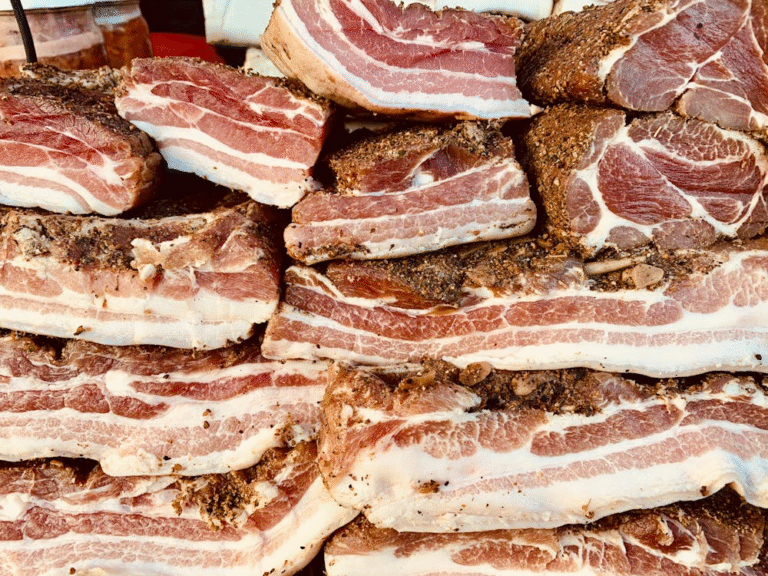
This is the go-to answer for a reason. Pancetta is also an Italian unsmoked, salt-cured pork product, but it’s made from the belly. Think of it as unsmoked bacon. Because it’s from the same animal and cured in a similar (though not identical) way, it’s the closest what is guanciale substitute you’ll find in most stores.
- Pros: Unsmoked, cured, Italian, renders well. The flavor is clean and porky.
- Cons: It’s from the belly, so it’s leaner than guanciale. It has a higher meat-to-fat ratio, which means you get less rendered fat and a different (often crisper, less “chewy”) final texture. It lacks the deep, funky jowl flavor.
- Chef’s Tip: Buy pancetta as a single thick slab, not the pre-diced cubes. This allows you to cut it into thicker strips (lardon) which will render more slowly and stay chewier, closer to the guanciale experience. You may also need to add a splash of olive oil to the pan to help it start rendering, as it’s leaner.
2. Unsmoked Bacon (The Tricky American)
I must be very specific here: UNSMOKED bacon. Most bacon in the US is smoked, which will completely change your dish. However, some artisan butchers and high-end grocers sell unsmoked, “green” bacon or “pork belly slabs.”
- Pros: It’s pork belly, so the fat content is high and it renders beautifully.
- Cons: It’s still not jowl, so the flavor is simpler. It’s often cured with sugar, which can make it sweet and cause it to burn faster.
- Chef’s Tip: If you can only find regular smoked bacon, and you are desperate, there is a trick. Blanch it first. Cut the bacon into strips, drop it in boiling water for 1-2 minutes, then drain and pat dry. This will remove some of the overpowering smoke flavor. It’s a compromise, but a useful one.
3. Prosciutto (The Delicate One… In a Pinch)
This is a controversial what is guanciale substitute. Prosciutto is cured (from the ham/leg), but it’s not meant for cooking in this way. It’s a delicate, air-dried, and expensive product.
- Pros: It’s Italian, it’s cured, it’s salty, and it’s delicious.
- Cons: It’s very lean. It will not render fat. In fact, it will cook in seconds and become tough and leathery. It has a completely different flavor profile (nutty, sweet).
- Chef’s Tip: Do not try to render this. Instead, use it as a finishing-touch substitute. Make your sauce base with olive oil and garlic, and then stir in slivered prosciutto at the very end, off the heat. This is a common practice in many European classic dishes.
4. Salt Pork (The Old-Timer)
Now we’re getting into old-school territory. Salt pork is a very fatty cut, often from the belly or back, that is cured in… well, a ton of salt. It’s a preservation method, not a flavor one.
- Pros: It is a fat-rendering powerhouse. You will get tons of beautiful, clean pork fat.
- Cons: It’s just salt. There is no nuance, no pepper, no funk. It’s also incredibly salty.
- Chef’s Tip: You must blanch or soak salt pork in water for at least 30 minutes (or several hours, changing the water) before using it. Then, rinse and pat dry. When you render it, you will need to add your own aromatics. Be aggressive with freshly cracked black pepper to mimic guanciale’s spice.
5. Smoked Hog Jowl (The “Almost-There”)
In the American South, smoked hog jowl is a common ingredient. It’s the right cut! But it’s almost always smoked. It’s the “so close, yet so far” of guanciale substitutes.
- Pros: It’s the jowl! The texture of the fat and meat is a perfect match.
- Cons: It’s smoked. This will impart a smoky, bacon-like flavor to your dish, which is not traditional for Roman pastas.
- Chef’s Tip: Treat this exactly as you would smoked bacon. Blanch it to remove some of the smoke. It’s a better textural substitute than bacon, but the flavor will still be a compromise.
6. Lardo (The Pure Fat)
Lardo is cured pork fatback. It is essentially 100% fat, with no meat. It’s creamy, rich, and often cured with herbs.
- Pros: Unbelievably rich rendered fat. It will create a silky, luxurious sauce.
- Cons: It’s just fat. You get zero meaty texture, no crispy bits.
- Chef’s Tip: This is a “break in case of emergency” substitute. You can melt it down to start your sauce, but you’ll get no texture. A better use is to add a little bit with pancetta to boost the fat content and richness.
7. Vegetarian Options (The Wildcard)
Okay, stay with me. If you’re looking for a what is guanciale substitute for a vegetarian, we’re obviously not matching the flavor. We are matching the function: a salty, fatty, umami-rich, and smoky (in this case) element.
- Pros: Allows vegetarians to experience a similar “vibe.”
- Cons: Tastes nothing like pork.
- Chef’s Tip: The best practice is to create an “umami bomb” base. Thinly sliced king oyster mushrooms, sautéed until crispy with smoked paprika and salt, can provide a “meaty” texture. Alternatively, a high-quality, smoky chili oil or smoked tofu can add the depth you’re missing, but it creates a totally new dish.
| Substitute | Pros | Cons | Chef’s Verdict |
|---|---|---|---|
| Pancetta | Unsmoked, Italian, renders well | Leaner, less “funky” flavor | The #1 best and most accessible choice. |
| Unsmoked Bacon | High fat, renders well | Often has sugar, wrong cut | A very close second if you find it. |
| Smoked Bacon | Easy to find, fatty | SMOKY. Changes the whole dish. | Only if desperate. Must blanch first. |
| Salt Pork | Excellent rendered fat | Just salt, no flavor. Must be soaked. | Good for fat, bad for flavor. High effort. |
| Prosciutto | Salty, Italian, cured | No fat, can’t be rendered. | Do not cook it. Add at the end. |
How to Use Your Guanciale Substitute
The cooking process is just as important as the ingredient. The number one, most common mistake is cooking it too fast.
The best practice is always to start in a cold pan.
Yes, cold. Cut your substitute (pancetta, unsmoked bacon, etc.) into lardons (strips). Place them in a cold, heavy-bottomed skillet. Turn the heat to medium-low. This allows the fat to render out slowly and gently, turning translucent and flavorful, before the meat itself starts to crisp up. If you throw it in a hot pan, you’ll sear the outside and the fat will never render, leaving you with chewy, greasy bits. Patience is the key. This process is the foundation, much like mastering stocks and sauces is for French cooking.
Once the fat has rendered and the meaty bits are golden and crisp, remove them with a slotted spoon. Now, the glorious rendered fat is your canvas. Use it to cook your garlic, bloom your pepper, and create the base of your sauce.
Watch: A Chef’s Analysis on Guanciale vs. Pancetta
I’ve been talking a lot about the textural differences, but it’s one thing to read it and another to see it. Based on our analysis, visual aids are critical for understanding fat rendering. I’ve found this video breakdown particularly useful for my students.
As you watch, pay close attention around the 1:30 mark. The host does a side-by-side rendering, and you can literally see the guanciale fat turning translucent and “melting” in a way the pancetta doesn’t. This is the “why” behind the magic. This visual evidence clearly shows why guanciale creates a creamier, more emulsified sauce. It’s a fantastic, quick study for any aspiring pasta master.
Watch: Guanciale vs. Pancetta: What’s The Difference? on YouTube.
The Final Verdict: Does a Perfect Guanciale Substitute Exist?
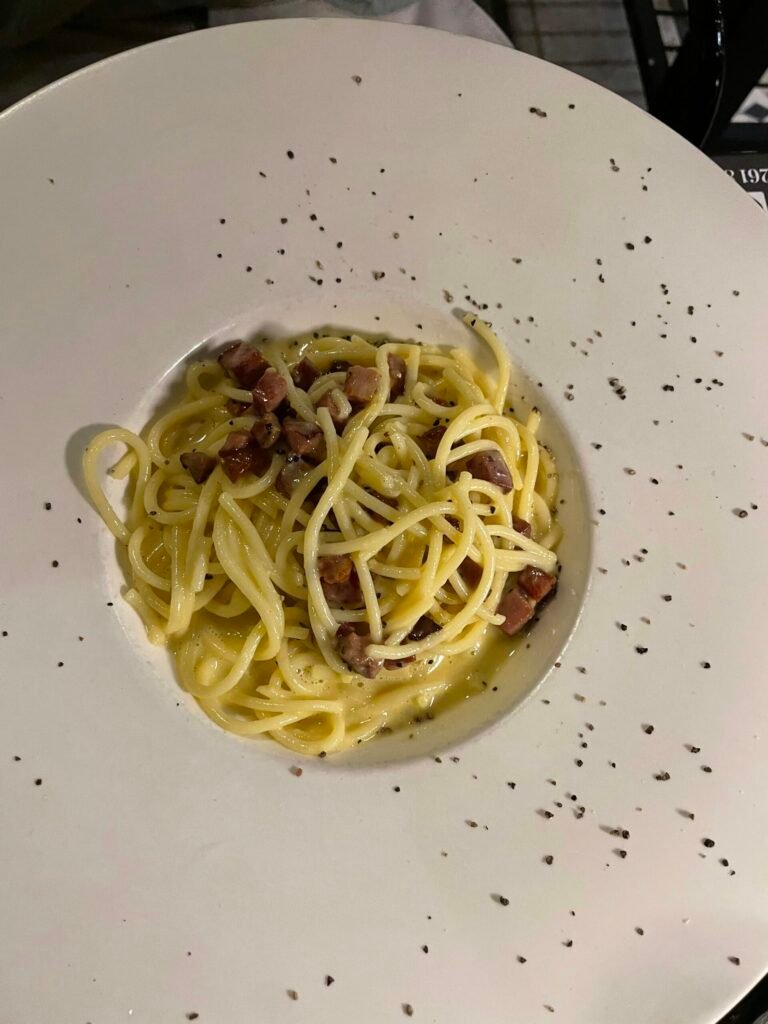
So, we’re back to the original question: what is guanciale substitute? The short, honest answer from a chef is… no perfect substitute exists. Nothing will give you that exact combination of jowl-specific funk, peppery cure, and creamy fat.
However, the long answer is much more hopeful. You can get 90% of the way there. For 99% of home cooks, a high-quality, slab pancetta, cut thick and rendered slowly, is an outstanding replacement. It will make a delicious, authentic-tasting dish. The key is to respect the ingredient you’re using. Don’t use smoked bacon and call it Carbonara. Use pancetta and call it a brilliant “Carbonara-style” dish made with the best ingredients available to you.
In conclusion, don’t let the lack of one ingredient stop you from cooking. The heart of Italian food is about using what’s good, what’s local, and what’s available. So, choose the best replacement for guanciale from this list, render it with love, and make the best pasta of your life.
Frequently Asked Questions (FAQ)
1. What is the best guanciale substitute for Carbonara?
The best and most accepted substitute is Pancetta. It must be unsmoked and ideally bought in a thick slab so you can cut it into strips (lardons). Render it slowly in a cold pan to release its fat, which will form the base of your sauce. It’s the closest in flavor profile without the smoke.
2. Is pancetta the same as guanciale?
No. While both are unsmoked Italian cured pork products, they come from different parts of the pig. Guanciale is from the jowl (cheek), which has a very high fat-to-meat ratio and a unique, funky flavor. Pancetta is from the belly, making it leaner and with a milder, cleaner pork flavor.
3. Can I use regular smoked bacon instead of guanciale?
You can, but it’s not recommended as it will fundamentally change the dish. The smoke from the bacon will overpower the delicate flavors of the egg and cheese. If you absolutely must use smoked bacon, the best practice is to blanch it in boiling water for 1-2 minutes to remove some of the smoke.
4. Why is guanciale so hard to find?
Guanciale is a specialty product with less demand outside of Italy compared to pancetta or prosciutto. It’s also traditionally an unpasteurized, air-cured product, which historically faced import restrictions in some countries (like the US). You can typically find it at specialty Italian delis, butcher shops, or online.
5. What does guanciale taste like?
Guanciale has an incredibly rich, complex, and assertive pork flavor. It’s salt-cured and often peppery. The fat is its main feature, rendering into a silky, savory base that is more “funky” and intense than bacon or pancetta. It is not smoky.


![7 Foolproof Hacks: Master European Classics & Impress Everyone [Tonight!]](https://images.unsplash.com/photo-1698952120266-e8903097b241 "7 Foolproof Hacks: Master European Classics & Impress Everyone [Tonight!] 8")