The Best Cheese for Authentic Carbonara Revealed by a Chef

We need to talk about Carbonara. As a chef, I’ve seen it all: Carbonara made with cream, with bacon, with onions, even with peas. But the most common error, the one that stands between a good pasta dish and a sublime one, is the cheese. The search for the best cheese for authentic carbonara is not just a matter of taste; it’s a matter of chemistry, tradition, and Roman law (well, culinary law, anyway). If your Carbonara is clumpy, oily, or tastes flat, I can almost guarantee your cheese is the culprit.
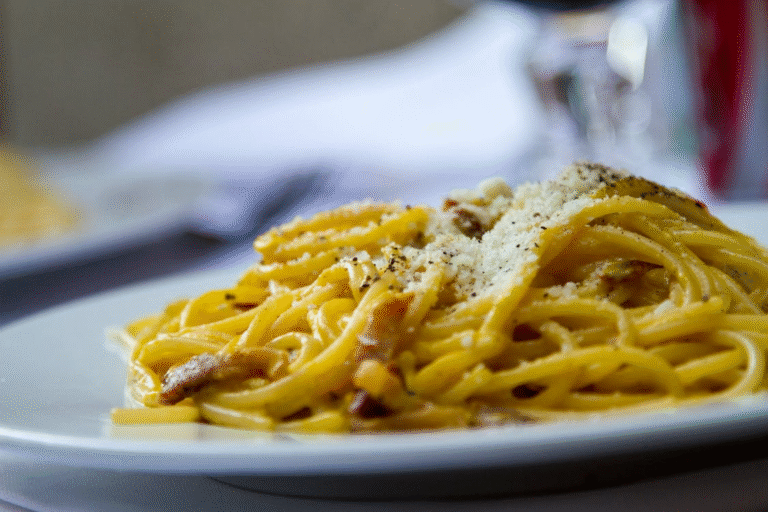
This dish, in its authentic form, is a masterpiece of minimalism. It contains no cream. The glorious, silky sauce—the “crema”—is formed by a delicate emulsion of egg yolk, rendered pork fat, and starchy pasta water. But the key that unlocks it all, the ingredient that provides the flavor, the salt, and the critical structural element, is the cheese. And there is only one true answer.
The One True Cheese for Authentic Carbonara
Let’s end the suspense. The single best cheese for authentic carbonara is Pecorino Romano. Full stop. Not Parmesan. Not “Italian hard cheese.” Only Pecorino Romano.
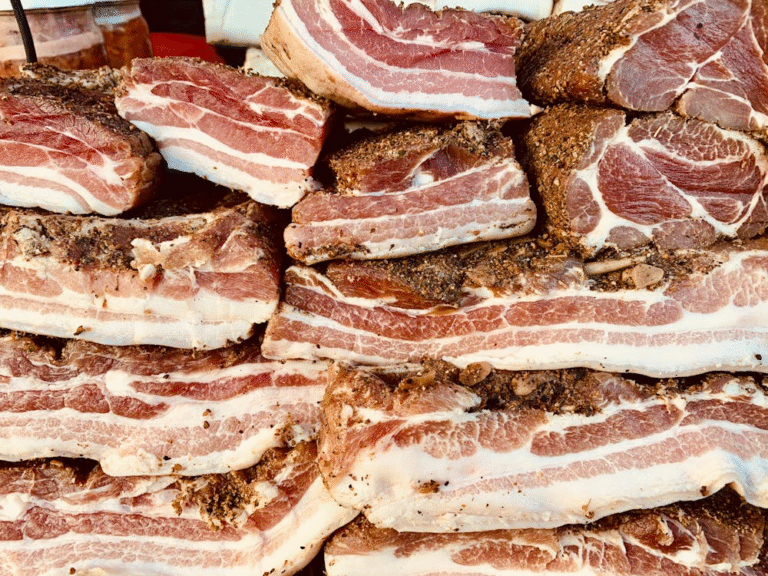
This is not a matter of culinary snobbery. It’s about history, geography, and science. Carbonara is a Roman dish. Its “holy trinity” of ingredients—Guanciale (cured pork jowl), Pecorino Romano, and black pepper—are all staples of the Lazio region. To understand why Pecorino is the only choice, you must understand what it is.
A Chef’s Analysis: Why Pecorino Romano is King
Pecorino Romano is a hard, salty, Italian cheese made from 100% sheep’s milk (pecora means “sheep” in Italian). This is the first and most crucial distinction.
- The Flavor: Because it’s sheep’s milk, Pecorino has a sharp, tangy, grassy, and intensely “funky” flavor profile. This assertive flavor is not an accident; it’s required. It needs to be bold enough to stand up to the rich, funky flavor of the guanciale and the spicy bite of the black pepper.
- The Salinity: Pecorino is aged for 8-12 months and is notably saltier than other hard cheeses. This high salt content is essential because it seasons the entire dish. You should almost never need to add extra salt to your Carbonara.
- The Chemistry (The “Crema”): This is the most important part. The protein and fat structure of Pecorino, when finely grated and combined with the hot, starchy pasta water and egg yolk, is chemically perfect for creating an emulsion. It melts into a creamy, glossy sauce without stringing or clumping.
Why Pecorino is Non-Negotiable
- Source: 100% Sheep’s Milk (not cow’s).
- Flavor: Sharp, tangy, and salty enough to season the entire dish.
- Function: Creates the perfect chemical emulsion (the crema) with egg yolk and pasta water.
The Common Mistake: Using Parmigiano-Reggiano
This is the most common mistake I see. People reach for Parmigiano-Reggiano (Parmesan) because it’s what they have. Now, is Parmesan a bad cheese? Of course not. It’s a culinary treasure. But based on our analysis, it is the wrong cheese for *authentic* Carbonara.
Parmesan vs. Pecorino: The Showdown
Comparing these two is like comparing apples and oranges, or more accurately, a cow and a sheep.
- Parmigiano-Reggiano: Made from cow’s milk. Aged longer (12-36+ months). Its flavor is nutty, fruity, and much sweeter and milder than Pecorino.
- The Problem: When you use Parmesan in Carbonara, its mild, nutty flavor is completely bulldozed by the guanciale and pepper. Furthermore, its different protein structure (and often lower fat content) makes it more prone to clumping or “sweating” oil when it hits the heat. It fights the emulsion instead of creating it.
A Carbonara made with Parmesan is not a bad dish, but it is not Carbonara. It’s a “pasta with cheese and bacon.” The soul of the dish is lost.
The Absolute Cardinal Sin: Pre-Grated Cheese
If using Parmesan is a mistake, using pre-grated cheese in a bag is a culinary crime. This is a critical error. That “cheese” is coated with anti-caking agents like cellulose (wood pulp) or potato starch. Their entire job is to prevent clumping. In Carbonara, we *need* the cheese to melt and bind. These anti-caking agents make a smooth emulsion chemically impossible. You will get a gritty, clumpy, or watery mess every single time. Best practice is to always buy a wedge and grate it yourself.
Watch: A Visual Guide to the Perfect Carbonara “Crema”
I’ve explained the science, but seeing the crema form is essential. Based on our analysis, this video provides a clear visual of how the Pecorino, egg yolk, and pasta water come together to form a sauce—with no cream in sight.
As you watch, pay close attention to the technique at the 1:15 mark. This is where you see the “double boiler” method, using the heat from the pasta water in the bowl below to gently cook the egg without scrambling it. Notice how the cheese doesn’t clump or string; it emulsifies into a homogenous, glossy sauce. This is the goal, and it’s only achievable with the proper cheese and technique.
Watch: How To Make Authentic Carbonara on YouTube.
How to Use Pecorino Correctly: The “Crema” Technique
Just having the best cheese for authentic carbonara isn’t enough; you must use it correctly. The magic is all in the technique, which happens entirely off the heat.
Step 1: The “Zabaione” Paste
The best practice is to create your sauce base before the pasta is even cooked. In a large, separate bowl (the bowl you will serve in), combine your finely grated Pecorino Romano (it should look like snow), your egg yolks (some use whole eggs, but yolks make it richer), and a very generous amount of freshly cracked black pepper. Mix this into a thick, gloppy paste. This is the heart of your sauce.
Step 2: The Magic Ingredient: Starchy Pasta Water
Before you drain your pasta, reserve at least a cup of the hot, cloudy pasta water. This water is liquid gold. It is full of salt and, most importantly, starch. This starch is the bridge—the emulsifier—that will bind the fat from the pork and egg yolk with the cheese. This is a foundational concept, much like mastering stocks and sauces.
Step 3: The Assembly (Off the Heat!)
This is where 90% of people fail. A common mistake is mixing in the pan over high heat. This will instantly scramble your eggs. Do not do it.
- Cook your guanciale in a cold pan, rendering the fat slowly. Once crisp, turn off the heat.
- Cook your pasta. Drain it (reserving the water!).
- Add the hot pasta *immediately* to the pan with the guanciale (which is off the heat). Toss to coat the pasta in the glorious rendered fat.
- Transfer the pasta and guanciale into the separate bowl containing your cheese/egg paste.
- Immediately add a small splash (a tablespoon or two) of the hot pasta water and begin stirring vigorously. The residual heat from the pasta and the water will cook the egg gently, while the vigorous stirring and starch create the emulsion. Keep stirring and adding tiny splashes of water until you have a glossy, creamy, perfect sauce that clings to every piece of pasta.
What About the 50/50 “Cheat”?
You will often see recipes that call for a 50/50 mix of Pecorino Romano and Parmigiano-Reggiano. Why? This is a popular “cheat” or compromise, especially outside of Italy. It’s used to tame the sharp, salty funk of the Pecorino, which can be overpowering for palates not used to it. The Parmesan adds a bit of nutty sweetness. Is it authentic? No. Is it a delicious compromise? Yes. It’s a great “gateway” to working your way up to the full-bodied, 100% Pecorino experience.
The Final Verdict: Respect the Sheep
In the quest for the best cheese for authentic carbonara, the answer is, and will always be, Pecorino Romano. It’s not just an ingredient; it’s the entire structural and flavorful soul of the dish. Using it is a cornerstone of mastering European classics.
So, do yourself a favor: buy a real wedge of Pecorino Romano DOP. Grate it yourself. Make the paste, respect the technique, and use that starchy water. You won’t just be making a better pasta; you’ll be tasting a true, authentic piece of Rome.
Frequently Asked Questions (FAQ)
1. What is the best cheese for authentic carbonara?
The one and only cheese for authentic carbonara is Pecorino Romano. It’s a hard, salty Italian cheese made from 100% sheep’s milk, which provides the sharp, tangy flavor and creamy texture required for the dish.
2. Can I use Parmesan instead of Pecorino for carbonara?
You can, but the dish will no longer be authentic. Parmesan (Parmigiano-Reggiano) is a cow’s milk cheese with a milder, nuttier flavor. It changes the taste profile and can be more likely to clump or become oily, as it doesn’t emulsify as well as Pecorino.
3. Why did my carbonara get clumpy or oily?
This is a common mistake from two possible errors: 1. You used pre-grated cheese, which contains anti-caking agents that prevent a smooth emulsion. 2. Your pan was too hot when you combined the ingredients, which scrambled the eggs and broke the sauce, causing the fat to separate.
4. Do you put cream in authentic carbonara?
Absolutely not. Authentic carbonara contains no cream. The “crema” or creamy sauce is created by a chemical emulsion of egg yolks, finely grated Pecorino Romano cheese, and hot, starchy pasta water.
5. What’s the main difference between Pecorino Romano and Parmesan?
The main difference is the milk. Pecorino Romano is from sheep’s milk and is sharp, tangy, and salty. Parmigiano-Reggiano (Parmesan) is from cow’s milk and is nutty, fruity, and milder in flavor.