5 Secrets Unlocked What Does Beef Rendang Taste Like
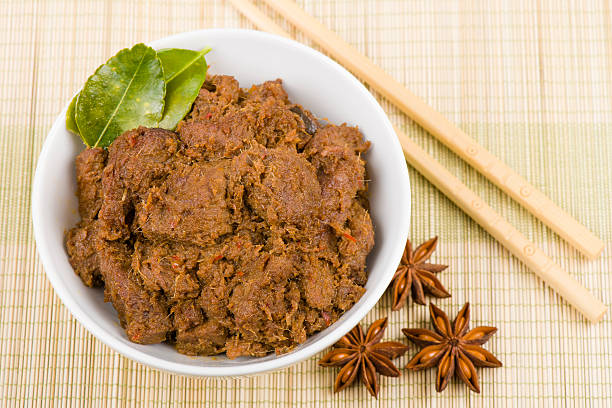
So, you’re asking, “What does beef rendang taste like?” Let me start by telling you what it’s not. It is not a curry. It is not a stew. And it is not just “spicy coconut beef.” Answering this question is like trying to describe the color red to someone who has never seen it. It’s not a single flavor; it’s a symphony. It’s an experience.
As a chef, I can tell you that rendang is, first and foremost, the taste of patience. It’s the flavor of coconut milk, spices, and beef, slow-cooked for hours until the liquid completely evaporates, leaving the meat to fry in its own rendered, spiced coconut oil. The result is an impossibly complex, dark, and rich dish that hits every single note on your palate. It’s sweet, savory, spicy, and nutty, all at the same time. Let’s break down this culinary masterpiece.
Analisis Ahli: Watching People *Experience* the Flavor
Before I try to put this flavor into words, let’s watch others attempt the same. I’ve selected this video specifically because it’s a “taste test.” It’s the perfect visual aid for an article about the flavor profile of beef rendang. You get to see genuine, first-time reactions.
Notice the common themes in their descriptions. Words like “complex,” “rich,” “coconutty,” and “spicy” come up repeatedly. But also, look for the hesitation. That “I’ve-never-tasted-anything-like-this” expression is the truest answer to “what does beef rendang taste like?” Pay attention around the 1:15 mark; you see the moment the full spectrum of flavor hits. This video perfectly captures the surprise at just how deep and layered the taste is, which is exactly what we’re about to deconstruct.
Source: First-time reactions to beef rendang on YouTube
The Simple Answer vs. The Chef’s Answer
If someone asks you on the street, “What does beef rendang taste like?” the simple answer is: “It’s like a rich, dry, spicy coconut beef caramel.” That’s not wrong. But it’s incomplete.
The chef’s answer is that beef rendang is a journey of transformation. Based on our analysis, the taste profile changes dramatically during the 4-to-6-hour cooking process.
Hour 1 (Gulai): It tastes like a bright, zesty, soupy yellow curry. The spices are sharp and distinct.
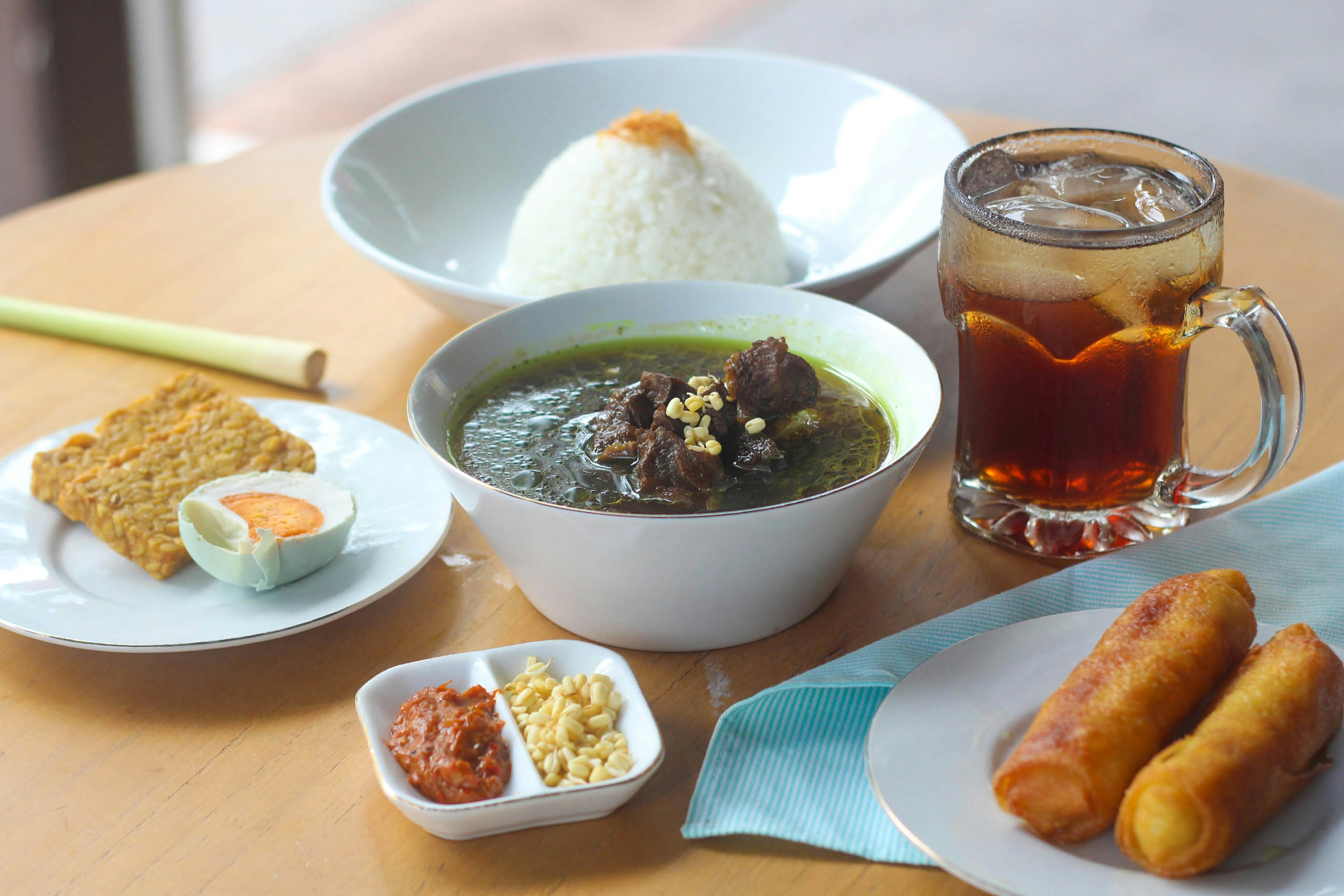
Hour 2-3 (Kalio): It becomes a ‘Kalio’—a wet rendang. The liquid thickens, the color darkens to brown, and the taste becomes sweeter, creamier, and more balanced as the oils start to “break.” Many restaurants stop here.
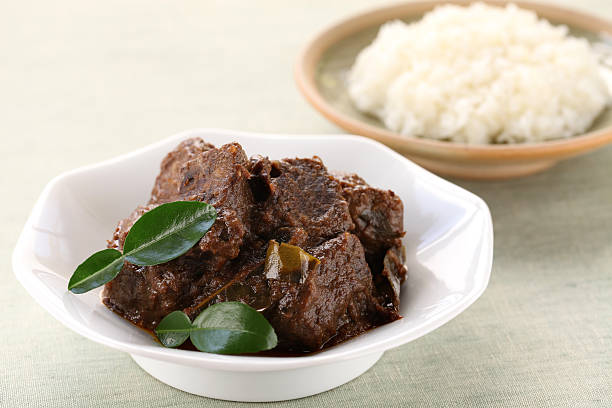
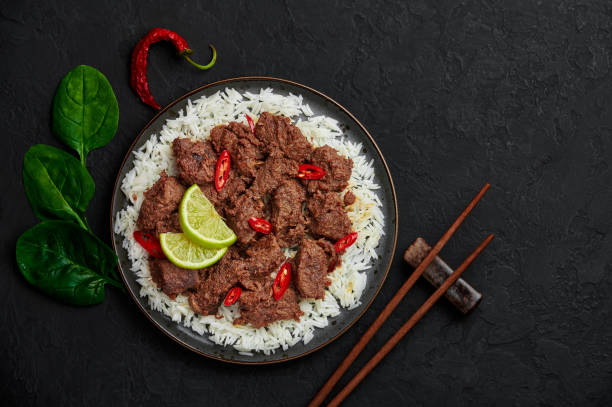
Hour 4+ (Rendang): This is the final, true form. All water has evaporated. The meat is now frying in the rendered coconut oil and ‘bumbu’ (spice paste). The taste becomes dark, nutty, smoky, and intensely caramelized. The individual spice notes meld into a single, deep, umami-rich harmony.
Therefore, when you ask what it tastes like, you must specify: are you asking about the journey or the destination? We’re focusing on the destination.
The 5 Core Flavor Layers of Beef Rendang
To truly understand the flavor profile of beef rendang, you have to dissect it. The taste is not one thing; it’s the fusion of five distinct components that become one. This is the “why” behind the “wow.”
H3: Layer 1: The ‘Bumbu’ (The Spice Paste)
This is the aromatic engine of the dish. It’s a complex paste of fresh aromatics, not dry powders. The key players are:
Galangal, Ginger, & Turmeric: This trio provides a deep, earthy, medicinal, and zesty “warmth” that is completely different from chili heat. It’s the fragrant backbone.
Shallots & Garlic: Used in massive quantities, these don’t just add flavor; they melt down and caramelize over hours, providing a profound, savory sweetness.
Red Chilies: This provides the signature heat. However, in authentic rendang, the heat is deep and persistent, not sharp and brutal. It’s designed to balance the richness, not overwhelm it.
Lemongrass & Kaffir Lime Leaves: These add the high-note, citrusy, floral aromas that cut through the richness and keep the dish from feeling “heavy.”
This ‘bumbu’ is far more complex than a simple chili oil; it’s a complete flavor system in itself.
H3: Layer 2: The ‘Santan’ (The Coconut Milk)
This is the body and soul. The describing the taste of rendang must always center on the coconut. But it’s not the sweet, tropical flavor of a piña colada. You use full-fat, old coconut milk, which is incredibly rich. As it cooks, two things happen: the water evaporates, and the milk “breaks” (‘pecah minyak’). This separation is intentional. The rendered coconut oil becomes the cooking medium, and the coconut solids begin to toast and caramelize.
The taste: It starts creamy and sweet, then transforms into a rich, nutty, and savory flavor. It’s the taste of roasted coconut, not raw coconut.
H3: Layer 3: The ‘Kerisik’ (The Toasted Coconut Paste)
This is the secret weapon. ‘Kerisik’ is fresh coconut, toasted in a wok until it’s dark brown, then pounded into an oily paste. It’s added in the final stages. A common mistake is skipping this, but it’s non-negotiable for authentic flavor.
The taste: This is the source of the deep, nutty, almost coffee-like or dark-chocolate-like roasted flavor. It also gives rendang its signature, slightly gritty, rich texture. It’s what makes the ‘bumbu’ cling to the meat.
H3: Layer 4: The ‘Daging’ (The Beef)
The beef itself is the vessel. A tough, collagen-rich cut like chuck or brisket is used. For the first few hours, it simply stews and becomes tender. But in the final hour, something magical happens. It’s no longer boiling; it’s frying in the spiced coconut oil.
The taste: The beef develops a dark, caramelized, crispy crust on the outside while remaining impossibly tender and juicy within. It’s intensely savory (umami) and has absorbed every molecule of the spice paste. It doesn’t just taste *like* beef; it tastes like the essence of beef, amplified by spices and fat.
H3: Layer 5: The ‘Maillard’ Magic (The Caramelization)
This isn’t an ingredient, but a chemical reaction. It’s the sum of all parts. This is the browning of the beef, the toasting of the ‘kerisik’, and the caramelization of the natural sugars in the coconut milk and shallots.
The taste: This is the deep, dark, complex, slightly sweet, savory-bomb flavor that defines rendang. It’s what gives the dish its characteristic dark brown, almost black, color. It’s the “umami” that lingers on your palate for minutes after you’ve taken a bite.
Expert Takeaway: Beef rendang doesn’t taste like its individual ingredients. It tastes like the result of their transformation. It’s the flavor of caramelized, spicy, nutty, beefy, fried coconut.
Deconstructing the Sensation: Aroma, Texture, and Heat
The “taste” is more than just flavor; it’s the entire experience. When someone asks what does beef rendang taste like, they are also asking about these sensations.
H3: What Does Beef Rendang *Smell* Like?
The aroma is overwhelming in the best way. It doesn’t smell “spicy” in the way a vindaloo does. It smells nutty, rich, and sweet. The primary aromas are toasted coconut, caramelized shallots, and the floral, citrusy notes of kaffir lime leaf and lemongrass. It smells like a savory, spicy, beefy bakery.
H3: What is the Texture of Beef Rendang?
This is where most people are surprised. Authentic beef rendang is a “dry” dish. It is not saucy. The texture is a combination of:
The Meat: Incredibly tender, but it still has a “bite.” It’s not mushy. The outside is slightly crispy and caramelized.
The ‘Dedak’ (The Grit): This is the prized part. It’s the glorious, dark, oily, spicy, sweet “grit” or “floss” that clings to the meat. This is the ‘bumbu’ and ‘kerisik’ that have been fried down. It’s an explosion of flavor and texture in every bite.
This is a world away from the texture of a classic European stew, which is all about the liquid. This dish is about the *absence* of liquid. This is why comparing it to European classic dishes is nearly impossible.
H3: Is Beef Rendang Spicy?
Yes, but it’s a different kind of spicy. The best practice is to understand the *type* of heat. It’s not a sharp, acidic, brutal heat that hits the front of your tongue.
It is a deep, warming, aromatic heat that comes from a combination of chilis, galangal, and ginger. This heat is almost immediately balanced by the sweetness of the caramelized shallots and the rich, nutty creaminess of the coconut. It’s a “glowing” heat that builds slowly and lingers pleasantly, rather than a “burning” heat that assaults you. It’s a marathon, not a sprint.
Comparing Rendang to Other Cuisines
To help you calibrate your palate, let’s compare the flavor profile of beef rendang to other famous dishes. This is often the easiest way to describe a new taste.
H3: Rendang vs. Thai Massaman Curry
This is a common comparison, but they are very different. Massaman is a “curry” in the true sense: it’s wet, soupy, and saucy. Massaman is much sweeter, using palm sugar, and its flavor is dominated by more “sweet” spices like cinnamon, star anise, and cardamom, with a strong peanut flavor. Rendang is dry, far more savory and beefy, and its nuttiness comes from toasted coconut, not peanuts (which taste very different from peanut sauce).
H3: Rendang vs. Indian Beef Curry (e.g., Vindaloo or Rogan Josh)
Again, night and day. Indian curries are often tomato-based (Rendang has no tomato). A Vindaloo is defined by a sharp, vinegar-based tang (Rendang has no vinegar; its brightness comes from aromatics). A Rogan Josh is aromatic with yogurt and different spices like fennel and clove. The flavor base is completely different. The principles of Chinese cooking or Italian cooking are even further removed.
The Final Verdict: So, What Does It Taste Like?
So, what does beef rendang taste like?
It tastes like a culinary paradox. It’s a “dry” dish that is incredibly “rich” and “moist.” It’s “spicy,” but also “sweet” and “creamy.” It’s “beefy,” but also “nutty” and “floral.”
Imagine the most tender piece of beef you’ve ever had. Now, coat it in a dark, slightly gritty, oily paste. When you put it in your mouth, you first get the sweet, caramelized shallot and nutty, toasted coconut. This is immediately followed by a deep, savory (umami) beef flavor. Then, as you chew, the aromatic warmth of the galangal, lemongrass, and ginger unfolds, finishing with a glowing, balanced chili heat that cleanses your palate, balances the richness, and makes you crave the next bite.
It’s the taste of everything, all at once, in perfect, harmonious balance.
Frequently Asked Questions About Rendang’s Flavor
1. Is beef rendang very spicy?
It is spicy, but “spicy” doesn’t mean “painfully hot.” It has a deep, warming, and aromatic heat from chilis, galangal, and ginger. This heat is perfectly balanced by the sweet, creamy, and nutty flavors of the caramelized coconut milk, so it’s a pleasant glow, not a five-alarm fire.
2. Does beef rendang taste like coconut?
Yes, but it’s crucial to understand what kind of coconut. It does not taste like fresh, sweet, tropical coconut (like a piña colada). It tastes like deeply caramelized, toasted, and nutty coconut. The flavor is savory and roasted, forming the rich base of the dish.
3. Is beef rendang sweet or savory?
It is both, in perfect harmony. The profound savory (umami) flavor comes from the slow-cooked beef. The sweetness is a complex, deep sweetness (not sugary) that comes from the natural sugars in the massive amount of shallots and the coconut milk, which caramelize over hours of cooking.
4. What’s the difference in taste between rendang and a curry?
A curry is “stewed” and has a “sauce.” Its flavor is bright and the spices are often distinct. Rendang is “dry” and has no sauce. It’s “fried” in its own oil. Its flavor is much deeper, darker, more concentrated, and intensely caramelized and nutty from the toasting of the coconut and spices.
5. Why does my rendang taste bitter?
A common mistake is burning the ‘bumbu’ (spice paste) or the ‘kerisik’ (toasted coconut) at the bottom of the pot. Because the final stage is frying, it requires constant stirring. Any small burnt bit at the bottom of the pot can turn the entire dish acrid and bitter. Patience is key!