7 Genius Vegetables That Go Well With Rendang
Last Updated on 2025-11-11 by Suryo

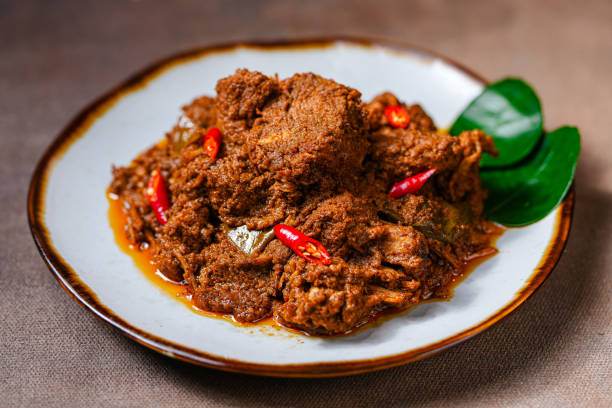
Let’s be perfectly honest. Serving beef rendang is a power move. It’s a rich, complex, umami-laden masterpiece that takes hours, sometimes days, to perfect. It’s the king of the table. But here’s the chef’s secret nobody talks about: the king is, well, heavy. Gloriously, beautifully heavy. And this is precisely why the question what vegetable goes well with rendang isn’t just a casual inquiry—it’s the single most important question for balancing the entire meal.
Forget what you think you know about side dishes. Serving rendang with mashed potatoes or, heaven forbid, a creamy pasta salad, is a culinary catastrophe. It’s like pairing a heavy metal concert with… another heavy metal concert. What you need is contrast. You need acidity, freshness, and crunch. You need a vegetable side dish that doesn’t try to compete with the king, but instead, makes the king shine even brighter.
As culinary professionals with decades of experience in balancing complex flavor profiles, we’ve analyzed the composition of rendang—its fats, its spices (kerisik), its caramelized coconut milk—to determine the absolute best vegetable side dishes for rendang. This isn’t just a list; it’s a strategic guide to building the perfect, harmonious plate.
Analisis Ahli (Expert Curation)
Sebelum kita menyelami daftar kami, perhatikan video ini. Ini menunjukkan salah satu hidangan pendamping paling klasik, Acar. Sebagai seorang chef, saya ingin Anda memperhatikan teknik di menit 0:45. Perhatikan bagaimana sayuran (wortel, mentimun) dipotong seragam (batang korek api). Ini bukan hanya untuk estetika; ini memastikan rasio cuka-gula yang sempurna meresap ke setiap bagian secara merata. Video ini adalah contoh sempurna tentang bagaimana kesegaran dan keasaman sederhana dapat menjadi pendamping yang paling kuat untuk hidangan yang kaya seperti rendang.
The Core Philosophy: Why Vegetables are Non-Negotiable with Rendang
Before we even list a single vegetable, we must establish the “Why.” Why bother? Rendang is perfect on its own, right? Wrong. Perfection, in this context, is a balanced plate. Based on our analysis, the primary challenge of serving rendang is “palate fatigue.”
Palate fatigue is the technical term for when your mouth gets “bored” or, more accurately, overwhelmed. The richness of the coconut milk, the deep umami of the beef, and the complex spices coat your tongue. After five or six bites of pure, unadulterated rendang, your taste buds can’t pick up the nuances anymore. It all just tastes… “rich.”
Vegetables are the reset button. They are the sorbet between courses, except served *with* the main course. When we ask what vegetable pairings for beef rendang are best, we are really asking: what can cut through the fat, cleanse the palate, and make the next bite of rendang taste as good as the first?
The 3 ‘C’s of Rendang Vegetable Pairings
Our guiding principle in the kitchen is to categorize pairings by their function. For rendang, the best vegetable side dishes fall into one of these three categories:
- Cut (The Acidic): These are sharp, acidic, and often pickled. They use vinegar or lime juice to slice right through the fat. This is your Acar, your pickled cucumber.
- Crunch (The Fresh): These are raw or lightly cooked vegetables that provide textural contrast. The heavy, soft texture of rendang *needs* a crunchy counterpoint. This is your raw cucumber, your Urap.
- Complement (The Earthy): These are vegetables that don’t fight the rendang but rather soak it up and add an earthy, slightly bitter baseline. This is the most traditional pairing: boiled cassava leaves.
Now, let’s look at the 7 genius vegetables that fulfill these roles perfectly.
Group 1: The ‘Cut & Crunch’ Brigade (To Slay the Richness)
This group is all about providing that “reset” button we talked about. If you serve nothing else, you must serve one of these. A common mistake is to ignore this category, resulting in a meal that feels overwhelmingly heavy and “one-note.”
1. Acar Kuning (Indonesian Quick Pickles)
This is, without a doubt, the undisputed champion of rendang pairings. As seen in the video above, Acar is a vibrant, yellow-tinged quick pickle of cucumber, carrot, shallots, and sometimes pineapple, all brought together with vinegar, sugar, salt, and a hint of turmeric (for color).
- Why It Works: It’s pure science. The acetic acid from the vinegar chemically cuts through the long-chain fats from the coconut milk and beef. The crunch of the raw-but-lightly-pickled vegetables provides a desperately needed textural contrast to the tender, falling-apart meat.
- Chef’s Pro-Tip: Make your Acar at least one hour ahead, but no more than 24 hours. You want the vegetables to be lightly pickled but retain their snappy, fresh crunch. If they get too soft, they lose their textural magic.
- Preparation Time: 15 minutes prep, 1 hour pickling.
- Cook Level: Easy.
2. Lalapan (Raw Vegetable Platter)
What’s simpler than Acar? Raw vegetables. In Indonesia, this is called Lalapan. This isn’t your sad American veggie platter with ranch dip. This is a curated selection of vegetables meant to be eaten with a meal.
A typical Lalapan for rendang would include:
- Sliced Cucumber (the ultimate cooling agent)
- Kemangi (Lemon Basil) – its fresh, citrusy-anise note is incredible
- Cabbage (raw, crunchy wedges)
- Long Beans (snapped into pieces)
- Why It Works: It’s 100% crunch and hydration. The coolness of the cucumber is the perfect foil to the warmth of the rendang. It requires zero cooking and allows your guests to “reset” their palate with every single bite.
- Chef’s Pro-Tip: Don’t just slice a cucumber. Peel it in alternating strips to create a more interesting texture, and slice it on a bias (diagonally) for a more professional look. Keep it ice cold until serving.
- Preparation Time: 10 minutes.
- Cook Level: Easiest.
3. Urap (Spiced Coconut Vegetable Salad)
“Wait a minute,” you’re thinking. “Rendang has coconut. Urap has coconut. Isn’t that coconut on coconut?”
This is a brilliant question that separates the novice from the expert. The coconut in rendang (kerisik and coconut milk) is cooked down, caramelized, and oily. Its flavor is deep, toasted, and savory. The coconut in Urap is freshly grated, steamed, and mixed with fresh spices like kencur (lesser galangal), lime, and chili. Its flavor is bright, zesty, and light.
Urap is a blanched vegetable salad (beansprouts, spinach, long beans) tossed in this fresh, spiced coconut dressing.
- Why It Works: It provides crunch, freshness, and a *different* kind of spice that contrasts with the rendang’s deep, low notes. It’s a perfect harmony.
- Preparation Time: 30 minutes.
- Cook Level: Medium.
Group 2: The ‘Leafy & Earthy’ Team (The Traditional Complements)
This group is less about “cutting” the richness and more about “complementing” it. These vegetables provide an earthy, often slightly bitter, foundation that acts as a perfect vehicle for the rendang sauce.
4. Daun Singkong Rebus (Boiled Cassava Leaves)
If you walk into any authentic Padang restaurant (the home of rendang), you will 100% be served this. It is the most traditional of all greens to serve with rendang. Cassava leaves are boiled until tender, often with a bit of baking soda to keep them green and soft.
- Why It Works: The leaves themselves have a wonderful, robust, earthy flavor with a very slight bitterness. This bitterness is the key—it balances the sweetness of the caramelized coconut. Furthermore, the tender, chewy texture is ideal for soaking up every last drop of the rendang gravy.
- Chef’s Pro-Tip: Can’t find cassava leaves? The closest substitute in terms of flavor and texture is mature kale (like Lacinato) that has been boiled until very tender. Do not use spinach; it will turn to mush.
- Preparation Time: 25 minutes.
- Cook Level: Easy.
5. Kangkung Tumis (Stir-Fried Water Spinach)
This is another staple across Indonesia. Kangkung (water spinach) is stir-fried quickly over high heat with garlic, shallots, and often a bit of shrimp paste (terasi) or oyster sauce.
- Why It Works: It’s fast, savory, and garlicky. While rendang is a “low and slow” masterpiece, Kangkung Tumis is a “hot and fast” flash of flavor. This contrast in cooking methods brings great energy to the table. The savory, salty sauce of the kangkung stands up to the rendang without competing.
- Chef’s Pro-Tip: The only mistake you can make is overcooking. From the moment the kangkung hits the hot wok, you have 90 seconds. Max. You want the stems crunchy and the leaves just wilted.
- Preparation Time: 15 minutes.
- Cook Level: Medium (requires high heat and speed).
Group 3: The ‘Embrace the Umami’ Crew (For a Richer Affair)
This group is for when you want to lean into the savory, complex flavors. These vegetables are often cooked in their own right, but their flavor profile is a natural extension of the rendang.
6. Gulai Nangka (Young Jackfruit Curry)
This is a classic Nasi Padang combination. Gulai Nangka is a light, yellow curry made with young, unripe jackfruit. It uses many of the same spices as rendang (turmeric, galangal, lemongrass) but is *not* cooked down. It remains a soupy, lighter curry.
- Why It Works: The texture of the young jackfruit is stringy and tender, similar to the beef. The flavors are related, making them harmonious. Serving Gulai Nangka with rendang creates a “study in coconut,” showing two different ways coconut milk can be used—one deep and caramelized, one light and fresh.
- Chef’s Pro-Tip: This is also the ultimate answer to what vegetable goes well with rendang when you have vegetarian guests. The Gulai Nangka is a fantastic main course for them, and it pairs perfectly with the (beef) rendang for everyone else.
- Preparation Time: 45 minutes.
- Cook Level: Medium.
7. Terong Balado (Spicy Chili Eggplant)
This is a bold choice, but one that chefs love. Terong Balado is eggplant (aubergine) that is first fried and then tossed in a fiery, bright red “balado” sambal. It’s spicy, sweet, and savory.
- Why It Works: It’s a “spice on spice” pairing. The balado’s heat is sharp, fresh, and fruity (from the fresh red chilies), which contrasts with the rendang’s deep, complex, “warm” spice. The soft, creamy, fried eggplant melts in your mouth, offering a different kind of “richness” that is purely vegetable-based.
- Chef’s Pro-Tip: The key is to manage the oil. Fry the eggplant hot and fast to seal it, then drain it well on paper towels. You don’t want an oily side dish next to the already-rich rendang. The practice in professional kitchens is to flash-fry, drain, and then toss in the sambal right before serving.
- Preparation Time: 30 minutes.
- Cook Level: Medium.
What About Vegetarian Rendang? Do the Rules Change?
This is a question we get all the time. You’ve made a stunning vegetarian rendang with mushrooms or young jackfruit, and you’re wondering what to serve.
The rules do not change. In fact, they become even more important.
A vegetarian rendang still has all the richness of the coconut milk and the complexity of the spices. The core challenge of “palate fatigue” remains identical. Our analysis shows that mushroom or jackfruit rendang still benefits immensely from an acidic, crunchy counterpoint. Acar is still your number one choice. Daun Singkong Rebus is still the best traditional, earthy pairing.
If you’re already serving a vegetarian rendang, the best vegetable pairings are the ones from Group 1 (Cut & Crunch) to ensure your meal has brightness and texture. Click below for more ideas on this specific topic.
See Vegetarian Rendang Side DishesVegetables to AVOID When Serving Rendang (A Chef’s Warning)
An expert knows not only what to do, but what not to do. Serving the wrong vegetable can ruin the balance you’re trying to create. Based on our analysis, avoid these common mistakes:
- Anything Cream-Based: Creamed spinach, potato gratin, or a creamy corn casserole. This is the definition of “heavy on heavy.” It’s a culinary foul.
- Oily Roasted Vegetables: While roasted vegetables are lovely, a big tray of oily zucchini and bell peppers just adds more oil to an already-rich dish. If you must roast, keep them dry and high-heat.
- Delicate, Nuanced Flavors: Steamed asparagus with hollandaise. The rendang will simply bully it off the plate. Its delicate flavor will be completely lost.
- Starchy-on-Starchy: Rendang is served with rice. Don’t add *more* heavy starch like roasted potatoes or a corn-on-the-cob. The exception is a special occasion dish like Lontong (rice cakes), but that’s a different meal structure entirely.
Nutrition Facts (General Guideline)
The vegetable side dishes themselves are generally low-calorie and high-fiber. For example, a 1-cup serving of Acar typically contains: Calories: 30-50 kcal, Carbs: 8g, Sugar: 6g, Fat: 0g, Fiber: 2g. A 1-cup serving of Daun Singkong Rebus (Boiled Cassava Leaves) contains: Calories: ~40 kcal, Carbs: 7g, Fat: 1g, Fiber: 3g. These sides are designed to add nutritional value (vitamins, fiber) without adding to the caloric density of the main dish.
Final Verdict: Building the Perfect Rendang Plate
So, what vegetable goes well with rendang? You don’t need all seven. The practice in professional kitchens and authentic Padang restaurants is to offer variety, but for home cooking, follow this simple formula:
The Perfect Plate = (1) Rendang + (2) Steamed Rice + (3) One ‘Cut & Crunch’ Veg + (4) One ‘Leafy & Earthy’ Veg.
Our expert recommendation? Serve your masterpiece beef rendang with a generous bowl of hot steamed rice, a side of Acar (for the cut/crunch), and a portion of Daun Singkong Rebus (for the earthy complement). This combination provides perfect harmony in texture, flavor, and temperature, ensuring every bite of your meal is a 10/10.
Frequently Asked Questions
1. What is the most traditional vegetable to serve with rendang?
The most traditional vegetable pairing, found in authentic Padang restaurants, is Daun Singkong Rebus (Boiled Cassava Leaves). Its slightly bitter, earthy flavor and chewy texture are considered the perfect complement to soak up the rich rendang gravy.
2. Is a salad a good vegetable to go with rendang?
A typical Western-style salad (like a Caesar or a garden salad with ranch) is not a good pairing. The flavors will clash. However, an Indonesian-style “salad” like Urap (vegetables with spiced coconut) or a simple platter of Lalapan (raw cucumber, cabbage, and lemon basil) is an excellent and traditional choice.
3. Can I serve roasted vegetables with rendang?
We would advise against it. Most roasted vegetables (like zucchini, eggplant, and peppers) are tossed in oil before roasting, which just adds more fat and oil to an already-rich meal. A fresh, acidic, or lightly boiled/steamed vegetable is a much better choice for balance.
4. What greens go well with rendang?
When it comes to what greens to serve with rendang, your top choices are Daun Singkong Rebus (Boiled Cassava Leaves) for its earthy, traditional flavor, or Kangkung Tumis (Stir-Fried Water Spinach) for a fast, garlicky, and savory contrast.
5. What’s a non-spicy vegetable side for rendang?
If you want to avoid spice altogether, the best non-spicy vegetable sides are Lalapan (a simple platter of raw, cooling cucumber and cabbage) or Daun Singkong Rebus (plain boiled cassava leaves). You can also make Acar without any chilies for a purely sweet-and-sour pickle.