
Is Olive Oil a Neutral Oil? This is The Shocking Answer
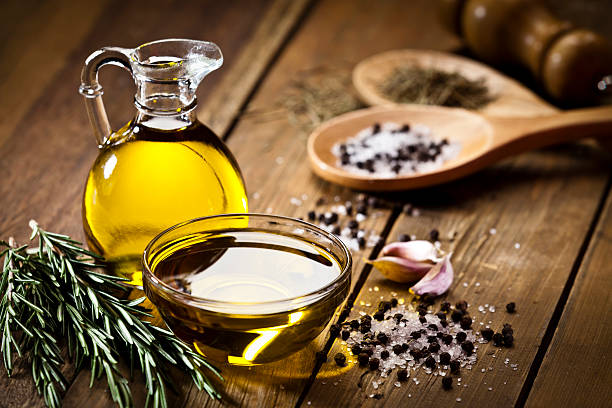
Let’s be brutally honest. If you’ve ever baked a beautiful, delicate vanilla cake, pulled it from the oven with pride, and then taken a bite… only to taste salad, you’ve probably made one of the most common mistakes in the kitchen. You asked the question, “Is olive oil a neutral oil?” and you probably guessed “yes.” Oh, honey, no. No, it is not. In fact, it’s the opposite of a neutral oil. This is, without a doubt, one of the biggest (and most disastrous) points of confusion for home bakers.
As a chef, I’ve seen this mistake ruin countless desserts. The problem is that “oil is oil” is a dangerous assumption. Furthermore, the grocery store aisle is a minefield of “flavorful vs neutral oils,” and the labels are intentionally confusing. So, is olive oil flavorless? Absolutely not. But is all olive oil flavorful? Well, that’s where the confusion starts. Consequently, based on our analysis, we are going to definitively answer this question, explain why it’s not neutral, and show you the one “impostor” olive oil that’s tricking everyone.
Before we dive into the specifics of olive oil’s very un-neutral personality, I want you to watch the video below. This clip gives a fantastic overview of the different categories of cooking oils. Pay close attention to the discussion around the 2:00 mark where they discuss “neutral flavor profiles” and the refining process.
This video is crucial because it helps establish our baseline: what is a neutral oil, anyway? In fact, understanding this concept is the key to understanding why Extra Virgin Olive Oil is the wrong tool for a job that Canola or Grapeseed oil was designed for. We’ll refer back to these concepts of “refined” vs. “unrefined” in a moment.
What Is a “Neutral Oil,” Anyway?
First, we need to establish a “control group.” Before we can properly villainize EVOO for your cake, we need to define what a “neutral oil” is. When a recipe calls for one, it is a technical request. Subsequently, the practice of an expert is to understand what that request means.
A neutral oil is a fat that has been processed to have three specific characteristics:
- A Neutral Flavour: This is the most important one. It must be flavorless. It should not taste like the plant it came from.
- A Neutral Colour: The oil should be pale, clear, and bright. A dark green or golden-amber color is a huge red flag that flavor compounds are present.
- A High Smoke Point: This is a byproduct of the refining process. Neutral oils (like Canola, Grapeseed, Vegetable) are stable at high heat (400°F+ / 205°C+), making them ideal for frying.
In short, a neutral oil’s job is to be invisible. It’s there to provide moisture and tenderness (in baking) or to transfer heat (in frying) without adding any flavor of its own. It’s the ultimate culinary ghost. So, with that definition… is olive oil a neutral oil? Let’s investigate.
The Definitive Answer: Is Olive Oil a Neutral Oil?
Here is the short, screaming, unequivocal answer: NO.
At least, not the one you’re thinking of. When 99% of people say “olive oil,” they are thinking of Extra Virgin Olive Oil (EVOO). This oil is, by its very nature, the absolute antithesis of a neutral oil. It is, by definition, a flavorful oil. In fact, it’s perhaps the most popular flavorful oil on the planet.
Case Study: Why EVOO is the Opposite of Neutral
To understand why EVOO is so flavorful, you just have to look at how it’s made. Unlike the neutral oils, which are refined, bleached, and deodorized (a harsh, industrial process we’ll call RBD), EVOO is proudly unrefined.
Unrefined, “Cold-Pressed,” and Full of Flavor
The term “Cold-Pressed” means the olives are simply crushed and squeezed. No high heat, no chemical solvents. The goal, therefore, is to preserve every single natural compound from the olive. These compounds are where the flavor lives. This process is the exact opposite of the one used to create a flavorless oil.
What Are Polyphenols and Why Do They Matter?
That “grassy,” “peppery,” “bitter,” or “fruity” taste you pay a premium for? Those are polyphenols. They are powerful antioxidants, and they are packed with flavor. Stripping them out would defeat the entire purpose of EVOO. An oil without these compounds might be neutral, but it wouldn’t be “Extra Virgin.” Consequently, the very thing that makes EVOO “good” is what makes it “bad” for neutral baking.
The Smoke Point and Color Fallacy
All these “impurities” (the flavor bits) make EVOO very delicate.
- It Has a Strong Colour: The dark green or golden color comes from chlorophyll and carotenoids, more natural compounds that carry (you guessed it) flavor.
- It Has a Low Smoke Point: Because of these compounds, EVOO will burn and taste acrid at high temperatures (around 350°F-375°F). This is why it’s a terrible choice for searing and not ideal for high-heat roasting.
So, to ask “is olive oil flavorless?” is like asking if a lemon is sweet. No. Its entire identity is built around its strong, desirable, non-neutral flavor. This is precisely why it’s perfect for salad dressing and terrible for vanilla cake.
The Great Impostor: The “Light” Olive Oil Trap
Ah. Now we get to the source of the confusion. This is the “common mistake” that trips everyone up. You’ve seen the bottles: “Light Olive Oil,” “Extra Light Olive Oil,” or just “Olive Oil” (not “Extra Virgin”).
What “Light” Olive Oil Really Means
Is light olive oil neutral? The answer is: Yes, mostly. This is the impostor. “Light” in this context does not mean low-calorie. It means light in flavor and color. And how do they achieve that? By putting it through the full, brutal Refined, Bleached, and Deodorized (RBD) process, just like Canola or Vegetable oil. They strip out all the polyphenols, all the chlorophyll, all the flavor, and all the aroma. The resulting oil is pale yellow, stable at high heat, and… neutral.
Why “Light” Olive Oil is a Bad Neutral Oil
So, technically, “Light Olive Oil” is a neutral oil. But here’s the problem: it’s a bad one. It’s a solution in search of a problem. Just because is light olive oil neutral, doesn’t mean it’s the best neutral oil. In fact, based on our analysis, it’s one of the worst choices for a baker.
The practice of an expert is choosing the right tool for the job, not just one that “kind of” works. It’s a marketing gimmick. Subsequently, it’s an expensive, subpar neutral oil created for people who are confused by the “olive oil” brand name. You are always better off buying a dedicated neutral oil like Canola or Grapeseed for your baking.
How “Light” Olive Oil Compares to True Neutral Oils
So, you’re thinking, “Great! I’ll just use Light Olive Oil for my baking!” Not so fast. Let’s see how this “impostor” neutral oil stacks up against the true kings of neutrality.
vs. Canola Oil
Canola oil is the default workhorse for a reason. It is exceptionally neutral, with almost zero detectable flavor. “Light Olive Oil,” in contrast, is often a blend. They take the flavorless refined oil and add back a tiny bit of Virgin olive oil for “flavor.” The result? It still has a faint, weirdly “off” flavor that doesn’t belong in a cake.
Winner: Canola Oil. It’s cleaner-tasting and, critically, significantly cheaper.
vs. Grapeseed Oil
Grapeseed oil is the professional pastry chef’s choice. It is the most neutral, most invisible, lightest-bodied oil on the market. It is the definition of a culinary ghost. “Light Olive Oil,” conversely, feels heavier and, as mentioned, carries a faint, nondescript “oiliness.”
Winner: Grapeseed Oil. It’s the superior choice for delicate baking, hands down.
vs. Vegetable (Soybean) Oil
“Vegetable Oil” (which is usually just Soybean Oil in the US) is also a heavily refined, neutral oil. It sometimes has a faint “beany” aftertaste, but it’s still cleaner than the “light” olive oil blend.
Winner: Vegetable Oil. It’s cheaper and more reliable in its neutrality.
When to Use Olive Oil (The Right Way)
So, let’s put the right oils in the right jobs. The flavorful vs neutral oils debate is only a “debate” if you don’t know the rules. Here are the rules.
Use Extra Virgin Olive Oil (Flavorful) For:
- Salad Dressings: Here, the oil is a primary flavor component.
- Finishing: Drizzling over pasta, steak, soup, or hummus to add that peppery, grassy bite.
- Pesto: The entire sauce is built around its flavor.
- Bread Dipping: Obviously.
Use “Light” Olive Oil (Neutral-ish) For:
- General Sautéing: If you’re just cooking some onions and garlic and don’t want to “waste” your good EVOO, light olive oil is perfectly fine. Its high smoke point works well.
- Roasting Vegetables: Again, this is a good, stable, high-heat oil for everyday cooking.
NEVER Use Olive Oil (Of Any Kind) For:
- Delicate Baking: This is the cardinal sin. Vanilla cakes, angel food cakes, chiffon cakes. Just don’t.
- Homemade Mayonnaise: Unless you want a bitter, green, olive-flavored mayonnaise. (Hint: you don’t).
- Anything Asian-inspired: The flavor profile clashes horribly. (If you want a flavorful Asian oil, learn how to make Chinese chili oil. And yes, you can put that on pizza, as we discovered in our chili oil on pizza guide!)
The Baking Science: Why This Matters So Much
So, why do we even use oil in cakes if butter tastes so good? This is the core of the flavorful vs neutral oils discussion. It’s all about function.
Team Butter: For Flavour & Structure
Butter = Flavor + Structure. Butter (which is 80% fat, 20% water/milk solids) provides a rich, nutty, caramelized flavor. Furthermore, the “creaming” method (beating butter and sugar) whips air into the fat, creating structure. However, a major drawback is that butter solidifies when cold, making a cake from the fridge taste dry and dense.
Team Neutral Oil: For Moisture & Tenderness
A neutral oil = Moisture + Tenderness. Oil is 100% fat and is liquid at room temperature.
1. Moisture: Consequently, an oil-based cake will be incredibly moist and will stay moist and tender for days, even from the fridge.
2. Tenderness: Moreover, oil is better at coating flour proteins and inhibiting gluten, resulting in a super-tender, delicate crumb.
This is why recipes like carrot cake, banana bread, and chiffon cakes demand a neutral oil. They are designed around this science. When you pour in peppery EVOO, you are fundamentally breaking the recipe. You are taking a job that demands an invisible, silent worker and giving it to a loud, obnoxious one. For a full breakdown of all oil types, our guide on choosing the right cooking oil is a great place to start. And if you want to explore the world of oils further, you can check the general Wikipedia article on cooking oil for a technical overview.
Frequently Asked Questions (FAQ)
No. Extra Virgin Olive Oil (EVOO) is a “flavorful oil,” not a neutral oil. It is unrefined and cold-pressed specifically to preserve its peppery, grassy flavor. Consequently, it is the opposite of neutral and should not be used in baking where a neutral flavor is required.
Yes, “light” olive oil is a neutral oil. The term “light” refers to its flavor and color, not its calories. It has been refined, bleached, and deodorized (RBD) to strip away all its natural flavor. However, it is an expensive and often inferior neutral oil compared to Canola or Grapeseed oil.
Your cake will taste bad. Specifically, it will have a grassy, peppery, and sometimes bitter aftertaste that clashes horribly with vanilla, chocolate, or other sweet flavors. This is a very common mistake. You must use a true neutral oil (like Canola) for baking.
Neutral oils (like Canola, Grapeseed, Vegetable) are refined to be flavorless, colorless, and have a high smoke point. Their job is to add moisture (in baking) or transfer heat (in frying) without being noticed. Flavorful oils (like Extra Virgin Olive Oil, Toasted Sesame Oil) are unrefined to preserve their natural taste and aroma. In short, their job is to add flavor to a dish, and they are typically used as a finishing oil or in dressings.
No, Extra Virgin Olive Oil is not flavorless; it is one of the most flavorful oils. Only “Refined” or “Light” olive oil is processed to be flavorless, but it is not the best choice for a neutral oil. If a recipe calls for a flavorless oil, do not use olive oil.


![7 Best Shaoxing Wine Substitute Options for Authentic Flavor [Chef Approved]](https://lezata.com/wp-content/uploads/2025/10/1000115228-768x432.webp "7 Best Shaoxing Wine Substitute Options for Authentic Flavor [Chef Approved] 8")