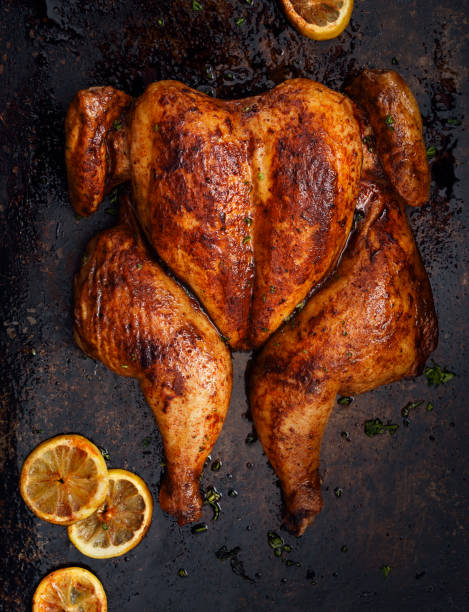
Perfect Guide: Cooking Chicken Breast in Air Fryer Time & Temp

The Golden Crust Revelation
There is a distinct sound that makes a chef’s heart sing: the intense, rapid whoosh of superheated air circulation. When you pull the basket open, you are hit with the aroma of roasted garlic and caramelized meat, and you see a piece of poultry with a skin (or exterior) that crackles, yet holds a center so moist it defies logic. This is the magic of convection technology. However, the line between “succulent masterpiece” and “dried-out shoe leather” is measured in mere minutes. Determining the exact cooking chicken breast in air fryer time is the most critical variable in your weeknight dinner equation.
I used to be a skeptic. I thought nothing could beat a cast-iron sear. But the air fryer changed my mind because of its efficiency. It seals juices in faster than an oven ever could. Whether you are prepping a simple protein topper for a Caesar salad or cooking chunks to toss into my Easy Sweet and Sour Chicken Recipe, mastering the clock is your ticket to consistent perfection. We are going to ditch the guesswork and look at the specific timelines that guarantee juicy results every single time.
Recipe Snapshot: The Air Fryer Standard
- Prep Time: 5 Minutes
- Cook Time: 10-18 Minutes (Size Dependent)
- Rest Time: 5 Minutes
- Servings: 2 Breasts
- Calories: ~280 kcal per serving
The Physics of the Whirlwind: Why Faster is Better
Air fryers are essentially intense convection ovens in a small box. They blast hot air around the food, stripping away surface moisture rapidly to create a crust while pushing heat to the center. Because the heat transfer is so aggressive, the cooking time is significantly shorter than a standard oven.
If you treat your air fryer like a regular oven, you will ruin dinner. A breast that takes 25 minutes in a conventional oven might only need 12 minutes here. Understanding chicken as food requires acknowledging that lean muscle fibers tighten up quickly under intense heat. Our goal is to hit that sweet spot where the center reaches safety (165°F) just as the outside turns golden brown.
The Goldilocks Zone: Temperature and Thickness
Before we set the timer, we must set the temperature. I have tested everything from 350°F to 400°F. The winner is 375°F (190°C).
At 400°F, the outside often burns before the center is cooked, especially with thick breasts. At 350°F, it takes too long, and the meat dries out. 375°F is the perfect middle ground. Now, look at your chicken. The time depends entirely on thickness:
- Small Breasts (5-7 oz): 10 to 12 minutes.
- Medium Breasts (8-10 oz): 12 to 15 minutes.
- Large Breasts (12 oz+): 16 to 20 minutes.
Preparation: The Rub and The Oil
Air fryers need a little help to create that non-stick, crispy surface. Chicken breast has very little fat, so you must supply it.
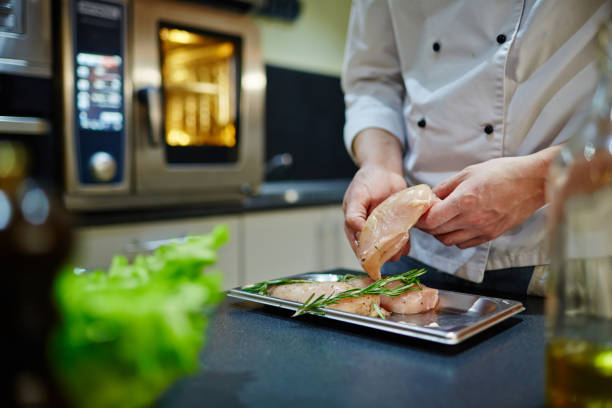
Rub the meat generously with olive oil or avocado oil. This oil conducts the heat and prevents the spices from burning. Create a spice blend with salt, smoked paprika, garlic powder, and dried oregano. Massage it into the meat. If you skip the oil, the high-velocity air will just blow your dry spices off the chicken and into the heating element, causing smoke.
Step-by-Step: Executing the Perfect Fry
Follow this workflow for the best results. Do not skip the resting step.
1. Preheat the Machine
Turn your air fryer to 375°F and let it run empty for 3 minutes. Putting cold meat into a cold basket results in steaming, not frying.
2. Arrange for Airflow
Place the seasoned breasts in the basket. Do not overlap them. The air needs to circulate around every inch of the surface. If you stack them, the spots where they touch will remain raw and flabby.
3. The Midpoint Flip
Set the timer based on the size guide above. When the timer hits the halfway mark, open the basket. Flip the chicken over. If you notice dry spots (white flour or spices), spray a tiny bit more oil on those spots.
4. The Temperature Check
Start checking the internal temperature 2 minutes before the timer ends. Insert the probe into the thickest part. You want to pull the chicken at 160°F (71°C). The residual heat will carry it to 165°F outside the basket.
Saucing Strategy: Post-Cook Elevation
Air fried chicken is delicious, but it doesn’t create a “fond” (brown bits) in a pan like sautéing does. This means you can’t make a pan sauce directly from the drippings. However, that doesn’t mean you should eat dry chicken.
While the chicken rests, whip up a separate sauce on the stove. My Easiest Pan Sauce Recipe can be made in a clean skillet in 5 minutes and adds that necessary moisture and acidity to cut through the roasted flavor. Pouring a rich herb butter or a lemon-caper glaze over the resting chicken allows the meat to absorb the flavor as it cools slightly.
Avoiding the “Rubber Chicken” Syndrome
If your chicken comes out rubbery, you likely overcooked it. The air fryer is unforgiving. Just two extra minutes can turn a juicy breast into a tire.
If you find yourself with overcooked meat, don’t toss it. Chop it up finely and mix it with mayonnaise for a salad, or toss it into a soup where the liquid can help hydrate it. Speaking of soup, if you trimmed any bones or cartilage off the breast before cooking, save them! They are perfect additions to my Rich Chinese Chicken Broth Recipe.
Brining: The Insurance Policy
If you are nervous about drying out the meat, use a brine. Soak the chicken breasts in a solution of lukewarm water and kosher salt (1/4 cup salt to 4 cups water) for 30 minutes before cooking.
This process forces water into the muscle cells. Even if you slightly overshoot the cooking chicken breast in air fryer time, the extra water acts as a buffer, keeping the meat juicy. Just remember to pat the chicken bone-dry after brining so it browns properly.
Conclusion: Trust the Technology
The air fryer is not just a gimmick for heating up frozen french fries; it is a legitimate tool for roasting protein. By respecting the intensity of the heat and adhering to the specific time windows, you can produce a dinner that rivals any oven-roasted bird in half the time.
Give it a try tonight. Set that dial to 375°F, grab your thermometer, and watch the magic happen. Do you use parchment liners in your air fryer, or do you go straight on the grate? I have strong opinions on this, but I want to hear yours in the comments!
Frequently Asked Questions
Can I stack chicken breasts in the air fryer?
No. Stacking prevents the hot air from circulating around the meat. The areas where the chicken touches will steam instead of roast, leading to uneven cooking and potential food safety issues. Always cook in a single layer, even if it means doing multiple batches.
Do I need to flip the chicken in the air fryer?
Yes. While air fryers circulate air, the heating element is usually on the top. Flipping the chicken halfway through ensures that both sides brown evenly and crisp up. It also helps redistribute the internal juices.
What if my chicken breast is huge (over 12 oz)?
If you have a massive breast, consider cutting it in half horizontally to make two thinner cutlets. This ensures the meat cooks quickly and evenly without the outside burning. If you cook it whole, lower the temperature to 360°F and cook for longer (20-22 minutes).
Why is my air fryer smoking when I cook chicken?
This usually happens because excess fat or oil is dripping onto the hot heating element or the bottom of the basket. To prevent this, add a small amount of water to the bottom drawer of the air fryer (under the basket) to catch the grease, or use a piece of bread to soak up the drippings.
Is 400°F too hot for chicken breast?
It can be. 400°F works for very thin cutlets that cook in 6-8 minutes, but for a whole, thick breast, the outside will often become tough and dry before the center reaches 165°F. Sticking to 375°F provides a better balance of browning and gentle internal cooking.