How to Get Rid of Sulfur Smell on Chicken? This Is 5 Easy Fixes
The Vacuum-Seal Surprise
We have all been there. You are planning a lovely dinner, perhaps thinking of making a vibrant stir-fry or a roast. You pull that “premium” pack of organic chicken breasts out of the fridge, grab your kitchen shears, and snip open the heavy-duty plastic. Woosh. You are instantly hit with a wave of funk that smells suspiciously like rotten eggs or sulfur. It is enough to make you lose your appetite instantly.
My first instinct years ago was to immediately throw the whole package in the trash, muttering about wasted money. But as I spent more time in professional kitchens, I learned that a sulfurous odor doesn’t always mean the bird is bad. Sometimes, it is just “confinement odor”—a temporary funk caused by the packaging process. Knowing the difference between a bird that needs a little air and a bird that belongs in the bin is a crucial kitchen skill. Before you scrap your plans for our easy sweet and sour chicken recipe, let’s investigate the source of that stink and figure out how to get rid of sulfur smell on chicken safely.
Diagnosing the Funk: Spoilage vs. Confinement Odor
Before we try to fix anything, we must perform a safety audit. You cannot “fix” rotten meat; you can only discard it. However, vacuum-packed meat often suffers from a condition known as confinement odor. When chicken is sealed in plastic and all the oxygen is removed (Cryovac), the natural juices and lactic acid accumulate. Anaerobic bacteria (the kind that don’t need oxygen) can produce a funky, sulfur-like gas that gets trapped in the bag.
According to food safety standards regarding Chicken as food, this smell should be temporary. Here is how to distinguish the two:
- Confinement Odor: Smells like sulfur or eggs immediately upon opening, but the smell dissipates or disappears after 15-20 minutes of exposure to air. The meat looks pink and fresh.
- Spoilage: The smell is sickly sweet, ammonia-like, or intensely rotting, and it gets stronger or stays the same after airing out. The meat is gray, green, or slimy.
If it is the latter, stop reading and throw it away. If it is the former, proceed with the following techniques.
Technique 1: The Oxygen Bath (Airing Out)
This is the simplest and most effective method for dealing with confinement odor. The gas is trapped on the surface of the meat. Once you break the vacuum seal, you need to let the meat “breathe.”
Take the chicken out of the packaging. Do not rinse it yet (we will get to that). Place the chicken pieces on a plate or a wire rack. Let them sit on the counter for 15 to 20 minutes. This allows the sulfur gas to oxidize and drift away. In 90% of vacuum-seal cases, this solves the problem completely. If you come back in 20 minutes and take a sniff, and the chicken smells like… well, raw chicken (neutral), you are good to cook.
Technique 2: The Vinegar Rinse Solution
There is a massive debate in the culinary world about washing chicken. Generally, do not wash chicken under a running tap. The splashing water spreads microscopic salmonella aerosol all over your sink, sponges, and clean dishes. It is a cross-contamination nightmare.
However, if the confinement odor is stubborn but you are sure the meat is fresh, you can use a static acid wash. Acid neutralizes odors.
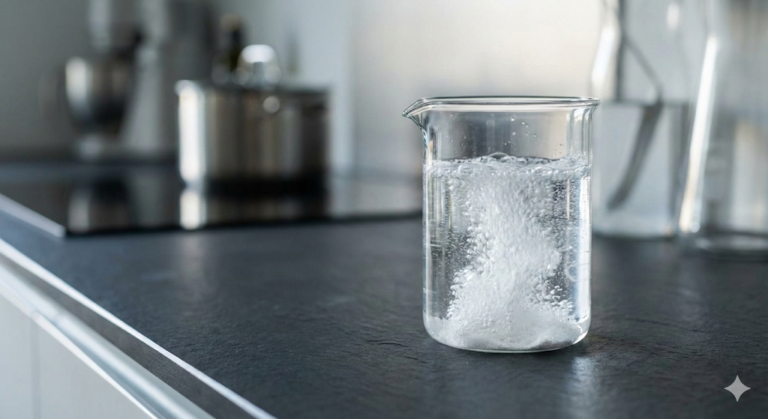
- Prepare a Bowl: Fill a clean bowl with cool water and add a splash of white vinegar or lemon juice (about 1 tablespoon per cup of water).
- Gently Submerge: Place the chicken in the water gently to avoid splashing.
- Quick Soak: Let it sit for 2 minutes.
- Pat Dry: Remove the chicken and immediately pat it bone-dry with paper towels. Discard the towels and wash the bowl immediately with hot soapy water.
This strips the surface fluids that trapped the gas. This prep is vital if you are planning to use the meat for something delicate, like a rich Chinese chicken broth recipe for perfect wonton soup, where impurities can cloud the flavor.
Technique 3: The Salt Scrub (Dry Brining)
Salt is a miracle worker. Not only does it season meat, but it also draws out moisture and impurities from the surface. If your chicken has a lingering funk but passes the safety test, a salt scrub is your best friend.
Generously sprinkle coarse Kosher salt over the chicken. Rub it gently into the surface. Let it sit for about 10 minutes. The salt will pull out surface moisture (and the accompanying smell). Wipe the salt and moisture off with a clean paper towel. This method has the added benefit of drying the skin, which is essential if you want a good sear for the easiest pan sauce recipe for any steak, chicken, or pork.
Technique 4: The Milk Soak
This is an old grandma trick that works surprisingly well for “gamey” smelling meat or organ meat (like liver), but it works on chicken too. The proteins and fats in milk are excellent at absorbing odors.
Submerge your chicken breasts or thighs in a bowl of milk (buttermilk works even better due to the acidity) for 30 minutes in the refrigerator. Drain the milk and pat dry. The chicken will smell sweet and creamy, with zero trace of sulfur. This also has a tenderizing effect, making it a win-win.
Red Flags: When to Abort the Mission
I cannot stress this enough: knowing how to get rid of sulfur smell on chicken is useful for preservation issues, but it is dangerous if applied to spoilage. You need to trust your senses beyond just smell. Look for these three signs that indicate the chicken is beyond saving:
1. The Tactile Test (Slime)
Touch the meat. Fresh chicken is naturally moist and slippery, but it shouldn’t feel “tacky” or “slimy.” If you touch it and a thick residue stays on your finger, or if it feels sticky like glue, the protein is breaking down due to bacterial overgrowth. Throw it away.
2. The Visual Inspection
Fresh chicken ranges from pink to peach to slightly white. If the fat has turned yellow-orange or the meat has taken on a dull gray or greenish hue, oxidation and rot have set in. No amount of vinegar will fix gray meat.
3. The Persistence Test
If you aired it out, rinsed it with vinegar, and patted it dry, and it still smells like a carton of rotten eggs, do not cook it. Your nose is an evolutionary tool designed to keep you alive. Listen to it.
Why Does This Smell Happen?
Understanding the why helps reduce the panic. Salmonella bacteria—which are present on almost all raw chicken—produce sulfur gas as a metabolic byproduct. In small amounts on fresh chicken, you can’t smell it. In vacuum-sealed environments, that gas has nowhere to go, so it concentrates.
When you open the bag, you are hit with a concentrated blast of gas that has accumulated over several days of transit. This is why the “Airing Out” method is scientifically sound; you are simply dispersing the concentration. It doesn’t mean the salmonella count is higher; it just means the gas was trapped.
Preventing the Stink: Shopping Smarter
While you can manage the smell, avoiding it is better.
- Check the Dates: “Sell By” is for the store; “Use By” is for you. Never buy chicken on the “Use By” date unless you plan to cook it that exact night.
- Inspect the Packaging: Avoid packages that look “puffy” or bloated. This indicates that bacteria inside have produced so much gas that the package is expanding. This is a sure sign of temperature abuse and spoilage.
- Transport Matters: Bacterial growth explodes between 40°F and 140°F. If you drive around for two hours with chicken in a hot car trunk, you are incubating sulfur-producing bacteria. Use an insulated bag.
Final Thoughts on Chicken Safety
Cooking should be a joy, not a game of Russian Roulette. While confinement odor is a common and fixable annoyance, safety must always come first. If you are ever 50/50 on whether the chicken is good, throw it out. It is cheaper to buy a new pack of chicken than to pay for an ER visit.
But if it passes the sniff test after a good airing out, get cooking! A little sulfur smell from the packaging shouldn’t stand between you and a delicious meal. Treat the ingredient with respect, handle it safely, and trust your instincts.
Have you ever had a “smelly chicken” scare? Did you toss it or save it? Drop a comment below and let me know your kitchen horror stories!
Frequently Asked Questions
-
Is it safe to eat chicken that smells like sulfur?
If the smell dissipates after airing the chicken out for 20 minutes, yes, it is likely just confinement odor and is safe. If the smell persists, is accompanied by slime, or smells like ammonia, it is spoiled and unsafe. -
Does washing chicken remove the smell?
It can remove surface fluids causing the smell, but washing under a tap is dangerous due to bacterial splashing. A gentle soak in vinegar water or milk is safer, provided you sanitize the bowl and sink area afterward. -
Why does vacuum-sealed chicken smell like eggs?
Removing oxygen concentrates the natural gases produced by the meat and bacteria. Without oxygen, anaerobic bacteria produce sulfur compounds. This gas blast is released when you break the seal. -
Can cooking kill the bad smell?
Cooking will kill bacteria, but it will not remove the flavor of spoiled meat. If the chicken is rotten, cooking it might make it “safe” from live bacteria, but toxins remains and it will taste terrible and likely still make you sick. -
How long can raw chicken stay in the fridge?
Raw chicken should generally be kept in the fridge for no more than 1-2 days. If you don’t plan to cook it within that window, freeze it immediately to prevent odor and spoilage.