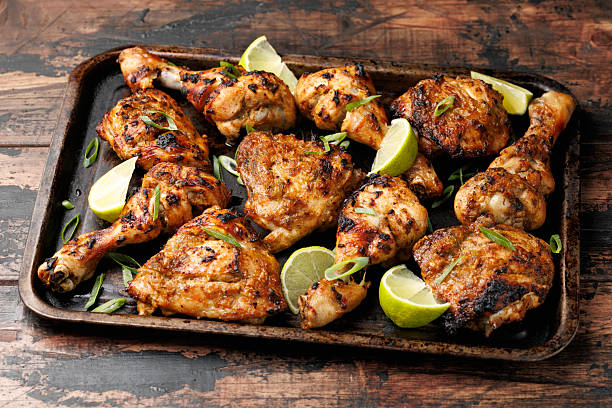
5 Facts Why Does My Chicken Have White Stripes?

The Grocery Store Glare: Spotting the “Zebra” Meat
You know the feeling. You are standing in the fluorescent aisle of the supermarket, inspecting a package of boneless skinless breasts. You are dreaming of a perfect, tender dinner, but what you see stops you cold. Instead of smooth, pink, uniform flesh, the meat looks like it is wearing a pinstripe suit. Thick, jagged white lines run parallel down the length of the muscle, giving it a synthetic, almost plastic appearance. It feels harder than it should—dense, unyielding, and suspicious.
I have had students in my cooking classes hold up a package with a look of pure horror, asking if the bird was sick or if it is safe to feed their kids. If you are currently staring at your cutting board and asking, “Why does my chicken have white stripes?” rest easy. You haven’t bought a diseased animal. You have just encountered the most common side effect of modern poultry farming. While it is safe to eat, that striping is a warning sign about texture. It means you need to change your cooking strategy immediately if you want that meat to be tender enough for our popular easy sweet and sour chicken recipe.
The Biology of the Stripe: Fat vs. Muscle
Let’s strip away the fear and look at the biology. Those white lines are not parasites, and they are not veins. They are deposits of adipose tissue (fat) and collagen (connective tissue). In a perfect world, a chicken breast is lean protein. But we don’t live in a perfect world; we live in a fast one.
Modern broiler chickens are bred for speed. Farmers need birds to grow from hatchling to market weight in roughly 45 to 50 days. This explosive growth puts massive strain on the bird’s anatomy. The pectoral muscles (the breast) grow so large and so fast that the supportive blood supply cannot keep up. The muscle fibers become damaged, and the body repairs that damage by laying down fat and fibrous tissue. That scar tissue is the white stripe you see.
According to detailed agricultural records on Chicken as food, the prevalence of this condition has skyrocketed in the last decade as demand for white meat has increased globally. It is the industrial trade-off: cheaper, bigger chicken often comes with compromised muscle structure.
Grading the Severity: When to Walk Away
Not all stripes are created equal. In the culinary world, we grade “White Striping” on a scale of 0 to 3. Understanding this scale helps you shop smarter.
- Grade 0 (Normal): The meat is translucent, pink, and pliable. There are no visible lines. This is the gold standard.
- Grade 1 (Moderate): You see thin white lines, less than 1mm thick, running with the grain. This is very common and usually cooks up fine with standard methods.
- Grade 2 (Severe): The lines are thick, clearly visible, and cover the majority of the breast surface.
- Grade 3 (Extreme): The lines are very thick (>2mm), and the meat feels hard to the touch. This is often accompanied by “Woody Breast” syndrome.
The Culinary Consequences: Texture Troubles
Why do professional chefs hate these stripes? It isn’t just aesthetics. Connective tissue is tough. When you cook muscle, it eventually tenderizes. When you cook collagen-heavy scar tissue quickly (like in a sauté pan), it tightens up and turns into rubber.
Furthermore, the fat in these stripes isn’t the good kind. Unlike the marbling in a ribeye steak that renders out and bastes the meat, this fat is structurally bound with collagen. It prevents marinades from penetrating deep into the fibers. If you are trying to make a delicate dish, severe striping can result in meat that is dry, bland, and chewy, ruining the experience.
Tactics to Tenderize Striped Meat
You bought the pack, and now you are stuck with it. Don’t throw it out! We can save this dinner with a few aggressive prep techniques.
1. The Yogurt Enzyme Bath
Acid alone (vinegar/citrus) can tighten the exterior of the meat. Instead, use dairy. The calcium and lactic acid in yogurt or buttermilk activate enzymes within the meat that help break down that fibrous connective tissue.
Coat your striped chicken heavily in plain Greek yogurt and salt. Let it sit in the fridge for at least 2 hours, or up to 12. Rinse it off before cooking. The difference in tenderness is night and day.
2. Slicing Strategy: Across the Grain
Look at the direction of the white stripes. They run parallel to the muscle fibers. If you cut with them, you get long, chewy strands. You must cut perpendicular to them.
By slicing across the grain into thin medallions or strips, you are physically severing those tough collagen bands into tiny, unnoticeable pieces. This is the best approach if you are planning to make a quick dinner using the easiest pan sauce recipe for any steak, chicken, or pork. The sauce will cling better, and the short fibers ensure a tender bite.
3. The Pound Down
If you want to cook the breast whole (like a Schnitzel or Milanese), you cannot leave it thick. The interior will be rubbery before the outside is brown. Place the breast between two sheets of plastic wrap and pound it with a meat mallet until it is an even 1/4-inch thickness. Pounding physically shatters the connective tissue structure, forcing the meat into submission.
The Nutrition Reality Check
For those tracking macros, the white stripes change the math. Chicken breast is famous for being low-fat and high-protein. However, breasts with severe white striping can contain up to 224% more fat and significantly less protein than normal breasts.
It is still a healthy food, but it isn’t the ultra-lean protein source it was in the 1980s. If you are strictly monitoring fat intake, you might want to trim away the most heavily striped sections or switch to “slow-growth” or heritage breed birds, which naturally have leaner muscle development.
Best Cooking Methods for Striped Chicken
The method matters. High, fast heat can sometimes seize up striped meat. Here is how to navigate the cooking process based on the severity of the stripes.
Braising and Poaching
If the chicken feels like a rock (Woody Breast), dry heat like grilling is your enemy. Moist heat is the savior. Simmering the chicken gently allows the collagen to soften slightly without drying out the muscle fibers. Shred the meat after poaching. Once shredded, the tough texture is almost impossible to detect.
This makes striped chicken an excellent candidate for soups. Use the shredded meat to bulk up a rich Chinese chicken broth recipe for perfect wonton soup. The broth adds moisture back into the fibers, masking the dryness caused by the condition.
Velveting for Stir-Fry
This Chinese technique is a miracle for tough meat. Slice the chicken thin (across the grain!) and marinate it in egg white, cornstarch, and rice wine for 30 minutes. Then, blanch it quickly in oil or water. The coating protects the meat from seizing up and provides a silky mouthfeel that hides the fibrous nature of the stripes.
Final Thoughts: Adapt and Overcome
Seeing white stripes on your chicken is a reality of the modern food system. It doesn’t mean the meat is dangerous, but it does mean you need to pay attention. We can’t always afford the premium, organic, pasture-raised birds that lack these stripes, and that is okay.
Cooking is about adapting to the ingredients you have on hand. By identifying the stripes early and adjusting your prep—whether that means a longer marinade, a mallet, or a smarter slicing angle—you can turn a questionable cut of poultry into a delicious meal. Don’t let the “zebra meat” scare you out of the kitchen.
Have you noticed these stripes getting worse in your local grocery store? Do you have a secret marinade that fixes tough meat? Drop a comment below and share your kitchen wisdom!
Frequently Asked Questions
-
Is it safe to eat chicken with white stripes?
Yes, absolutely. White striping is a quality defect, not a safety hazard. It does not contain bacteria or toxins. It is simply a structural change in the muscle due to growth rate. -
Does organic chicken have white stripes?
It is much less common. Organic and pasture-raised standards often encourage slower growth rates and better animal welfare. Slower-growing birds develop natural muscle texture without the scarring and fat deposits seen in rapid-growth commercial breeds. -
Can I cut the white stripes out?
You can try, but it is difficult. The striping usually runs deep through the entire thickness of the breast. Trying to surgically remove them will leave you with shredded meat. It is better to tenderize the meat or slice it thinly across the grain. -
Why is my striped chicken rubbery after cooking?
The white stripes are made of collagen and connective tissue. If cooked quickly without tenderizing, this tissue tightens up and becomes hard. This is often called “Woody Breast.” Using a mallet to pound the meat or a yogurt marinade can help prevents this. -
Does white striping affect the calorie count?
Yes, slightly. Because the white stripes are fat deposits, the meat contains more fat and fewer grams of protein per ounce compared to a lean, non-striped breast.


![5 Pro Secrets for a Smoky Wok Hei Recipe on a Home Stove [Chef’s Guide]](https://lezata.com/wp-content/uploads/2025/10/image-58-768x419.png "5 Pro Secrets for a Smoky Wok Hei Recipe on a Home Stove [Chef's Guide] 7")