5 Major Heat Control Issues in Chinese Cooking & How to Fix Them
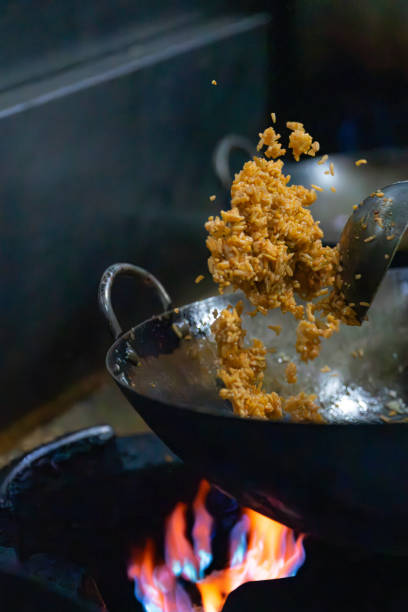
The Core Problem: Most heat control issues in Chinese cooking stem from a lack of “thermal recovery.” Home burners (12k BTU) cannot reheat a pan instantly like restaurant jet burners (100k BTU) after cold ingredients are added. To compensate, you must cook in small batches, dry your vegetables thoroughly, and allow the wok to reheat fully between steps to prevent the temperature from plummeting into the “steaming zone.”
If you close your eyes and listen to a professional Chinese kitchen, it sounds like a thunderstorm. The roar of the high-pressure gas burners and the aggressive clang of the wok spatula create an environment of intense, violent heat. Then, you step into your quiet home kitchen, turn on the stove, and wonder why your Beef and Broccoli tastes like a wet stew.
The gap between restaurant quality and home cooking is rarely about the “secret sauce”; it is almost always about thermodynamics. Heat control issues in Chinese cooking are the primary barrier preventing home cooks from achieving that smoky, charred flavor known as Wok Hei. Understanding how to manipulate your humble stove to mimic a dragon’s breath is the most valuable skill you can learn.
1. The Overcrowding Disaster
The most fatal error beginners make is treating the wok like a slow cooker. They dump a pound of chicken and a pound of vegetables in all at once. This creates one of the most common heat control issues in Chinese cooking: the temperature crash.
Your pan has a limited amount of stored heat energy. When you overload it with cold food, the metal cools down instantly below the searing point (300°F/150°C). Instead of frying, the food releases water, and you end up boiling your ingredients in their own juice. To fix this, you must embrace the “Batch Method.” Cook your meat first, remove it. Cook your veggies, remove them. Combine everything only at the very end for a quick toss.
2. Ignoring Surface Moisture
Water is the enemy of the Maillard reaction (browning). If you wash your bok choy and throw it into the wok while it’s dripping wet, your stove has to waste precious energy evaporating that water before it can start cooking the vegetable. This delay is often where heat control issues in Chinese cooking destroy texture.
Professional chefs spin-dry their greens or blot proteins with paper towels until bone dry. This ensures that the moment the food hits the oil, it starts frying immediately. This technique is crucial for dishes like Dry Fried Green Beans, where the goal is blistering the skin, not steaming the center.
3. The “Cold Wok” Mistake
Many home cooks are afraid of smoke. They turn the heat on and add oil immediately, then add food before the pan is truly hot. This leads to food sticking and absorbing oil rather than searing.
Proper heat control requires patience. You must heat your wok dry until you see the first wisps of smoke before adding oil. This creates a non-stick surface and ensures the initial contact temperature is high enough to sear. For a deeper dive into equipment handling, check our guide on Wok vs Skillet to understand how different metals retain heat.
4. Not Adjusting for Electric Stoves
If you are cooking on an electric coil or induction cooktop, you face unique challenges. Lifting the wok off the burner breaks the heat connection instantly, causing the temperature to plummet. This is one of the trickier heat control issues in Chinese cooking for apartment dwellers.
On electric stoves, you must keep the wok flat on the burner as much as possible. Instead of tossing the food in the air (which looks cool but cools the pan), use your spatula to move the food around the surface aggressively. We have specific strategies for this in our article on getting real wok hei on an electric stove.
5. Using the Wrong Oil
Heat control is useless if your oil burns and tastes bitter. Using low-smoke point oils like Olive Oil limits how hot you can get your pan. You subconsciously lower the heat to avoid smoke, which puts you right back into the “soggy zone.”
Using a high-smoke point oil allows you to push your stove to its absolute limit without ruining the flavor. According to the food science experts at Serious Eats, refined oils are non-negotiable for high-heat wok cooking. Always check your pantry before turning on the burner.
Conclusion: Mastering the Flame
You don’t need a commercial burner to cook great Chinese food; you just need to respect the limitations of your equipment. By cooking in batches, drying your ingredients, and pre-heating properly, you can overcome the inherent heat control issues in Chinese cooking at home. Listen to the sizzle—if it goes quiet, take the food out and let the pan recover.
Common Heat Control Questions (FAQ)
- Why does my meat stick to the wok?
The wok wasn’t hot enough before you added the oil. Remember the rule: “Hot Wok, Cold Oil.” Heat the metal first, then add oil, then immediately add meat. - Can I get Wok Hei on a non-stick pan?
No. Non-stick coatings cannot handle the high temperatures required for Wok Hei (over 450°F/230°C) without degrading and releasing toxic fumes. Use Carbon Steel or Cast Iron. - How do I keep the wok hot when adding sauce?
Add the sauce around the rim of the wok, not directly onto the food in the center. The hot metal sizzles the sauce, reducing its water content before it touches the ingredients. - Is my gas stove strong enough for stir-frying?
Yes, if you use the “Batch Method.” Even a weak stove can sear a handful of beef. It only fails when you try to cook dinner for four people in one go. - What implies that the oil is too hot?
If the oil starts smoking heavily and turns a dark yellow or brown color instantly, it has broken down. Discard it, wipe the wok, and start over to avoid a bitter taste.