5 Quick Hacks for Fixing Runny Stir Fry Sauce (No More Watery Mess!)
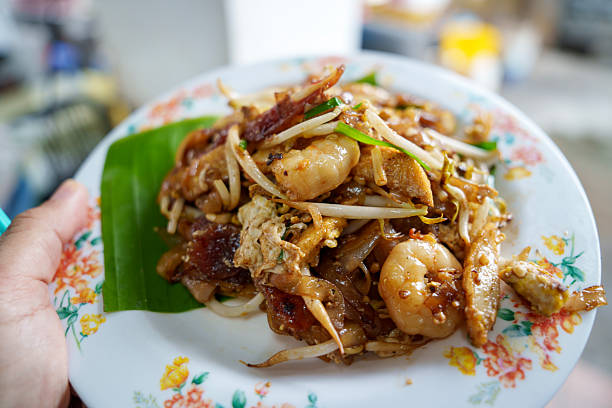
The most effective method for fixing runny stir fry sauce is to introduce a “slurry” made of equal parts cornstarch and cold water. Never add dry powder directly to the hot pan, as it will clump instantly. Once the slurry is added, you must bring the liquid back to a vigorous boil for at least one full minute to activate the starch gelatinization, turning the watery broth into a glossy glaze.
There is nothing quite as disappointing as spending an hour chopping vegetables and marinating meat, only to have your final dish resemble a watery soup rather than a glossy stir-fry. I remember my early culinary days, staring at a wok full of pale chicken swimming in brown liquid, wondering where I went wrong. It ruins the presentation, washes away the seasoning, and leaves the vegetables soggy.
The difference between a sad, watery mess and a restaurant-quality glaze comes down to controlling viscosity and heat. Fixing runny stir fry sauce is actually one of the easiest skills to master once you understand how starches react to temperature. If you are looking to build a solid foundation before troubleshooting, our guide to mastering authentic Chinese food covers the essential thickening principles used in professional kitchens.
1. The Cornstarch Slurry: The Gold Standard
The primary weapon for fixing runny stir fry sauce is the cornstarch slurry. This is simply cornstarch dissolved in a small amount of cold water before it touches the heat. A common mistake is adding the cornstarch directly to the wok, which results in permanent, powdery white lumps that no amount of stirring can dissolve.
To do this correctly, mix one tablespoon of cornstarch with one tablespoon of water in a small bowl until smooth. Push your ingredients to the side of the wok to create a “well” in the center where the sauce is pooling. Pour the slurry into the bubbling liquid and stir immediately; the transformation from water to glaze should happen within seconds.
2. The Boiling Point Rule
Many home cooks add the slurry and immediately turn off the heat, fearing they will overcook the vegetables. This is a fatal error when fixing runny stir fry sauce. Cornstarch does not reach its full thickening power until it hits approximately 203°F (95°C), which is essentially a boil.
If you don’t let the sauce boil for at least a minute after adding the starch, the sauce will look thick initially but will turn watery again as it cools on the plate (a process called retrogradation). You need to see big, slow bubbles forming. This ensures the starch granules have fully burst and absorbed the liquid, creating a stable, glossy texture.
3. The Vegetable Water Trap
Sometimes, the sauce isn’t the problem; the vegetables are. If you overcrowd your pan with water-rich vegetables like bok choy, zucchini, or frozen veggies, they will release a massive amount of water as they cook. This dilutes your perfectly measured sauce, requiring you to work on fixing runny stir fry sauce mid-cooking.
To prevent this, spin-dry your vegetables thoroughly after washing. If you are using frozen vegetables, thaw and drain them completely before they hit the oil. You can see how we manage moisture balance in our Moo Goo Gai Pan recipe, which relies on a precise white sauce that can be easily ruined by excess vegetable water.
4. The Reduction Method (No Starch)
If you have run out of cornstarch, you can use the reduction method, although it results in a more concentrated, salty flavor. Simply remove the meat and vegetables from the pan using a slotted spoon, leaving the liquid behind. Crank the heat to high and let the sauce boil aggressively.
This evaporates the water, naturally thickening the sugars and soy sauce into a glaze. Once it coats the back of a spoon, toss the ingredients back in for a final coat. This method is intense and great for sweet glazes, but be careful not to burn the sugars while you are focused on fixing runny stir fry sauce.
5. Alternative Thickeners for Diet Restrictions
If you are avoiding corn, you can use Potato Starch, Tapioca Starch, or Arrowroot powder. However, behave differently under heat. Arrowroot creates a very shiny, slippery sauce but can turn slimy if mixed with dairy (rare in stir-fries) or overheated.
Potato starch is a fantastic alternative that thickens at a lower temperature than cornstarch, making it excellent for delicate sauces. According to food science resources like Serious Eats, potato starch provides a more neutral flavor profile. Regardless of the powder you choose, the “slurry method” remains the consistent technique for fixing runny stir fry sauce effectively.
Conclusion: Glossy and Clinging
A perfect stir-fry sauce should cling to the food, not pool at the bottom of the bowl. By using a proper slurry and respecting the boiling point, you can salvage any watery dinner. Master this simple chemical reaction, and you will never serve a soggy stir-fry again.
Common Sauce Questions (FAQ)
- Why did my sauce turn watery after sitting?
This happens if you didn’t boil the cornstarch long enough, or if enzymes from your saliva (if you tasted with a spoon and put it back) broke down the starch. Always use a clean spoon for tasting. - Can I use flour to thicken stir fry?
Technically yes, but it is not recommended. Flour makes the sauce cloudy and gives it a heavy, gravy-like texture that doesn’t fit Asian cuisine. It also requires a fat (roux) to dissolve properly. - How much cornstarch is too much?
If you add too much, the sauce becomes a gelatinous blob that looks like jelly. Start with 1 teaspoon and add more gradually. You can always add, but you can’t take away. - Does xanthan gum work for stir fry?
Yes, for low-carb or keto diets. Use a tiny amount (1/4 teaspoon) as it is incredibly potent. Mix it with a little oil before adding to prevent clumping. - What implies that the sauce is thick enough?
Dip a metal spoon into the sauce and run your finger down the back of the spoon. If the line stays clean and the sauce doesn’t run back together immediately (the “nappe” consistency), it is perfect.