Removing Excess Salt from Potato Soup: 5 Chef-Approved Fixes
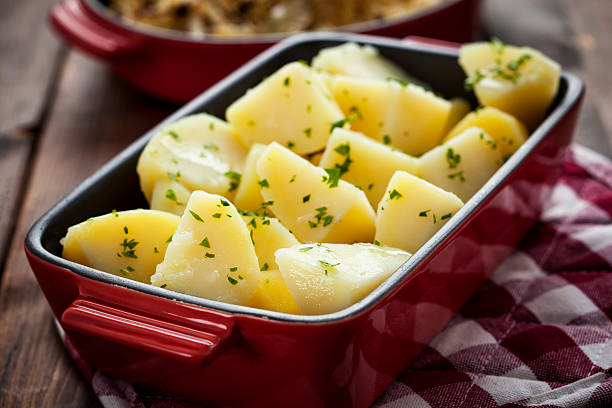
Removing excess salt from potato soup requires a strategy of dilution or distraction. To fix it, add more unsalted liquid (broth, water, or cream), increase the volume of ingredients (more potatoes), or balance the flavor profile using a splash of acid (vinegar/lemon) to trick the palate.
The spoon touches your lips, anticipating that creamy, comforting warmth of a slow-simmered chowder. But instead of comfort, you get a sharp, stinging slap of the ocean. It’s the kitchen nightmare we all dread: the soup is too salty. Maybe the lid fell off the shaker, or perhaps the bacon and cheese garnish added more sodium than you accounted for.
Take a deep breath. Do not dump that pot down the drain.
I have spent fifteen years in professional kitchens and home galleys alike, and I can tell you that oversalting happens to the best of us. The good news is that potato soup is one of the most forgiving dishes to fix. Because of its starch content and creamy base, we have several avenues to rescue your dinner. We are going to look at the science of flavor balance to turn that salt lick back into a masterpiece.
The Panic Moment: Why Good Soup Goes Bad
Before we grab the heavy cream, it helps to understand what happened. Potato soup often becomes oversalted because we layer salty ingredients. We boil potatoes in salted water, we use store-bought stock (which is sodium-rich), we add bacon, and then we finish with cheddar cheese.
When liquid reduces during simmering, the water evaporates, but the salt stays behind, concentrating the flavor. That perfectly seasoned soup at 4:00 PM can become a salt bomb by 6:00 PM. Identifying the severity of the saltiness helps you choose the right fix below.
The Golden Rule: Dilution is the Only True Cure
If your soup is aggressively salty—meaning it tastes painful to eat—no amount of lemon juice will mask it. You must change the ratio of salt to liquid. This is the most professional and reliable way to handle the crisis.
Doubling Down: Increasing the Batch Size
This is the “nuclear option,” but it guarantees results. If you have extra ingredients on hand, make a second, smaller batch of potato soup—but omit the salt entirely.
Simmer more potatoes, onions, and celery in water or unsalted broth. Once soft, mash or blend them, and pour this unseasoned mixture into your salty pot. You are effectively spreading that excess sodium across a larger volume of food. You might end up with leftovers for the whole week, but you will have a delicious meal tonight.
The Splash Technique: Adding Unsalted Broth or Cream
If you don’t have time to cook more potatoes, you need liquid. However, adding plain water can make your soup taste thin and watery.
Instead, reach for unsalted chicken or vegetable stock. If the soup is meant to be creamy, this is the perfect excuse to add more heavy cream or half-and-half. Dairy is particularly excellent at coating the tongue, which interferes with how your taste buds perceive saltiness. Pour in a quarter cup at a time, stir well, and taste.
👨🍳 Pro Tip: If you dilute the soup with liquid and it becomes too thin, make a quick slurry of cornstarch and cold water (1 tablespoon each) or blend a ladleful of the soup and stir it back in to restore that signature thickness.
The “Grandma Hack”: Does the Raw Potato Trick Work?
You will see this tip all over the internet: “Just drop a raw, peeled potato in the pot to suck out the salt.” Let’s have an honest talk about this kitchen legend.
The Science Behind the Starch Sponge
Technically, a raw potato does not have a magnetic pull that selectively removes salt. It absorbs liquid from the soup. That liquid happens to be salty.
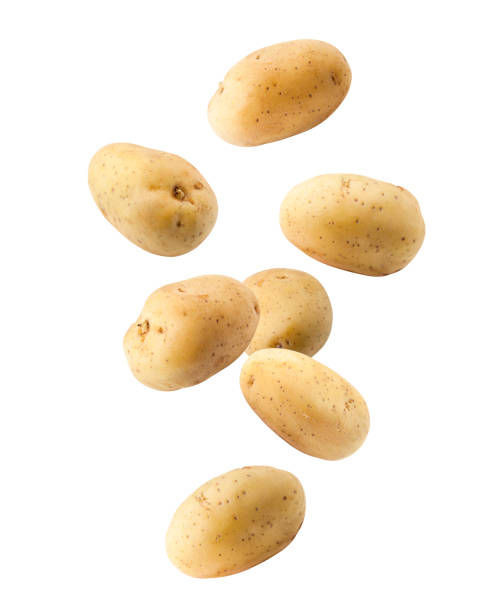
However, the “potato trick” can still help, just not in the magical way people claim. By cooking a raw potato in the liquid, the potato releases starch. This starch adds body to the soup, and the potato itself absorbs some of the aggressive broth. When you remove the potato, you remove a small portion of the salty liquid.
How to Execute the Potato Method Correctly
If you want to try this old-school method, here is how to do it effectively:
- Peel a large Russet potato and cut it into thick quarters.
- Drop the pieces into the simmering soup.
- Let them cook for 15–20 minutes until they are soft.
- Remove the potato pieces and discard them (or eat them as a salty snack; do not mash them back in).
- Taste your soup. If it helped, great! If it’s still salty, move on to the balancing methods below.
Flavor Alchemy: Balancing Salt with Acid and Fat
If your soup is just slightly too salty—on the edge of “oops” but not inedible—you don’t need to dilute it. You can use culinary theory to trick the human brain. Our palates perceive flavors in relation to one another. Saltiness can be suppressed by sourness and fat.
Cutting Through with Vinegar or Lemon
It sounds counterintuitive to add lemon to a creamy potato soup, but a small amount of acid cuts right through the heaviness of sodium.
Stir in a teaspoon of apple cider vinegar, white wine vinegar, or fresh lemon juice. Stir and taste. You aren’t trying to make the soup taste sour; you are adding a “high note” of flavor that distracts the tongue from the “low note” of the salt. The result is often a soup that tastes brighter and more complex.
The Mellowing Power of Heavy Cream and Butter
Fat coats the palate. When your tongue is coated in fat, the salt ions have a harder time hitting the flavor receptors.
If your dietary preferences allow, swirl in a tablespoon of unsalted butter or a splash of heavy cream right at the end of cooking. The richness mellows the sharp bite of the salt, making the soup feel luxurious rather than aggressive.
The Last Resort: The Strain and Rinse Technique
This is for when you are desperate, and the soup contains chunky ingredients (like cubed potatoes, carrots, and celery).
If the liquid is totally unsalvageable:
- Pour the soup through a colander into a large bowl.
- Save the solid vegetables and meat.
- Discard the salty liquid (or save a tiny bit to use as a concentrate).
- Put the solids back in the pot and cover them with fresh, hot water or unsalted broth and cream.
- Simmer for a few minutes to let flavors meld.
You will lose some flavor depth with this method, so be prepared to add plenty of black pepper, herbs (like thyme or chives), and perhaps a dash of onion powder to wake it back up.
Seasoning With Intention: Avoiding Future Disasters
To prevent this heartache next time, adopt the professional “season as you go” philosophy.
Instead of dumping a teaspoon of salt in at the start, salt in layers. Salt the onions when sweating them. Salt the broth lightly. But most importantly, stop salting about 20 minutes before the soup is done.
Remember that potato soup often gets garnished with bacon, cheddar cheese, and sour cream—all of which are salt bombs. A perfectly seasoned pot of soup might taste too salty once the garnishes are added. Aim for “slightly under-seasoned” in the pot, and let the toppings do the rest.
Serving Success: Is Your Soup Saved?
Rescuing a dish requires patience and a bit of bravery. By using dilution, starch absorption, or flavor masking, you have likely brought your meal back from the brink. Serve your potato soup with a side of crusty, unsalted bread. The bread acts as a palate cleanser, helping to further balance each bite.
Frequently Asked Questions About Salty Soup
Does sugar help fix salty potato soup?
Adding a pinch of sugar can help mask mild saltiness, much like acid does. However, be very careful. Potato soup has natural sweetness from the starch and onions; adding too much sugar can make it taste like dessert. Use brown sugar for a deeper flavor profile, but only as a last resort.
Why does my potato soup get saltier the next day?
As soup sits in the fridge, the potatoes continue to absorb liquid, and some evaporation occurs, concentrating the flavors. Additionally, the flavors “marry,” making them more intense. If you reheat leftovers, add a splash of water or milk to loosen the texture and dilute the sodium.
Can I use a slice of bread to absorb salt?
Similar to the potato trick, some people suggest dropping a heel of stale bread into the soup to soak up liquid. While this works to absorb broth, bread falls apart easily in liquid, leaving you with a mushy mess. The raw potato method is cleaner and easier to manage.
What if I used salted butter by mistake?
If the recipe called for unsalted butter and you used salted, you have added extra sodium. Don’t panic. Just hold back on adding any actual table salt until the very end. Taste repeatedly. You likely won’t need to add any additional salt at all.
Is there a chemical that neutralizes salt?
No edible chemical “neutralizes” salt (sodium chloride) in a way that makes it disappear. You can only dilute it or mask it. Avoid products that claim to chemically remove salt; good cooking technique is the only safe solution.