Waxy vs Starchy Potatoes Chart: The Ultimate Variety Guide
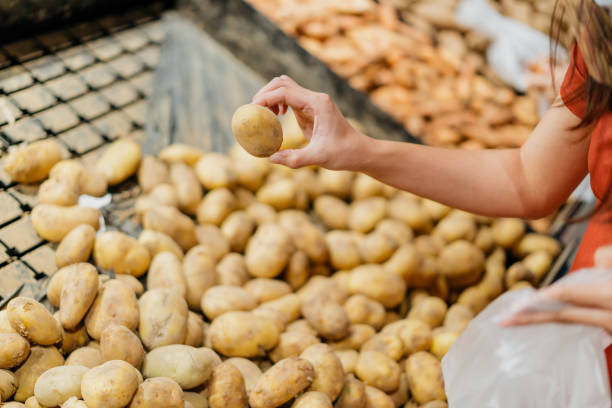
Waxy vs starchy potatoes chart breakdowns are essential for any home cook because the starch content dictates the final texture of your dish. How to choose the right potato comes down to this: Starchy potatoes (like Russets) are low in moisture and high in starch, making them ideal for baking and mashing. Waxy potatoes (like Red Bliss) are high in moisture and low in starch, helping them hold their shape for salads and roasting.
We have all been there. You spend an hour peeling, boiling, and ricer-ing, dreaming of those cloud-like mounds of mashed potatoes you see in restaurant ads. But as you stir in the butter, tragedy strikes. instead of fluffy clouds, you are left with a bowl of wallpaper paste. It’s gummy, it’s gluey, and it’s heartbreaking.
It wasn’t your technique. It wasn’t the butter. It was the potato.
Choosing the right tuber is the single most critical step in potato cookery, yet the grocery store bins rarely tell you what to do with them. You see “Red,” “Yellow,” and “Russet,” but those labels don’t explain the chemistry happening inside the skin. Understanding the spectrum of tubers—and having a reliable reference guide—is the difference between a crispy, golden fry and a limp, soggy disappointment. Let’s decode the potato aisle once and for all.
The Texture Spectrum: Understanding the “Why”
Before we look at the specific varieties, we need to talk about what makes a potato “waxy” or “starchy.” It all comes down to two types of starch: amylose and amylopectin.
Think of starchy potatoes as sponges. They are packed with amylose. When you cook them, the starch granules swell up, separate, and eventually burst. This creates that dry, fluffy texture we love in a baked potato. They drink up butter and cream like thirsty travelers.
Waxy potatoes are the opposite. They have less starch and more water. Their cells bond together tightly and refuse to break down when heated. This structural integrity is why you can boil a red potato for twenty minutes, and it will still look exactly like a potato when you pull it out, rather than dissolving into soup.
The Ultimate Waxy vs Starchy Potatoes Chart
To save you from future kitchen disasters, I’ve compiled this breakdown. Think of this as your cheat sheet for the produce section. This waxy vs starchy potatoes chart categorizes the most common varieties found in Western markets.
*Note: While technically different botanical families, sweet potatoes behave similarly to starchy potatoes in texture.
Team Starchy: The Fluff Masters
If you are looking for that classic diner-style baked potato or the perfect French fry, you need to be on Team Starchy. These potatoes are heavy hitters in the comfort food world.
The Russet and Idaho Profile
When you buy a big bag of generic “baking potatoes,” these are usually Russets. They have a thick, dusty skin that crisps up beautifully in the oven. Because the flesh is so dry, when the water evaporates during cooking, you are left with airy layers of potato flesh.
Best Uses for High-Starch Tubers
Mashed Potatoes: Because they fall apart easily, you don’t have to overwork them to get them smooth. Less working means less gluten development, which means no gluey texture.
Deep Frying: The high starch content creates a glass-like crunch on the exterior while keeping the interior soft.
Baking: The skin becomes a sturdy vessel for toppings, while the inside becomes light and fluffy.
👨🍳 Pro Tip: Never put starchy potatoes in a blender or food processor! The blades shear the starch molecules too aggressively, instantly turning your fluffy Russets into a sticky, inedible paste. Always use a ricer or a hand masher.
Team Waxy: The Shape Shifters
Waxy potatoes are the reliable workhorses of dishes where texture and visual appeal matter. If you are making a dish where you want to see distinct cubes or slices, you want waxy.
Red Bliss and Fingerling Profile
These are the potatoes that often look “wet” or creamy even when cooked. Fingerlings and Red Bliss have thin skins that you usually don’t even need to peel (which is a huge time saver). They have a sweeter, more vegetal flavor compared to the neutral, earthy taste of a Russet.
Why Waxy Spuds Don’t Crumble
Because their cells hang on to each other for dear life, these potatoes provide a pleasant resistance when you bite into them. This makes them the only logical choice for soups and stews. If you toss Russets into a soup, they will thicken the broth but disappear as distinct chunks. Waxy potatoes will stay distinct even after hours of simmering.
The Golden Middle: All-Purpose Potatoes
If you only have space in your pantry for one type of potato, make it the Yukon Gold.
These are the diplomats of the potato world. They sit right in the middle of our waxy vs starchy potatoes chart. They have enough starch to make a decent mash (though it will be creamier and richer than a Russet mash), but they hold their shape well enough for a potato salad or a roast.
I personally love roasting Yukon Golds. The medium starch content allows the edges to caramelize and crisp up, while the inside turns into a custard-like consistency that is absolutely addictive.
The Kitchen Lab: How to Identify a Mystery Potato
Sometimes you grab a loose potato from the bin, or you find a stray one in the back of your pantry, and you have no idea what it is. Here are two quick tests to identify it:
1. The Scratch Test Use your fingernail to scratch a small piece of skin off the raw potato.
If it’s Starchy: You will likely see a dry, powdery residue, and the skin will feel rough.
If it’s Waxy: It will be juicy or watery, and the skin will likely peel away in a clean, thin flake.
2. The Brine Test This is a fun science experiment if you have kids. Mix a solution of water and salt (about 1 part salt to 10 parts water). Drop the potato chunk in.
Starchy potatoes are denser than water (specific gravity) and will usually sink to the bottom.
Waxy potatoes have higher water content and lower density, so they are more likely to float or hover in the middle.
Avoiding Culinary Disaster: A Method Match-Up
To wrap up, let’s look at common dishes and the non-negotiable potato choice for them.
Gnocchi: STRICTLY Starchy (Russet). You need a dry dough. Moisture is the enemy of light gnocchi.
Scalloped Potatoes (Gratin): All-Purpose (Yukon) or Starchy. The starch helps thicken the cream sauce naturally.
Potato Salad: STRICTLY Waxy (Red/New). You want firm cubes that don’t absorb all the mayonnaise and turn into sludge.
Hash Browns: Starchy. You need the dryness to get that golden-brown crust on the griddle.
Frequently Asked Potato Questions
Can I substitute waxy potatoes for starchy ones in gnocchi?
I strongly advise against it. Waxy potatoes retain too much moisture. To compensate, you would have to add more flour to the dough, which results in tough, chewy gnocchi rather than the light “pillows” you are aiming for. If you must use them, you’ll need to bake the potatoes on a bed of salt to draw out as much moisture as possible.
Which category do sweet potatoes fall into?
Sweet potatoes generally behave like starchy potatoes, but they have a high sugar content. This means they caramelize (and burn) much faster than Russets. While they mash beautifully, they don’t get “fluffy” in the same way; they get smooth and pureed.
Why did my potato salad turn into mush?
You likely used a Russet or baking potato. When you tossed the warm potatoes with the dressing, the friction caused the delicate, starchy edges to crumble. Next time, look for Red Bliss or New Potatoes, which will remain firm even when tossed vigorously.
What is the best potato for homemade French fries?
The Russet Burbank is the gold standard for fries. Its high starch content ensures the interior cooks into a fluffy texture, while the exterior loses moisture rapidly in the hot oil, creating a crunch that stays crispy.
Do waxy potatoes take longer to cook?
Generally, yes. Because they are denser and have less starch to swell up and burst (which speeds up the softening process), waxy potatoes can take a few minutes longer to become tender compared to a starchy potato of the same size.
Your New Spud Strategy
Next time you are meal planning, don’t just write “potatoes” on your shopping list. Consult the mental waxy vs starchy potatoes chart (or bookmark this one!) and specify the variety. It is a small detail that elevates your cooking from “good enough” to restaurant quality. Whether you are roasting, boiling, or frying, respecting the starch makes all the difference. Now, go preheat that oven!