
Do Purple Potatoes Taste Different? The Truth Behind the Hue
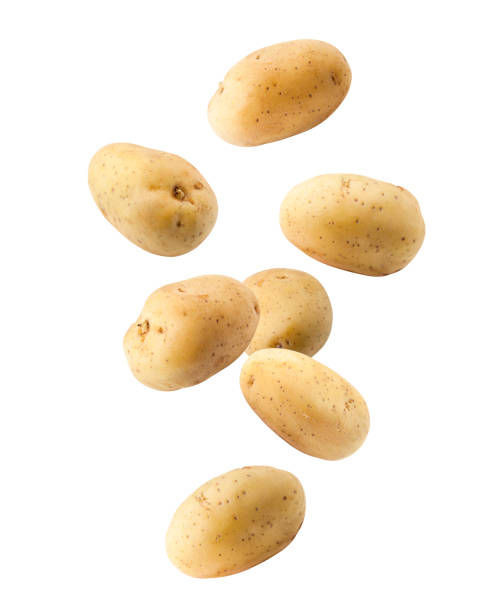
Do purple potatoes taste different? Yes, but the difference is subtle and sophisticated. While they share the starchy comfort of white potatoes, purple varieties possess a distinctively nuttier, earthier flavor profile often compared to chestnuts or hazelnuts. Their texture is generally denser and less watery than a Russet. Understanding how to leverage this denser texture is key to unlocking their full culinary potential.
The first time I sliced into a Stokes Purple potato, I felt a strange hesitation. My brain, wired for the creamy white of a Yukon Gold or the starchy beige of a Russet, sent a warning signal. Surely, something this vibrant—this shockingly violet—must taste like candy, or worse, like chemicals.
But as the smell of roasting tubers filled my kitchen, that hesitation vanished. It smelled familiar, comforting, and deeply savory. If you have ever walked past a display of these gems at the farmers market and kept walking because you were afraid they’d ruin your shepherd’s pie, pull up a chair. We need to talk about the most misunderstood vegetable in the root cellar.
Unmasking the Flavor Profile: Earthy, Nutty, or Just Plain Potato?
Let’s cut straight to the chase. If you were to close your eyes and take a bite of a steamed purple potato, you would instantly know you were eating a potato. They don’t taste like grapes, and they certainly don’t taste like eggplant.
However, a discerning palate will pick up on the nuances immediately.
The Russet vs. Purple Taste Test
Think of a standard Russet potato as a blank canvas—neutral, mild, and essentially a vehicle for butter and salt. Now, think of a purple potato as that same canvas but painted with a wash of toasted hazelnuts.
When I do side-by-side tastings in my kitchen, the overwhelming consensus is that purple potatoes carry a richer, earthier depth. There is a savory quality, almost an “umami” whisper, that white potatoes lack. While a white potato can sometimes taste watery or purely starchy, the purple variety—specifically the Stokes—brings a density of flavor that holds its own even with minimal seasoning.
Why Texture Changes How You Taste Them
Flavor isn’t just about what hits your tongue; it’s about how the food feels in your mouth. This is where purple potatoes truly diverge from their paler cousins.
Most purple varieties fall into the “waxy” to “medium-starch” category. They are lower in moisture than a baking potato. This means when you eat them, you get a creamy, almost buttery mouthfeel without adding a drop of dairy. This density concentrates the flavor. Because there is less water diluting the potato cells, that “potato-ness” hits your taste buds with more intensity.
The Science of the Spectrum: Anthocyanins and Bitterness Myths
You might have heard a rumor that the skin of purple vegetables can be bitter. This stems from the presence of anthocyanins—the powerful antioxidant responsible for that deep indigo pigment (the same compound found in blueberries and blackberries).
In leafy greens, high levels of antioxidants can sometimes translate to bitterness. But in the magical world of tubers? That is rarely the case.
The skin of a purple potato can be slightly thicker than a Yukon Gold, which might contribute a very faint tannic quality, similar to the skin of a red wine grape. But this isn’t a flaw; it’s a feature. It cuts through the richness of the starch, providing a balance that makes these potatoes excellent candidates for rustic, unpeeled preparations.
Not All Violets Are Created Equal: Knowing Your Varieties
Here is where 90% of home cooks get confused. I have seen countless dinner parties go awry because the host bought a purple sweet potato thinking it was a regular purple potato.
Stokes Purple vs. Okinawan Sweet Potato
If you take nothing else away from this chat, let it be this distinction.
Stokes Purple: These have dark, almost black skin and deep purple flesh. Flavor: Savory, earthy, nutty. These are the ones you want for roasting with rosemary or mashing with garlic.
Okinawan (or Purple Sweet Potato): These often have beige skin and purple flesh, or purple skin and flesh (like Ube). Flavor: Intensely sweet, floral, almost like vanilla. If you put these in your beef stew, you are going to have a very strange dessert-soup hybrid.
Always check the label or ask your grocer. If the sign says “Sweet,” treat it like a yam. If it just says “Purple Potato,” you are in savory territory.
The Adirondack Blue Experience
Another common variety you might stumble upon is the Adirondack Blue. These tend to have a slightly more violet-blue hue and the color often fades a bit when boiled. In terms of taste, I find them to be the mildest of the bunch—closer to a standard white potato but with that lovely soft texture.
👨🍳 Pro Tip: Want to keep that purple color from turning gray? Acid is your best friend. When boiling purple potatoes, add a splash of white vinegar or lemon juice to the water. It stabilizes the anthocyanins and keeps your mash looking vibrant electric purple rather than sad bruised slate.
The Heat Factor: How Cooking Alters the Purple Flavor
Because purple potatoes are denser and have lower moisture, they respond differently to heat. Your cooking method can either mute their unique taste or make it sing.
Roasting for Richness
This is the gold standard. When you roast a purple potato, the dry heat evaporates what little moisture remains, concentrating that nutty flavor even further. The sugars caramelize, and the skins get wonderfully crisp.
I love to toss them in duck fat or high-quality olive oil. The richness of the fat latches onto that earthy flavor profile perfectly. If you are used to roasting Russets, keep an eye on these—they can go from “crispy” to “dry” a little faster due to the lower water content.
The Boiling Trap (And How to Avoid It)
Boiling is tricky. If you over-boil a Russet, it falls apart. If you over-boil a purple potato, it can become heavy and gluey because of that dense starch structure.
However, they make for the most visually stunning potato salad you will ever serve. The trick is to simmer them gently and drain them the second they are fork-tender. Do not let them sit in the hot water. The flavor of a boiled purple potato is cleaner and more vegetal—less “toasted nut” and more “fresh earth.”
Flavor Pairings That Sing on the Plate
So, do purple potatoes taste different enough to change how you season them? Absolutely. While they love salt and pepper, they can handle bolder, more aromatic partners than a white potato.
Herbs: They have an affinity for woody herbs like thyme, rosemary, and sage. The resinous notes of these herbs play beautifully with the nutty base of the potato.
Acids: Lemon zest or a vinaigrette dressing cuts through the density of the flesh.
Dairy: Because they are naturally creamy, you don’t need as much butter, but crème fraîche or a sharp yogurt adds a lovely tang that contrasts the earthiness.
Cheese: Go for sharp cheeses. A mild mozzarella gets lost here. Think aged cheddar, goat cheese, or a funky gorgonzola.
The Final Verdict: Are They Worth the Extra Pennies?
If you are just making a massive pot of mash for twenty kids who only want to taste gravy, stick to the Russets. They are cheaper and fluffier.
But if you are cooking for flavor, for the joy of variety, and for a visual feast, the purple potato is superior. They invite you to pay attention to your food. They demand a little more respect in the cooking process, and in return, they give you a depth of flavor that turns a humble side dish into a conversation starter.
So yes, they taste different. They taste like a potato that went to finishing school.
Common Curiosities About Cooking Purple (FAQ)
Can I substitute purple potatoes for white potatoes in any recipe?
Generally, yes. They work beautifully in roasting, salads, and frying. However, be cautious with soups or purees; because they are denser, you might need to add a little more liquid (milk, stock, or butter) to get the same consistency you’re used to with white potatoes.
Do purple potatoes take longer to cook?
In my experience, they actually cook slightly faster than large baking potatoes because they are usually sold smaller. However, if you have large ones, the cooking time is comparable to a Yukon Gold. Always test with a fork; don’t rely on a timer.
Is the skin of purple potatoes edible?
100% yes. In fact, I highly recommend leaving it on. The skin is where the highest concentration of nutrients lives, and it adds a nice textural contrast to the creamy interior. Just give them a good scrub, as the dark skin can hide dirt patches.
Why did my purple potatoes turn green?
Green spots on any potato (purple or white) indicate the presence of solanine, a natural toxin produced when potatoes are exposed to light. Because the skin is dark, green spots are harder to see on purple potatoes. If you taste something bitter, spit it out. Always store them in a cool, dark place.
Do they lose their color when cooked?
They can if you aren’t careful. Boiling tends to leach out some color, turning them a lighter lavender. Roasting, frying, or steaming helps lock in the pigment. And remember the vinegar trick mentioned earlier—acid helps set the dye!

![5 Pro Secrets for a Smoky Wok Hei Recipe on a Home Stove [Chef’s Guide]](https://lezata.com/wp-content/uploads/2025/10/image-58-768x419.png "5 Pro Secrets for a Smoky Wok Hei Recipe on a Home Stove [Chef's Guide] 11")