Freezing Raw Potatoes vs Blanched: The Crispy Truth
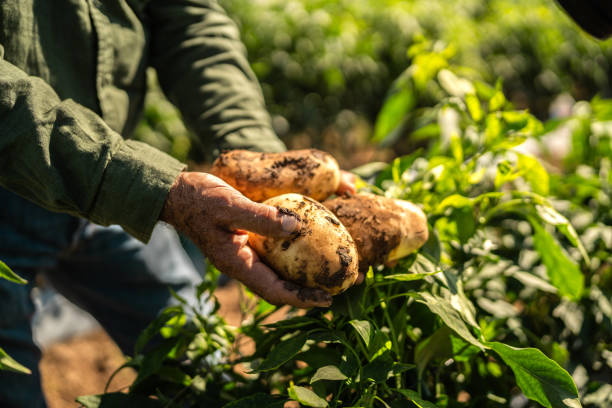
Freezing raw potatoes vs blanched is a battle between convenience and quality. While you can technically freeze raw potatoes, they will likely become watery, sweet, and turn an unappetizing grey-black due to enzyme activity. For the best results, knowing how to blanch them first is essential; this quick boil deactivates enzymes, preserving the fluffy texture and bright white color for months.
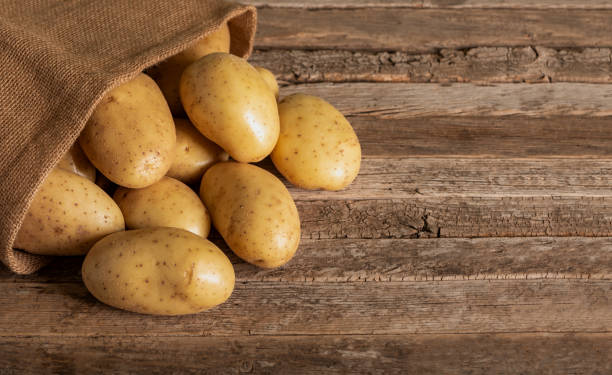
I still remember the first time I tried to cheat the system. I had a ten-pound sack of Russets beginning to sprout eyes in my pantry, staring at me with judgement. In a panic to save them, I spent an hour peeling and chopping, tossing the raw cubes directly into freezer bags. I felt like a meal-prep genius.
Two weeks later, I pulled a bag out for a stew. What I held wasn’t a bag of potatoes; it was a bag of grey, weeping stones. When cooked, they disintegrated into a sweet, grainy mush that ruined the entire pot. That was the day I learned that the freezer isn’t a magical time capsule—it’s a harsh environment, and your vegetables need armor to survive it.
That armor is blanching.
The Great Potato Debate: To Scald or Not to Scald?
If you are standing in your kitchen right now with a peeler in one hand and a freezer bag in the other, asking if you really need to boil a pot of water, I am going to save you some heartache.
The short answer is: Yes, you absolutely should blanch.
However, understanding the why changes everything. It isn’t just an old wives’ tale or a step meant to torture busy cooks. It is about chemistry. When we look at freezing raw potatoes vs blanched, we are really looking at uncontrolled decomposition versus suspended animation.
Why Raw Potatoes Turn Against You in the Freezer
Have you ever sliced an apple and watched it turn brown on the counter? Potatoes suffer from a similar, yet more aggressive, fate.
The “Zombie Potato” Effect: Understanding Discoloration
Raw potatoes contain an enzyme called polyphenol oxidase. It sounds like something from a sci-fi movie, but it is very real in your kitchen. When a potato is cut and exposed to oxygen, and then subjected to freezing temperatures without heat treatment, this enzyme goes into overdrive before it freezes completely.
If you freeze them raw, you will likely open your freezer to find chunks that have turned a bruised blue-grey or even black. While they are technically safe to eat, they look like rocks found in a riverbed, not dinner. No amount of roasting will bring that creamy white color back.
The Texture Trap: Water Crystals and Mush
Potatoes are roughly 80% water. When you freeze water, it expands and forms jagged crystals. In a raw potato, these crystals act like tiny knives, shredding the cell walls from the inside out.
Because the starch in a raw potato hasn’t been “set” or gelatinized by heat, those cell walls are weak. When you thaw a raw frozen potato, the water leaks out (a process called syneresis), leaving behind a limp, spongy structure that refuses to crisp up.
The Sweetness Spike: Starch to Sugar Conversion
This is the hidden killer of flavor. At low temperatures, the starch in raw potatoes converts to sugar much faster than in cooked ones. This is a phenomenon known as “cold-induced sweetening.”
If you fry a raw-frozen potato, that excess sugar will burn rapidly, turning your french fries dark brown/black on the outside before they are cooked on the inside. You also end up with a potato that tastes oddly sweet, ruining the savory profile of your roast or mash.
The Magic of Blanching: Locking in the Golden Crisp
Blanching is simply the process of partially cooking a vegetable in boiling water and then immediately stopping the cooking process in ice water. It is the only way to win the freezing raw potatoes vs blanched war.
Stopping the Enzyme Clock
Think of blanching as hitting the “pause” button on nature. The heat from the boiling water destroys the polyphenol oxidase enzyme. Once that enzyme is deactivated, it can no longer turn your spuds black. You are essentially sterilizing the potato against its own aging process.
Creating the Perfect Surface for Roasting
Here is a bonus benefit that the raw-freezers miss out on: Blanching gelatinizes the starch on the surface of the potato. When you eventually roast or fry these later, that gelatinized layer creates the ultimate crunch. It’s the secret behind those restaurant-style french fries that are fluffy inside and shattered-glass crispy on the outside.
The Gold Standard Method for Freezing Potatoes
Ready to fill your freezer with ready-to-go ingredients? Here is the method I have refined over years of trial and error.
Prep and Cut Uniformity
Consistency is key here. You don’t want giant wedges mixed with thin slices, or they will blanch unevenly.
For French Fries: Cut into 1/4 inch sticks.
For Roasting: Cut into 1-inch cubes.
For Mash: Chunks are fine, but keep them roughly the same size.
Note: Always peel your potatoes before freezing. Potato skins do not freeze well and can become tough and separate from the flesh.
The Water Bath and Shock Treatment
The Boil: Bring a large pot of unsalted water to a rolling boil. You want enough water so that the potatoes move freely.
The Drop: Carefully lower your potatoes in. Do not crowd the pot—if the temperature drops too much, you aren’t blanching; you’re stewing.
The Timing:
Small cubes/French fries: 3 minutes.
Large chunks: 5 minutes.
You aren’t cooking them through! They should still be firm in the middle.
The Shock: Immediately transfer the potatoes into a bowl filled with ice and water. This “shock” stops the cooking instantly. Leave them there for the same amount of time you boiled them.
Flash Freezing: The Secret to Non-Clumping Spuds
Do not just throw the wet, cold potatoes into a bag. They will freeze into a giant ice block.
Drain and Dry: Drain the potatoes and pat them bone-dry with a kitchen towel. Excess moisture = freezer burn.
Spread: Lay them out in a single layer on a parchment-lined baking sheet.
Freeze: Place the sheet in the freezer for 1-2 hours until the potatoes are rock hard.
Bag: Now you can transfer them to a freezer-safe bag. Squeeze out as much air as possible (or use a vacuum sealer).
👨🍳 Pro Tip: Toss your blanched, dried potatoes in a light coating of oil or even duck fat before the flash freezing step. This creates a protective barrier against freezer burn and means they are seasoned and ready to roast straight from the bag!
The “Lazy” Method: Is Freezing Raw Ever Okay?
I know, life gets busy. Sometimes you just don’t have the energy for the ice bath. Is there ever a time raw is acceptable?
The Hash Brown Loophole
The only time I freeze raw potatoes is for hash browns. Because hash browns are shredded, they cook incredibly fast, meaning the “mushy” texture issue is less noticeable since you want a soft interior anyway.
However, the discoloration risk is still high. To mitigate this:
Shred the potatoes directly into a bowl of ice water mixed with a tablespoon of lemon juice or vinegar (acid helps prevent browning).
Squeeze the living daylights out of them to remove moisture.
Freeze immediately in flat patties.
They won’t last as long as blanched ones (use them within 4 weeks), but for a quick Saturday morning breakfast, they pass the test.
From Freezer to Table: Cooking Your Stash
The best part about the blanching method is that you do not thaw these potatoes. Thawing leads to a weeping, soggy mess.
Roasting: Toss the frozen chunks directly in oil and herbs. Roast at 425°F (220°C). They will take a few minutes longer than fresh, but they will crisp up beautifully.
Frying: Drop frozen fries carefully into hot oil.
Mashing: Drop frozen chunks into boiling water or steam them until tender, then mash as usual.
Ready to Serve?
When we compare freezing raw potatoes vs blanched, the winner is clear. While the raw method saves you twenty minutes today, it costs you the quality of your meal tomorrow. Blanching is an investment in your future dinners—ensuring that when you reach into that freezer on a busy Tuesday night, you’re pulling out ingredients that are as good as fresh.
Grab that pot, get that water boiling, and save those spuds the right way.
Frequently Asked Questions About Potato Preservation
Can I freeze whole potatoes?
Generally, no. Whole potatoes are difficult to blanch evenly (the outside turns to mush before the heat penetrates the center) and they take up enormous space. It is much better to cut them into usable shapes before processing.
How long do blanched potatoes last in the freezer?
If you have used a vacuum sealer or high-quality freezer bags, blanched potatoes can last for 10 to 12 months. Raw frozen potatoes usually degrade in quality within 4 to 6 weeks.
Why did my frozen potatoes turn black?
This is oxidation caused by enzymes. It means the potatoes were either not blanched, or not blanched for long enough to kill the enzymes. While unappealing, they are not poisonous, but the flavor will likely be compromised.
Can I freeze mashed potatoes?
Yes! Mashed potatoes actually freeze better than potato chunks because the fat (butter/cream) protects the texture. You don’t need to blanch them separately since they are already fully cooked. Freeze them in scoops for easy single servings.
Does soaking potatoes in salt water before freezing help?
Soaking helps remove surface starch (good for crispy fries) and prevents browning temporarily, but it is not a substitute for blanching. You still need the heat application to deactivate the enzymes for long-term storage.