9 Tips What is a Healthy Substitute For Oil in Baking Ideas That Work [Chef Tips]
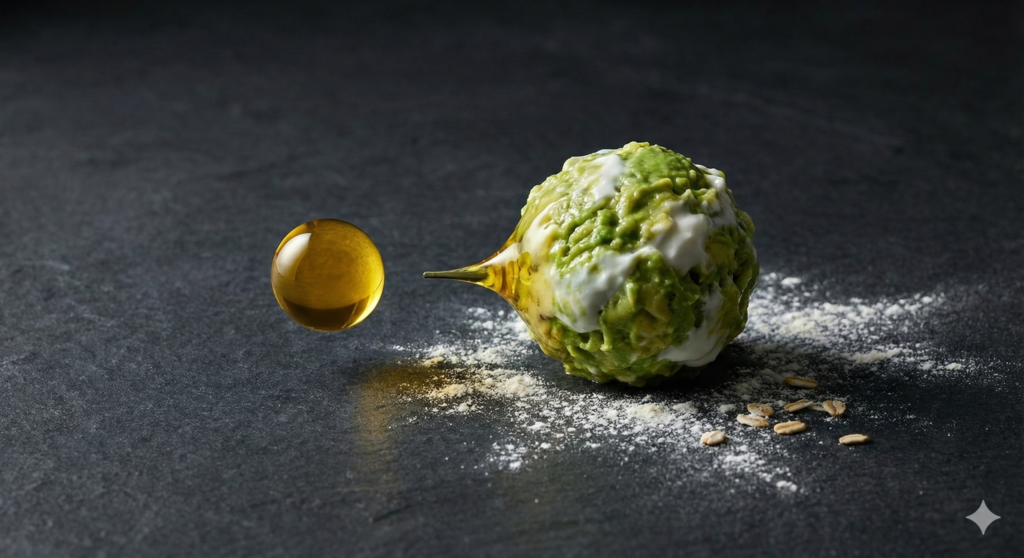
What is a healthy substitute for oil in baking? The most reliable options are fruit purees like applesauce for adding moisture without fat, Greek yogurt for protein-rich tenderness, and mashed avocado or nut butters for mimicking the density of traditional fats. However, success depends entirely on the chemistry of your specific batter; lighter cakes often require fruit-based swaps, while denser cookies need fat-based substitutes to maintain their crumb structure.
The Struggle to Find the Perfect Swap
I still remember the absolute disaster of my first “healthy” commission. A local cafe owner wanted a low-fat blueberry muffin to sell to the post-gym crowd. I confidently swapped all the vegetable oil for applesauce, thinking I was a genius. The result? Rubber. We aren’t talking about a slightly dense cake; we are talking about muffins that bounced when they hit the floor. It was embarrassing, but it taught me a valuable lesson that I now teach all my students: baking is not magic, it is chemistry.
If you are running a food business or just trying to bake better for your family, you have likely felt this frustration. You want to reduce calories or cut out processed seed oils, but you are terrified of wasting expensive ingredients on a dry, crumbly mess. Consumers today are smarter than ever; they read labels, and they know what “hydrogenated” means. According to nutrition standards found on sites like nutrition.gov, reducing saturated fats is a priority for many, but as bakers, we cannot sacrifice flavor. In this guide, I’m going to walk you through exactly how to navigate these swaps so you can offer products that taste indulgent but sell like health food.
What Is a Healthy Substitute for Oil in Baking (The Ultimate Texture-Matching Guide)
The Science of Fat Why Your Cake Needs Grease And How to Fake It
Before we start throwing bananas into our batter, we need to understand what we are actually removing. When I consult for bakeries, I always tell them: oil is not just wetness; oil is a barrier.
In technical terms, fat coats the flour proteins. When you mix flour with wet ingredients, gluten forms. Gluten is tough and chewy (great for bread, terrible for cake). Oil gets in the way of that hydration, literally “shortening” the gluten strands—hence the term “shortening.” This is what makes a cake tender.
In the field, it often happens that a shop owner replaces oil with water or a non-fat liquid thinking it will be “moist.” This is the biggest mistake you can make. Without that fat barrier, the gluten goes wild, and you end up with a bread-like, chewy texture that feels stale even when it’s fresh.
Therefore, when we look for a what is a healthy substitute for oil in baking, we aren’t just looking for moisture. We are looking for something that physically interrupts gluten formation or mimics the mouthfeel of fat. If you understand this principle, you can swap ingredients in almost any recipe without fear.
The Big Three Substitutes Pros Cons & Physics
Over my 15 years in the kitchen, I’ve categorized substitutes into three main families. Knowing which family to use is the secret to consistency.
Fruit Purees (Applesauce, Banana, Pumpkin) – The Moisture Kings
This is the most common entry point for beginners, but it comes with a warning label.
- The Physics: Fruit purees are primarily water and fiber / pectin. They provide zero fat. This means they are excellent “Moisture Donors” but poor “Tenderizers.”
- Best For: Muffins, dark chocolate cakes, and quick breads (like zucchini bread). The pectin helps hold the structure, making them moist and dense.
- Practitioner Tip: I’ve encountered a case where a client used banana puree in a vanilla sponge cake. The flavor was overwhelming, and the color turned greyish-brown. Only use strong-flavored purees (banana/pumpkin) in spiced goods. For neutral flavors, unsweetened applesauce is the gold standard.
⚠️ Important! When using fruit purees, you are adding sugar and acidity. If your recipe uses baking soda, the extra acidity from applesauce might cause it to rise too fast and then collapse. You may need to slightly reduce other liquids.
Dairy Fats (Greek Yogurt, Buttermilk) – The Protein Boost
If you want to market your goods as “High Protein” or “Rich,” this is your category.
- The Physics: unlike fruit, dairy contains some fat and a lot of protein. The acidity in yogurt or buttermilk tenderizes gluten (breaking it down), which mimics the effect of oil.
- Best For: Pancakes, waffles, and coffee cakes.
- Field Context: In my experience, Greek yogurt is the absolute best what is a healthy substitute for oil in baking if you want a “premium” mouthfeel. It keeps goods white (unlike pumpkin) and adds a tangy complexity that balances sugar.
Whole Food Fats (Avocado, Nut Butters) – The Nutrient Dense Option
This is for the “Keto” or “Paleo” crowd. You aren’t necessarily cutting calories here, but you are swapping “empty” calories for nutrient-dense ones.
- The Physics: These are actual fats. Avocado is roughly 15% fat; nut butters can be 50%+. They behave almost exactly like oil in the oven but are heavier.
- Best For: Brownies and cookies. You need weight to keep a brownie fudgy. Applesauce makes brownies cakey (a crime, in my opinion); avocado makes them truffle-like.
- Real Talk: I once did a blind taste test with avocado brownies versus butter brownies. The avocado version actually stayed moist two days longer because the fiber held the water in. However, use ripe avocados. Under-ripe ones leave green chunks and a grassy taste.
The Secret Menu Underrated Substitutes You Haven’t Tried
While everyone knows about applesauce, the industry is moving toward more functional ingredients. If you want to stand out from competitors who are just doing the basics, look at these options.
Aquafaba (Chickpea Water)
You normally pour this down the drain, but aquafaba is a miracle liquid. It mimics egg whites, but it can also function as a lightweight oil replacer in delicate baking. It traps air brilliantly.
Silken Tofu
Don’t laugh. Blended silken tofu is flavorless and incredibly creamy. It’s a fantastic what is a healthy substitute for oil in baking for heavy, dense cakes like cheesecakes or pound cakes where you want that “melt-in-your-mouth” texture without the cholesterol of butter.
The New Wave: Algae & Fermented Oils
This is breaking news in the culinary world. We are seeing the rise of oils made from fermentation (like Zero Acre). They have high smoke points and low inflammation markers. While expensive now, keep an eye on this trend. Being the first shop in your town to offer “Fermented Oil Pastries” could be a massive marketing hook.