6 Best Chinkiang Vinegar Substitutes to Save Your Stir Fry (Tested)
Last Updated on 2025-12-26 by Suryo
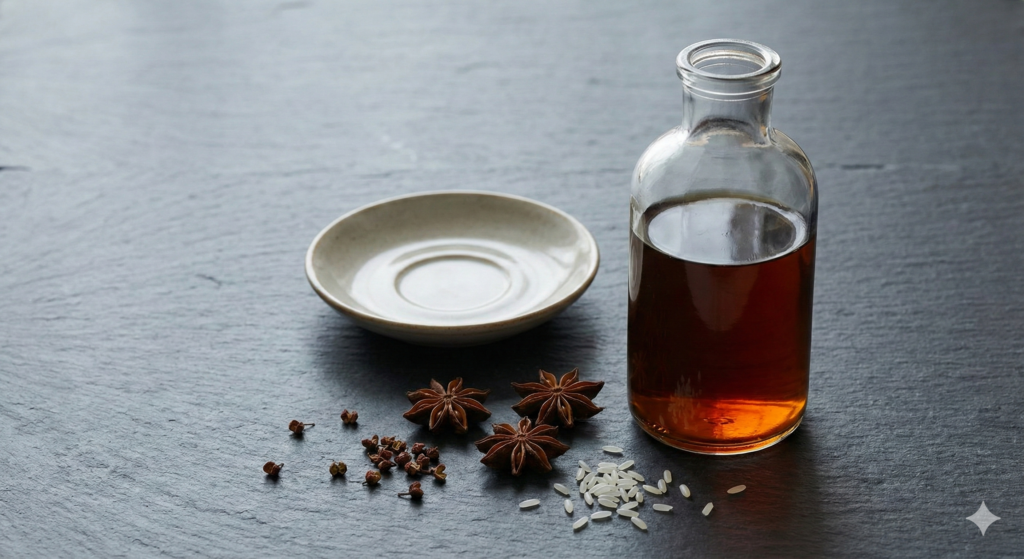
The best Chinkiang vinegar substitutes rely on balancing acidity with sweetness and depth. For a quick fix that mimics both the color and the flavor profile, mix 1 part Balsamic Vinegar with 1 part Soy Sauce. This combination replicates the fermented, malty aging process of authentic black vinegar better than plain white vinegar ever could.
Why Your Stir Fry Tastes Flat Without It
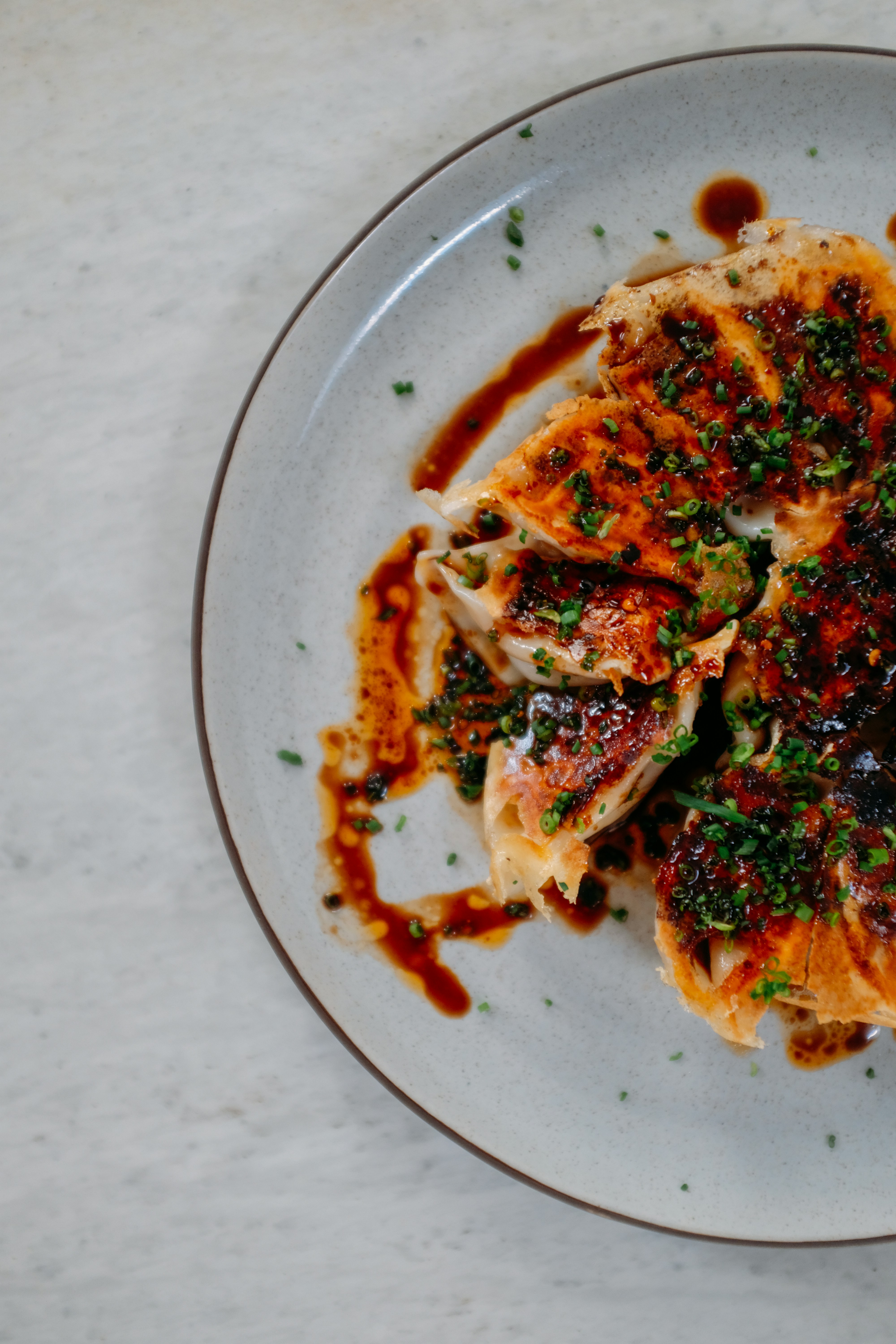
You have the wok smoking hot, the garlic is sizzling, and you reach for that distinct bottle with the yellow label, only to find it bone dry. We have all been there. In my fifteen years of running kitchens and consulting for Asian fusion start-ups, I have seen this specific ingredient cause more panic than any other. Why? Because Chinkiang vinegar (Zhenjiang vinegar) is not just “sour.” It is the soul of dishes like Kung Pao Chicken and the non-negotiable dipping sauce for soup dumplings.
Unlike the sharp, one-note acidity of white distilled vinegar, Chinkiang is fermented from glutinous rice and wheat bran. It tastes closer to a mix of malt and wood smoke than it does to lemon juice. When you leave it out, your dish loses its “bottom end”—that deep, savory resonance that makes customers come back for seconds.
However, running a business means being a problem solver. You cannot halt service because one bottle broke. Over the years, I have tested dozens of combinations to find the best Chinkiang vinegar substitutes that actually fool the palate. I am not talking about theoretical swaps found in textbooks; I am talking about what works on the pass during a Friday night rush.
The Balsamic Trap and How to Fix It
The most common advice you will see online is to “just use balsamic vinegar.” If you do this without modification, you are making a mistake. Based on my experience tasting hundreds of “fusion” failures, balsamic vinegar is made from grapes, meaning it carries a heavy fruit note and a sweetness that can turn a savory Sichuan stir-fry into something confusingly sugary.
Authentic Chinkiang vinegar is grain-based, similar to beer. To use balsamic effectively, you must neutralize the fruitiness.
The Fix:
You need to cut the sweetness with salt and savory notes. I recommend mixing equal parts balsamic vinegar and regular soy sauce. The soy sauce adds the umami kick that the grape-based balsamic lacks, while darkening the color to match the original ingredient. This is widely considered one of the best Chinkiang vinegar substitutes for cooked dishes where the sauce reduces down.
Top Substitutes Ranked by Flavor Accuracy
If you are running a shop, consistency is your currency. You cannot serve a dish that tastes different every week. Here are the most reliable formulas I have developed, ranked by how close they get to the real thing.
1. Balsamic Vinegar plus Soy Sauce
As mentioned above, this is the industry standard for an emergency swap. It works best in braised dishes (like Red Braised Pork) or heavy stir-fries.
- The Ratio: 1 tablespoon Balsamic + 1 teaspoon Soy Sauce.
2. Worcestershire Sauce plus White Vinegar
This might sound strange, but hear me out. Worcestershire sauce is fermented with tamarind, anchovies, and vinegar. It possesses that funky, deep complexity that black vinegar has. However, it is too salty on its own.
- The Ratio: 3 parts White Vinegar + 1 part Worcestershire Sauce.
- Best For: Dipping sauces for dumplings where you need that “bite.”
3. Malt Vinegar
In the field, it often happens that British-style gastropubs have plenty of malt vinegar but zero Asian ingredients. Since Chinkiang is a grain vinegar, malt vinegar shares a similar DNA. It lacks the color, but the flavor profile is surprisingly close—nutty, mild, and distinct.
- The Note: It is much lighter in color. If aesthetics matter to your customers, add a drop of dark soy sauce.
4. Rice Vinegar plus Molasses
If you are a purist trying to build the flavor from the ground up, this is for you. Regular rice vinegar provides the correct type of acidity (sharp but clean), while molasses mimics the aged, smoky sweetness of the wheat bran found in Chinkiang.
- The Ratio: 1 tablespoon Rice Vinegar + ½ teaspoon Molasses (or Brown Sugar).
⚠️ Important!
When using substitutes containing Worcestershire sauce, be aware of allergens. Standard Worcestershire contains anchovies (fish). If you are serving a vegetarian or vegan client, this substitute is a no-go. Always check your labels carefully to avoid a liability issue. For accurate labeling guidelines, you can refer to resources like the FDA Food Labeling Guide.
The Halal and Gluten Free Mock Chinkiang Recipe
This is a massive gap in the market. Authentic Chinkiang vinegar contains wheat (glutinous rice and wheat bran), making it unsafe for Celiacs. Furthermore, because it is fermented, some strict Halal observers avoid it due to trace alcohol content or the fermentation process, although this varies by certification.
I once consulted for a restaurant that wanted to make a “Universal Dumpling Sauce” safe for everyone. Finding the best Chinkiang vinegar substitutes that were also allergen-free was a challenge, but we cracked it.
The “Safe” Formula:
- Base: Apple Cider Vinegar (for fruit-free acidity).
- Depth: Tamari (Gluten-Free Soy Sauce) or Coconut Aminos.
- Smoke: A tiny drop of Liquid Smoke or Smoked Paprika.
This mixture allows you to put “Gluten-Free” on your menu without sacrificing that signature black vinegar taste. It is a small detail that can open your business up to a whole new customer base.
When to NOT Substitute
I believe in honesty. There are moments when the best Chinkiang vinegar substitutes simply won’t cut it. If you are making a cold appetizer, such as Smashed Cucumber Salad or Wood Ear Mushroom Salad, the vinegar is the main dressing. It is not being cooked off or hidden behind chili oil.
In these cases, the “raw” flavor of balsamic or Worcestershire will stand out like a sore thumb. If your menu relies heavily on cold starters, I strongly advise maintaining a strict inventory control on your real Chinkiang vinegar. Do not risk the customer experience on a salad where there is nowhere to hide.
Quick Reference Substitution Ratio Table
To make this easy for your prep cooks, print this table and tape it to your dry storage door.
| Substitute Base | Additive | Ratio | Best Use Case |
| Balsamic Vinegar | Soy Sauce | 1:1 | Stir-frys, Braises |
| Date Vinegar | None | 1:1 | Dipping Sauces |
| Rice Vinegar | Molasses/Sugar | 3:1 | Sweet & Sour Sauces |
| Red Wine Vinegar | Soy Sauce | 2:1 | Marinades (Last Resort) |
How to Build the Perfect Substitute Blend
If you have time to prep a batch rather than mixing on the fly, follow this process to create a shelf-stable master sauce.
- Measure Your Base: Start with 1 cup of mild vinegar. Rice vinegar is best, but Apple Cider Vinegar works for a gluten-free base.
- Add the Body: Whisk in 1/4 cup of Soy Sauce (or Tamari). This provides the salt content and color.
- Adjust the Sweetness: authentic Black Vinegar has a subtle sweetness. Add 1 tablespoon of brown sugar or molasses. Whisk vigorously until dissolved.
- The Secret Ingredient: This is my personal trick—add one pinch of ground star anise. Chinkiang vinegar often has notes of warm spices. This tiny addition tricks the brain into thinking it is tasting the real aged product.
- Bottle and Label: Store this in a squeeze bottle labeled “Mock Black Vinegar.” It will keep indefinitely in the pantry.
Master Your Flavor Profile Today
Running a food business is about adaptability. While we always strive for authenticity, the reality of logistics means you will eventually face a shortage. Knowing the best Chinkiang vinegar substitutes is not just about saving a single dish; it is about understanding the mechanics of flavor—acid, sugar, salt, and smoke.
Don’t be afraid to experiment with the ratios I have provided. Taste your food constantly. If it feels too sharp, add sugar. If it feels too flat, add soy. Your ability to adjust on the fly is what separates a cook from a chef.
Frequently Asked Questions
1. Is Chinkiang vinegar the same as black vinegar?
Yes and no. Chinkiang vinegar is the most famous type of Chinese black vinegar, named after the city of Zhenjiang. However, there are other black vinegars made from different grains or aged differently. Think of Chinkiang as the “Champagne” of black vinegars—it is the specific, high-quality standard everyone looks for.
2. Can I use white vinegar instead of black vinegar?
You can, but the result will be very harsh and one-dimensional. White vinegar is pure acid without flavor. If you must use it, you absolutely need to add sugar and soy sauce to balance it out, otherwise, your food will taste pickled rather than cooked.
3. Does Chinkiang vinegar go bad?
Technically, vinegar is a preservative and has an indefinite shelf life. However, based on my experience, the flavor quality starts to degrade after about 2 years once opened. The complex volatile aromas evaporate, leaving just the sourness. If you find a dusty bottle in the back of your storeroom from 5 years ago, it is safer to buy a new one or use one of the best Chinkiang vinegar substitutes mentioned above.