A Chef’s Guide to Using Chili Oil for Ramen: Understanding Rayu and Its Versatility
Introduction to Chili Oil in Ramen
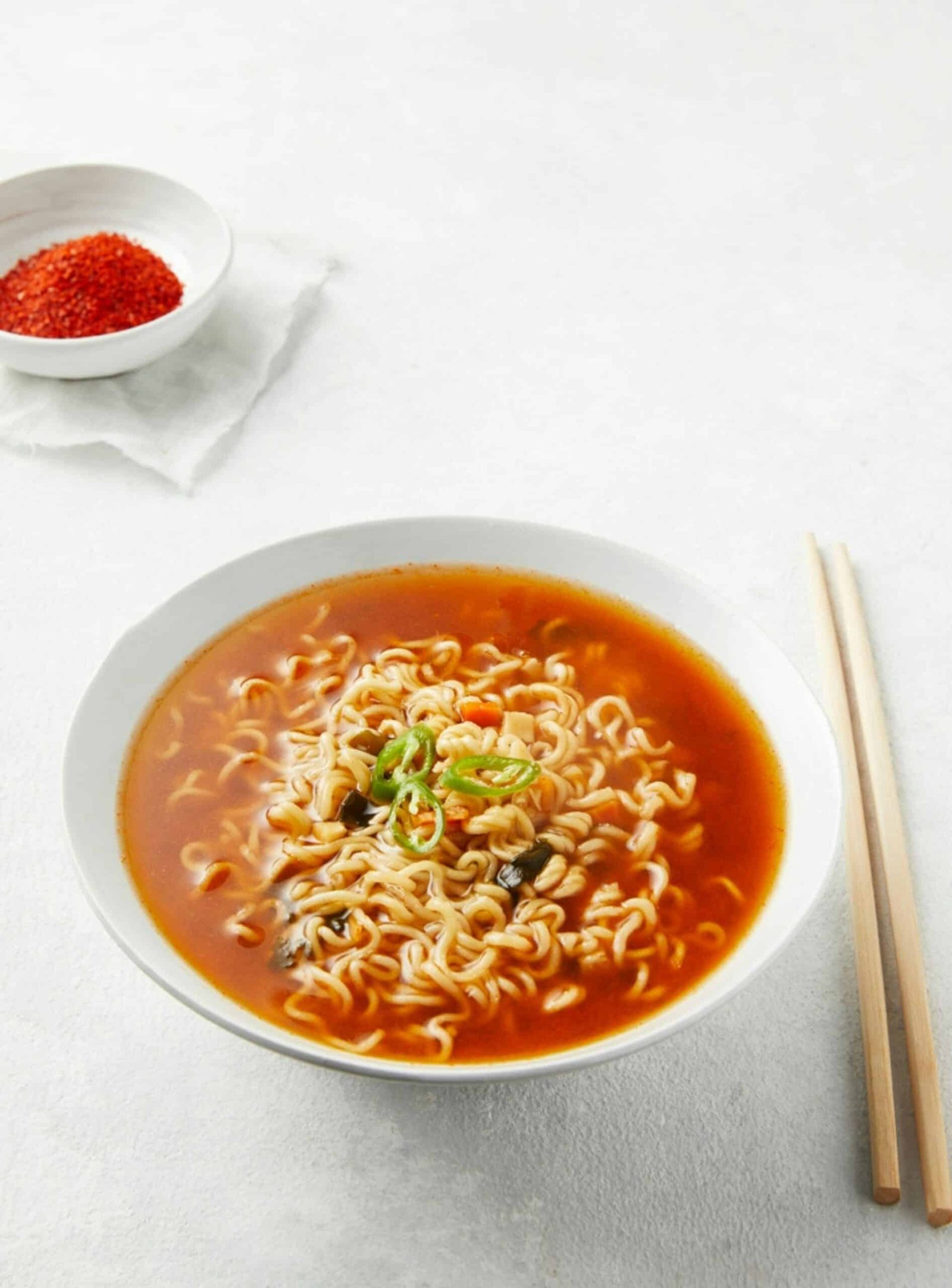
Chili oil has long been an indispensable ingredient in the culinary world, particularly in East Asian cuisines. Its application in ramen dishes is noteworthy, as it contributes significantly to the overall flavor profile and adds a layer of complexity to the ramen experience. The right chili oil can transform a simple bowl of ramen into a symphony of flavors, enhancing the taste and elevating the dish to new heights.
In ramen, chili oil not only adds spice but also provides a depth of flavor that harmonizes with other components such as broth, noodles, and toppings. The infusion of various spices and aromatics into the oil creates a unique blend that complements the umami-rich broth often found in ramen. This emphasis on flavor is crucial, as ramen is celebrated for its intricate balance of taste and texture. Therefore, selecting an appropriate chili oil is vital for achieving a successful outcome in any ramen preparation.
One notable variety of chili oil is known as ‘rayu.’ This flavorful infusion hails from Japan and is characterized by its distinctive combination of sesame oil, spices, and chilies. Rayu not only offers a significant heat level but also imparts nutty undertones and a robust aroma, which further enhances the sensory experience of the dish. By utilizing rayu in ramen, chefs can explore an array of flavor combinations that cater to various palates.
In essence, chili oil, specifically rayu, plays a pivotal role in ramen dishes. The careful selection of chili oil can elevate a bowl of ramen, transforming it into a memorable culinary experience. By understanding the significance of chili oil and its versatile applications, home cooks and chefs alike can harness its potential to create exquisite ramen dishes that are rich in flavor and satisfying to the palate.
Understanding Rayu: The Japanese Chili Oil
Rayu, a Japanese chili oil, holds a prominent place in the culinary landscape of Japan, especially in dishes like ramen. This versatile condiment is not merely a fiery addition but a nuanced blend of flavors that enhances the overall dining experience. Typically made from sesame oil and infused with various spices and chili peppers, rayu can vary in taste and heat level depending on its preparation method.
The base of rayu is often high-quality sesame oil, providing a rich and nutty flavor profile. The heat comes from dried or fresh chili peppers, which are sautéed briefly in the oil to release their essential oils and flavors. Other common ingredients include garlic, ginger, and scallions, which are sometimes incorporated to deepen the complexity of the oil. The combination of these ingredients results in a multifaceted condiment that offers a balance of spiciness, smokiness, and umami.
In traditional Japanese cuisine, rayu is frequently used as a finishing oil for ramen, offering both flavor and warmth that cuts through the richness of the broth. It can also be drizzled over dumplings or mixed into dipping sauces, making it an essential ingredient for those looking to elevate their dishes. The versatility of rayu allows it to be customized; some chefs might opt for additional spices or aromatics, creating a signature blend that reflects their personal style.
Beyond its use in ramen, rayu is increasingly finding a place in Western kitchens, where diners are eager to explore its vibrant flavors. This adoption signifies the growing appreciation for diverse condiments and the intricate flavors they bring, showcasing rayu not just as a regional specialty but as a globally recognized flavor enhancer.
Exploring Chinese Chili Oil
Chinese chili oil is a rich and flavorful condiment widely used across many culinary applications. Although it shares similarities with its Japanese counterpart, rayu, Chinese chili oil offers a distinct profile characterized by its unique blend of spices, oils, and textures. Typically, Chinese chili oil includes a base of vegetable oil infused with garlic, ginger, and various spices, alongside crushed red pepper flakes that impart significant heat and depth to the oil. This mixture not only elevates the pungency of the chili but also highlights the aromatic qualities of the additional ingredients.
One notable difference between Chinese chili oil and Japanese rayu is the complexity of flavors in the former. While rayu predominantly focuses on sesame oil, giving it a nutty taste, Chinese chili oil embraces a wider array of spices, which can include star anise, Sichuan peppercorns, and soy sauce. This results in a more robust flavor that complements many Chinese dishes—from stir-fries and dumplings to noodle bowls and marinades. When incorporated into ramen, Chinese chili oil adds a complex layer of flavor that enhances the overall taste, making it a versatile addition to this beloved Japanese dish.
Chinese chili oil can be used sparingly to accentuate the rich broth of ramen or more liberally to create a fiery experience for those who enjoy heat. Using the oil thoughtfully allows chefs to achieve a harmonious balance in their ramen, allowing the chili oil to accentuate, rather than overpower, the natural flavors of the broth and other ingredients. This versatility showcases the adaptability of Chinese chili oil, making it an invaluable component in the culinary world.
The Role of Chili Oil in Ramen Tare
Chili oil is a fundamental ingredient in the preparation of ramen tare, the seasoning base that imparts depth and complexity to the dish. Tare serves as the backbone of ramen, influencing the overall flavor profile, and the incorporation of chili oil adds a unique blend of heat, aroma, and richness. It is essential to select the right type of chili oil, as variations can range from delicate spicy notes to robust, bold flavors suitable for different styles of ramen.
To successfully integrate chili oil into tare recipes, it is crucial to understand the balance of flavors involved. The role of chili oil extends beyond mere heat; it interacts with other elements such as soy sauce, miso, or salt to create a harmonious seasoning blend. When crafting a tare with chili oil, consider starting with a modest quantity to assess the level of spice and flavor intensity. Gradually increasing the amount allows for better control over the final taste, ensuring that the chili oil complements rather than overwhelms the existing ingredients.
Additionally, the temperature at which the chili oil is used can significantly influence its flavor. When incorporated at the end of the cooking process, the oil’s aromatic properties are preserved, providing a fresh burst of flavor. Conversely, when heated alongside other ingredients for an extended period, the oil’s complexity can mellow, resulting in a more cohesive, subdued background note in the tare. Experimentation with different chili oils, such as Sichuan-style and sesame-infused oils, can further enhance the versatility of tare, allowing chefs to develop unique ramen recipes that reflect individual tastes.
Incorporating chili oil into ramen tare not only elevates the dish but also showcases its adaptability in culinary applications. This gives chefs an opportunity to create signature ramen experiences that cater to varying palates while embracing the essential characteristics of this beloved dish.
Using Chili Oil as a Finishing Drizzle
Chili oil, particularly in the context of ramen, serves as an exceptional finishing drizzle that enhances both the visual and sensory appeal of the dish. Rayu, a popular chili oil variant, brings depth and a tantalizing spiciness that complements the rich flavors of ramen without overwhelming them. When used judiciously, chili oil can elevate the dining experience to new heights, appealing not just to the palate but also to the eyes.
To effectively incorporate chili oil into your ramen, it is essential to consider the quantity and application method. A well-balanced drizzle can provide just the right amount of heat and flavor enhancement. Start by using a small amount, approximately half a teaspoon for a standard bowl. This allows you to gauge the heat level and adjust as needed. It is advisable to apply the chili oil in a controlled manner, perhaps from a squeeze bottle or a spoon, enabling you to target specific areas of the ramen, such as the broth or the toppings.
Moreover, the timing of the application plays a crucial role in achieving the best results. Consider adding the chili oil just before serving, allowing the vibrant color to pop against the other ingredients. This technique not only enhances the aesthetics of the dish but also preserves the integrity of the chili oil’s flavor, ensuring it does not lose its aromatic qualities through prolonged cooking.In contrast, if added too early, the oil might overpower the subtle notes of the broth and toppings.
In addition, mix the chili oil gently into the broth or drizzle it over toppings like sliced green onions, soft-boiled eggs, or roasted pork to achieve an even distribution. This approach guarantees that every bite contains a balanced flavor profile, ensuring that the essence of the chili oil complements rather than dominates the overall dish.
Crafting the Perfect Ramen with Rayu
Creating an exquisite bowl of ramen involves not only selecting high-quality ingredients but also mastering the nuances of flavors that chili oil, or rayu, can contribute. To incorporate rayu seamlessly into your ramen dish, follow these step-by-step guidelines.
Start by determining the base flavor of your ramen broth—whether it’s tonkotsu, shoyu, or miso—as this will influence how much rayu you should use. For a more subtle heat, consider adding one teaspoon of rayu per serving. However, if your palate craves a bolder impact, up the quantity to two teaspoons. It is essential to remember that the heat from rayu can intensify as it sits in the broth, so moderation is key.
The timing of when to add rayu to your ramen broth is crucial. Introducing it at the final stages of cooking will allow the oil to mingle seamlessly with the other ingredients. Add the chili oil just before serving, allowing it to coat the noodles and toppings effectively without losing its distinct flavor profile. This method preserves the aromatic qualities of the oil while injecting a delightful kick into your dish.
Do not hesitate to explore variations with different types of chili oil. For instance, a garlic-infused rayu can add an extra layer of depth, enriching the overall flavor. Alternatively, using a sesame-based chili oil will not only introduce a nuttier taste but also enhance the richness of the broth. Consider garnishing your ramen with fresh ingredients like scallions, cilantro, or a sprinkle of sesame seeds to complement the spiciness and round out the flavors.
The versatility of rayu allows for creativity in crafting your ramen. With the right approach and careful attention to quantities and timing, you can elevate a simple bowl of ramen into an unforgettable culinary experience.
Common Mistakes When Using Chili Oil
Chili oil, particularly rayu, plays a significant role in achieving the perfect balance of flavor in ramen. However, its usage can often lead to common mistakes that detract from the overall quality of the dish. One prevalent error is the overuse of chili oil. While the goal may be to enhance heat, an excess can overwhelm other delicate flavors, leading to an unbalanced bowl of ramen. Chefs should incorporate chili oil gradually and taste frequently to gauge the heat level and maintain harmony among other ingredients.
Another mistake is neglecting the importance of oil quality. Not all chili oils are created equal; those made with low-quality ingredients can impart undesirable flavors. A high-quality rayu, typically handcrafted with a blend of oil, toasted garlic, and fragrant spices, can elevate the ramen experience. When selecting chili oil, chefs should prioritize premium options that enhance, rather than mask, the natural taste of the broth.
Additionally, some chefs overlook the timing of adding chili oil during the cooking process. Introducing it too early can lead to a loss of its aromatic qualities and can cook off the spice, diminishing its impact. Instead, chili oil should be added at the end of cooking or as a finishing touch before serving. This practice not only preserves its vibrant flavor but also allows diners to adjust their dish according to their heat preference.
Finally, a common misstep is not considering the other elements of the dish. Each component of ramen, from the broth to the toppings, must work in concert with the chili oil. Focusing exclusively on the heat can overshadow the multifaceted notes that fresh vegetables, proteins, and noodles contribute. Effective use of chili oil requires a careful balance and a thorough understanding of how it interacts with the other ingredients in the bowl.
FAQs About Chili Oil and Ramen
Chili oil has become a staple in many kitchens, particularly for enhancing the flavors of ramen. However, many individuals still have questions about its use and storage. A common inquiry is how to store chili oil after opening. Ideally, it should be kept in a cool, dark place, such as a cabinet or a pantry. Proper sealing in an airtight container helps maintain its freshness and potency. Some prefer refrigerating it, which can prolong its shelf life, although it may thicken slightly when chilled.
Another frequently asked question centers around pairing chili oil with ramen. When integrating chili oil into ramen, there are no hard and fast rules. However, users typically find that it pairs exceptionally well with rich broths, especially tonkotsu or miso-based ramen. The rich and fatty characteristics of these broths complement the heat and aromatic flavors of the oil, enhancing the overall eating experience.
Adjusting spiciness can also be a concern for those new to using chili oil in ramen. It is advisable to start with a small amount, as chili oils can vary significantly in heat levels. If the dish requires more spice, one can gradually add more until the desired level is achieved. This method prevents overwhelming the palate and allows for controlled enhancements.
Finally, many wonder whether to choose rayu or Chinese chili oil for their ramen. Rayu, a Japanese chili oil, typically offers a more nuanced flavor profile, often infused with sesame oil, garlic, or onion. Conversely, Chinese chili oil is usually more straightforward in flavor and heat. The choice between the two largely depends on personal preference and the specific flavor profile desired for the ramen dish in question.
Conclusion: Elevating Your Ramen Game
As we draw our exploration of chili oil in ramen to a close, it is essential to recognize the transformative potential that this versatile ingredient holds. Rayu, or chili oil, is not just a condiment; it is a significant enhancement that can elevate the flavor profile of your ramen dishes. From traditional recipes to contemporary variations, incorporating chili oil can bring excitement and depth to the overall experience.
When using chili oil, the key takeaway is balance. A few drops can make a noticeable impact, adding a delightful heat that complements the richness of the broth and the ingredients within. Whether you opt for homemade or store-bought rayu, finding the right balance between heat and other flavors, such as umami and sweetness, is crucial. Experimenting with different amounts can result in a personalized ramen bowl that suits your taste preferences.
Moreover, the versatility of chili oil extends beyond mere enhancement of ramen. It can be paired with various toppings, such as scallions, nori, or soft-boiled eggs, to create a harmonious dish. The incorporation of chili oil lends itself to countless creative possibilities, encouraging cooks to explore traditional and modern interpretations alike. By integrating this ingredient thoughtfully, you can discover new textures and layers of flavor, turning a simple ramen meal into a remarkable culinary experience.
In conclusion, don’t shy away from experimenting with chili oil in your ramen preparations. Its nuanced heat and flavor can elevate your cooking to new heights. The journey of creating the perfect bowl of ramen is one of exploration and creativity, and with chili oil, your options are boundless. Enjoy the process, embrace the balance, and savor every delicious spoonful.