A Practical Guide: Best European Vegetables for Stir-Fries and the Right Way to Cut Them
Introduction to European Stir-Fry Vegetables
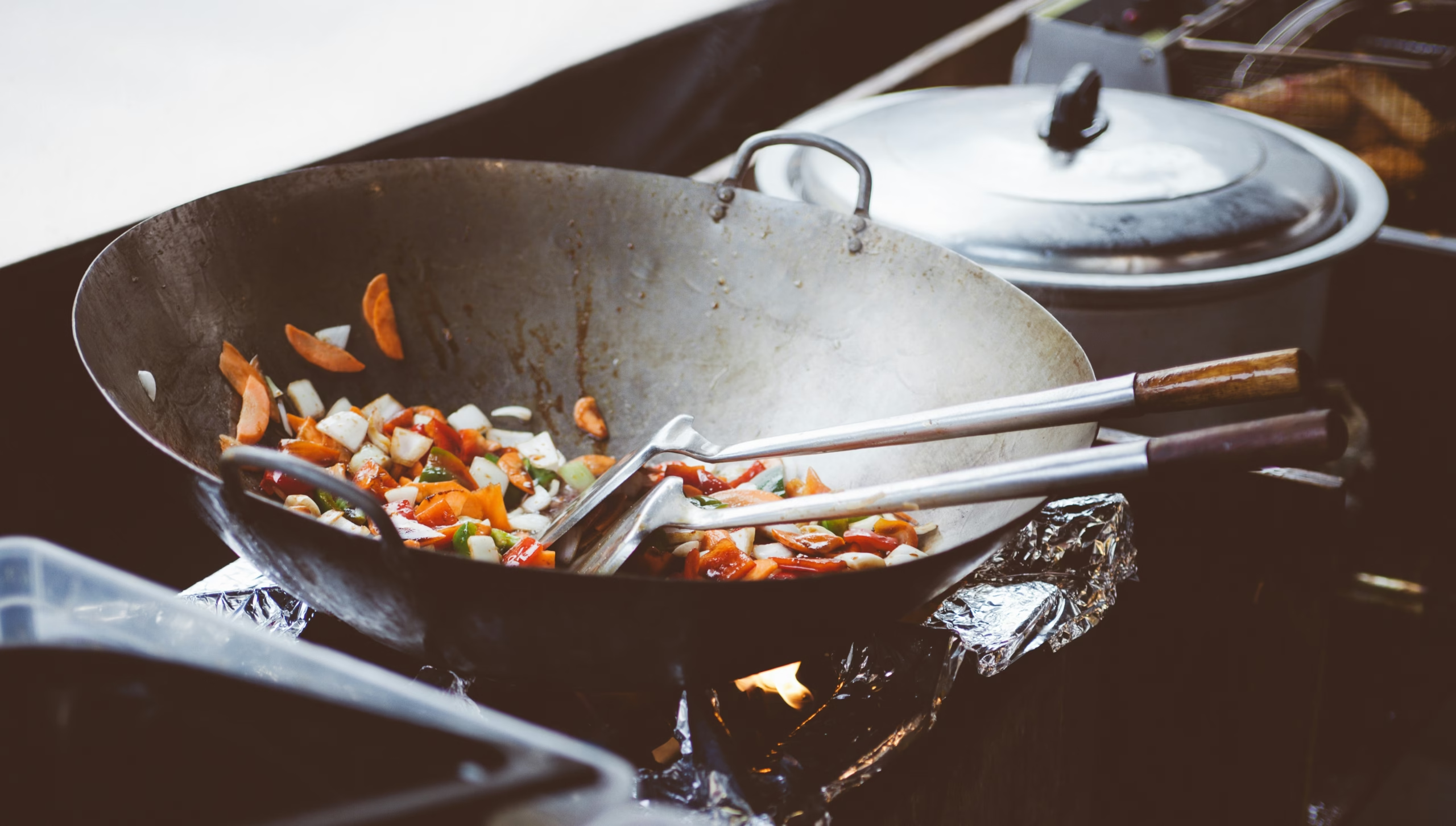
The culinary technique of stir-frying, which involves cooking food quickly at high temperatures in a small amount of oil, has gained notable popularity across Europe. This method not only retains the natural flavors and textures of ingredients but also encourages the incorporation of fresh, local vegetables. By utilizing European vegetables, cooks can create vibrant and nutritious dishes that are prepared swiftly, making them ideal for today’s fast-paced lifestyles.
European countries such as Italy, France, and Spain boast an abundance of vegetable varieties that lend themselves well to stir-frying. Commonly used vegetables such as bell peppers, zucchini, and kale can be easily sourced from local markets, promoting not only freshness but also seasonal eating. The use of local produce aligns with the push towards sustainability and supports local farmers, contributing to the economy and ecology of the region.
Moreover, incorporating vegetables in stir-fries offers various health benefits. Vibrant European vegetables tend to be rich in essential nutrients, vitamins, and antioxidants. Consuming a diverse array of vegetables can play a critical role in enhancing one’s overall health, aiding in digestion, and potentially reducing the risk of chronic diseases. Stir-frying, coupled with the use of various herbs and spices native to Europe, elevates flavors, making meals not only healthier but also more palatable.
As we delve deeper into this guide, we will explore specific European vegetables that are particularly suited for stir-frying. Each vegetable comes with its unique characteristics and cutting techniques, ensuring that enthusiasts can maximize both taste and nutritional value in their dishes. By understanding how to properly cut and combine these vegetables, practitioners can enjoy the numerous advantages of this swift and versatile cooking method.
Broccoli: The Green Powerhouse
Broccoli is often celebrated as a nutritional powerhouse, making it a popular choice for stir-fries. This vibrant green vegetable is rich in vitamins, minerals, and antioxidants, which contribute to overall health. When preparing broccoli for a stir-fry, it is essential to ensure that the vegetable is cut correctly to promote even cooking. Properly cutting the broccoli not only enhances its texture but also maximizes its flavor during the cooking process.
The first step in preparing broccoli for a stir-fry is to wash the vegetable thoroughly under cold running water, ensuring that any dirt or pesticides are removed. Next, using a sharp knife, trim off the bottom part of the stem. This will help to create a flat surface, allowing for easier handling and cutting. It is advisable to cut the broccoli into uniform pieces to ensure that they cook evenly. Typically, broccoli florets should be separated into bite-sized pieces, approximately one to two inches in diameter.
In addition to the florets, the stems of the broccoli should not be overlooked. They are both edible and nutritious. To prepare the stems, peel off the tough outer layer using a vegetable peeler. After peeling, the stems can be sliced diagonally into thin pieces. This will allow for quicker cooking times and improve their texture within the stir-fry. Incorporating both florets and stems into your dish not only enhances the flavor profile but also adds visual appeal.
Whether you are making a classic stir-fry or experimenting with new flavors, properly preparing broccoli can significantly impact the overall outcome of the dish. By paying attention to the cutting techniques and ensuring that the broccoli is uniform in size, you can achieve a delicious and nutritious addition to your stir-fry recipes.
Bell Peppers: Vibrant and Flavorful
Bell peppers, known for their vibrant colors and distinct flavors, are a quintessential ingredient in stir-fries. Available in various hues, including red, yellow, green, and orange, each color boasts a unique taste profile. Red bell peppers, for example, are the sweetest of the bunch, while green bell peppers convey a slightly bitter flavor. Yellow and orange varieties fall somewhere in between, making them versatile options for enhancing a dish’s taste. When selecting bell peppers, look for fruits that are firm to the touch, smooth-skinned, and devoid of blemishes or wrinkles. This ensures freshness and maximizes flavor in your stir-fry.
Preparing bell peppers for stir-frying involves a few straightforward steps that will ensure even cooking and consistent texture. Begin by washing the peppers under cold water to remove any surface residue. After drying, remove the stem and slice the bell pepper in half lengthwise. This will expose the inner seed cavity, which needs to be removed. Using a knife, carefully cut around the seeds and discard them, taking care not to lose any of the flesh. Following this, lay the halved bell pepper facing down on the cutting board to make slicing easier.
To achieve uniform pieces, cut the peppers into strips or chunks. If you prefer stir-fry strips, gently slice the pepper halves into even vertical slices, about half an inch wide. For chunks, cut across the strips to create bite-sized pieces. The importance of uniform sizes cannot be overstressed, as this promotes even cooking and ensures that all pieces are cooked through and maintain their texture. Incorporating bell peppers into your stir-fry not only adds color but also delivers essential vitamins and minerals, enriching the dish overall.
Carrots: Crunchy and Colorful
Carrots are an essential ingredient in many stir-fry dishes, offering a delightful crunch and vibrant color that enhances the visual appeal of any meal. These root vegetables not only contribute to the aesthetic but also provide a slightly sweet flavor that complements other ingredients beautifully. Selecting fresh carrots is key; look for smooth, firm roots with rich color and no blemishes. This ensures maximum flavor and texture when cooked.
When it comes to preparing carrots for stir-frying, the method of cutting can significantly affect both cooking time and dish presentation. The optimal way to cut carrots for stir-fries is to slice them as thinly as possible. Thin slices cook quickly and evenly, absorbing flavors while retaining some of their natural crispness. For best results, wash the carrots thoroughly, peel them if preferred, and then cut them into uniform pieces.
There are various cutting techniques to consider. Cutting the carrots into matchsticks, also known as julienne, creates long, thin strips that cook rapidly and add a pleasing texture to the dish. This technique is particularly effective for maintaining the crunch that is characteristic of stir-fried vegetables. Alternatively, slicing carrots into rounds offers a different texture and presentation; the circular shapes can be aesthetically pleasing and provide a satisfying bite. Whichever method you choose, remember that consistency in size is vital, as this ensures even cooking throughout the stir-fry process.
Incorporating carrots into your stir-fry not only adds flavor and crunch but also boosts the nutritional profile of your meal. Rich in vitamins A, K, and various antioxidants, carrots contribute to a healthier diet while enhancing the overall taste of your dish. Whether you prefer them in matchsticks or rounds, the flexibility of carrots makes them a fantastic choice for any stir-fry.
Onions: The Flavor Base
Onions are an essential component in various European stir-fries, serving as the foundation for a multitude of flavors. Their natural sweetness, when cooked, provides a depth that enhances the overall dish. Different varieties of onions, such as yellow, red, and white, contribute unique characteristics. Yellow onions are renowned for their versatility and balance of flavor, while red onions introduce a milder, slightly sweet profile that adds color to the dish. White onions are often preferred for their sharpness, making them ideal for dishes requiring pungency.
When preparing onions for stir-fries, slicing technique plays a crucial role in the final outcome of the dish. Onions can be cut in various styles: slices, dices, and wedges, each affecting the cooking time and the release of flavor. Slices are cut into thin rings, which cook evenly, allowing their natural sweetness to bloom quickly. This method is particularly effective for quick stir-fries where a hint of crunch is desired. Conversely, diced onions are cut into small cubes, which allows for a more intense flavor distribution throughout the dish. The fine cuts enable a rapid release of juices, creating a savory base that integrates seamlessly with other ingredients.
Wedges, on the other hand, retain more of their structure during cooking. This technique is ideal for those who appreciate a more substantial texture in their stir-fry. Depending on the size of the wedges, cooking times will vary; smaller wedges will caramelize faster than larger ones. Regardless of the cutting style selected, sautéing onions at medium heat will encourage caramelization, bringing out the sweet and savory notes that elevate the dish. Choosing the appropriate cutting technique not only affects the flavor of the stir-fry but also contributes to the overall visual appeal of the meal.
Mushrooms: Earthy Goodness
Mushrooms are an incredibly versatile and flavorful ingredient in stir-fries, imparting an earthy richness that enhances the overall dish. Their ability to absorb flavors allows them to harmonize well with a variety of ingredients, making them a favorite in many culinary traditions. When selecting mushrooms for stir-frying, common varieties include shiitake, cremini, and oyster mushrooms, each offering unique textures and flavors that contribute to a well-balanced dish.
When preparing mushrooms for stir-frying, the cut matters significantly. A common technique is to slice mushrooms into even thickness to ensure uniform cooking. Typically, slices should be around ¼ inch thick. Thicker slices can yield a satisfying bite, whereas thinner slices may become rubbery if overcooked. The balance between thickness and flavor absorption is crucial; a moderately thick slice allows the mushroom to retain its moisture and absorb the flavors of accompanying sauces and seasonings effectively.
In addition to classic slicing techniques, mushrooms can also be diced or quartered, depending on the desired texture in the stir-fry. For example, diced mushrooms can seamlessly blend into the overall dish, while quartered varieties can provide a heartier texture that stands out. When preparing mushrooms, it is essential not to overcrowd the pan, as this can lead to steaming rather than proper sautéing. Stir-frying mushrooms in batches can ensure they achieve that deep golden color and maximize flavor development.
Certain mushroom varieties such as enoki and maitake can add unique textures and flavors as well. Enoki mushrooms, with their delicate structure, lend a light crunch, while maitake offers a robust, umami-rich taste that complements various ingredients. Overall, the right cutting techniques combined with selecting the appropriate mushroom variety can elevate any stir-fry dish into a delightful culinary experience.
Courgettes (Zucchini): Light and Bright
Courgettes, also commonly known as zucchini, are a versatile and popular vegetable in European cuisine, renowned for their mild taste and quick cooking time. They can add a fresh and light component to any stir-fry, complementing stronger flavors without overpowering them. Their high water content aids in creating a delightful texture, especially when cooked properly. Courgettes retain their shape and nutrients when prepared with care, making them an invaluable ingredient in a variety of dishes.
When it comes to preparing courgettes for stir-frying, the way in which they are cut plays a significant role in both texture and moisture retention. The ideal cutting methods include slicing them into half-moons or strips. To begin, wash the courgettes thoroughly and trim off the ends. For the half-moon shape, slice the courgette lengthwise into even halves and then cut across the width into half-moon shapes. Alternatively, when opting for strips, cut the courgette lengthwise into quarters before slicing into manageable strips.
It is essential to consider the thickness of your cuts; thicker slices help prevent courgettes from becoming mushy in the stir-fry. Thinner pieces tend to lose their structural integrity and can become overly soft during cooking. A thickness of around half an inch is generally recommended to maintain a pleasant bite while allowing for even cooking. Reducing moisture content not only preserves the vegetable’s integrity but also enhances the overall quality of the stir-fry. Proper cutting techniques can elevate your culinary creations, ensuring that courgettes add that distinctive lightness to the dish without becoming a soggy element.
The Right Cutting Techniques for Even Cooking
When preparing vegetables for stir-fries, mastering the right cutting techniques is essential for achieving uniform cooking and optimal flavor. Each vegetable’s cut directly influences its cooking time and texture, making it crucial to employ consistent cutting strategies. The most common techniques include julienne, slicing, dicing, and mincing, each serving distinct purposes based on the vegetable type and desired outcome.
Julienne cuts, for instance, involve slicing vegetables into thin matchstick-like strips. This technique is ideal for carrots, bell peppers, and zucchini, as it promotes faster cooking while preserving the vegetable’s flavor and texture. Slicing, on the other hand, yields broader shapes and can be effectively applied to onions and mushrooms, allowing for a more substantial bite in the stir-fry.
Moreover, dicing involves cutting vegetables into small cubes, which can be particularly beneficial for potatoes and alliums, ensuring they cook evenly. Mincing is a finer technique typically used for garlic and fresh herbs, adding depth of flavor without overwhelming the dish with large pieces. Regardless of the technique employed, maintaining even sizes across all vegetable cuts is paramount. This uniformity ensures that each piece cooks at the same rate, preventing some from becoming overcooked and others remaining underdone.
Another important aspect is the order in which you add vegetables to the stir-fry, based on their hardness. For instance, start with denser vegetables like carrots and onions, then gradually incorporate softer vegetables such as bell peppers and leafy greens. By layering your cooking process in this manner, you help to achieve a harmonious balance of textures and flavors. Ultimately, understanding and applying the right cutting techniques not only enhances the presentation and taste of your stir-fry but also ensures a delightful dining experience.
FAQ: Common Queries About Stir-Frying Vegetables
Stir-frying is a popular cooking method that allows vegetables to retain their texture and flavor while also offering a quick and efficient way to prepare meals. However, many home cooks have questions about the best practices for stir-frying vegetables to achieve optimal results. One common inquiry pertains to which vegetables should be cooked first to ensure an ideal texture. Generally, denser vegetables such as carrots, bell peppers, and broccoli should be added to the wok or skillet at the beginning, as they require longer cooking times. In contrast, more delicate vegetables like spinach or bean sprouts should be added towards the end, allowing them to maintain their vibrant color and crunch.
Another frequently asked question revolves around the use of frozen vegetables in stir-frying. While fresh vegetables are often preferred for their flavor and texture, frozen vegetables can be used effectively in stir-fries. It is advisable to thaw frozen vegetables beforehand; alternatively, they can be added directly to the pan if they are pre-cooked. Cooking frozen vegetables in a hot wok can yield satisfactory results, although it is crucial to monitor their cooking time to prevent them from becoming mushy.
Lastly, many cooks encounter the issue of sogginess in their stir-fried dishes. To avoid this common pitfall, it is essential to ensure that the vegetables are patted dry before cooking. Excess moisture can lead to steaming rather than frying. Cooking vegetables in batches may also help in managing moisture levels, allowing for a better texture. Additionally, using a high heat setting will also combat sogginess, giving the vegetables a nice sear while preserving their natural crunch. With these insights, home cooks can enhance their stir-frying techniques, creating delightful dishes that showcase the vibrant flavors of European vegetables.