
Amazing Pink Salt Trick for Juicy Chicken Brine
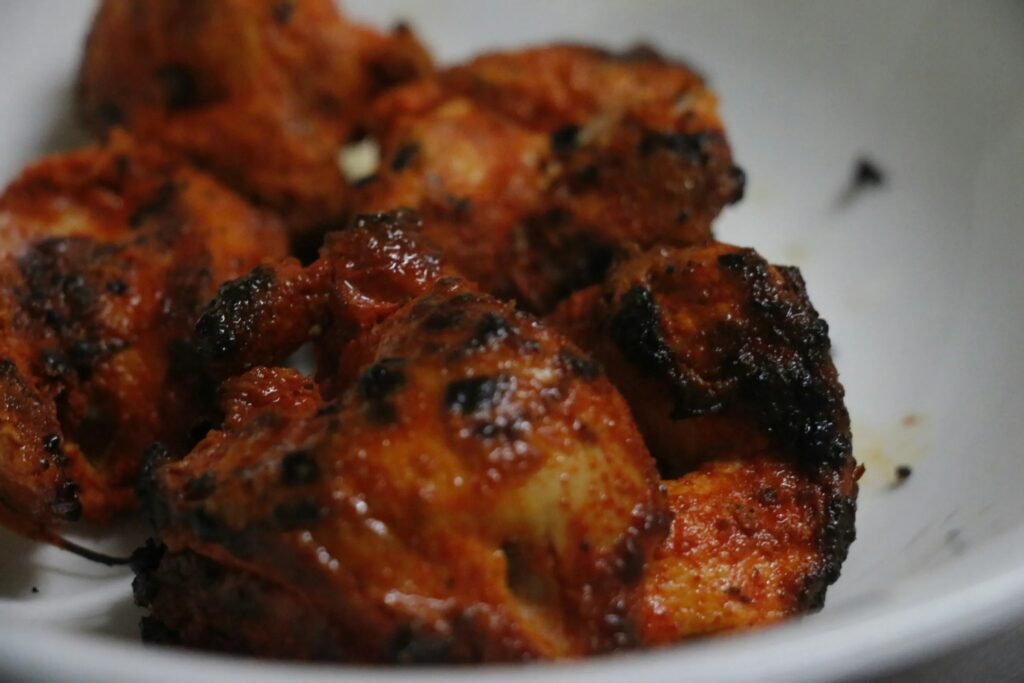
Let’s face the culinary tragedy that happens in kitchens every night: dry, chalky, and stringy chicken breast. As a food expert, I’ve seen countless home cooks resign themselves to this fate, believing it’s just the nature of lean meat. But what if I told you the secret to consistently moist, flavorful, and incredibly juicy chicken wasn’t a complex cooking technique, but a simple prep step? This pink salt trick for juicy chicken brine is that secret. It’s a total game-changer that leverages basic food science to guarantee a perfect result, every single time.
However, the term “pink salt” causes massive confusion, and this is where expertise is critical. A common mistake is conflating two very different products. This guide will not only give you the failproof Himalayan pink salt chicken brine recipe but also clarify the crucial science of *why* it works and *which* pink salt to use. This isn’t magic; it’s a method. And once you master it, you will never eat dry chicken again.
The “Pink Salt” Dilemma: A Critical Expert Clarification
Before we go any further, we must address the most important safety and quality issue. Based on our analysis, the term “pink salt” is dangerously ambiguous. Using the wrong one can ruin your dish or, in other contexts, be a safety hazard. As a culinary expert, this is the most important distinction I can teach you.
1. Himalayan Pink Salt (The “Kitchen Salt” We ARE Using)
This is the beautiful, crystalline salt you find in grinders and gourmet shops.
- What It Is: A natural rock salt (primarily sodium chloride, just like table salt) mined from Pakistan.
- Why It’s Pink: Its color comes from trace minerals like iron oxide.
- Use: It’s an all-purpose cooking and finishing salt. In this pink salt trick for juicy chicken brine, we use it for its coarse texture and subtle mineral flavor. It contains NO nitrites.
- Related: You can learn more about its culinary uses in these 11 Himalayan pink salt cooking tricks.
2. Pink Curing Salt (Prague Powder #1 / The “Curing Salt” We ARE NOT Using)
This is a specialized, technical ingredient for *curing* meats like bacon, ham, or corned beef.
- What It Is: A mixture of 93.75% sodium chloride and 6.25% sodium nitrite.
- Why It’s Pink: It is intentionally dyed bright, artificial pink to ensure no one ever mistakes it for regular salt. Nitrites are toxic in large doses.
- Use: It is a preservative. It prevents the growth of *Clostridium botulinum* (botulism) in long-cured, low-oxygen environments.
Expert Verdict: Brining vs. Curing
A brine (what we are doing) is a short-term bath (a few hours) to add moisture and flavor. A cure (like for bacon) is a long-term process (days or weeks) to preserve meat.
For a fast chicken brine, you do not need and should not use Pink Curing Salt (nitrites). It is unnecessary and adds a strange flavor. Our easy pink salt gravlax recipe (a short-term cure) also relies on this principle. The “trick” is in the method, not in the nitrites. We are 100% using Himalayan Pink Salt.
The Science: How Does a Brine *Really* Make Chicken Juicy?
Many people think brining works by having the chicken “soak up” the salty water like a sponge. The real science is far more elegant and is the key to this juicy chicken brine trick with pink salt. This is not just osmosis; it’s about protein chemistry.
The Real Trick: It’s About Protein Denaturation, Not Just Water
When you place chicken in a salt-water solution, the salt ions begin to work their magic on the muscle proteins (specifically myosin).
1. It Unwinds Proteins: The salt solution causes the tightly-coiled muscle fibers to partially dissolve and unwind.
2. It Traps Water: This “unwound” protein structure creates a kind of scaffold with more gaps. Water from the brine gets trapped within this new structure and bonds with the proteins.
3. It Prevents Squeezing: Here is the real “trick.” When you cook the chicken, the proteins (which normally tighten, coiling up and squeezing out all the natural moisture) are already unwound. They can’t contract as much. Therefore, they hold onto both their own natural juices *and* the extra water from the brine.
This process results in a chicken that is not just “wet,” but fundamentally juicier and more tender, as the muscle structure itself has been altered. This is the pink salt trick for juicy chicken brine in action.
What is the Sugar For?
Sugar plays a crucial supporting role.
- Flavor: It perfectly balances the salt, so the final chicken doesn’t just taste “salty” but “well-seasoned.”
- Browning: The sugar helps promote a beautiful, golden-brown Maillard reaction on the skin and surface of the chicken during cooking.
The 5-Step Failproof Pink Salt Trick for Juicy Chicken Brine
This is the core method. It’s incredibly simple and scalable. We’ll use a standard, all-purpose Himalayan pink salt chicken brine as our base.
Step 1: Choose Your Chicken Cut
This method works for any cut, but the time in the brine will change. This is the single most important variable.
- Whole Chicken (4-5 lbs): Perfect for a stunning Sunday roast.
- Bone-in, Skin-on Pieces (Breasts, Thighs): Ideal for grilling or pan-searing.
- Boneless, Skinless Breasts: The cut that benefits the most, as it has no fat or skin to protect it.
- Chicken Wings or Tenders: A very short brine makes them pop with flavor.
Step 2: Create the Basic Brine Ratio
The best practice is to use a standard ratio of salt and sugar to water, measured by weight for precision, but volume is fine for home use.
The “Lezata” All-Purpose Brine Ratio:
- 1 quart (4 cups or ~1 liter) of water (use cool or room-temp water)
- 1/4 cup (about 60g) coarse Himalayan pink salt (If using fine salt, reduce to 3 tablespoons)
- 2 tablespoons (about 25g) granulated sugar
Whisk these together in a large bowl or pot until the salt and sugar are fully dissolved. You *must* dissolve them completely before adding the chicken.
Step 3: Add Aromatics (The Flavor Layer)
Now, you transform the basic brine into a flavor-delivery system. This is where you can get creative. Add these to your dissolved brine:
- 4-6 cloves of garlic, smashed
- 1 tablespoon of whole black peppercorns
- A few sprigs of fresh thyme or rosemary
- 2-3 bay leaves
For an Asian-inspired flavor, you could swap these for smashed ginger and scallions. This builds a foundation of flavor, much like in mastering stocks and sauces.
Step 4: Submerge and Time It Perfectly
Place your chicken in the brine. Ensure it is fully submerged. If it floats, weigh it down with a small plate. Place the entire container in the refrigerator (do not brine at room temperature).
This is the most critical part: DO NOT OVER-BRINE. Over-brining will make the chicken too salty and can give it a mushy, “ham-like” texture. Follow this chart:
| Chicken Cut | Recommended Brine Time |
|---|---|
| Whole Chicken (4-5 lbs) | 8 to 12 hours (or overnight) |
| Bone-in Pieces (Breasts, Thighs) | 2 to 4 hours |
| Boneless, Skinless Breasts | 1 to 2 hours (do not exceed 2 hours) |
| Chicken Wings or Tenders | 30 to 60 minutes |
Step 5: The Crucial Post-Brine Dry-Off
Remove the chicken from the brine. A common mistake is to cook it immediately. This will result in soggy, pale skin.
1. Rinse (Optional but Recommended): Give the chicken a very quick rinse under cold water to remove excess salt from the surface.
2. Pat Dry: Use paper towels to pat the chicken completely and utterly dry.
3. The Pro-Trick (for Crispy Skin): For the *best* results on a whole chicken or skin-on pieces, place the dried-off chicken on a rack over a baking sheet and let it air-dry, uncovered, in the refrigerator for 4-8 hours. This dehydrates the skin, making it shatteringly crisp when roasted.
Favorite “Pink Salt Trick” Brine Variations
Once you have the basic pink salt trick for juicy chicken brine, you can swap the aromatics to match any cuisine.
1. Spicy & Smoky Brine (for Grilling)
To the basic brine, add:
- 1 tablespoon smoked paprika
- 1 teaspoon chipotle powder
- 1 tablespoon of your favorite homemade chili oil (add with the aromatics)
- 1 sliced jalapeño
2. Asian-Inspired “Velveting” Brine (for Stir-Fry)
This is a slightly different juicy chicken brine trick with pink salt, closer to a Chinese velveting technique but with a Western twist.
For 1 lb of boneless breast, sliced for stir-fry (don’t add water):
- 1 tablespoon soy sauce
- 1 tablespoon Shaoxing wine (or dry sherry)
- 1 teaspoon sugar
- 1 teaspoon cornstarch
This dry-brine/marinade will tenderize the chicken perfectly for a wok. It’s a key part of mastering authentic Chinese food.
Common Mistakes When Brining Chicken
The best practices are about avoiding these common pitfalls. This pink salt trick for juicy chicken brine is failproof, but you can still make errors.
- Brining Too Long: This is the #1 mistake. You are not curing the chicken; you are brining it. Stick to the time chart. A boneless breast left overnight will be salty and unpleasantly mushy.
- Using the Wrong Salt: Using fine-grain iodized table salt. The iodine adds a metallic taste, and the fine grain will make your brine *far* saltier than the recipe intended, leading to over-salting.
- Forgetting to Dry It: Cooking wet chicken is the #1 cause of soggy skin. The pan’s energy is spent evaporating water instead of browning the chicken. You get steam, not a sear.
- Brining at Room Temperature: This is a food safety hazard. All brining must be done in the refrigerator to keep the chicken out of the “danger zone” (40°F – 140°F).
The Expert’s Final Word on Brining
This pink salt trick for juicy chicken brine is a foundational technique, not just a recipe. It is a method of moisture insurance. Understanding the science of how salt and water interact with protein is a core culinary skill. It is celebrated by chefs and food scientists alike. As the culinary experts at Bon Appétit explain, “brining is the closest you can get to a guarantee for juicy, flavorful meat.” By adopting this simple, 5-step process using Himalayan pink salt, you are elevating your cooking from guesswork to science. This is how you build a repertoire of failproof techniques, whether you’re roasting a chicken or mastering European classics. The result is pure, juicy perfection.
Frequently Asked Questions (FAQ) about Pink Salt Brining
1. What’s the best pink salt for a juicy chicken brine?
The best salt is Himalayan Pink Salt (a coarse cooking salt). A common mistake is confusing it with “Pink Curing Salt” (which contains nitrites). For this pink salt trick for juicy chicken brine, you must use Himalayan or another coarse, non-iodized salt like Kosher salt.
2. What is the real “trick” to this juicy chicken brine?
The “trick” is food science. The salt in the brine (the Himalayan pink salt chicken brine) doesn’t just add water; it chemically alters the chicken’s muscle proteins, causing them to unwind and trap moisture. This prevents the proteins from squeezing out water when cooked, guaranteeing a juicier result.
3. How long is too long for this pink salt brine?
Yes. Over-brining is the most common mistake. A boneless, skinless chicken breast should not be brined for more than 2 hours. A whole chicken should not go past 12-18 hours. Brining for too long will make the meat overly salty and the texture will become soft and mushy.
4. Can I use this pink salt trick for a dry brine?
Absolutely. A dry brine (salting the chicken and letting it rest in the fridge) uses the same scientific principle. You can rub a whole chicken with coarse Himalayan pink salt and let it sit uncovered in the fridge for 12-24 hours. This draws out moisture, which then mixes with the salt and is reabsorbed—it’s a brine without the water, and it’s fantastic for crispy skin.
5. Do I need to rinse the chicken after this brine?
It is a best practice. We recommend a quick rinse under cold water to remove any excess salt from the surface, which could make it too salty. Immediately after rinsing, you MUST pat the chicken completely dry with paper towels.

![9 Essential Chinese Pantry Staples to Boost Your Menu Profits [Insider Tips]](https://lezata.com/wp-content/uploads/2025/10/3c67ea0a-9945-437f-bbae-a6328259b7e9_019a2daa-6358-71bf-8a40-2290876b8ccf_files_essential_chinese_pantry_staples-768x432.webp "9 Essential Chinese Pantry Staples to Boost Your Menu Profits [Insider Tips] 4")

